

Pair Metal Candlesticks
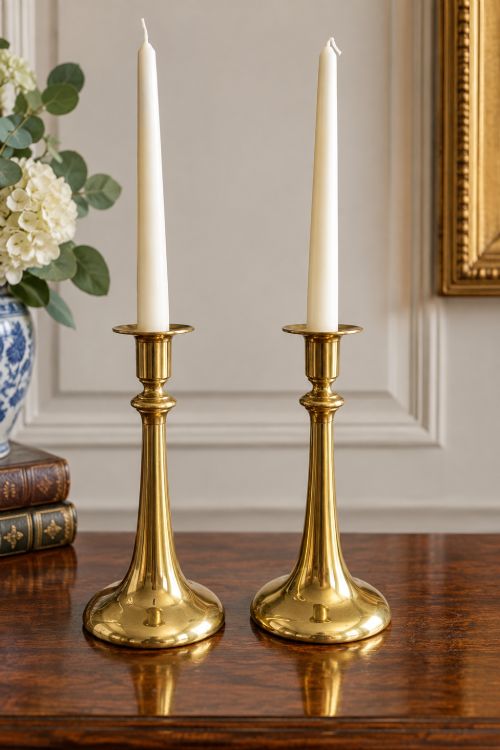
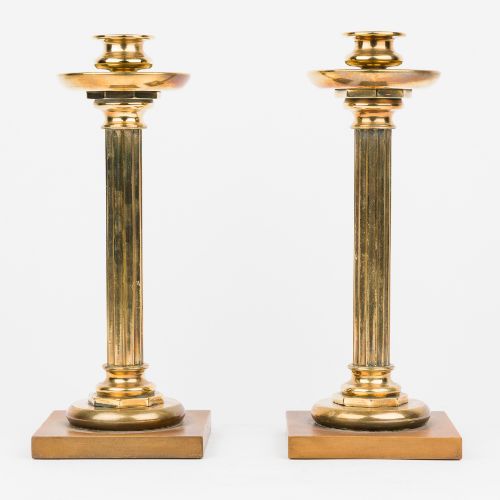
Pair metal candlesticks bring centuries of domestic illumination into modern rooms, ranging from utilitarian brass to sculptural gilt bronze.
Pair Metal Candlesticks
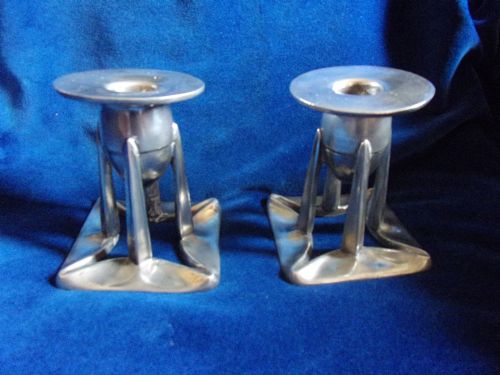
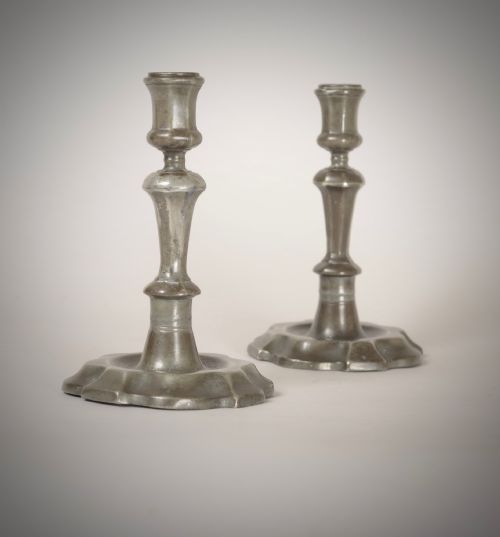
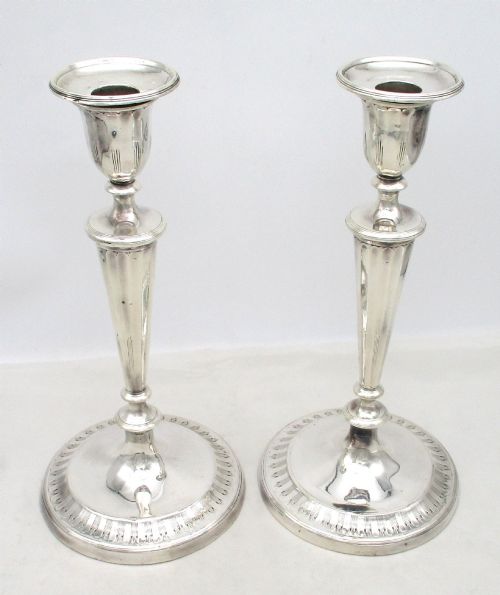
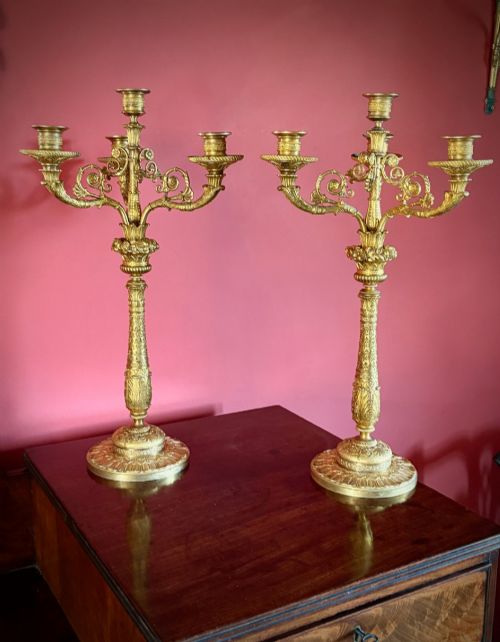
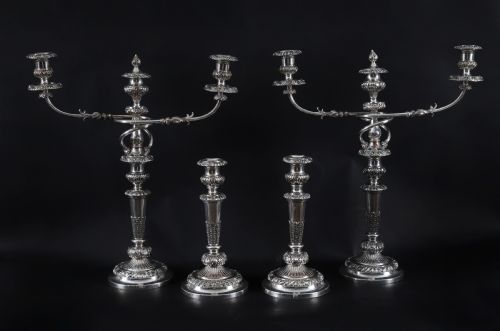
When you search for pair metal candlesticks, you encounter lighting devices cast or worked in brass, bronze, pewter, and silver plate spanning from the sixteenth century through the Art Deco era. The selection draws heavily upon eighteenth-century brass ejector models, nineteenth-century Victorian ormolu examples, and twentieth-century Arts and Crafts or pewter designs.
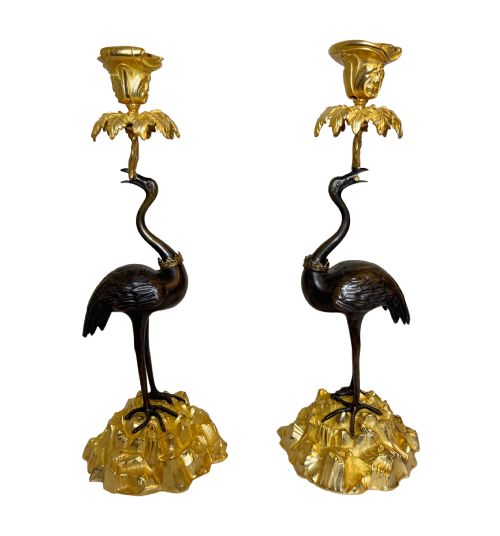
Forms extend beyond simple table sticks to multi-branch candelabra, chambersticks with finger rings, and figural sculptures cast as trees, animals, or historical characters. You meet English, French, and Continental workshops operating within Georgian, Regency, Gothic Revival, and Art Nouveau stylistic traditions.
Materials and construction
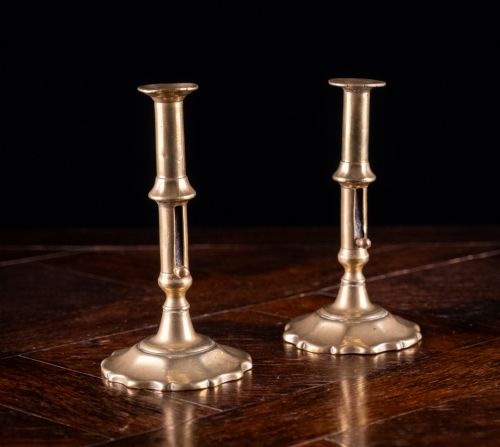
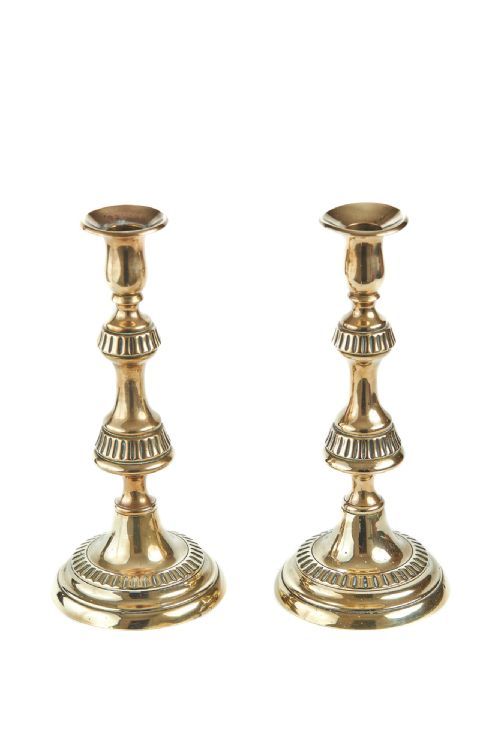
Early examples rely on brass and bell metal cast in multiple sections and joined together, often incorporating internal ejector mechanisms to push out remnants of wax. Eighteenth-century pieces frequently utilise seamed construction, where sheet metal is bent and soldered or cast components are finished on a lathe.
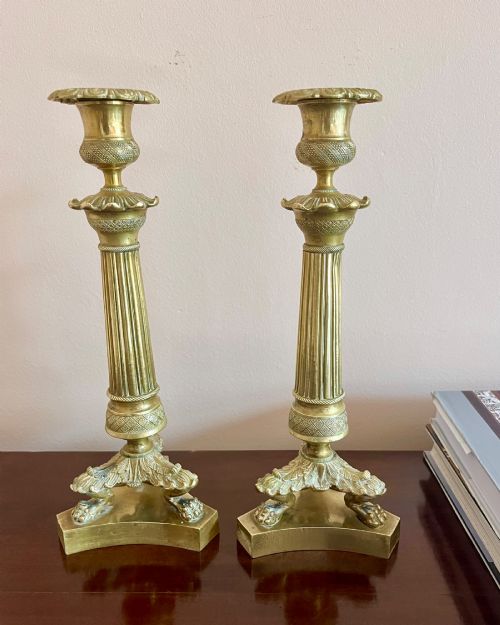
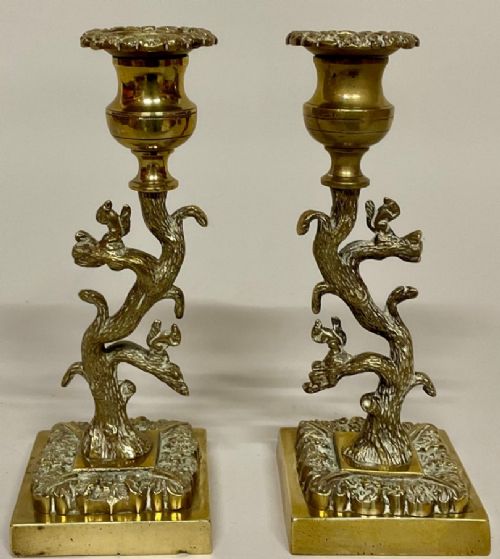
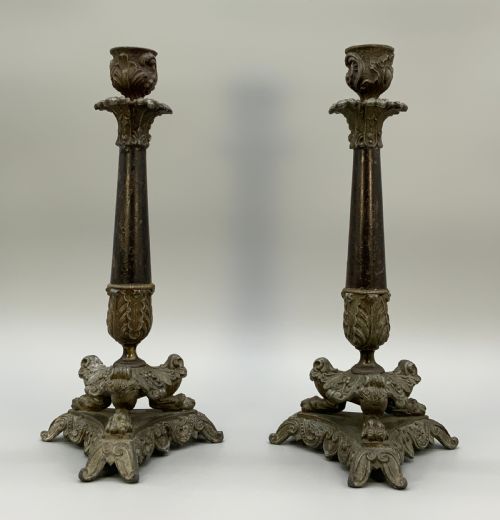
Later nineteenth and twentieth-century production embraces bronze, ormolu, and pewter, sometimes paired with tortoiseshell, marble, or cold-painted spelter. Stylistic surface detail emerges through lost-wax casting, chased highlights, or applied motifs such as flora and fauna.
Squirrels clamber among cast bronze tree branches on Regency candlesticks, bringing woodland life straight to the dining table.
Design and execution
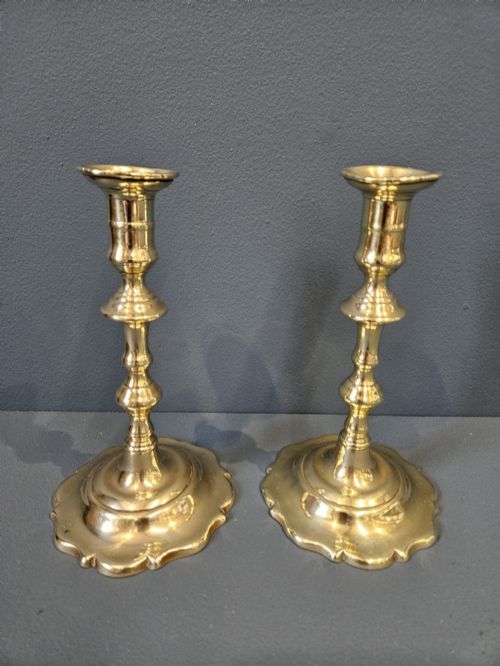
Quality rests in the crispness of the casting and the integrity of the original components rather than mere weight or brightness. Superior examples display sharply defined petal bases, well-proportioned campana sconces, and balanced matching pairs without later alterations or mismatched parts.
The sophistication of the design dictates distinction, separating standard domestic brass from sculptural gilt bronze or marked designer pewter pieces. Surface patination achieved through age and handling preserves the integrity of the metalwork.
ARCHIBALD KNOX
The Pair Metal Candlesticks Glossary
- Ejector candlestick
- A lighting device fitted with an internal sliding stem designed to push out spent candle stubs. This mechanism simplifies cleaning and dates many eighteenth-century brass pieces.
- Ormolu
- Finely ground high-carat gold applied to a bronze base through a mercury amalgamation process. This technique imparts a rich golden sheen common on French decorative items.
- Pricket candlestick
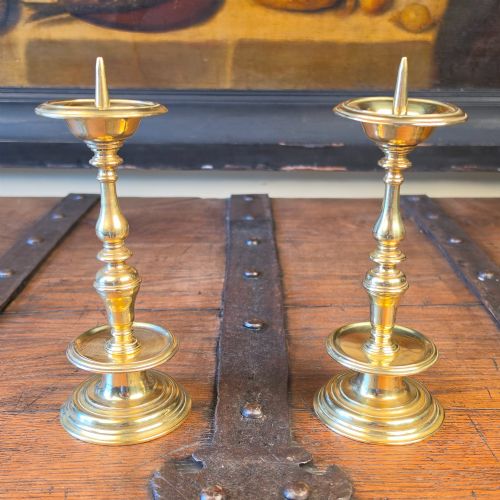
- A spike upon which a candle is mounted rather than a socket that holds the base. These relate to ecclesiastical or early domestic traditions.
- Bell metal
- A hard alloy of copper and tin traditionally utilised for bells. It yields a resonant tone when struck and appears frequently in early lighting.
Pair Metal Candlesticks: Frequently Asked Questions
How do I date a brass candlestick?
Dating relies on construction methods such as seamed shafts, base shapes like petals or squares, and the presence of ejector mechanisms. Earlier pieces often show multi-part casting.
Style shifts from Queen Anne baluster profiles to Georgian columns and nineteenth-century revival or art movements provide further chronological markers.
What is the difference between ormolu and brass?
Brass is an alloy of copper and zinc with a natural golden hue that develops a darker patina over time. Ormolu involves applying gold to a bronze substrate.
This gilded surface retains a bright, luxurious finish distinct from the warmer, more subdued tones of polished or unpolished brass.
How were chambersticks used?
Chambersticks feature a wide catch-pan and a loop handle designed for carrying a candle safely through dark hallways and up stairs. They served domestic lighting needs before permanent electrical wiring.
The wide saucer collected dripping wax while users moved between rooms.
Are pewter candlesticks durable?
Pewter is a softer metal alloy composed primarily of tin, which means it bends or marks more easily than brass or bronze. Care is required during handling to avoid denting the sconces or stems.
Despite this softness, pewter items from the Victorian and Art Nouveau periods survive well when treated with appropriate gentleness.