







Pair Imari Porcelain Chargers
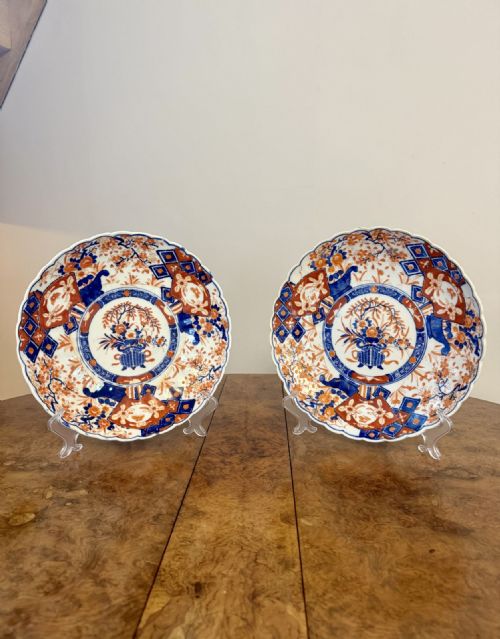
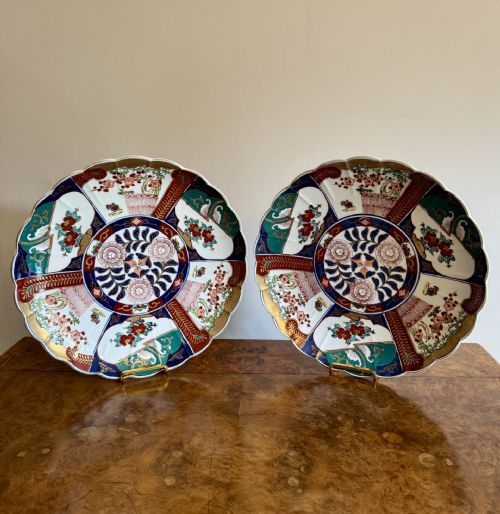
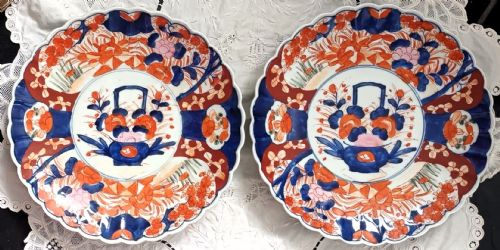
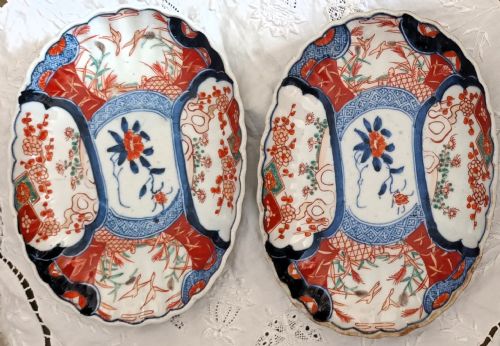
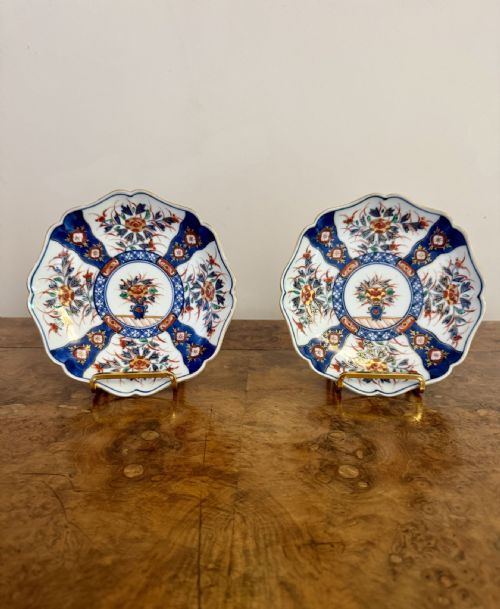
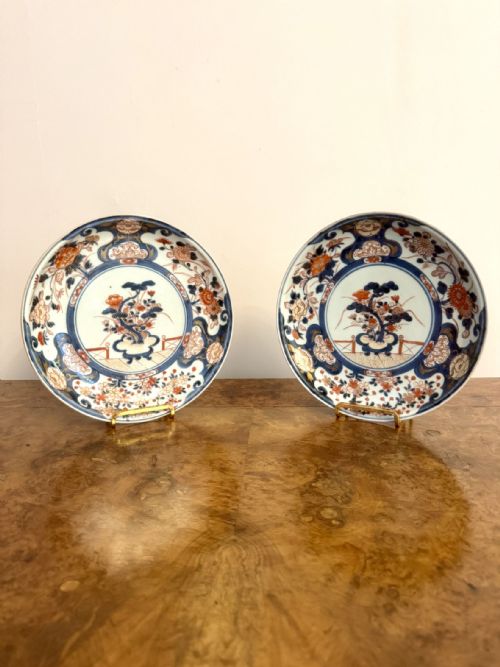
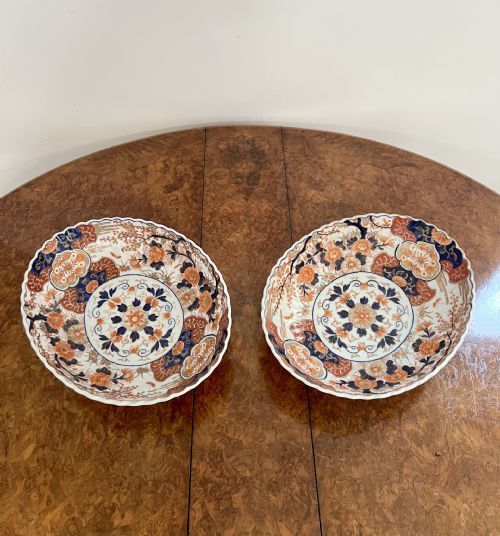
Pair imari porcelain chargers are striking decorative centrepieces defined by rich cobalt pigment and enamel glaze.
Pair Imari Porcelain Chargers
When you search for pair imari porcelain chargers, you encounter large decorative plates and display dishes made primarily in Japan during the Meiji period and the nineteenth century. These items typically measure significantly larger than standard tableware, designed for visual impact on walls or tables.
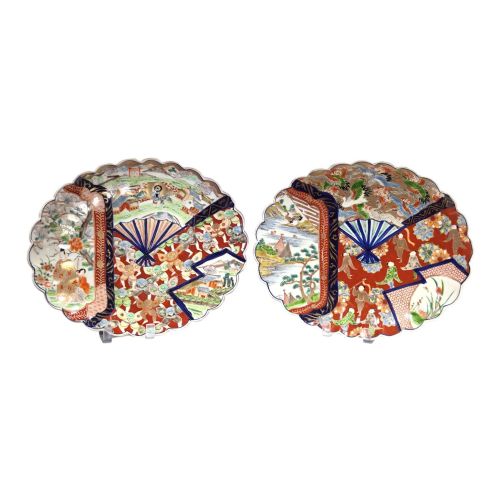
The selections available here lean heavily toward Japanese production, alongside occasional Chinese export examples and nineteenth-century English interpretations bearing date marks. Forms range from simple round chargers to scalloped edge bowls and decorative platters depicting subjects such as the Seven Lucky Gods and exotic birds.
The chronological span reaches from eighteenth-century Edo and Qing dynasty pieces through to early twentieth-century variations. Buyers most frequently meet nineteenth-century Meiji period Japanese examples featuring traditional hand-painted patterns.
How they were made
The foundation of these pieces rests on white ceramic porcelain shaped into large plates and bowls. Artisans applied cobalt pigment under the glaze to create the deep blue elements characteristic of the tradition.
Overglaze enamel colours, frequently including iron red and supplementary pigments, were added on top of the fired glaze. Many examples incorporate gold leaf and detailed gilding to accent the painted motifs.
Hand painting forms the core of the decoration across the Japanese and Chinese examples seen in this collection. Firing techniques fused the enamel glaze and ceramic body together under high temperatures.
Pair Imari Porcelain Chargers Retail Price Guide 2026
Typical asking prices for pair imari porcelain chargers among the pieces listed under this phrase on Sellingantiques today, from the lower quarter to the upper quarter. They describe what is for sale here now, not the wider market.
Listings feature Japanese Meiji period examples alongside eighteenth-century Edo items and nineteenth-century English ceramic interpretations.
What varies in quality
The distinction between ordinary and superior pieces rests on the precision and complexity of the hand painting. Finer chargers display crisp linework in the cobalt pigment and finely detailed brushwork on subjects like birds and figures.
The application of gold leaf and overglaze enamel colours contributes heavily to the overall visual depth. Better examples maintain vibrant colour saturation and precise registration where multiple pigments overlap on the porcelain surface.
Scale and ambition of the form also dictate standing, with large scalloped chargers and complex pictorial scenes representing the upper end of the selection.
The Pair Imari Porcelain Chargers Glossary
- Imari
- A style of Japanese porcelain decorated in underglaze blue, iron red, and gilt. The name derives from the port from which these wares were shipped to Europe.
- Charger
- A large decorative plate traditionally used for ceremonial display rather than dining. These pieces measure considerably larger than standard dinner plates.
- Meiji Period
- The era of Japanese history lasting from 1868 to 1912. Many of the decorative items from this time exhibit meticulous hand-painted details.
- Cobalt Pigment
- A metallic oxide used to produce deep blue underglaze decoration on ceramic bodies. It withstands the high temperatures required for porcelain firing.
- Enamel Glaze
- Coloured glass paste applied over a fired glaze and heated again to fuse with the surface. This technique provides the vibrant reds and secondary colours found on these dishes.
Pair Imari Porcelain Chargers: Frequently Asked Questions
How were pair imari porcelain chargers used?
These large plates served primarily as decorative display items on walls, sideboards, or large tables rather than for serving food.
Their substantial size and vibrant hand-painted designs made them prominent focal points in nineteenth-century interiors.
How do I clean antique porcelain chargers?
Dust these items gently with a soft, dry cloth to prevent accumulation on the textured enamel and gilt surfaces.
Avoid immersing them in water or using modern cleaning agents, as harsh chemicals can damage the overglaze enamel and gold leaf.
How do I distinguish Meiji period pieces?
Meiji period chargers often exhibit distinct Japanese motifs such as exotic birds, floral arrangements, and traditional figures rendered in vibrant enamel glaze.
They frequently date between the late nineteenth century and early twentieth century, showing refined hand-painted execution.