
Pair Giltwood Wall Mirrors
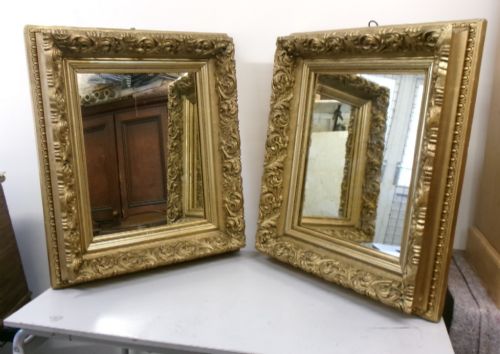
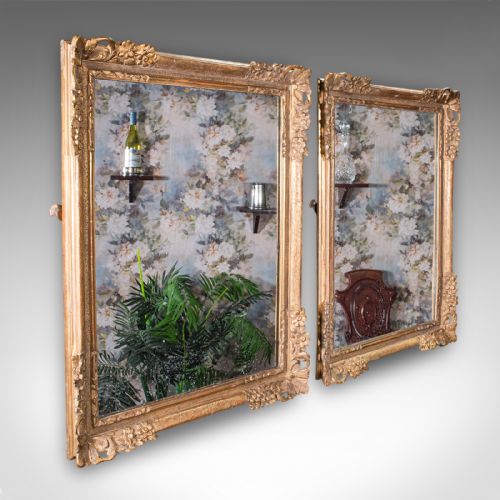
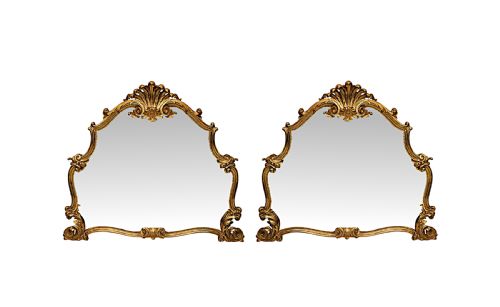
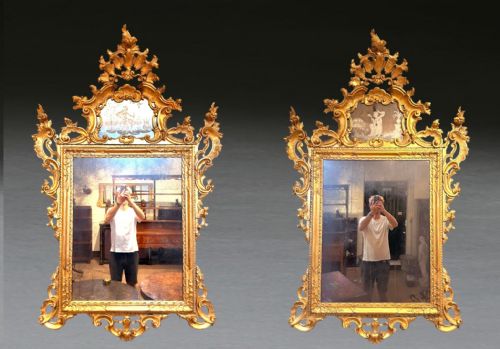
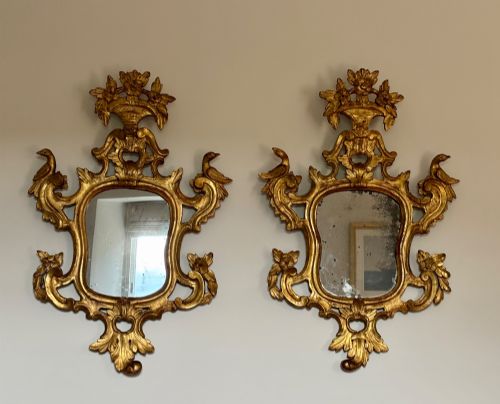
Pair giltwood wall mirrors bring symmetry and reflective light to a room, spanning 18th century origins to revival periods with carved frames.
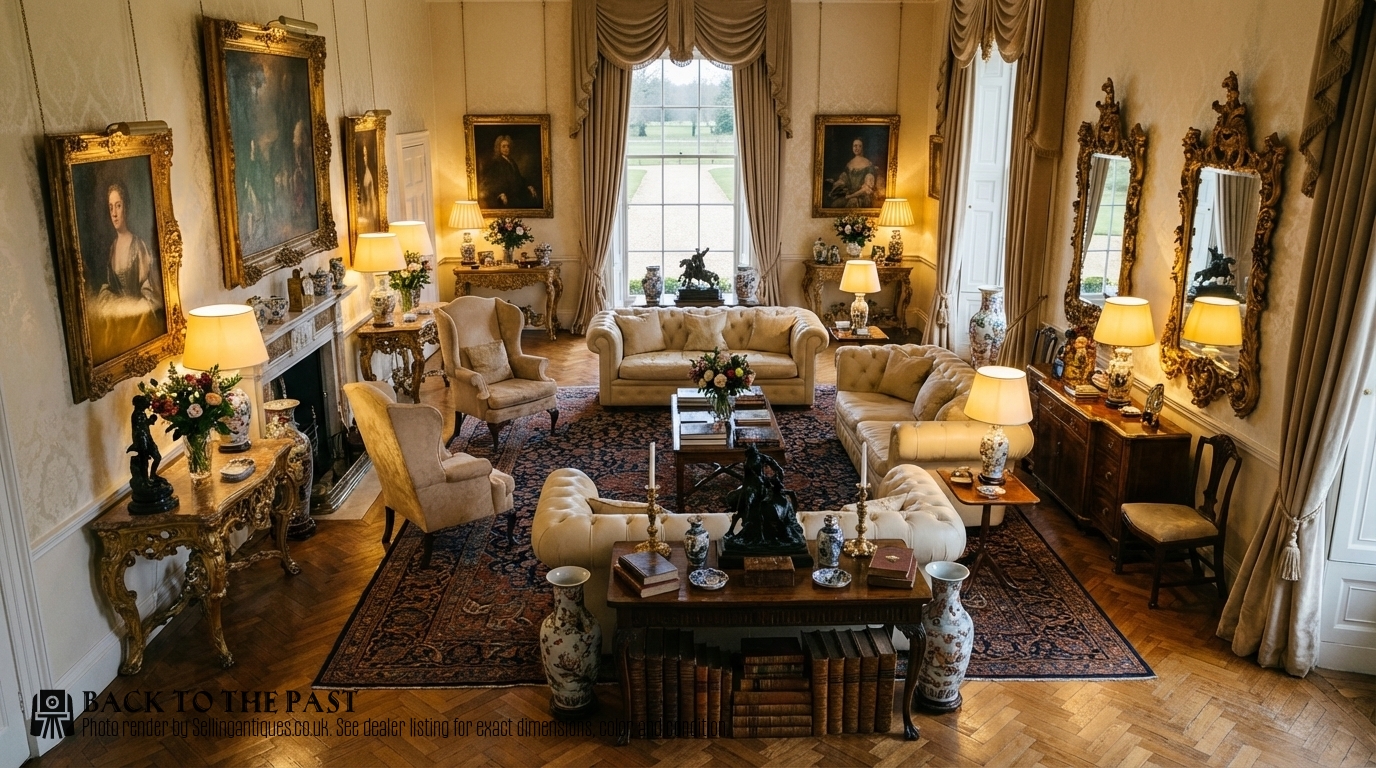
Pair Giltwood Wall Mirrors
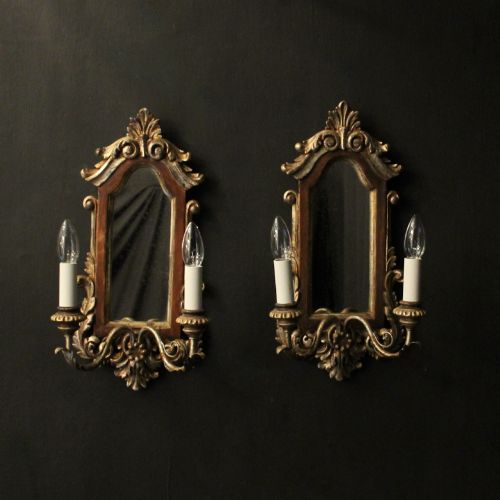
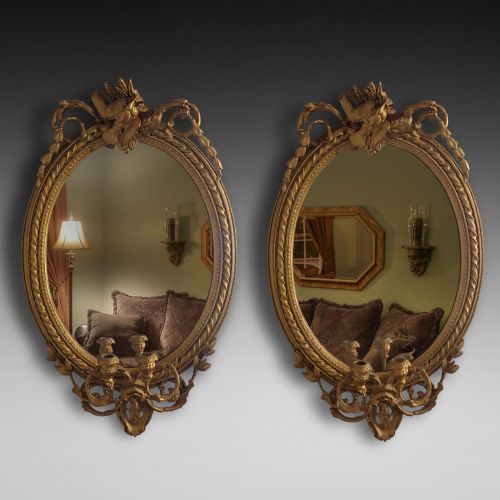
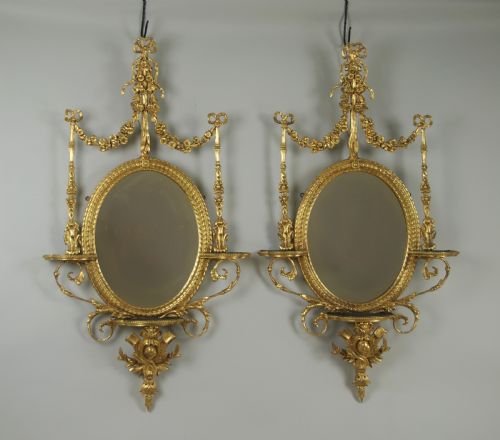
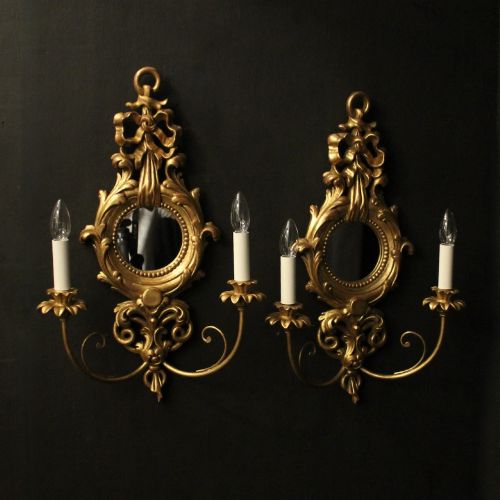
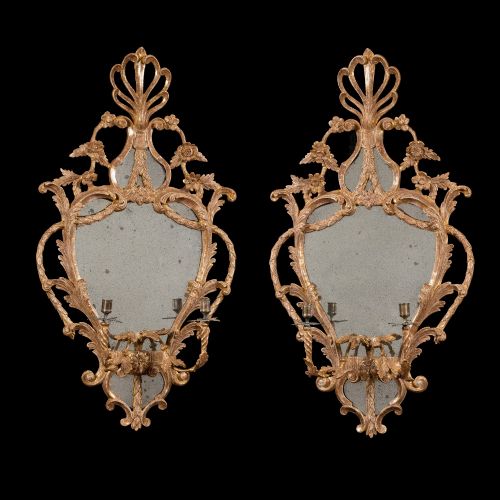
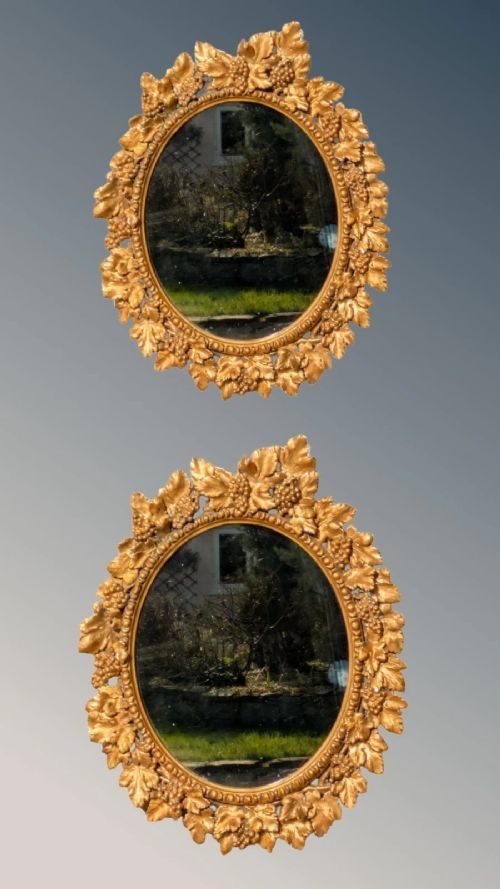
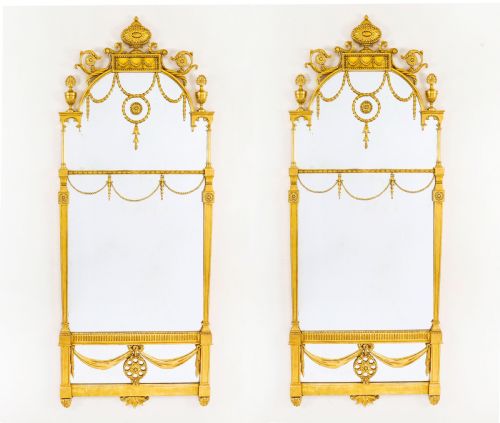
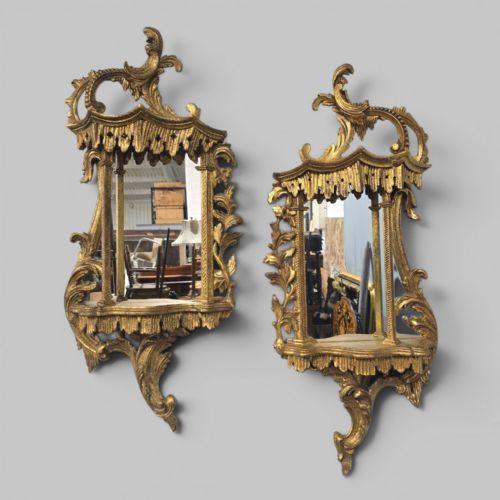
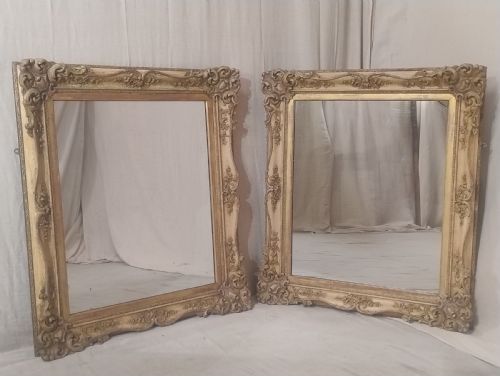
When searching for pair giltwood wall mirrors, buyers encounter matched sets designed to hang in balance across a mantelpiece, pier, or wall. These items range from grand Italian and French girandoles with candle sconces to simple oval frames from the Regency and Victorian eras.
The selection includes specific regional interpretations such as Venetian cartouche designs, Florentine carved frames, and English Adam or Chippendale revival pieces. Most examples on offer date from the 19th century, drawing upon earlier Rococo, Baroque, and Neoclassical vocabularies.
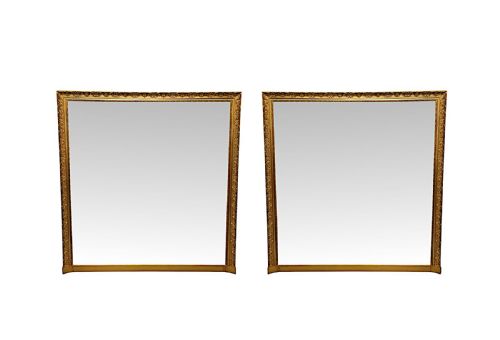
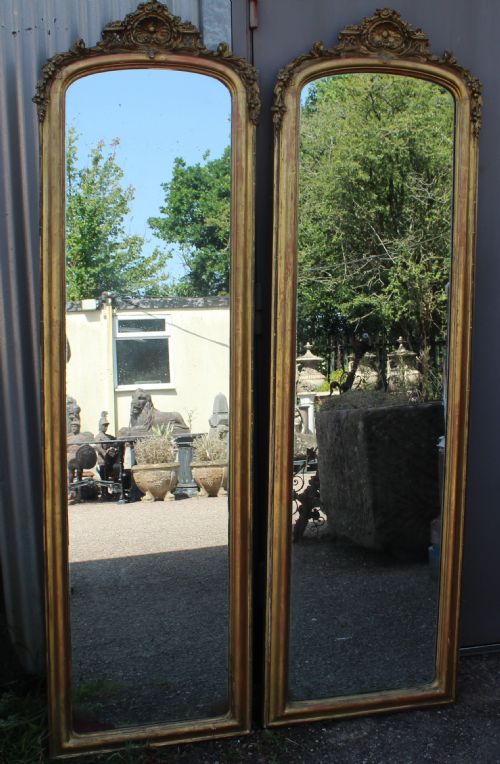
Formats vary from tall pier glasses meant for narrow wall spaces between windows to broad overmantels and compact miniature ovals. Many incorporate display brackets or candle arms, serving both decorative and functional roles in historic interiors.
How they were made
Makers carved wooden frames from soft timbers like pine or walnut, applying layers of gesso to build up intricate relief details before gilding. Gold leaf was laid over a prepared bole, while composition ornaments moulded from putty provided repeatable decorative motifs.
Mirror glass in older examples was cast or blown, often featuring bevelled edges and slight imperfections that catch the light unevenly. Pierced carving, gesso moulding, and parcel gilding defined the surface finish across different revival styles.
Pair Giltwood Wall Mirrors Retail Price Guide 2026
Typical asking prices for pair giltwood wall mirrors among the pieces listed under this phrase on Sellingantiques today, from the lower quarter to the upper quarter. They describe what is for sale here now, not the wider market.
Some girandoles hid candle arms that doubled the room's illumination while owners dined beneath their flicker.
What varies in quality
The depth and sharpness of the hand-carved relief distinguish finer frames from simpler moulded composition pieces. Crisp undercut foliage and scrollwork demonstrate superior workshop execution compared to softer, flattened cast ornament.
The integrity of the original gold leaf surface and the presence of period mirror glass contribute significantly to a piece's standing. Frames retaining their original gilding without heavy overpainting or later re-bronzing hold greater authenticity.
Strahan of Dublin·Butti and Son
The Pair Giltwood Wall Mirrors Glossary
- Giltwood
- Wood coated with gold leaf or gold paint. This technique created a brilliant reflective surface popular in formal rooms.
- Gesso
- A plaster mixture applied to a wooden frame as a base for carving and gilding. It allowed makers to create sharp decorative details.
- Girandole
- A decorative wall mirror featuring attached candle sconces. These arms held candles to multiply the light in a candlelit room.
- Pier glass
- A tall, narrow mirror designed to hang on the wall space between windows. They often sat above small console tables or pier tables.
- Composition
- A moulded mixture of whiting, resin, and glue pressed into decorative ornaments. It provided a faster alternative to hand carving.
- Cartouche
- An ornamental frame resembling a scroll or folded paper, often with a central shield. This motif appeared frequently in Rococo designs.
Pair Giltwood Wall Mirrors: Frequently Asked Questions
Where should I hang pair giltwood wall mirrors?
These mirrors work best when placed symmetrically, such as flanking a fireplace mantel, framing a doorway, or positioned above matching console tables.
Placing them opposite a window helps maximise natural light and creates a sense of expanded space in a room.
How do I date a giltwood mirror?
Dating relies on examining the construction of the wooden frame, the composition of the gesso, and the style of the carving. Regency, Victorian, and 18th century pieces each employ distinct ornament and assembly methods.
The mirror glass itself, if original, often shows characteristic foxing, distortion, or thickness variations typical of its period of manufacture.
What is the difference between a girandole and a pier mirror?
A girandole incorporates integrated candle arms or sconces attached to the frame, designed to reflect candlelight into the room. They were popular in formal Italian and English interiors.
A pier mirror is typically tall and narrow, built specifically to hang on the solid wall pier between two windows.
How should I clean and care for antique giltwood?
Giltwood surfaces require gentle dusting with a soft, dry brush to avoid damaging the delicate gold leaf or gesso layers. Moisture and chemical cleaners should be kept away from the surface.
Glass panels can be cleaned using a minimal amount of glass cleaner applied to a cloth rather than sprayed directly onto the glass, preventing liquid from seeping behind the frame.