
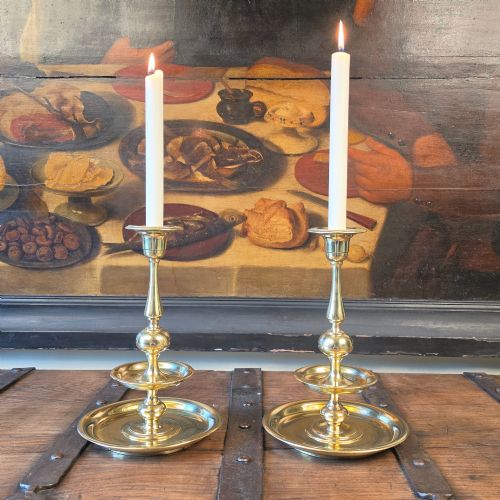
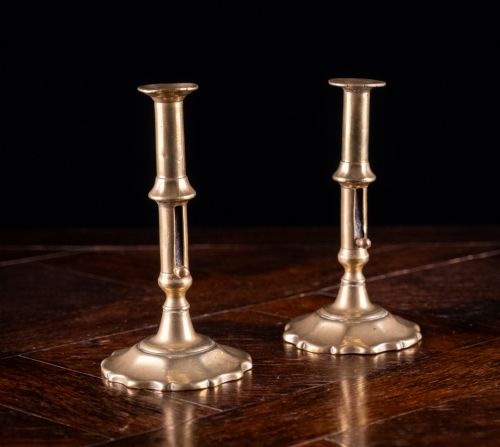
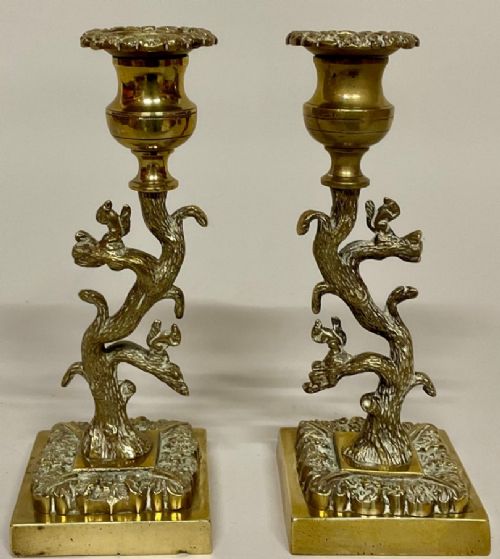
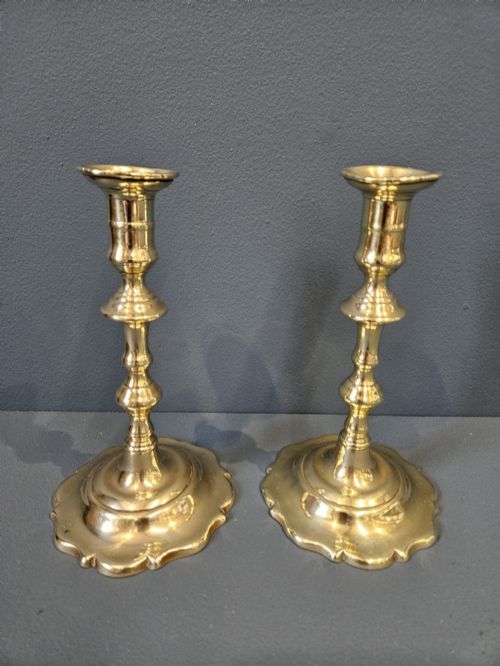


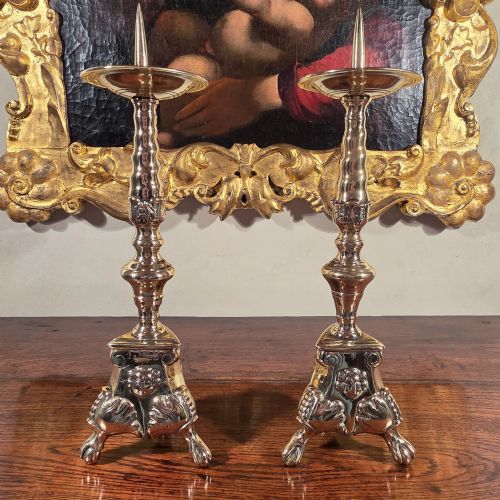

Pair Georgian Brass Candlesticks
When searching for pair georgian brass candlesticks, buyers find cast lighting equipment designed to illuminate domestic interiors during the eighteenth and early nineteenth centuries.
Pair Georgian Brass Candlesticks
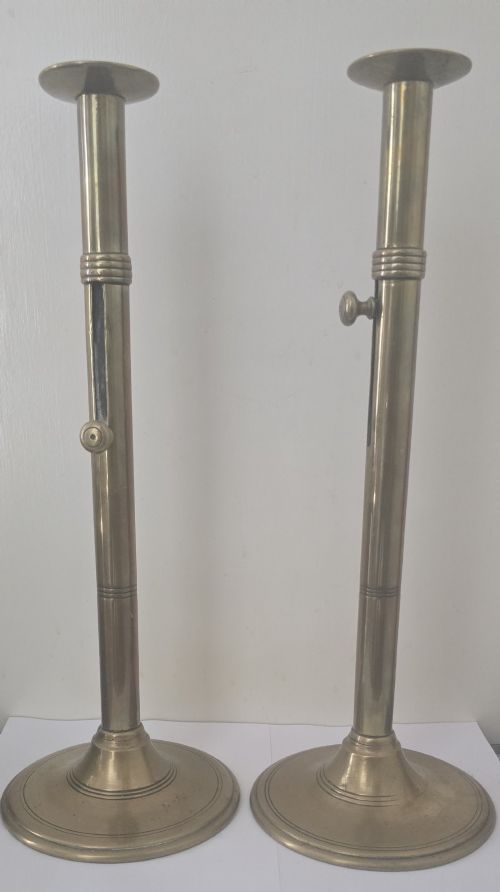
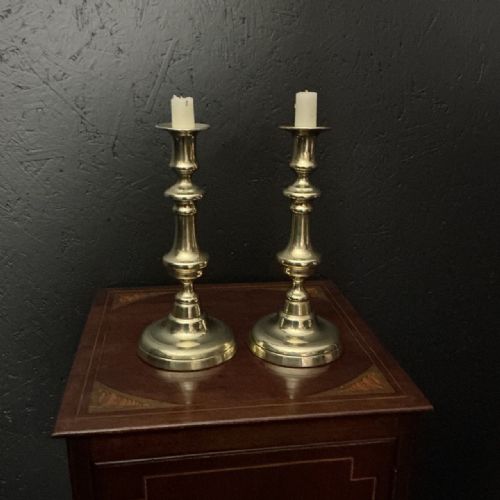
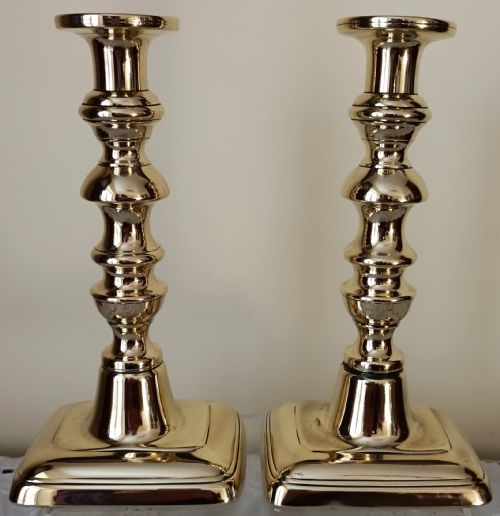
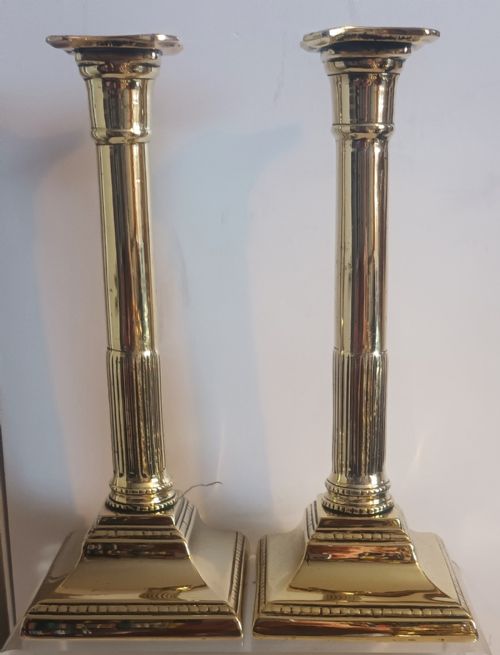
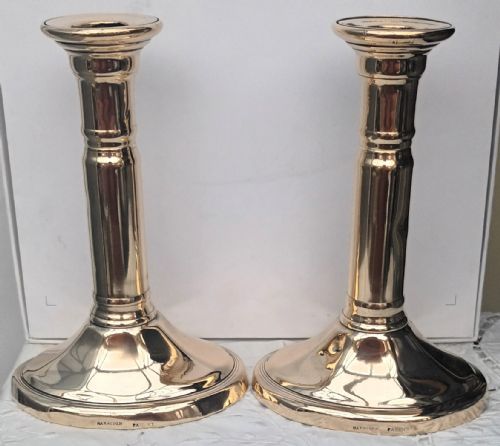
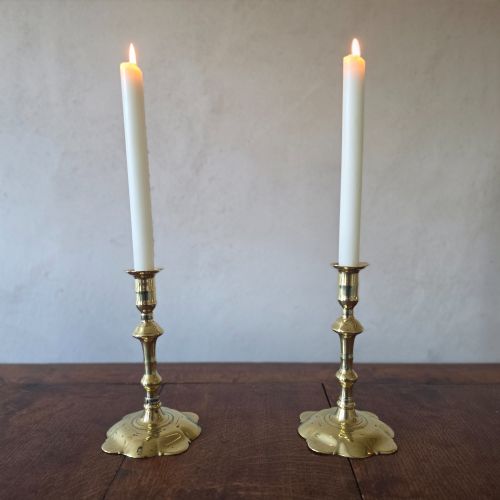
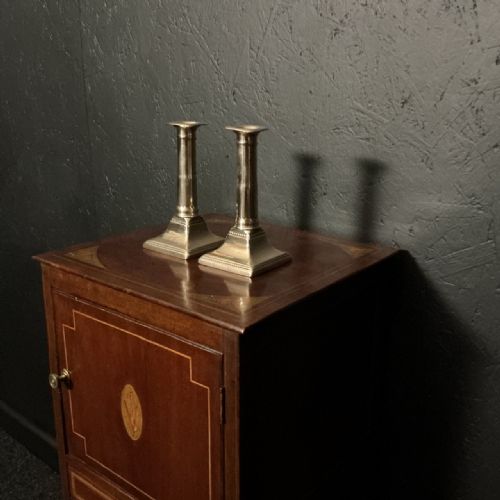
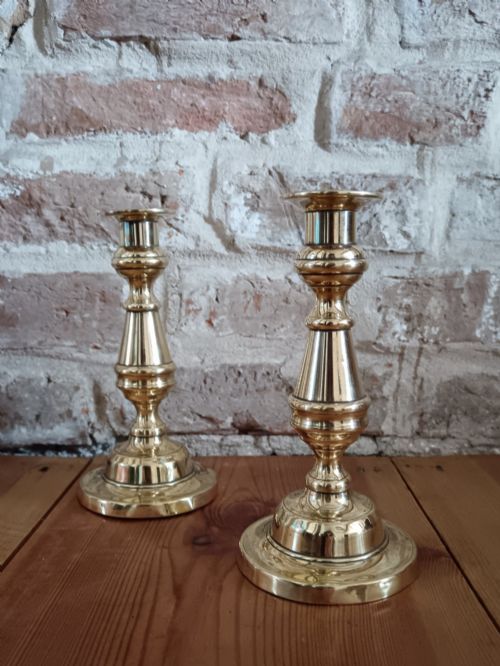
When looking for pair georgian brass candlesticks, collectors examine lighting implements produced across the eighteenth and nineteenth centuries, including George II, George III, and Regency periods. The forms range from plain columns and petal bases to ecclesiastical designs with side ejectors or telescopic mechanisms.
The objects on this page originate primarily from domestic settings where wax candles provided illumination before widespread gas and electric lighting. Workshops produced matching pairs for mantelpieces, dining tables, and sideboards, utilising standard casting and turning methods of the era.
How They Were Made
Foundries formed the main shafts and bases using brass, bell metal, and gunmetal alloys poured into sand or loam moulds. Workers then mounted the cooled components on lathes to refine the profiles and cut socket threads.
Many examples incorporate seamed construction where distinct socket, stem, and base sections join together. Telescopic variants and pieces with side ejectors include internal components designed to push remaining wax stubbing upwards for removal.
Listings feature brass, bell metal, and gunmetal alloys shaped into columns, petal bases, and telescopic forms.
What Varies in Quality
The crispness of cast detail distinguishes workshops, particularly on petal bases, neoclassical motifs, and sculptural branches featuring animals. Sharply defined mouldings indicate fresh tooling, whereas worn surfaces suggest repeated casting from older patterns.
Substance and balance define the build, separating heavier cast items from lighter spun alternatives. Original components, matching heights, and intact ejector mechanisms preserve the integrity of the pair.
J.T. & Co·Harrison Patent·J. Miller·Edward Kendrick
The Pair Georgian Brass Candlesticks Glossary
- Ejector
- A concealed internal mechanism operated by a thumbpiece on the side of the stem to raise spent candle waste out of the socket. This device helps clear stubborn wax without damaging the surrounding metal.
- Petal base
- A scalloped or lobed foot shape resembling unfolding flower petals, common on mid eighteenth century examples. This decorative form adds stability while keeping the footprint compact.
- Bell metal
- An alloy of copper and tin yielding a resonant bronze-like material used for certain cast items. It provides durability and a distinct golden tone compared to standard brass formulations.
- Column
- A stem turned or cast in the architectural order of a classical column, often featuring a fluted shaft and stepped square plinth. These designs reflect the neoclassical taste prevalent during the late Georgian period.
- Pricket
- A spike projecting upwards from the drip pan to impale large wax or tallow candles rather than holding them within a socket. This form appears frequently on ecclesiastical or altar lighting.
Pair Georgian Brass Candlesticks: Frequently Asked Questions
How do I clean antique brass candlesticks?
Maintenance requires soft cloths to remove dust without disturbing the aged surface patination. Harsh chemical polishes strip the natural oxidation built up over centuries.
Preserving the original metal colour involves minimal intervention. Gentle dusting keeps the brass secure against atmospheric grime.
Were these made as pairs originally?
Foundries cast many domestic lighting items in matching pairs for balanced placement on mantelpieces and dining tables. Slight variations in casting height or base dimensions occasionally indicate matched sets assembled later.
Examining the turning marks and alloy composition helps confirm whether two pieces originated from the same production run. True pairs share identical proportions and wear patterns.
What is a telescopic candlestick?
Telescopic examples feature a sliding inner stem that adjusts the overall height of the candle nozzle. This mechanical arrangement allowed users to alter illumination levels or accommodate shorter candle remnants.
Patents such as those by Harrison governed the internal slide mechanism. These adjustable items represent notable technical achievements in Georgian metalwork.
Can I burn modern candles in them?
Standard modern taper candles often require slight trimming or the use of paper inserts to fit older sockets securely. Ensuring stability prevents melted wax from running down the antique metal surface.
Careful measurement of the socket diameter prevents damage to the interior threads and ejector mechanisms. Pricket variations require candles with pre-drilled bases to sit upright on the spike.