

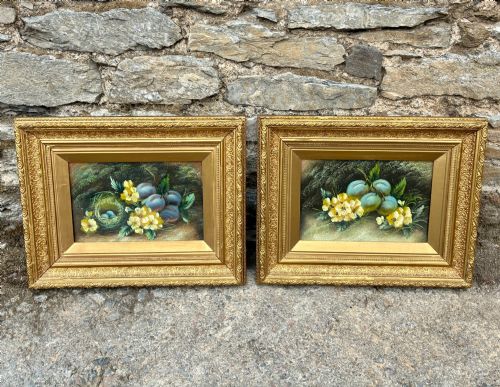
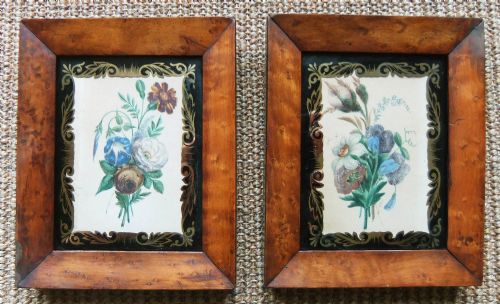
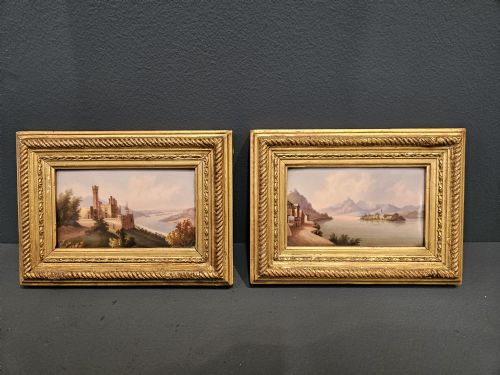

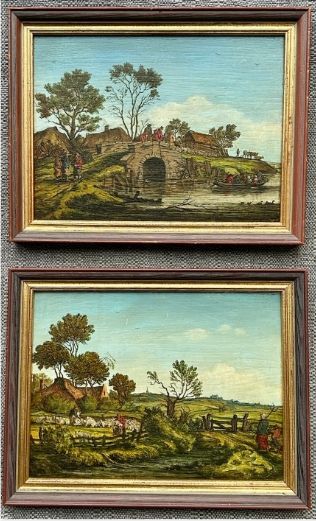

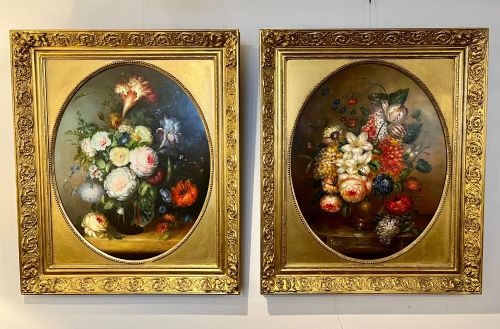
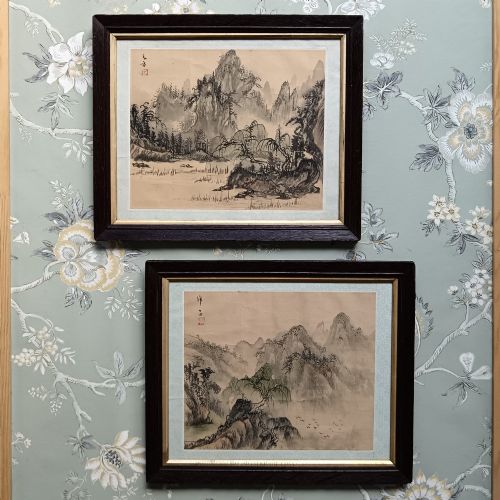
Pair Framed Wall Paintings
When you want symmetry and narrative on a wall, pair framed wall paintings deliver balanced compositions from past centuries.
Pair Framed Wall Paintings
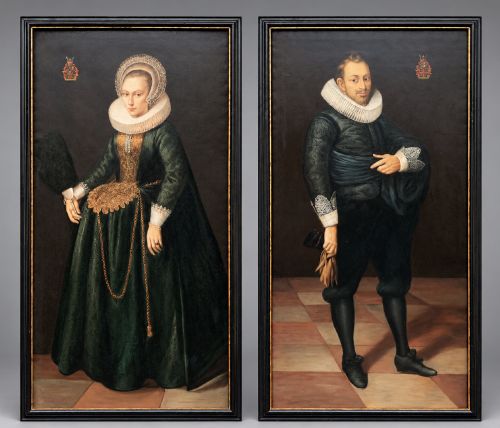
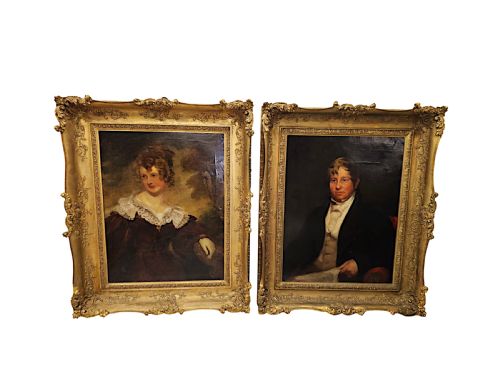
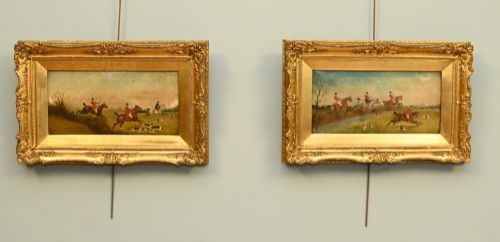
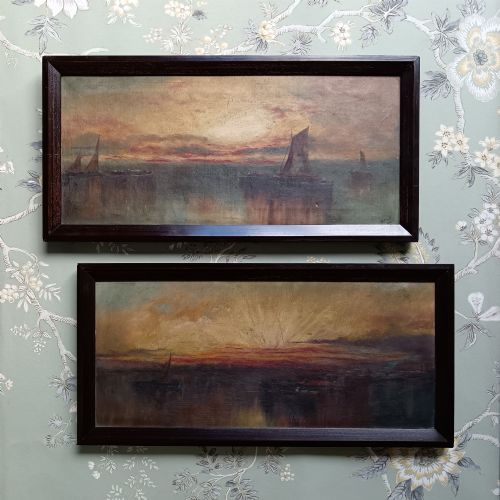
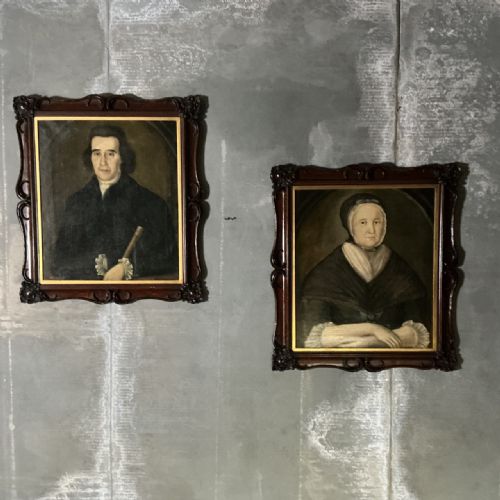
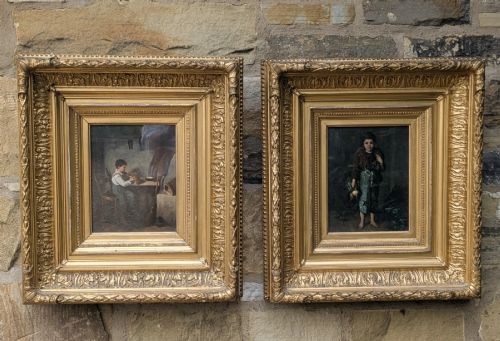
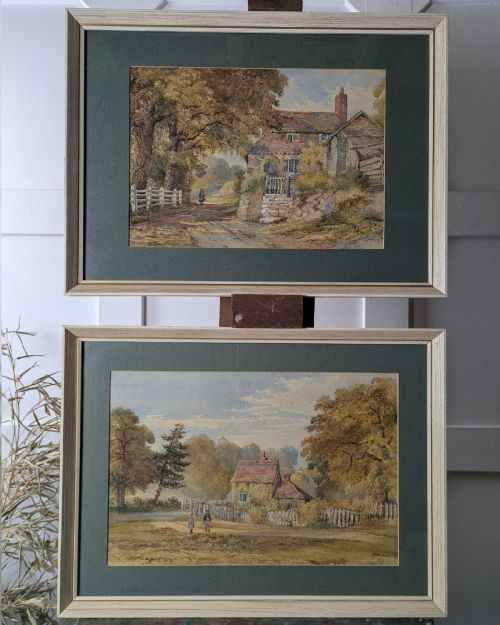
A search for pair framed wall paintings brings up dual works designed to hang together, balancing subjects from portraits to landscapes. You will encounter 18th century and 19th century items most frequently, spanning Victorian and Edwardian periods.
The format encompasses oil on canvas, watercolours, pastels, and porcelain plaques, often housed in period timber frames. Subjects range from classical myth and highland scenes to floral still lifes and domestic portraiture.
Materials and construction
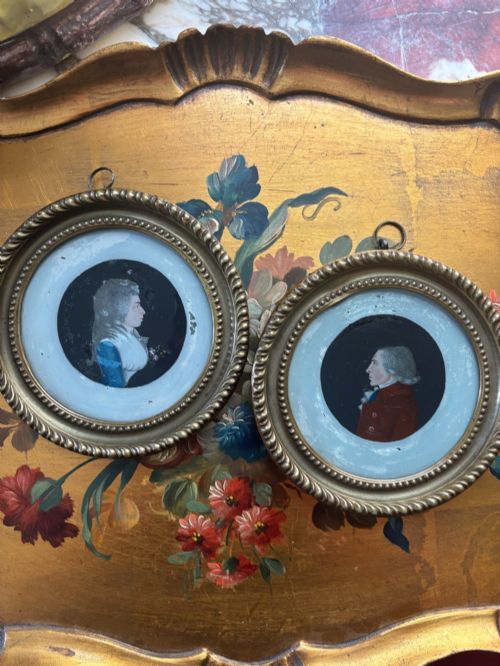
Canvases and wood panels receive layers of oil paint or gouache, whilst works on paper utilise watercolour and pastel techniques. Glazed pieces protect delicate pigments behind glass, sometimes employing reverse painting methods.
Frames rely on wood, gesso, and giltwood to create structured borders that complement the artwork within. Mouldings and carved details reflect the stylistic preferences of Georgian, Regency, and Victorian makers.
Pair Framed Wall Paintings Retail Price Guide 2026
Typical asking prices for pair framed wall paintings among the pieces listed under this phrase on Sellingantiques today, from the lower quarter to the upper quarter. They describe what is for sale here now, not the wider market.
Listings feature works created across the 18th and 19th centuries, utilising oil on canvas, watercolour, and reverse glass.
Factors of distinction
Execution and brushwork separate standard decorative items from fine art pieces, particularly in facial expressions and tonal depth. The fidelity of the matching pair ensures neither canvas overshadows its companion.
Frame originality and condition contribute heavily to the overall merit of the pairing. Retaining period frames with intact gesso and gilding elevates the integrity of the ensemble.
Cornelis van der Voort·Charles-Antoine Coypel·Theodore Jensen·Abraham Hulk I
The Pair Framed Wall Paintings Glossary
- Giltwood
- Wood that has been coated with fine gold leaf or gilt powder. This finish is typical of formal 18th and 19th century frames.
- Gesso
- A plaster mix applied to wood frames to create a smooth surface for gilding and moulding. It allows for intricate relief ornamentation.
- Reverse painting on glass
- A technique where the artist paints directly onto the back of the glass panel. When viewed from the front, the image reveals a glossy finish.
- Portrait miniature
- A small-scale painting designed for intimate display. These delicate pieces often feature subjects rendered with meticulous detail.
Pair Framed Wall Paintings: Frequently Asked Questions
How were pair paintings displayed originally?
Pairs were traditionally hung symmetrically on either side of a fireplace, doorway, or architectural feature in country houses and drawing rooms.
This placement created visual harmony and balanced the proportions of formal interior spaces.
Are matching frames original to the artworks?
Many pairs retain their original frames, particularly those housed in period giltwood or wood mouldings.
Matching frames ensure the visual weight of both pieces remains balanced on the wall.
What subjects are most common in these pairs?
Portraits of nobility and family members frequently appear as matching pairs, alongside landscapes and still life studies.
Artists often produced pendant works depicting complementary themes like sunrise and sunset or classical deities.
How do I care for antique painted panels?
Keep framed works away from direct sunlight and fluctuating humidity to protect canvas, wood panels, and watercolours.
Dust frames gently with a dry cloth and avoid using liquid cleaners on painted surfaces or glass.