



Tudor Style Oil Paintings
These tudor style oil paintings bring rich historical presence into a room, capturing the solemn gaze of early figures through layered brushwork and heavy gilt frames.
Tudor Style Oil Paintings
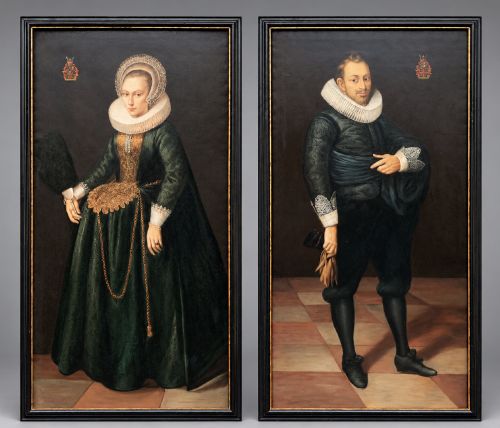
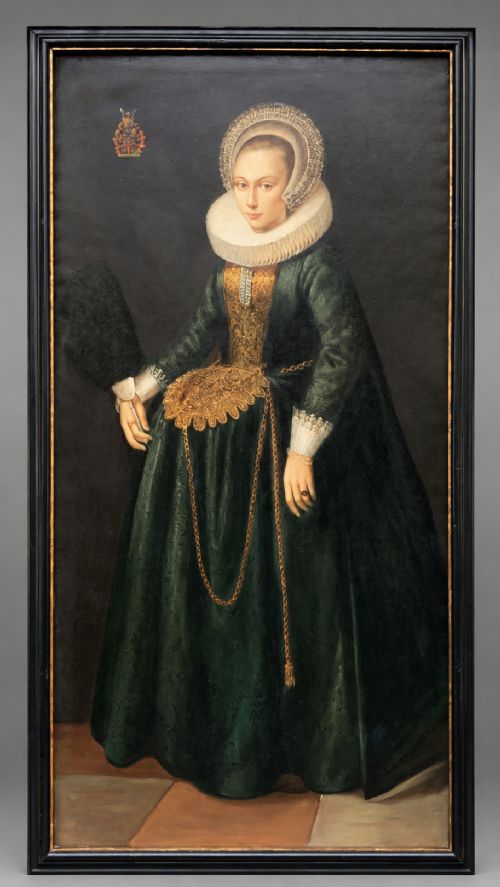
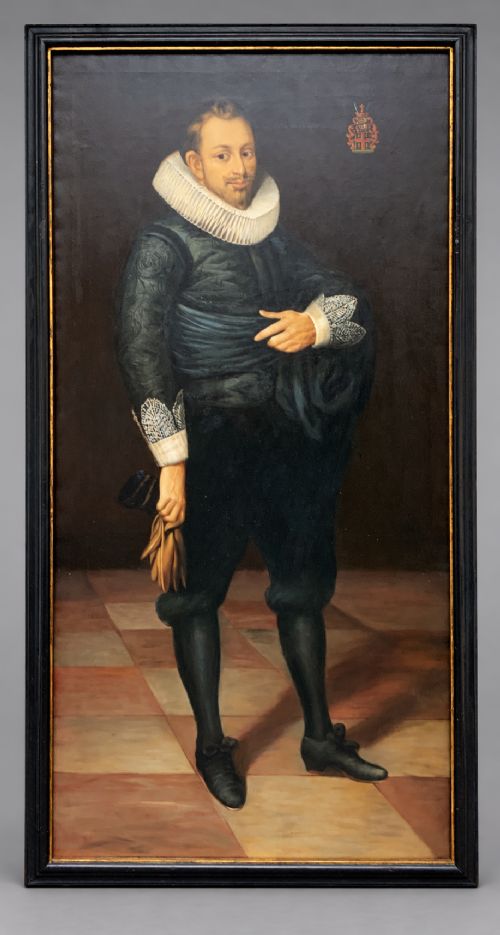
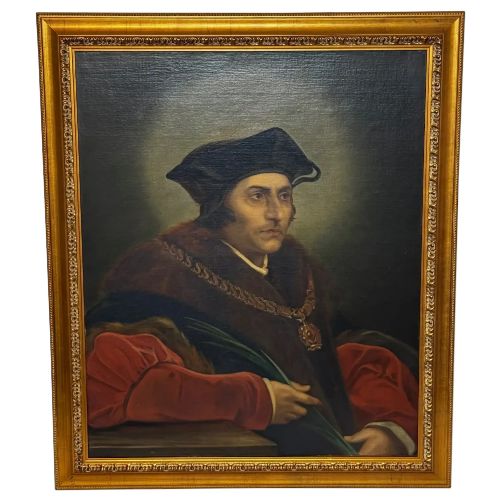
When you search for tudor style oil paintings, you encounter striking portraiture depicting English kings, noblemen and notable historical figures in formal attire. These works range from revival pieces created in the nineteenth and twentieth centuries to works originating from earlier periods.
The most common examples on this page are large revival portraits executed in the twentieth century, often modelled after notable Dutch and English masters. You also find historical genre scenes and seventeenth-century works that anchor the aesthetic firmly in the Renaissance tradition.
Subjects include prominent historical personages such as King Henry VIII, Sir Thomas More and Sir Francis Drake, rendered with stiff ruffs, dark doublets and ornate badges. These canvases offer a direct visual connection to Elizabethan and Tudor courtly life.
Materials and methods
These works rely on traditional oil paint applied to canvas or wood panels, building deep, subdued tones through multiple translucent glazes. The pigments capture the rich textures of velvet, fur and metallic embroidery characteristic of sixteenth-century dress.
Many of the canvases are housed in heavy wood frames, frequently enhanced with gold leaf, giltwood or ebonised wood details. These substantial surrounds complete the historical illusion and provide the necessary structural weight for large portrait formats.
Tudor Style Oil Paintings Retail Price Guide 2026
Typical asking prices for tudor style oil paintings among the pieces listed under this phrase on Sellingantiques today, from the lower quarter to the upper quarter. They describe what is for sale here now, not the wider market.
Listings span periods from the sixteenth century through the 1960s, employing oil on canvas, wood, giltwood and ebonised wood.
Assessing quality and execution
Quality also shows in the integration of the painting with its frame, where period-appropriate giltwood or ebonised surrounds complement the dark palette of the canvas. The depth of the oil layers and the preservation of the canvas surface dictate the visual resonance of the piece.
Cornelis van der Voort·Hans Holbein·Alfred Holst Tourrier·John Bettes the Elder
The Tudor Style Oil Paintings Glossary
- Oil on Canvas
- Pigment mixed with drying oil applied to a woven fabric support. This combination allows for smooth blending and deep tonal graduation.
- Giltwood
- Wood that has been coated with a thin layer of gold leaf or gold paint. It provides a luminous, reflective border that contrasts with dark portraiture.
- Ebonised Wood
- Timber treated to resemble ebony, typically through staining or chemical darkening. It appears frequently in nineteenth- and twentieth-century revival frames.
- Tudor Revival
- An architectural and decorative style drawing inspiration from the Tudor period. In painting, it manifests as deliberate revivals of sixteenth-century portrait conventions.
- Historical Genre
- A category of painting depicting scenes from social history or narrative events. These works focus on everyday or dramatic moments within past eras.
Tudor Style Oil Paintings: Frequently Asked Questions
What periods do these paintings represent?
The selection spans authentic sixteenth- and seventeenth-century works alongside nineteenth- and twentieth-century revival pieces.
This mix allows you to choose between genuine historical artefacts and later artistic interpretations created in the same aesthetic tradition.
How should I hang a large portrait?
Large portrait canvases require substantial wall space and sturdy fixings to support their heavy wood and gilt frames.
They work best as focal points in rooms with high ceilings, echoing the grand scale of manor houses and historic interiors.
Are these works painted on canvas or wood?
The listings feature both oil on canvas and wood panel supports, depending on the age and specific tradition of the work.
Revival pieces tend to utilise canvas, while certain earlier examples employ wooden panel construction.
How do I care for an antique oil painting?
Protect the canvas from direct sunlight and maintain stable room humidity to prevent cracking in the paint and wood.
Dust the surface and frame gently with a dry, soft brush without applying liquid cleaners to the aged pigments.