




Seventeenth Century Style Painting
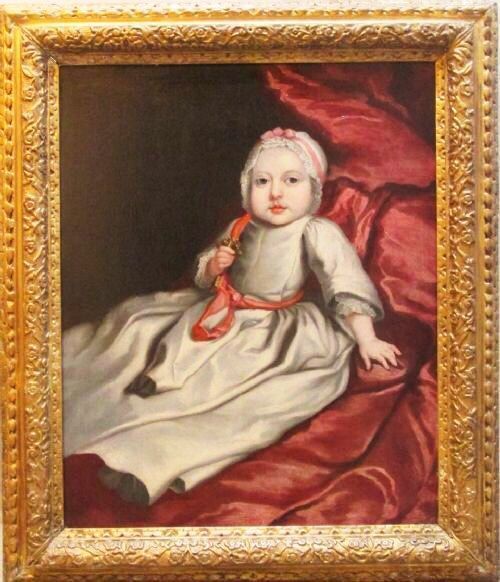
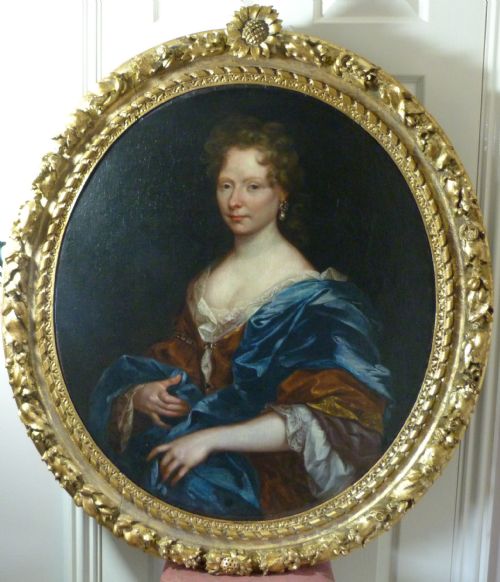
These seventeenth century style painting examples capture the drama, rich palettes and heavy frames of the Baroque era.
Seventeenth Century Style Painting
A seventeenth century style painting draws on the heavy, dramatic realism of the Baroque period, capturing subjects from nobility and mythology to still life. Buyers look for these works to bring a sense of history and deep, sombre tones into a room.
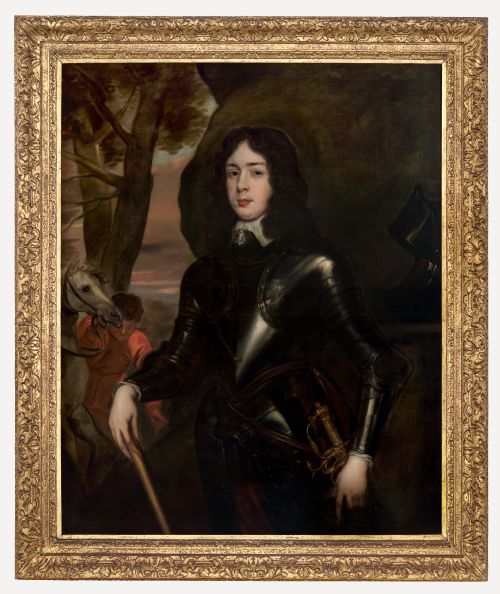
The selections available here range from portraits of noblemen and royalist officers to mythological scenes after Dutch and Flemish masters. Many of these pieces date from later periods such as the nineteenth century, reflecting sustained Victorian and later fascination with seventeenth century composition.
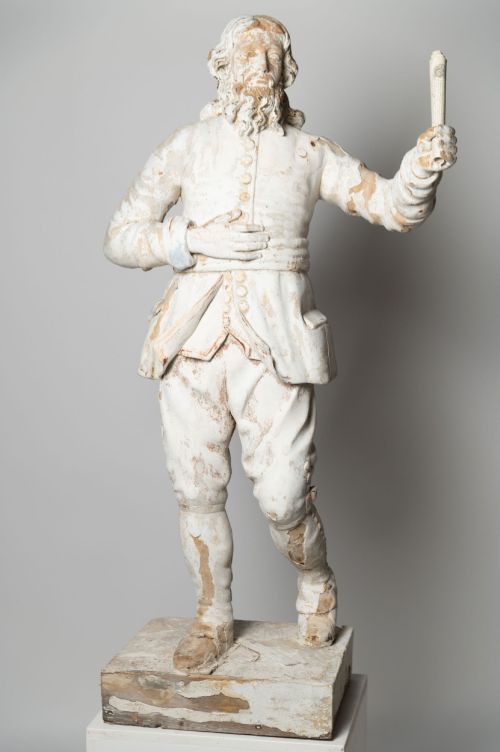
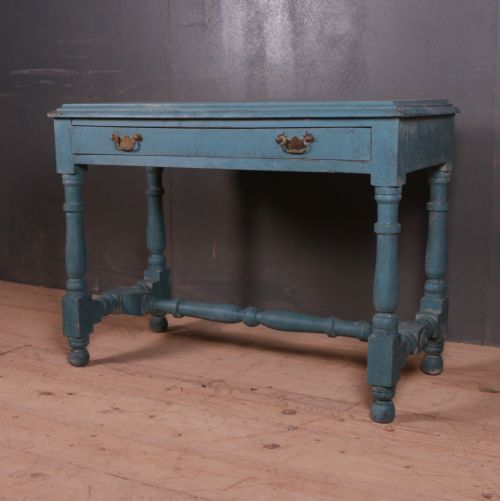
Alongside canvas works, the evidence shows related forms including painted wood and dresser bases, demonstrating how the aesthetic extended across material types. Most commonly, however, the buyer meets oil on canvas works rendered in the manner of northern European or Italian schools.
Materials and methods
Pigments applied in oil upon stretched canvas form the primary medium across these pieces, allowing artists to build deep shadows and rich highlights. This technique mirrors the traditional methods of seventeenth century workshops where layered glazes created luminous skin tones and dark backgrounds.
Giltwood and gold leaf frequently feature in the frames encasing these works, providing a bright contrast to the dark palettes of the paintings. Painted wood and brass also appear in related material records, supporting the heavier aesthetic of the period.
Listings incorporate oil on canvas, giltwood, and painted wood across styles spanning Dutch Golden Age and Victorian academic movements.
Judging quality
Quality rests in the handling of light and shadow, where skilled brushwork distinguishes a compelling study from a stiff copy. The depth of the canvas preparation and the finesse of the portraiture reveal the hand of a trained studio painter rather than a casual artisan.
The framing plays a substantial role, as period giltwood enhances the presence of the artwork while inferior modern replacements can diminish the visual weight. The cohesion between the canvas execution and the supporting frame determines the overall standing of the piece.
The Seventeenth Century Style Painting Glossary
- Baroque
- A style of European architecture, music, and art of the seventeenth and eighteenth centuries that followed Mannerism and is characterised by ornate detail. Painters of this style utilised intense contrast between light and dark.
- Giltwood
- Wood that has been covered with gold leaf or gold paint. This finish appears frequently on the heavy frames enclosing the paintings.
- Oil on canvas
- A painting executed in pigments suspended in drying oils, applied to a woven fabric support. This remains the dominant medium recorded in the listings.
- Follower
- An artist whose work closely imitates the style of a master without necessarily being a direct pupil. Many catalogued works are attributed to followers of major historical painters.
Seventeenth Century Style Painting: Frequently Asked Questions
Are these paintings from the seventeenth century?
Many works presented under this search are later interpretations, created in the nineteenth or early twentieth centuries by artists looking back to the Baroque era. Originals from the actual sixteen-hundreds do appear alongside academic copies and studio pieces.
Examining the canvas, stretcher frames and framing materials helps determine whether a work is a period piece or a later tribute.
What is a follower school?
A follower school designates artists working closely in the style, technique and subject matter of a major master like Rembrandt or Van Dyck. These painters adopted the compositional methods of their predecessors.
Such works offer the aesthetic of the great European masters while reflecting the period in which the later artist painted.
How do I hang a gilt framed oil painting?
These works require secure wall fixings due to the substantial weight of both the canvas and the traditional giltwood frames. Ensuring the wall hooks engage directly with structural studs prevents any shifting.
Placing the painting away from direct sunlight and excessive heat sources protects both the oil pigments and the delicate gold leaf on the frame.
What subjects are most common?
Portraits of nobility, military officers and figures in elaborate dress dominate the selections, alongside classical mythological scenes. Still life compositions featuring symbolic objects also recur in the records.
These subjects reflect the grand narrative traditions favoured by Dutch, Flemish and Italian schools of the Baroque era.