






Pair Column Plinths
Pair column plinths elevate sculpture and ceramics using stone and timber.
Pair Column Plinths
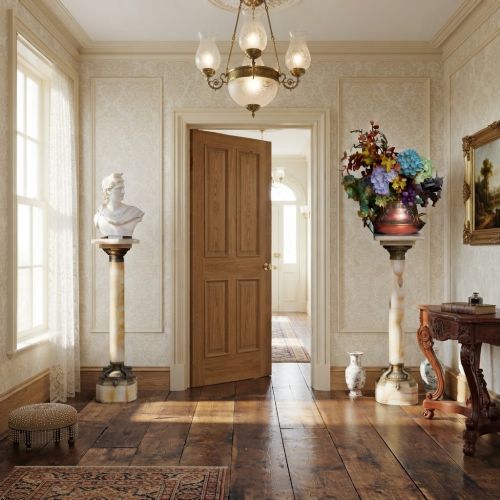
When you search for pair column plinths, you encounter display stands designed to support busts, urns, and plants in domestic and garden settings. The selections available span the nineteenth century through the early twentieth century, reflecting classical forms adapted for interior display.
Most examples function as architectural supports, appearing in stone, marble, and carved wood. These items range from grand proportions suited for hallways to lower stands intended for tabletops or intimate spaces.
The objects derive from periods including the Victorian era and the neoclassical revival, carrying regional influences from French workshops and English cabinet makers. They serve primarily to raise decorative items to eye level.
How they were made
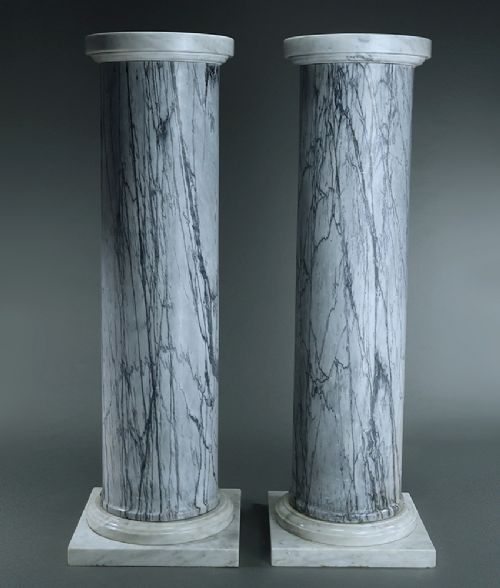
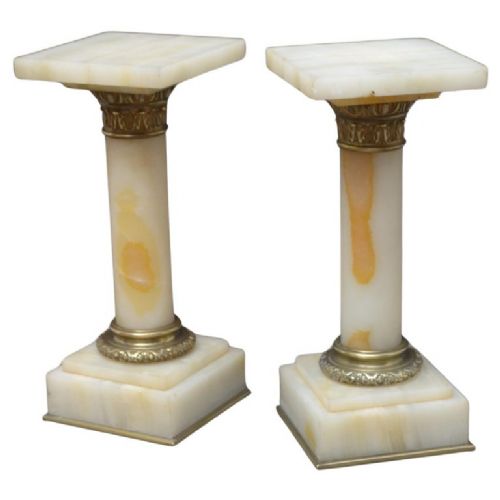
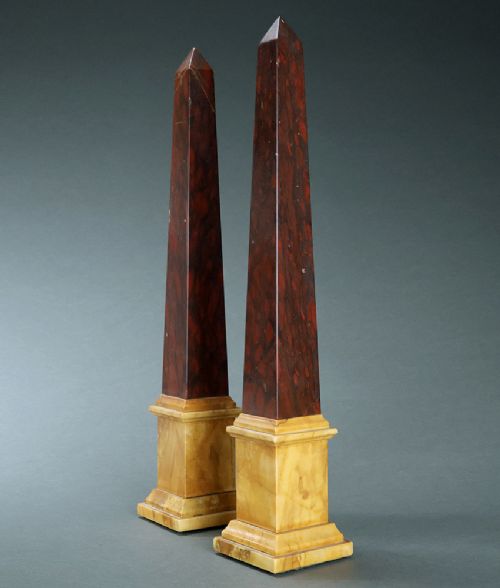
Makers utilised heavy stones such as Bardiglio, Carrara, onyx, and serpentine marble, frequently pairing them with cast bronze or ormolu collars and mounts. Stonework often involved turning on a lathe followed by hand polishing to reveal natural veining.
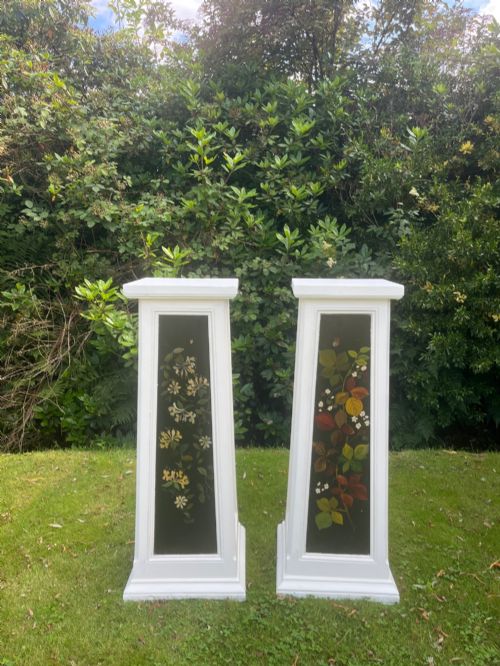
Wooden variants employ timbers like mahogany, satinwood, oak, beech, and amboyna, sometimes enriched with carved ebony or parcel gilt details. Joinery techniques include solid construction alongside simulated marble finishes applied to simpler woods.
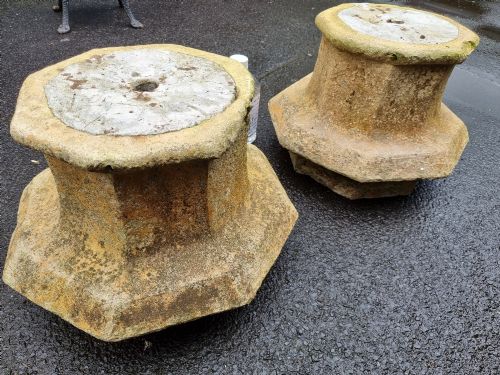
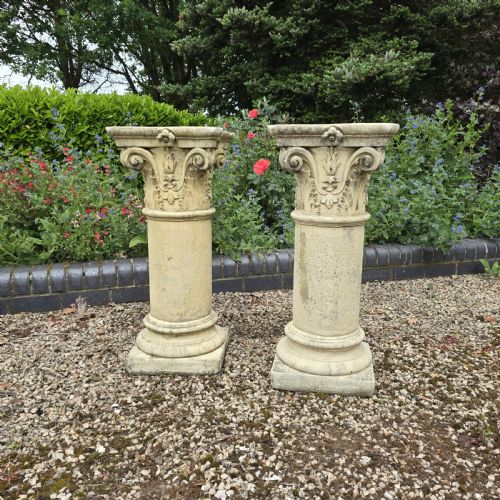
Alternative materials comprise cast iron, plaster, composite stone, and terracotta, often given painted surfaces or patination to mimic classical stone. These diverse mediums allowed makers to produce both robust garden planters and delicate interior torchere columns.
Listings feature materials spanning solid marble, carved mahogany, cast iron, and painted plaster across the nineteenth and early twentieth centuries.
What varies in quality
The grade of materials defines the upper tier of these pieces, particularly the selection of solid variegated marbles and richly figured exotic timbers over painted plaster or softwoods. Superior weight and geological variety in stones distinguish finer examples from standard production.
Execution of detail separates workshop output, seen in crisp carving on timber capitals or precise chasing on ormolu mounts compared to simpler cast surfaces. Harmony between the paired items determines visual success when they flank a doorway or fireplace.
Marguerite
The Pair Column Plinths Glossary
- Ormolu
- Gilded bronze mounts applied to furniture and decorative objects. This technique was widely utilised by nineteenth-century French makers to accent marble columns.
- Serpentine marble
- A green, mottled stone resembling serpent skin. It appears frequently in neoclassical columns and architectural mounts.
- Torcherere
- A tall stand designed to hold a light or a decorative vessel. These slender columns often support urns or figures in reception rooms.
- Scagliola
- A composite material made from selenite, glue, and pigments, mimicking natural marble. Artisans shaped this mixture to create decorative architectural elements without heavy stone.
- Parquetry
- Geometric patterns formed by fitting small pieces of wood together. This technique decorates the surfaces of select wooden pedestals.
Pair Column Plinths: Frequently Asked Questions
What were pair column plinths used for?
These supports held heavy marble busts, porcelain urns, and large botanical specimens within formal rooms and grand hallways. By elevating objects, they drew the eye to prized collections and sculptural works.
In domestic settings, matching pairs balanced architectural symmetry on either side of doorways, fireplaces, or large windows.
How do I live with these stands?
Position them where foot traffic will not risk knocking heavy stone or ceramic items placed on top. Ensure the floor surface provides adequate stability for dense marble or cast iron.
Pair them with complementary planters, bronzes, or lamps that match the scale of the column top. Keep them away from direct heat sources if displaying timber or painted plaster.
How do I identify nineteenth-century examples?
Look for traditional construction methods such as hand-cut joinery in wooden bases and natural mineral variations in marble and alabaster. Nineteenth-century pieces frequently employ neoclassical or Gothic revival motifs characteristic of that era.
Examine the patination on metal mounts and painted surfaces to gauge age and wear patterns consistent with historical handling.
What is the difference between a plinth and a column?
A plinth generally refers to a solid rectangular or square base block supporting a statue or column shaft. Columns incorporate a distinct base, a vertical cylindrical shaft, and a decorative capital.
Many antique listings combine these terms to describe architectural display stands that merge both structural forms.