
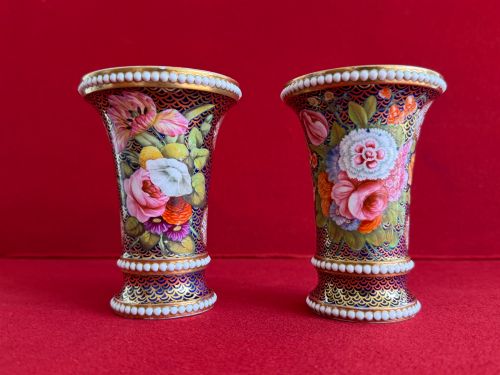
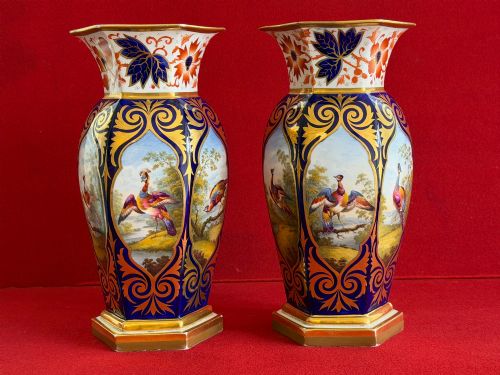
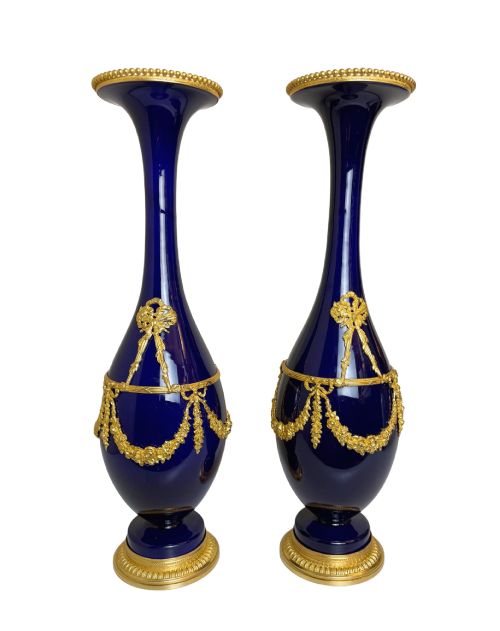
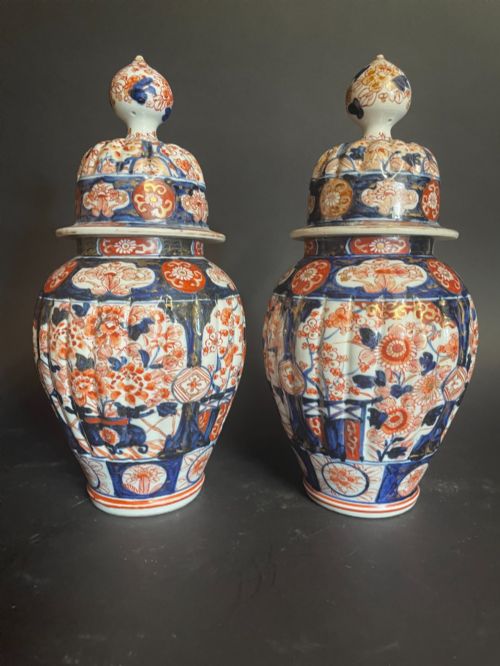


Pair Cobalt Porcelain Vases
Pair cobalt porcelain vases bring rich, deep colour and symmetry to a room, offering striking decorative presence through matched sets of ceramic artistry.
Pair Cobalt Porcelain Vases
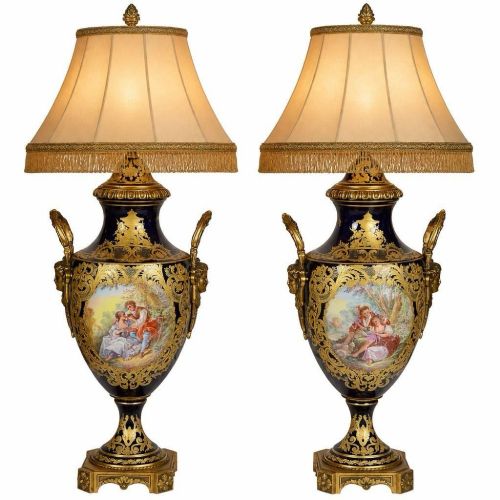
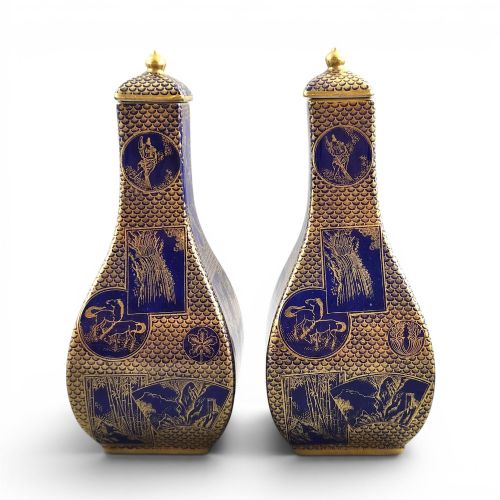
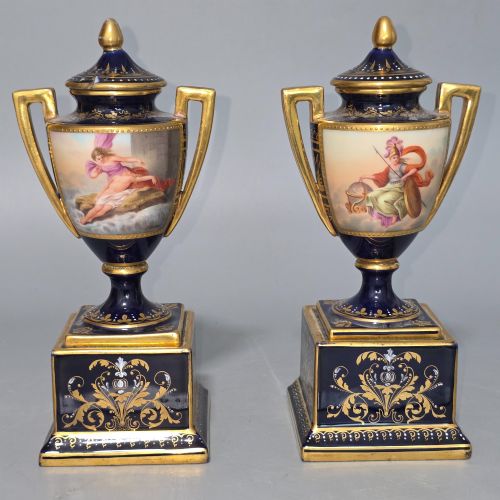
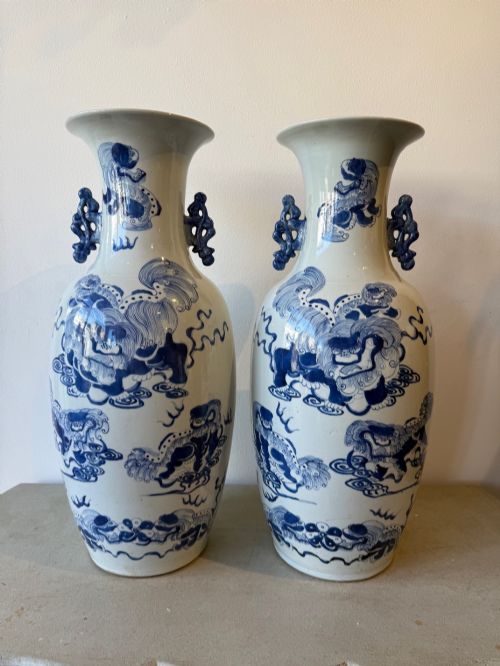
Pair cobalt porcelain vases combine deep blue ceramic grounds with matched symmetry, designed for placement on mantels, tables, and pedestals.
Buyers encounter examples ranging from nineteenth-century Japanese Imari and Satsuma output to European factory productions in French and English styles.
The forms span baluster vases, lidded jars, amphora shapes, and table lamps, reflecting diverse global manufacturing traditions from the seventeenth century onward.
Materials and production
Potters shaped ceramic clay bodies into various vessel forms before applying cobalt pigments to achieve rich blue underglazes and enameled surfaces.
Many items incorporate applied ornamentation such as gold leaf, gilt bronze, and ormolu mounts to enhance the visual weight of the porcelain bodies.
Skilled artisans completed these pieces with hand-painted details, often fired multiple times to set complex motifs and metallic highlights.
The inventory spans the seventeenth century to the twentieth century, including Victorian and Edwardian examples.
Assessing quality
Quality rests in the precision of the hand-painted decoration, the depth and clarity of the cobalt blue tone, and the crispness of the porcelain form.
The refinement of any accompanying ormolu or gilt bronze mounts contributes significantly to the overall status and visual balance of the matched set.
Provenance and documented factory attribution elevate certain items, distinguishing standard decorative wares from exhibition-grade productions.
Flight Barr And Barr·Mason·Ernst Wahliss·Moorcroft Macintyre·Royal Crown Derby
The Pair Cobalt Porcelain Vases Glossary
- Cobalt
- A mineral pigment used to produce a deep, stable blue colour on ceramic bodies under high-temperature kiln firings.
- Ormolu
- Gilded bronze mounts applied to furniture and porcelain vessels, popular in French decorative schemes.
- Imari
- A style of Japanese export porcelain featuring characteristic iron red, cobalt blue, and gold decoration.
- Baluster
- A vase shape with a rounded body that tapers toward the base and swells near the lower portion.
- Satsuma
- Japanese earthenware pottery featuring a crackle-glaze finish and intricate polychrome and gilt enamel painting.
Pair Cobalt Porcelain Vases: Frequently Asked Questions
How do I care for antique cobalt vases?
Dust these ceramic pieces gently with a soft, dry cloth to protect delicate gilt details and hand-painted surfaces from abrasion. Avoid using liquid cleaners or placing them in direct sunlight, which can degrade old enamel and metal mounts over time.
Position them securely on stable furniture away from high-traffic zones to prevent accidental tipping. Handling them by the body rather than vulnerable handles or lids ensures safe relocation during room reorganisation.
What periods do these vases come from?
The available inventory spans several centuries, with a strong representation of nineteenth-century European and Japanese production. You will find items dating from the seventeenth century through to the early twentieth century.
Earlier pieces often originate from Japanese export kilns, while later nineteenth-century examples frequently showcase French Sevres styles or English ironstone adaptations. Each era brings distinct decorative motifs and mounting techniques to the ceramic body.
Are these vases functional or decorative?
These pieces were primarily created as decorative objects to display symmetry and rich colour within formal interiors. Their matched pairs suit placement on mantelpieces, sideboards, and pedestals as focal points.
While some vessels feature lidded designs or converted lamp fittings, their primary role remains visual appreciation. Placing fresh water inside antique ceramics is generally discouraged to protect the historical glaze and interior body.
How can I distinguish Japanese Imari from European styles?
Japanese Imari porcelain typically combines cobalt blue underglaze with iron red and gold enamel overglaze, featuring dense floral or brocade patterns. The underlying paste and traditional Japanese forms separate them clearly from Western interpretations.
European factories often imitated these aesthetics or produced distinct regional styles like French Rococo revival or English ironstone. Examining the base marks, weight of the ceramic, and painting technique helps clarify the geographic origin of the pair.