
Pair Classical Statues
Pair classical statues bring symmetry and antique dignity to a room, drawing on ancient forms recast through centuries of European artistry.
Pair Classical Statues
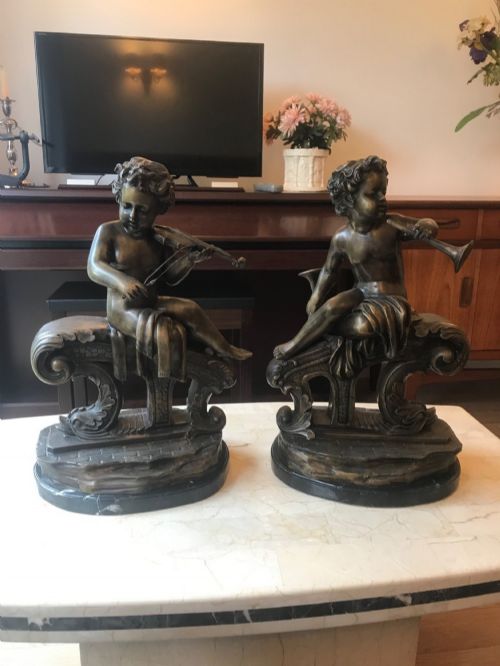
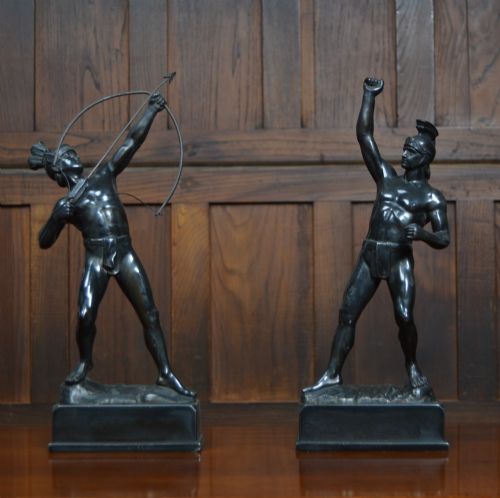
When you search for pair classical statues, you encounter dual figural groups, mythological subjects, and architectural ornaments spanning multiple centuries. The evidence shows these symmetrical groupings appear most frequently as nineteenth-century bronze figures, garden stone lions, and porcelain table ornaments.
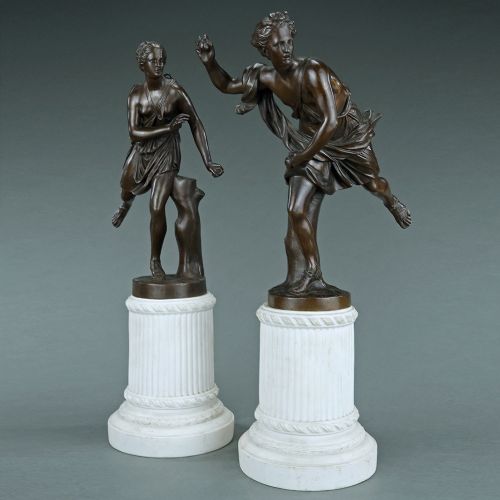
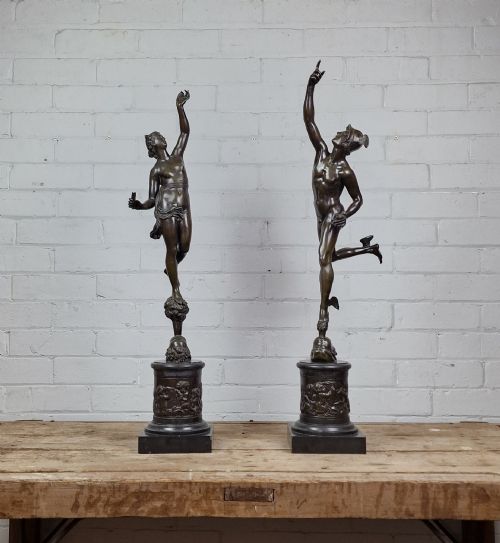
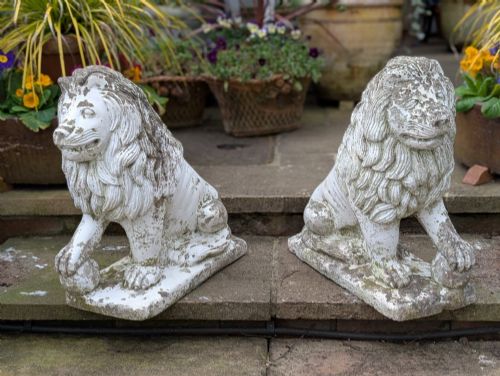
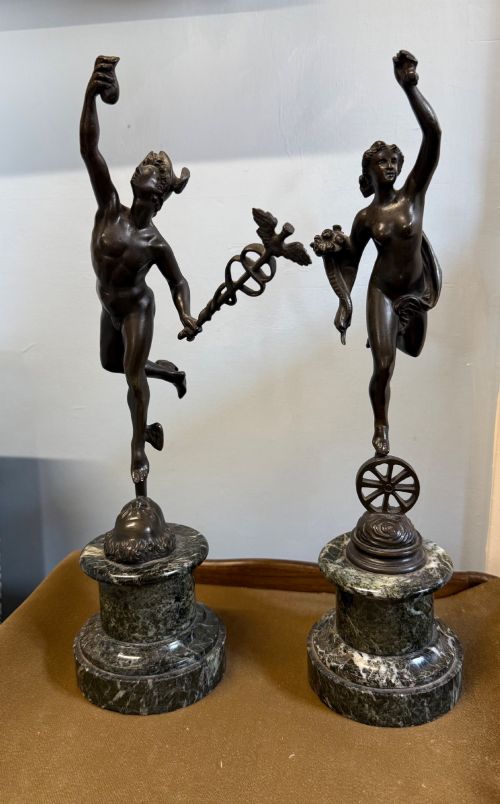
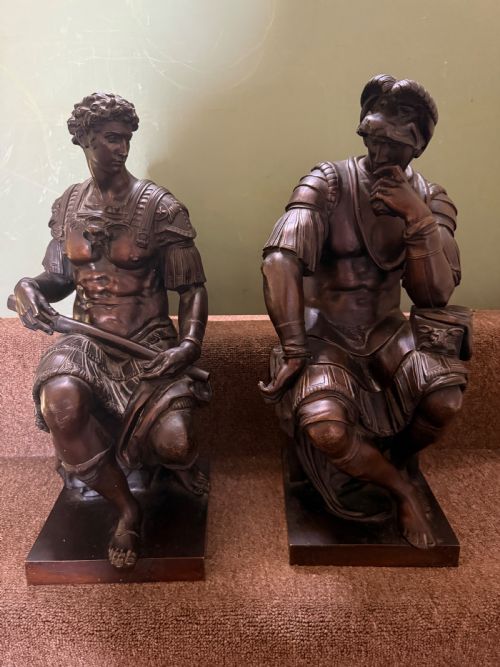
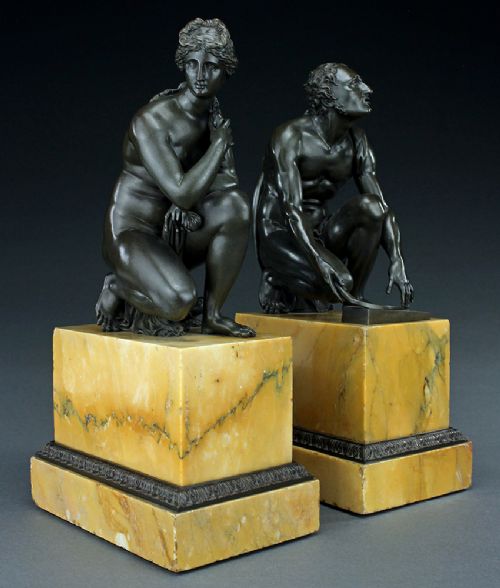
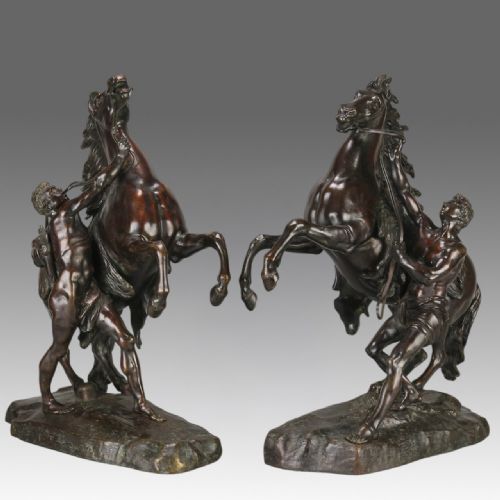
Makers and foundries adapted classical models such as Mercury, Fortuna, and the Medici lions for domestic display and grand architectural settings. These matched pairs range from grand tour souvenirs in cast bronze to heavy reconstituted stone guardians intended for garden terraces.
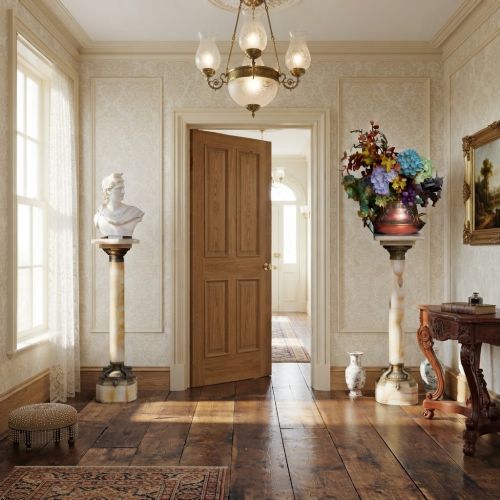
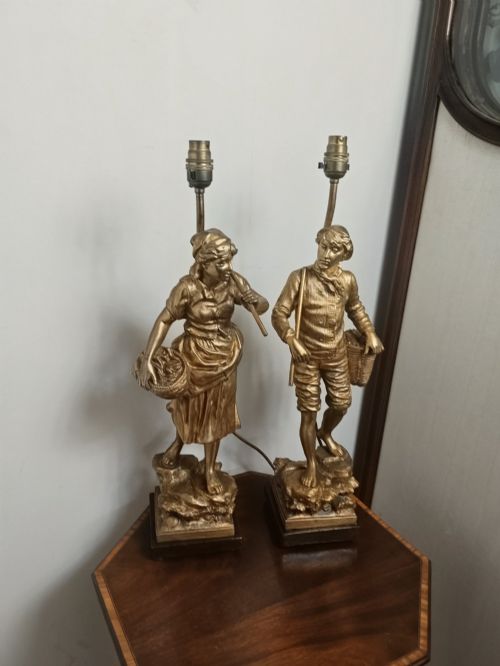
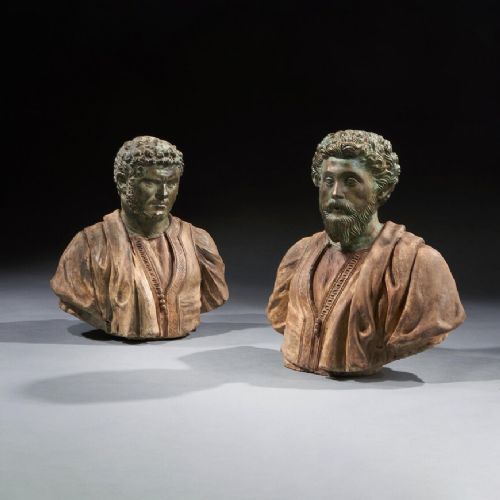
The objects take many forms, including carved marble columns, terracotta busts, and spelter figures mounted on marble bases. Neoclassical and nineteenth-century French tastes dominate the selection, reflecting a sustained European fascination with antiquity.
How they were made
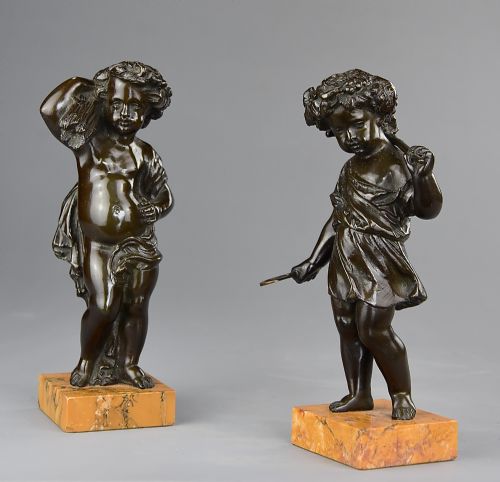
Foundries utilised lost-wax casting for bronze sculptures, capturing fine anatomical details and patinated surfaces. Marble and stone versions rely on hand-carving techniques, shaping hard minerals into robust architectural figures and pedestals.
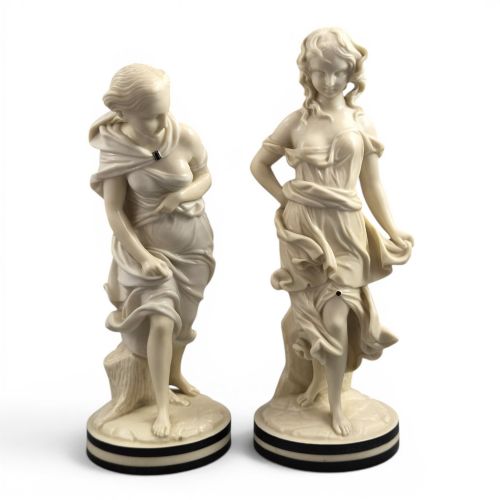
Ceramic pairs from factories like Royal Worcester and Bow combine moulded earthenware with painted enamel details and gilt highlights. Spelter and chalk figures offer alternative metallic or plaster compositions finished with patination to mimic heavier bronzes.
Listings feature nineteenth-century bronze and marble sculptures alongside twentieth-century stone garden ornaments and porcelain figures.
What varies in quality
Barbedienne·E Rousseau·Royal Worcester·James Hadley·Compton Potters Art Guild·Royal Dux·Alois Hampel
The Pair Classical Statues Glossary
- Grand Tour
- A nineteenth-century tradition where wealthy travellers collected bronze reductions of classical antiquities in Italy. These souvenirs often replicated famous sculptures seen in Roman and Florentine galleries.
- Spelter
- A zinc alloy utilised as a cheaper alternative to bronze for sculptural figures. It is frequently painted or electroplated to resemble genuine patinated metal.
- Ormolu
- Gilt bronze ornamentation applied to furniture, pedestals, and decorative columns. The technique involves coating metal objects in a mercury-gold amalgam.
- Patina
- The surface sheen and coloration developed on bronze, wood, and stone through age and handling. A natural patinated finish indicates historical depth.
- Terracotta
- Fired unglazed clay utilised for sculptural busts and architectural ornaments. Its reddish-brown earthy tone requires careful handling to prevent chipping.
Pair Classical Statues: Frequently Asked Questions
What materials are pair classical statues made from?
The listed items utilise bronze, marble, terracotta, porcelain, and reconstituted stone. Metal pieces often feature patinated finishes or gilt highlights.
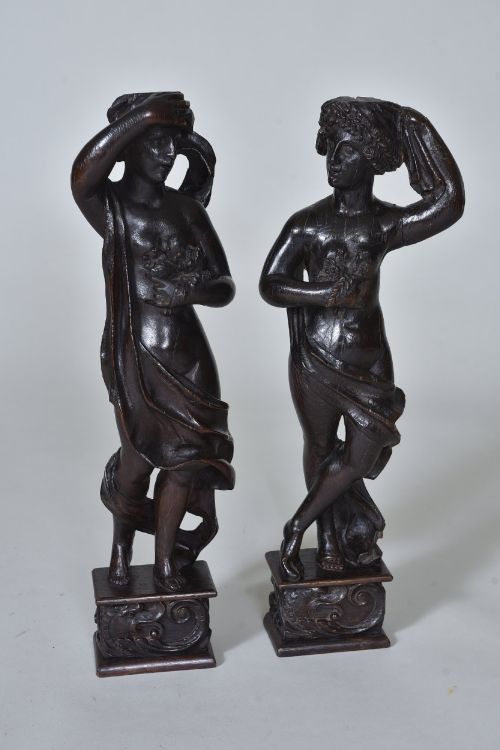
Alternative compositions include chalk, spelter, and carved wood. Each material reflects the period of manufacture and the intended indoor or outdoor placement.
How do I care for bronze figures?
Bronze sculptures require gentle dusting with a soft cloth to protect the patinated surface. Avoid applying abrasive cleaners or moisture.
Applying a microcrystalline wax periodically helps shield the metal from atmospheric oxidation. Keep them away from direct heat sources and damp environments.
Were these statues meant for gardens?
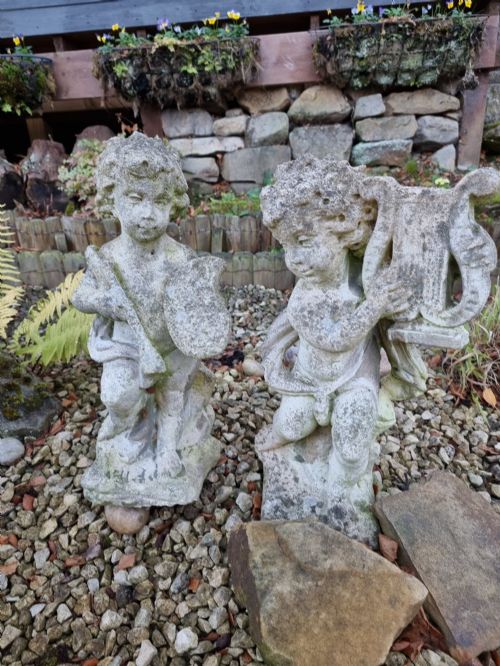
Many stone and reconstituted stone figures, such as lions and cherubs, were designed specifically for garden terraces and plinths. Bronze and porcelain pairs typically served as interior ornaments.
Architectural elements like marble columns and torcheres functioned inside grand nineteenth-century reception rooms. Material durability determines whether a piece suits exterior conditions.
How can I tell the period of a bronze pair?
Dating relies on the casting technique, the style of the base, and foundry marks. Nineteenth-century bronzes frequently display distinct foundry stamps and rich, dark patinas.
Clothing styles, mythological subjects, and mounting materials also provide clues. Comparing the casting crispness with known factory outputs helps narrow down the decade of production.