
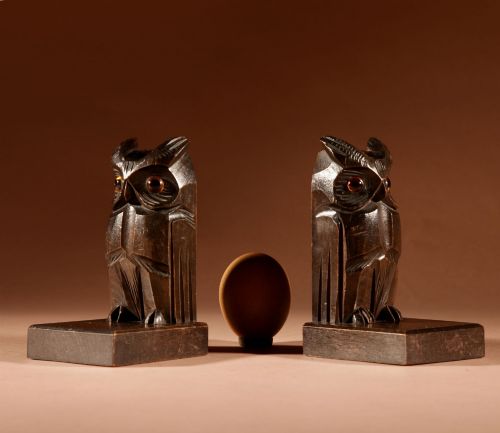


Pair Wooden Ornaments
These pair wooden ornaments bring traditional craftsmanship to any room, offering carved figures, animals, and architectural forms that collectors prize.
Pair Wooden Ornaments
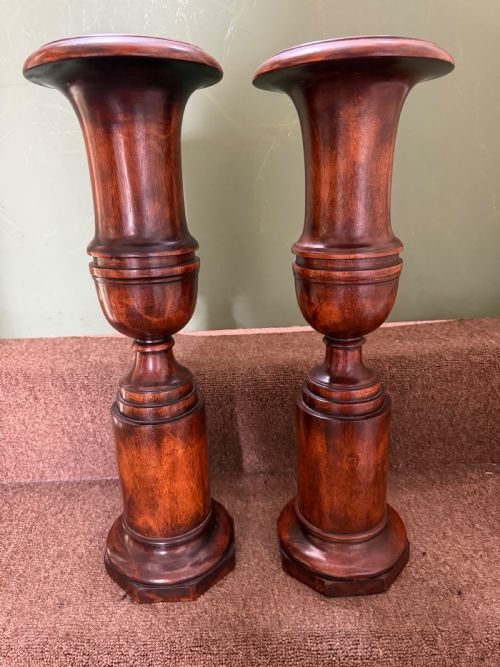
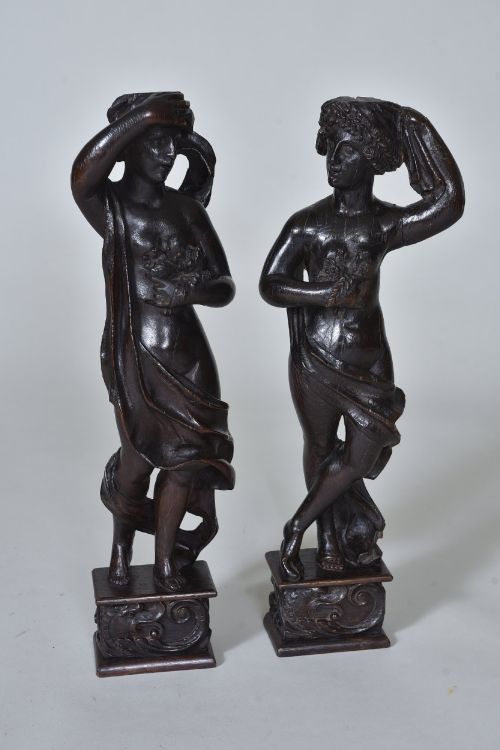
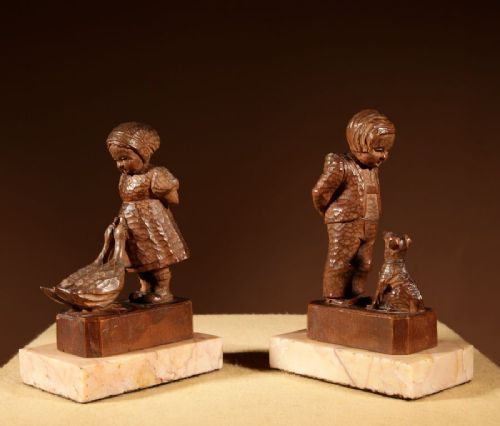
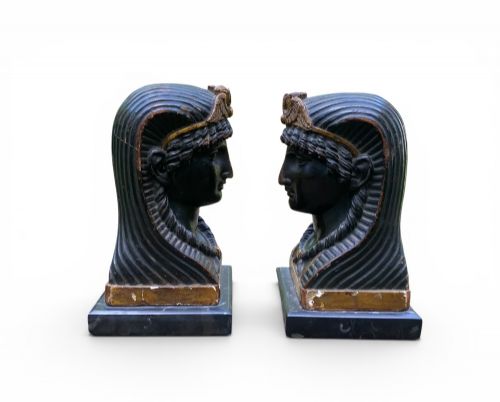
When you search for pair wooden ornaments, you encounter a varied selection of carved sculptures, bookends, and architectural elements originating from several distinct periods. The examples found here span from the eighteenth century through to the early twentieth century, showing global influences from English neoclassical designs to Black Forest animal carvings and Chinese hardwood figures. You are most likely to meet carved animal figures, such as elephants and water buffaloes, alongside architectural elements like urns and vases.
The materials used across these items extend beyond simple timber to include hardwood, walnut, oak, limewood, teak, and ebony, occasionally combined with bone, marble, glass, or gesso. Stylistically, the range covers Qing Dynasty and Ming Style objects, Anglo-Indian Raj pieces, Black Forest carvings, and Thomas Chippendale interpretations. These diverse origins mean that buyers find both European decorative items and Asian artistic traditions represented within the same category.
Materials and construction
The construction of pair wooden ornaments relies heavily on skilled hand carving using dense timbers such as walnut, oak, ebony, teak, and limewood. Artisans shaped these materials using traditional hand tools to create detailed surface textures, seen in the feathered details of bird bookends and the musculature of carved animals.
Beyond plain timber, certain pieces incorporate turned elements, applied gesso, or mixed media such as bone and marble inserts. Joinery and finishing techniques reflect the specific regional workshop traditions of their period, whether European neoclassical or nineteenth-century Chinese hardwood production.
Several items depict industrious creatures, pairing carved owls holding letters with performing elephants and water buffaloes standing ready on wooden bases.
Assessing quality
Quality in pair wooden ornaments rests primarily on the depth, precision, and confidence of the carving. Superior items display crisp anatomical details in figures and animals, whereas lesser examples feature soft edges and mechanical uniformity.
The choice of timber and the preservation of the original surface finish also determine the standing of a piece. Well-figured hardwoods and untouched patinas elevate items from basic decorative objects to notable examples of period craftsmanship.
Thomas Hope·Thomas Chippendale
The Pair Wooden Ornaments Glossary
- Black Forest
- A style of wood carving originating from the mountainous region of central Europe, famous for realistic depictions of animals and local fauna. These carvings frequently utilise lime or walnut timber.
- Neoclassical
- An artistic movement drawing inspiration from the classical art and architecture of ancient Greece and Rome. Items in this style often feature symmetrical urns, vases, and classical motifs.
- Hardwood
- Timber derived from broad-leaved angiosperm trees, valued for density and durability. Examples seen in these ornaments include teak, walnut, ebony, and oak.
- Chippendale
- A mid-eighteenth-century English furniture and decorative style named after cabinetmaker Thomas Chippendale. Pieces in this tradition show intricate, flowing carved ornamentation.
- Raj Period
- The era of British rule in the Indian subcontinent, which influenced decorative arts through local craftsmanship applied to dense tropical timbers like teak.
Pair Wooden Ornaments: Frequently Asked Questions
What are pair wooden ornaments?
These items are matching decorative objects fashioned from timber, including carved animal figures, bookends, vases, and architectural finials. They represent diverse global workshops ranging from European studios to Asian carving traditions.
Collectors select them to display symmetrical arrangements on mantelpieces, bookshelves, or side tables. Their forms vary from neoclassical urns to naturalistic wildlife sculptures.
How do I care for wooden ornaments?
Preserving these objects requires keeping them away from direct sunlight and sudden temperature shifts, which can cause timber to split or warp. Dusting them gently with a dry, soft cloth prevents surface buildup without harming the patina.
Avoid using liquid polishes or chemical cleaners unless specified for the exact finish. Natural wax applied sparingly helps maintain the condition of older hardwood surfaces.
How are different periods identified?
Dating relies on stylistic clues, tooling marks, and the specific timber varieties popular during particular eras. For instance, neoclassical urns reflect eighteenth-century symmetry, while Black Forest animal carvings typically point toward the late nineteenth or early twentieth century.
Examining the underside and construction methods reveals how the pieces were assembled. Hand-turned elements and tool signatures offer further context for establishing age.
Where were these ornaments made?
The geographical origins span Europe and Asia, encompassing English workshops, Italian studios, Swiss Black Forest carving communities, and Chinese hardwood workshops. Each region employed local timber species and distinct aesthetic traditions.
Anglo-Indian pieces reflect colonial production methods applied to teak, while Qing Dynasty and Ming style works utilise traditional Chinese carving techniques on dense hardwoods.