

Classical Carved Sculptures
Classical carved sculptures bring antique mythological figures, portraits and architectural forms into rooms through hand-chiseled stone and timber.
Classical Carved Sculptures
Classical carved sculptures encompass figural statues, portrait busts, relief plaques and architectural supports inspired by antiquity. When searching for classical carved sculptures, buyers encounter works ranging from Grand Tour souvenirs to monumental portraits.
The pieces on this page originate primarily from the eighteenth, nineteenth and early twentieth centuries. Italian marble workshops and French ateliers dominate the selection alongside English carved oak works.
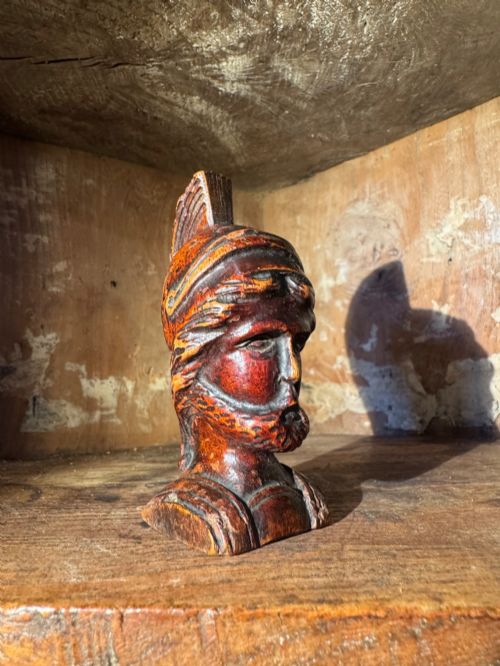
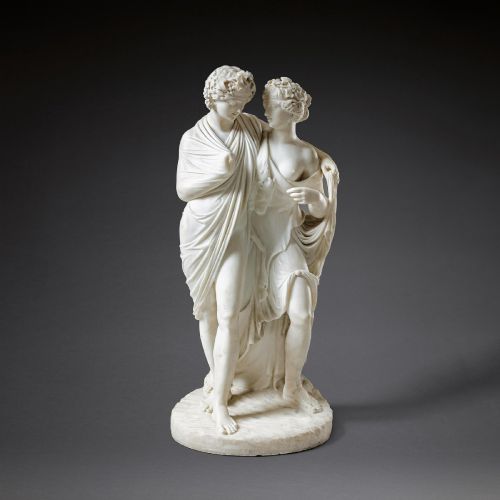
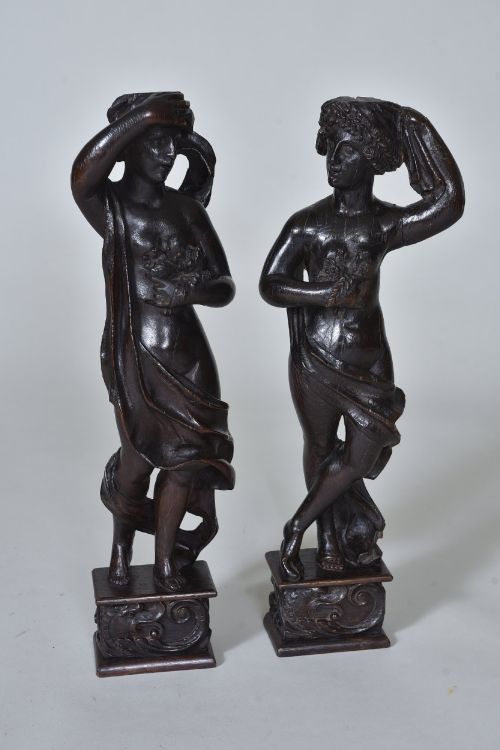
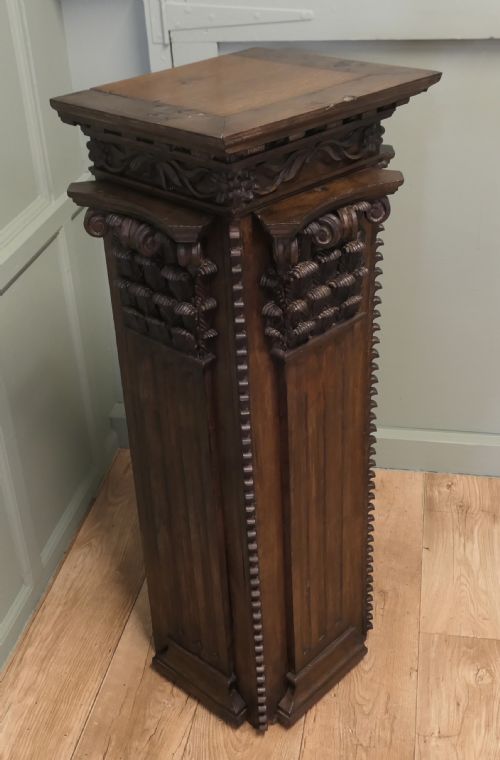
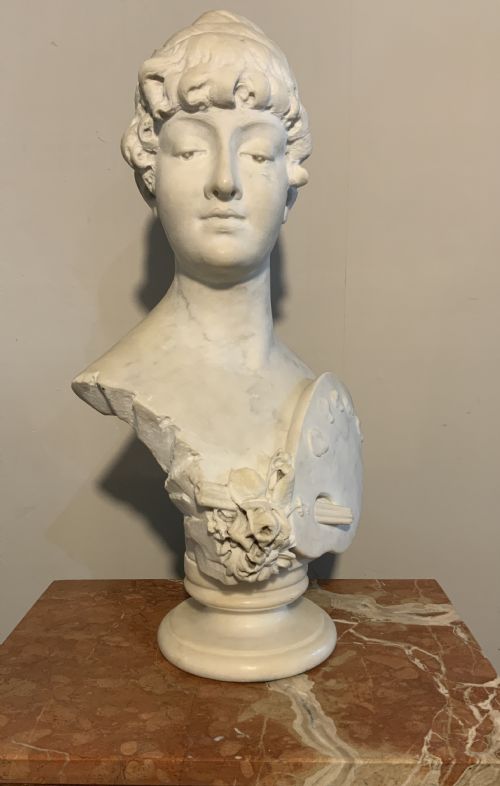
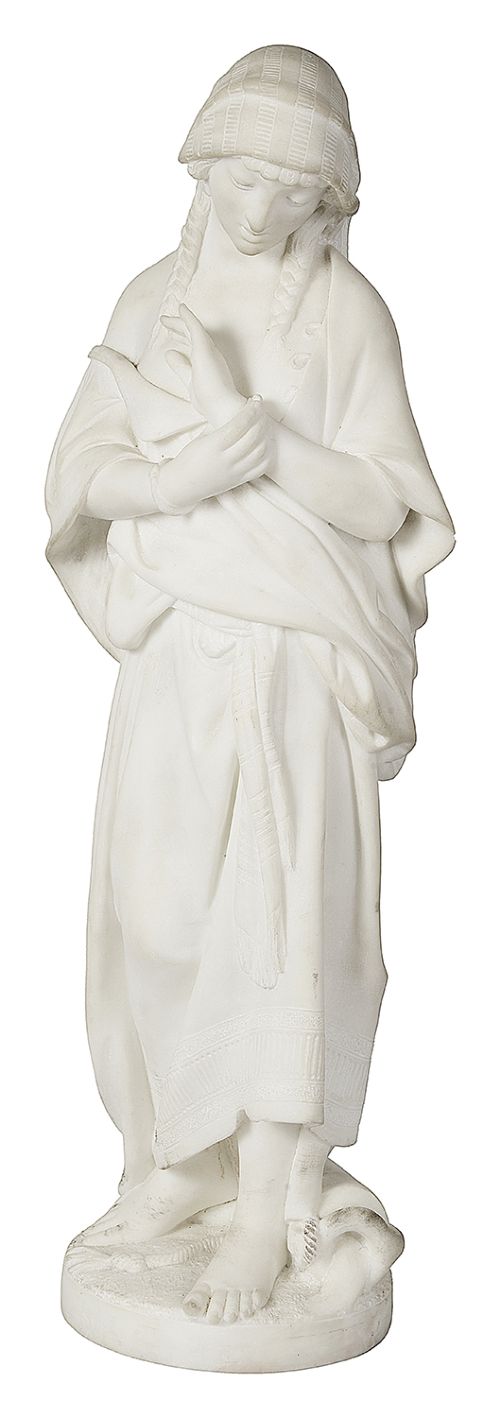
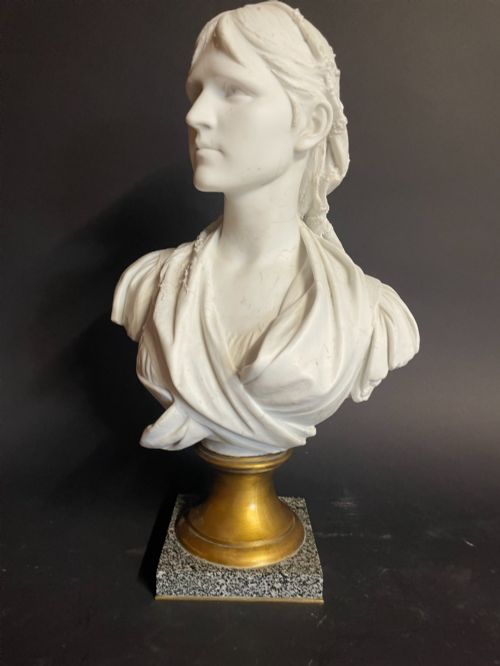
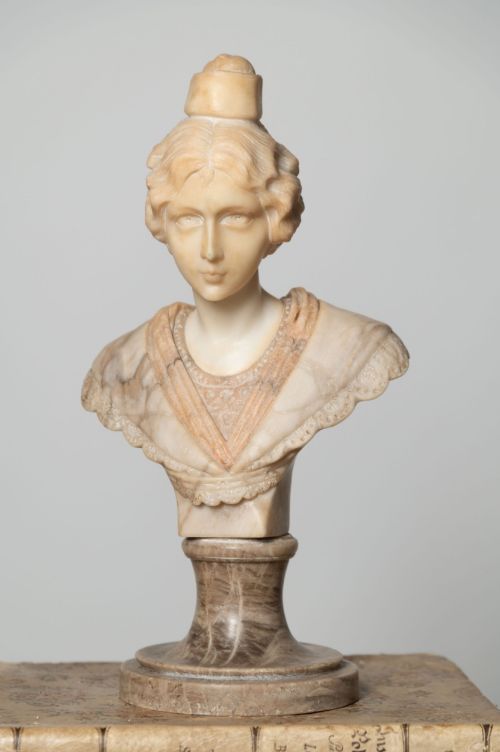
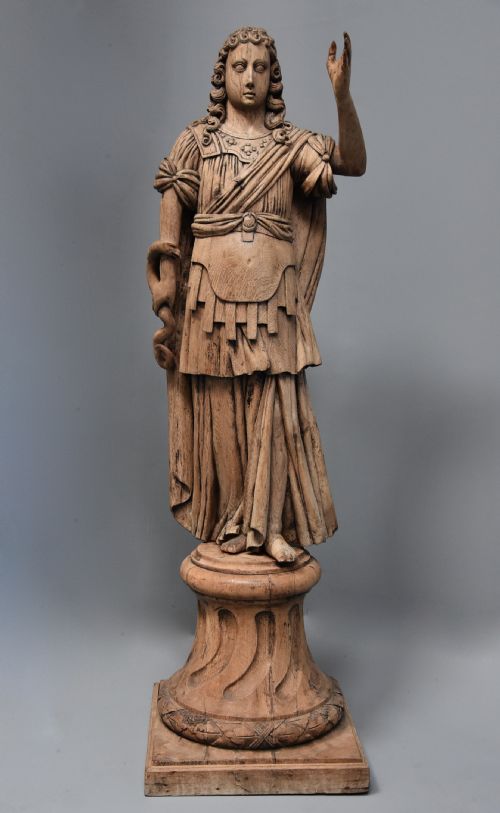
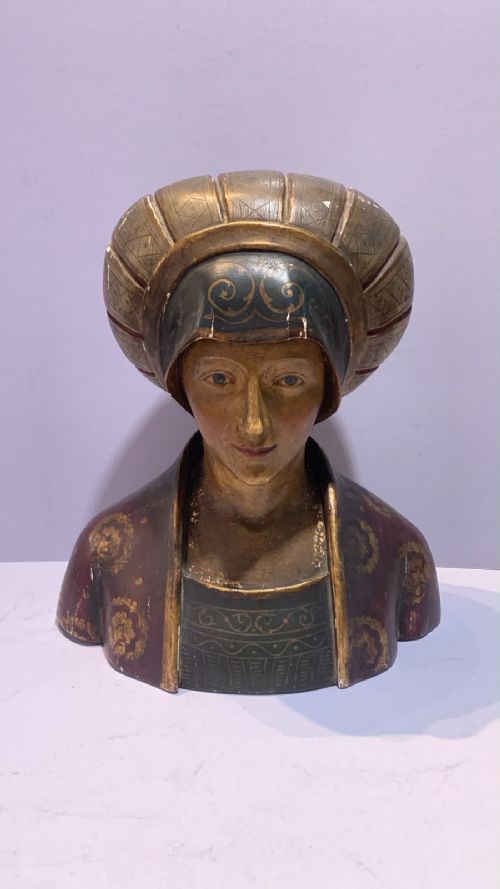
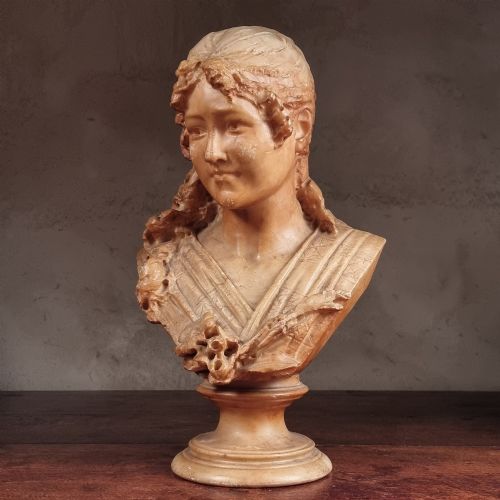
Forms span full-length mythological figures, noblemen in armour, female muses and architectural elements such as columns and pedestals. Alabaster, cast stone and various marbles provide the primary mediums for these sculptural interpretations.
How they were made
Sculptors utilised white and Carrara marble alongside softer alabaster and dense hardwoods like oak for carving. Artisans employed chisels, rasps and drills to shape the stone by hand, often following classical prototypes or antique models.
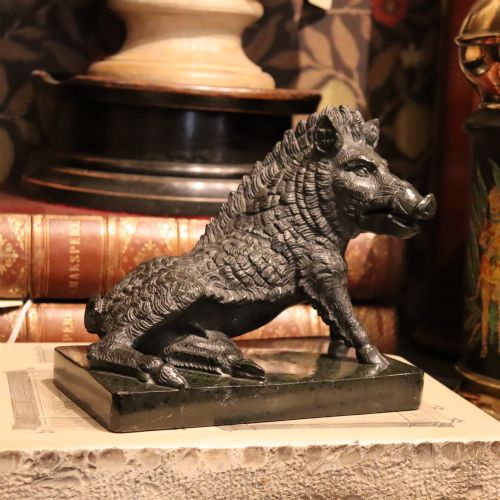
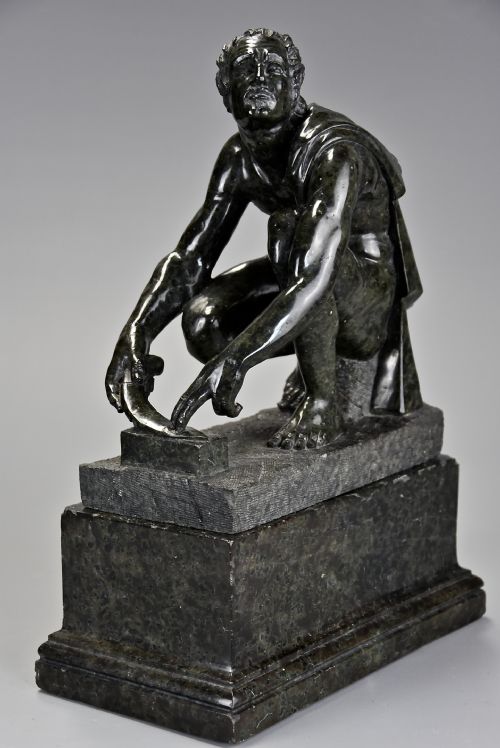
Grand Tour pieces frequently incorporated specialised stones such as verdo prato and Siena marble to imitate ancient polychrome surfaces. Woodcarvers worked with seasoned timber to create architectural figures, panels and display pedestals.
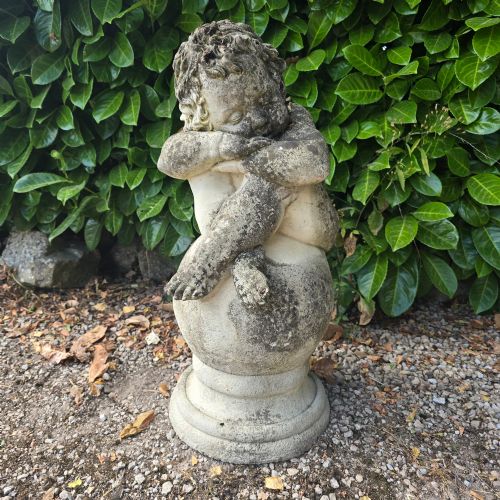
Several stone figures depict sleeping cherubs, historical literary figures and theatrical props rather than stern emperors.
What varies in quality
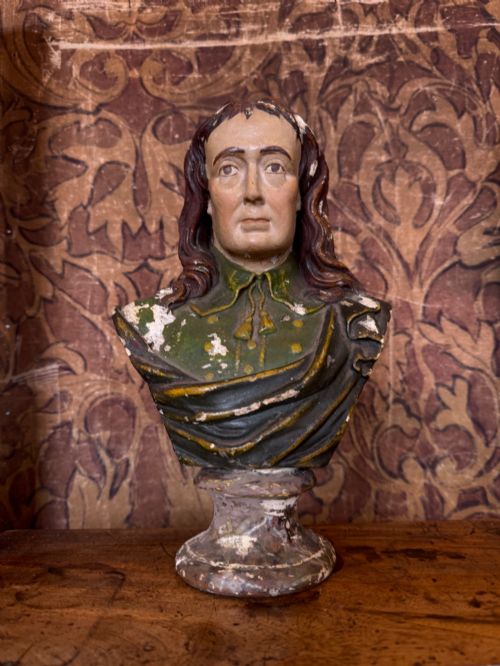
Choice of material dictates standard: flawless Carrara marble and richly figured alabaster command greater presence than common stone. The handling of hair, hands and accessories reveals the sculptor's skill in overcoming the limitations of the medium.
Signed works and pieces attributed to known sculptors or documented Italian and French ateliers carry distinct provenance. The integration of specialised coloured marbles in architectural elements adds further distinction to decorative items.
Carlo Albacini·Barranti·Antonio Canova·Eugene Aizelin·J Francis·A.Gamay·Thomas Hope·R. Mattei·Carrier-Belleuse
The Classical Carved Sculptures Glossary
- Grand Tour
- Souvenirs purchased by travellers on educational journeys through Europe, particularly Italy, during the eighteenth and nineteenth centuries. These included reduced-scale marble figures and architectural models.
- Carrara marble
- A type of white or blue-grey marble quarried in the city of Carrara in Tuscany, widely favored by European sculptors for its fine grain.
- Alabaster
- A fine-grained, translucent stone used extensively for carved figures and portrait busts due to its softness and ease of handling.
- Neoclassical
- A Western cultural movement drawing on the art and culture of classical antiquity, prevalent from the mid-eighteenth to the mid-nineteenth century.
- Verdo prato
- A green serpentine marble often utilised in Italian decorative arts and sculptural bases to provide contrasting colour.
- Bust
- A sculpted representation of a person's head, shoulders and chest, frequently employed for portraiture in marble and alabaster.
Classical Carved Sculptures: Frequently Asked Questions
How do I identify a Grand Tour sculpture?
Grand Tour sculptures typically date from the nineteenth century and represent reduced-scale copies of famous ancient statues. They were created in Italy for travellers and often feature materials like Carrara marble, alabaster or serpentine.
Look for fine detail and polished surfaces designed to emulate museum antiquities. Signed bases or specific Italian workshop attributions often confirm their origin.
What is the difference between marble and alabaster sculptures?
Marble is a hard metamorphic rock that resists scratching and takes a high, durable polish. It was the preferred medium for monumental statues and detailed portrait work.
Alabaster is a softer, translucent mineral that transmits light slightly beneath the surface. It allows for delicate carving but requires careful handling to prevent surface damage.
How do I clean an antique stone sculpture?
Dust antique marble and stone sculptures regularly with a soft, dry cloth or a gentle brush. Avoid using household detergents, acidic cleaners or excessive water on porous surfaces.
Professional conservators should handle stubborn grime or staining to prevent permanent damage to the stone. Wax finishes on wood or specific stone types require specialised maintenance.