



Pair Chinese Porcelain Jars
These pair chinese porcelain jars bring balanced symmetry and historic glaze work into a room.
Pair Chinese Porcelain Jars
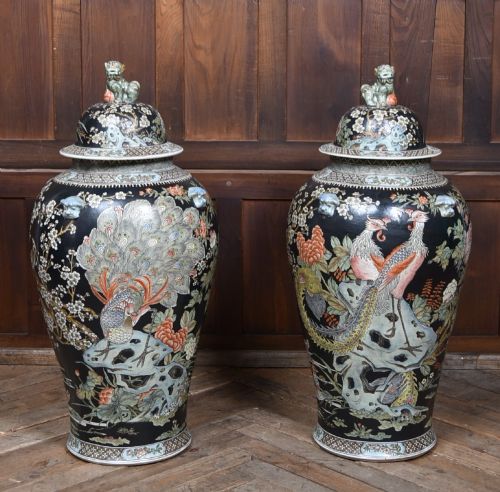
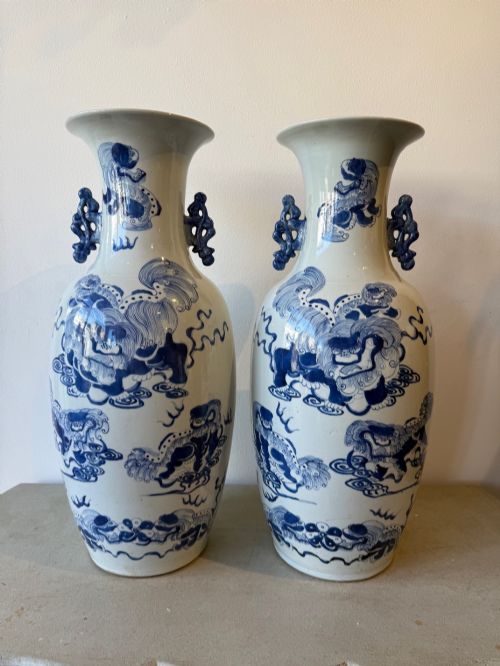
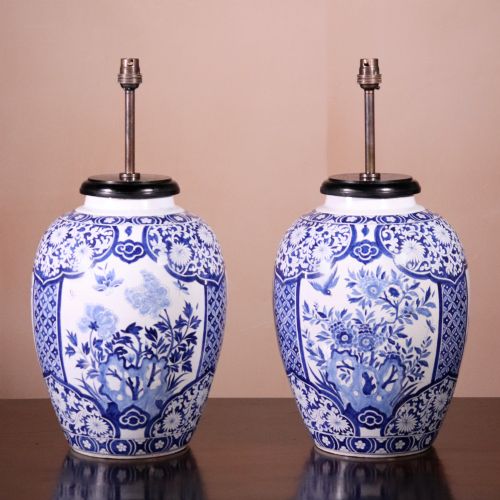
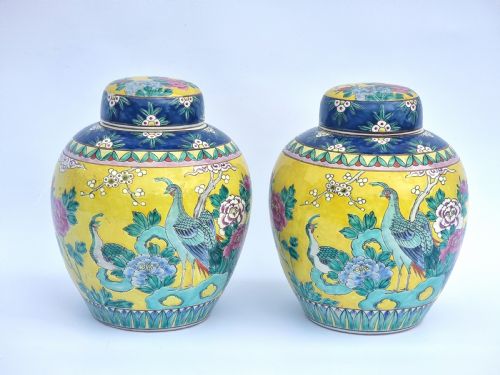
When you search for pair chinese porcelain jars, you encounter matching vessels intended for display, storage, or conversion into lighting. The selection spans floor vases, temple jars, and ginger jars alongside occasional tables.
Nineteenth century pieces dominate the current inventory, accompanied by examples from the seventeenth century and the early decades of the twentieth century. Forms range from ovid and baluster shapes to globular bodies with covers and mounts.
Styles embrace Qing dynasty traditions, Chinese export porcelain, Chinoiserie, and Republic period outputs. Blue and white decoration, powder blue grounds, tea dust glaze, and polychrome palettes like Rose Medallion, Famille Rose, and Famille Verte appear frequently.
How they were made
The foundation rests on white porcelain shaped into jars, vases, and lamps, sometimes paired with wood, brass, gold leaf, fabric, or ceramic elements. Artisans applied mineral pigments, enamel, and glaze directly to the ceramic body before firing.
Hand-painting defines the surface ornamentation, depicting pictorial scenes and intricate motifs across blue and white, crackleware, and polychrome finishes. Certain examples incorporate cast ormolu mounts to secure the porcelain structure.
Listings feature porcelain, enamel, wood, brass, gold leaf, glaze, fabric, and ceramic across multiple centuries.
What varies in quality
The precision and detail of the hand-painted brushwork set apart the finer examples from standard decorative items. Crisp cobalt lines, nuanced polychrome shading, and well-executed enamel depth indicate higher skill in the workshop.
The integrity of the porcelain body, the uniformity of the glaze, and the inclusion of original covers or matching mounts influence the standing of a pair. Age and period attribution also shape the character of each matching vessel.
The Pair Chinese Porcelain Jars Glossary
- Famille Rose
- A palette of opaque enamels dominated by pink or rose colours, introduced during the Qing dynasty. This technique allowed artists to create soft tonal gradations in floral and figural scenes.
- Ginger Jar
- A wide-shouldered storage jar originating in China, typically featuring a domed cover. These vessels served practical storage roles before becoming decorative display objects.
- Ormolu
- Gilded bronze mounts applied to furniture and porcelain, popular in nineteenth-century decorative schemes. These metal fixtures provided structural framing and ornamental contrast to the ceramic body.
- Qing Dynasty
- The final imperial dynasty of China, spanning from the seventeenth to the early twentieth century. Pieces from this era display diverse glaze developments and export styles.
- Tea Dust Glaze
- A high-fired ceramic glaze producing a speckled, olive-brown surface resembling fine tea powder. This finish gained favour for its subtle texture and understated elegance.
Pair Chinese Porcelain Jars: Frequently Asked Questions
How were ginger jars used originally?
These vessels originally stored spices, salt, and oils within Chinese households before evolving into decorative display items. Their wide shoulders and secure covers kept contents protected from moisture.
Over time, export markets adopted them purely for interior decoration, placing them on mantelpieces and tables. Today, many survive alongside matching counterparts for symmetrical interior display.
Can these jars be used as lamps?
Many nineteenth-century examples and later pieces arrive converted into table lamps while retaining their original ceramic bodies. Wiring often runs through drilled bases or utilises existing mounts without altering the primary porcelain structure.
This adaptation allows antique jars to function as functional lighting while preserving their hand-painted surface decoration. Fabric shades frequently complement the traditional blue and white or polychrome patterns.
How do I identify Qing dynasty pieces?
Examination of the glaze, potting weight, and underglaze or overglaze painting style helps determine period manufacture. Reign marks on the base can provide further clues, though later pieces frequently reproduced earlier marks.
Comparing the crispness of the hand-painted enamel against documented period examples clarifies the distinction. The presence of crackleware or specific palettes like Famille Rose offers additional dating evidence.
How do I care for antique porcelain?
Dust surfaces gently with a soft, dry cloth to prevent the accumulation of grit on enamel and glaze layers. Avoid chemical cleaning agents and abrasive materials that might damage hand-painted details.
Keep matching jars away from direct sunlight and areas subject to sudden temperature fluctuations. Ensure any converted lamps sit on stable surfaces away from heavy traffic.