

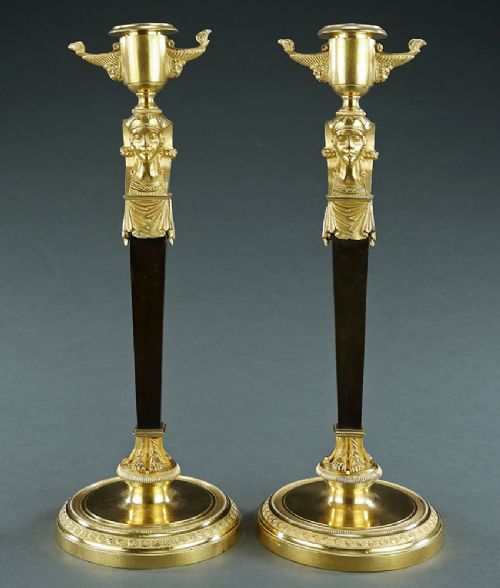
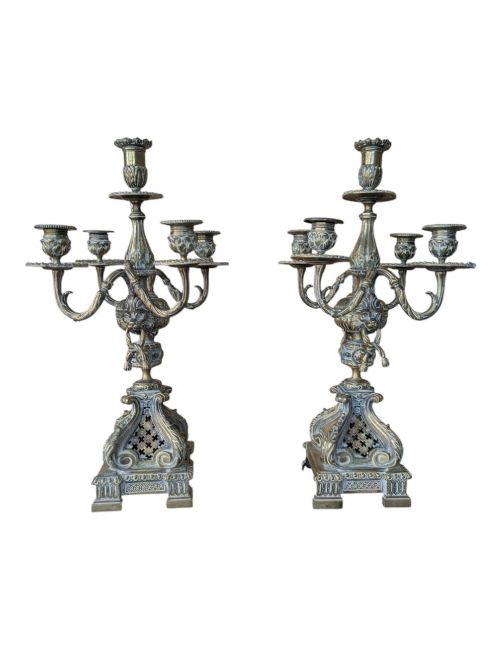
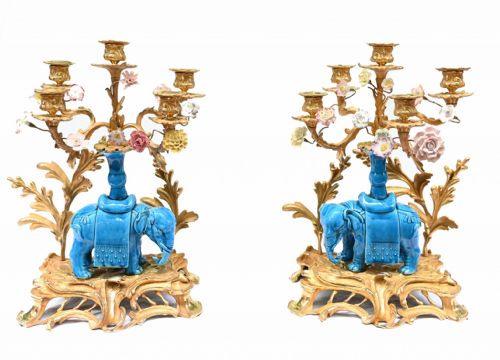
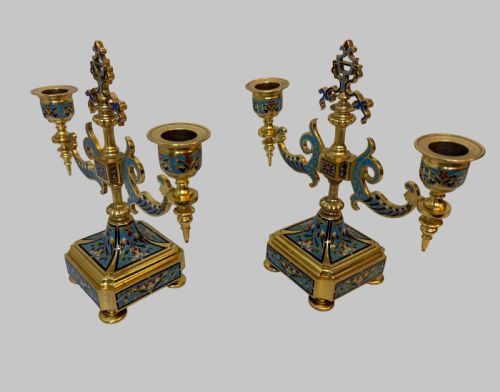


Pair Bronzed Table Candelabra
Pair bronzed table candelabra are decorative lighting fixtures crafted from metal to hold multiple candles upon a surface.
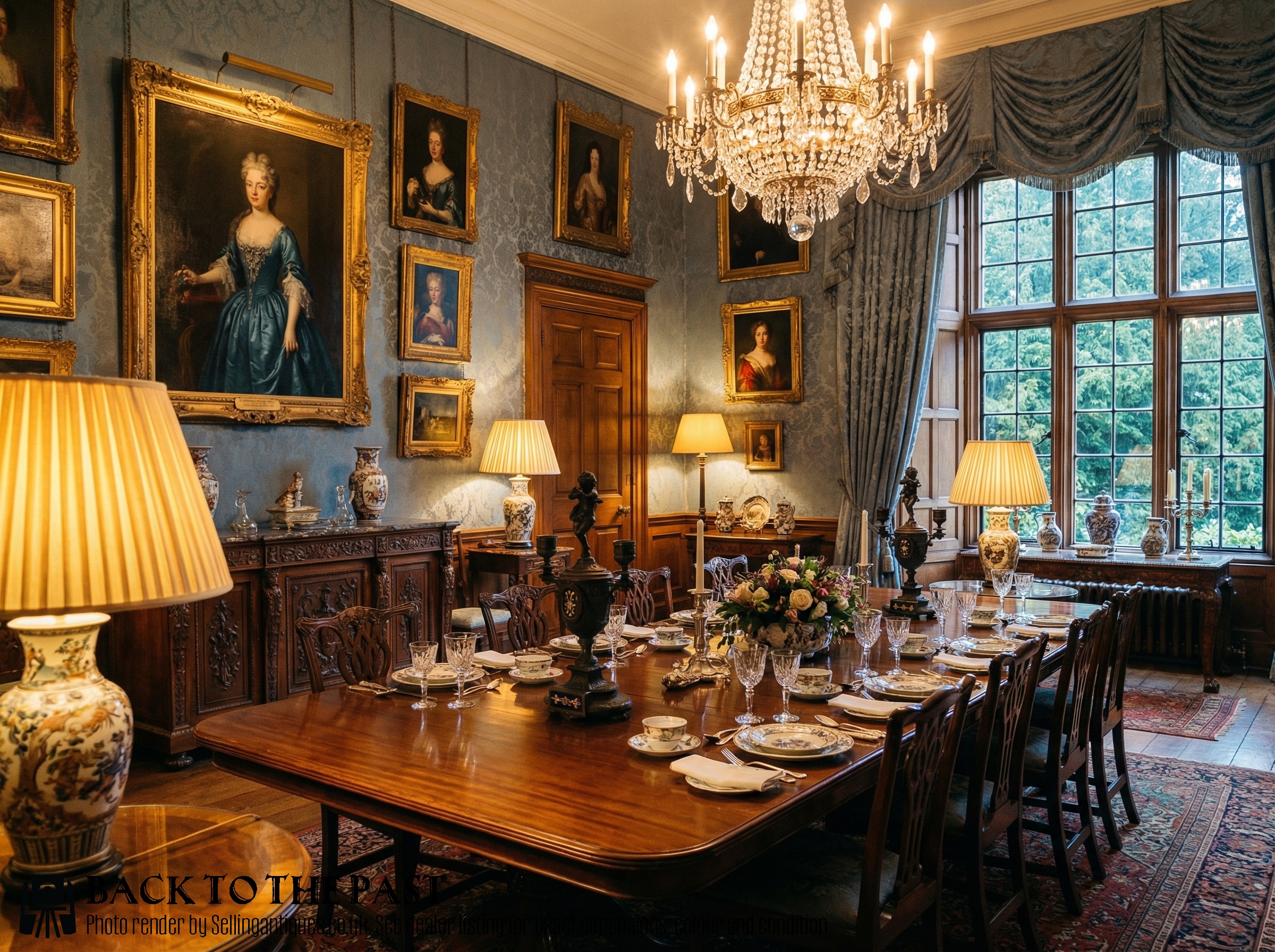
Pair Bronzed Table Candelabra
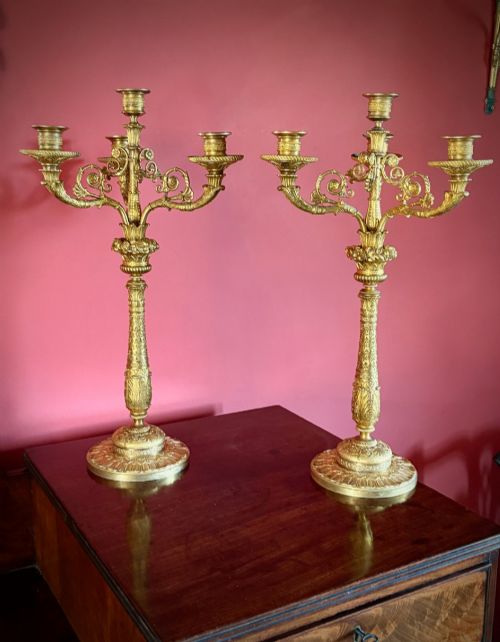
When searching for pair bronzed table candelabra, buyers encounter multi-branch lighting fixtures designed for placement on tables and mantelpieces. The inventory spans the nineteenth century through the early twentieth century, drawing on periods such as Regency, Victorian, and the Empire style.
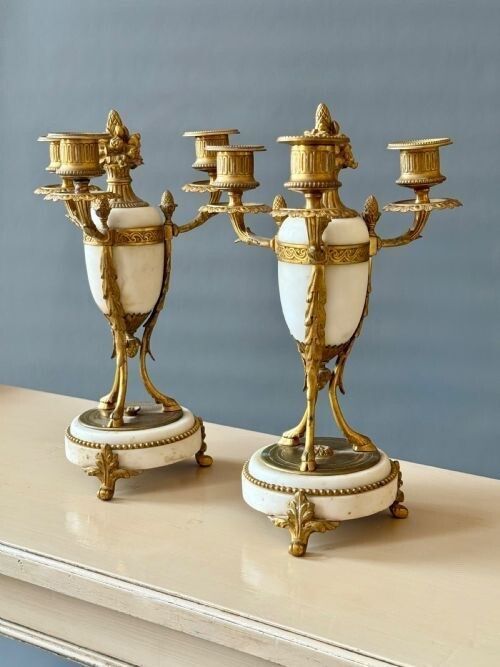
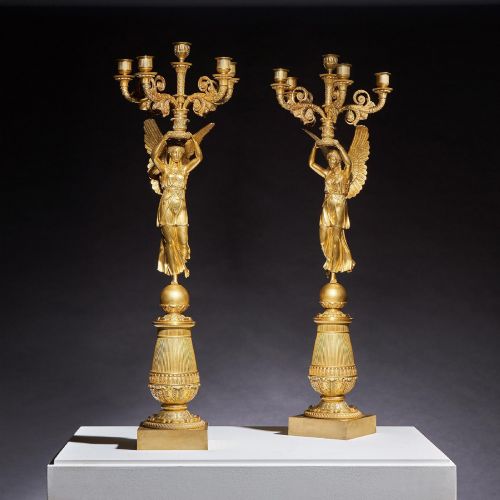
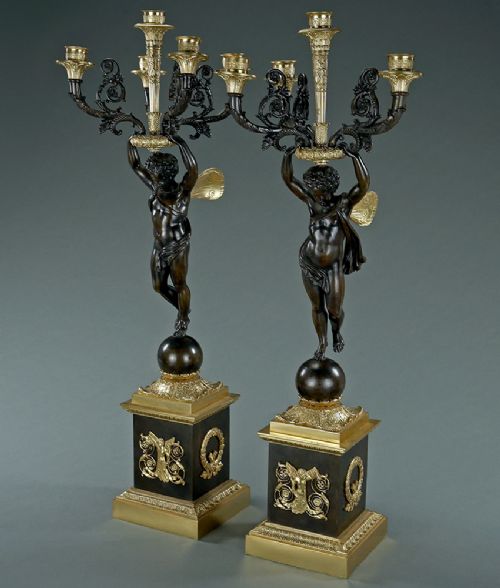
The objects take the form of candelabra, candlesticks, and candle holders, frequently incorporating figurative elements such as putti, cherubs, and mermans. Materials shift between cast metals, white marble bases, porcelain inserts, and cloisonné enamel details.
French workshops dominate the origins recorded in the titles, alongside English and Swedish examples. Pieces range from simple twin-light setups to large five-branch configurations with elaborate neoclassical or rococo revival decoration.
How they were made
The construction relies on metal casting, utilising bronze, brass, spelter, and copper alloys that receive patination or gilding. Ormolu and gilt bronze components provide bright metallic contrast against darker patinated bronze bodies.
Combinations with white marble plinths, porcelain bodies, and champlevé or cloisonné enamel introduce varied textures and colours to the assembled designs. Individual branches, nozzles, and drip pans are cast separately and fastened together mechanically.
Object forms span candelabra, candlesticks, and table lamps converted from multi-branch candle holders.
What varies in quality
Quality rests upon the crispness of the metal chasing and the depth of the casting work, which determines whether sculptural figures and acanthus foliage appear sharp or soft. Superior examples display refined hand-finishing across every visible surface, including hidden underside details.
The harmony of the materials dictates the tier of the piece, where solid marbles, substantial gilt bronze mounts, and integrated porcelain elements fit together securely. Heavier, more stable bases and well-balanced branching arms separate masterwork productions from standard commercial foundry output.
Pierre Philippe Thomire·Rabiat
The Pair Bronzed Table Candelabra Glossary
- Ormolu
- A gilded bronze surface finish applied using a mercury amalgam technique on decorative metalwork. This process creates a rich, durable golden layer characteristic of French decorative arts.
- Patinated bronze
- Metal darkened through chemical treatment to produce a deep brown or green surface tone. It provides a subdued contrast against bright gilt mounts.
- Champlevé
- An enamelling technique where troughs are dug into a metal surface and filled with vitreous paste before firing. The technique creates colourful geometric or pictorial patterns across the object.
- Cloisonné
- Enamelwork created by soldering flat metal wires to a metal base to form compartments filled with coloured paste. These compartments are subsequently fired and polished flush.
Pair Bronzed Table Candelabra: Frequently Asked Questions
How do I clean antique bronze candelabra?
Dust the metal surfaces gently using a soft, dry cloth to prevent the accumulation of abrasive particles. Avoid using commercial metal polishes, which can strip away original patination and historic gilding.
For stubborn grime, consult a professional conservator rather than attempting chemical cleaning at home. Preserving the original surface finish maintains the historic integrity of the object.
Can these candelabra be used with real candles?
Many surviving examples retain their original sconces and drip pans designed for wax or tallow candles. Care must be taken to secure steady placement so that melting wax does not mar the metal or marble components.
Some pieces have historical conversions to electricity or table lamps. Inspect the wiring status carefully if utilising electrified fittings for daily illumination.
What is the difference between ormolu and gilt bronze?
Ormolu specifically refers to gilded bronze produced through mercury amalgamation, a method prevalent in French workshops during the eighteenth and nineteenth centuries. The term denotes high-status decorative mounts.
Gilt bronze is a broader description for any bronze object coated in a layer of gold, whether through fire gilding, chemical application, or electroplating methods developed later.
How do I date a pair of candelabra?
Dating relies on stylistic clues such as neoclassical motifs, Empire revival proportions, or Victorian ornamentation recorded in the design. The weight of the metal, assembly methods, and casting seams offer further chronological indicators.
Signatures or attribution marks stamped into the bronze provide definitive links to known nineteenth-century makers and foundries.