


Pair Wine Glasses
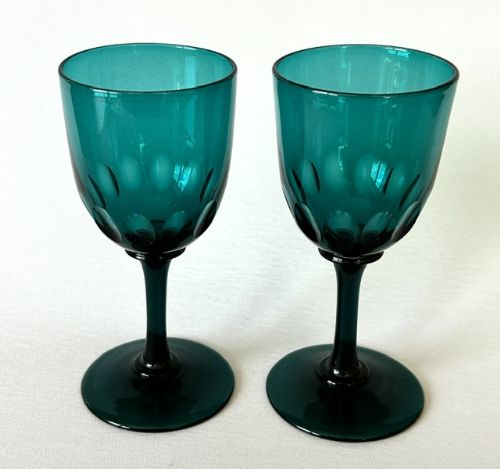
A pair antique wine glasses brings weight and colour to a table, combining Georgian and Victorian craftsmanship in matched drinking vessels.
Pair Wine Glasses
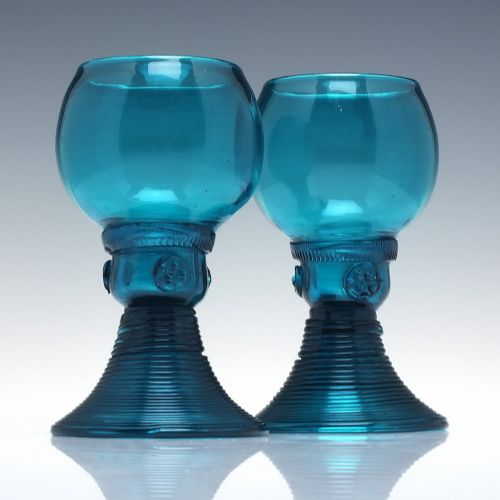
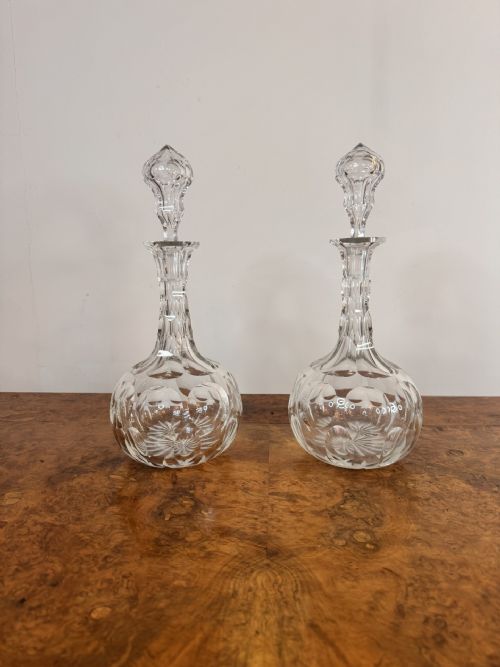
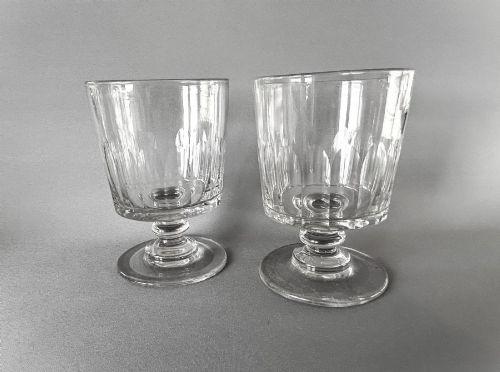
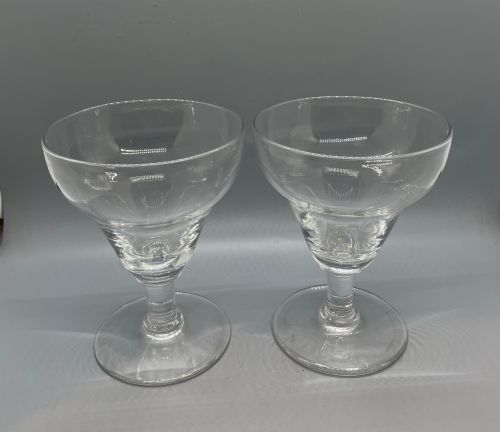
A search for pair antique wine glasses reveals matched sets of drinking vessels spanning the Georgian, Victorian, and Edwardian periods. The selection includes colourful bowls in peacock blue, aqua green, and cranberry overlay, alongside clear lead crystal pieces.
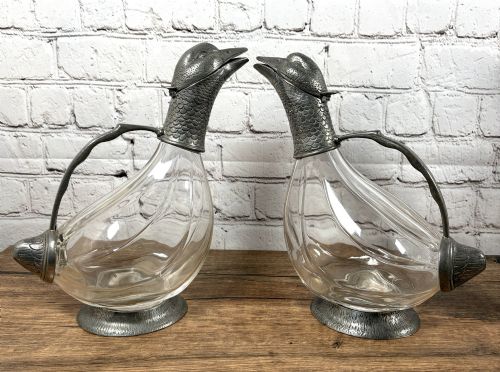
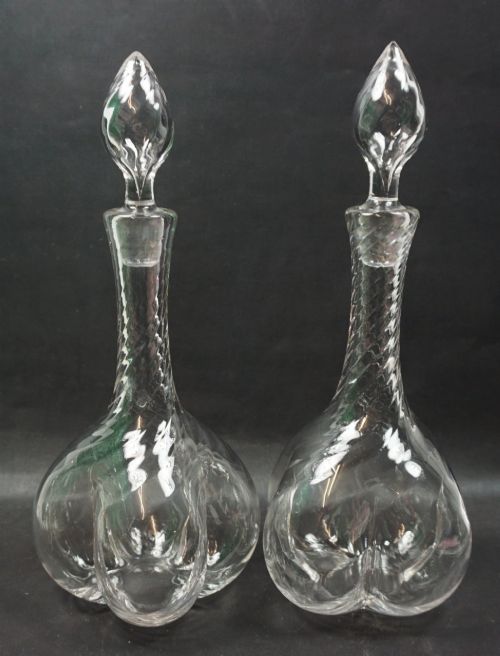
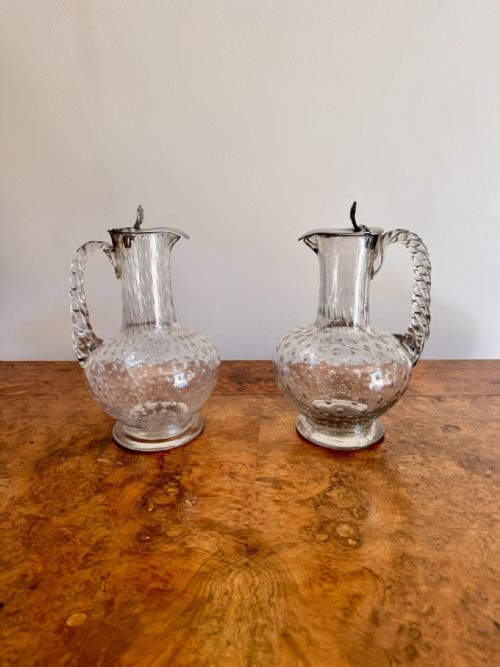
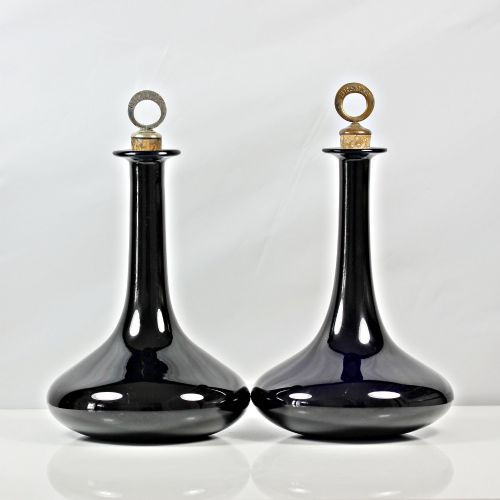
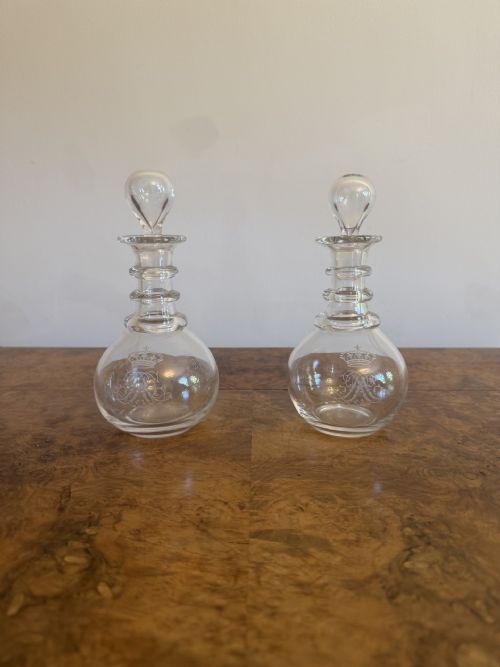
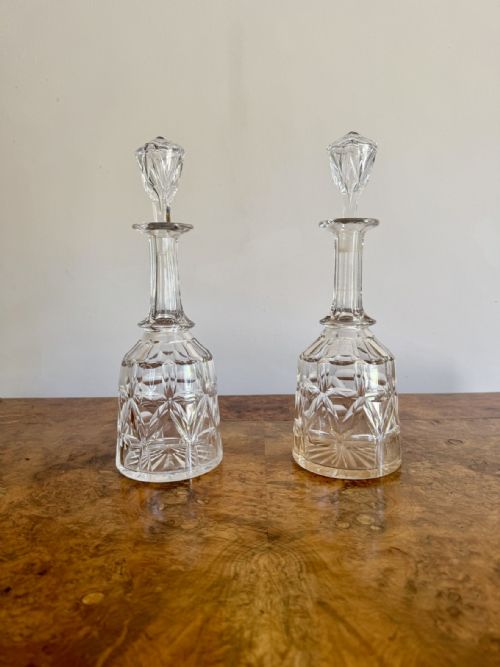
Most examples originate from English and European workshops, featuring forms such as ogee rummers, tall stemware, and engraved barley wine glasses. Buyers also encounter related vessels like decanters and claret jugs grouped within this category.
How they were made
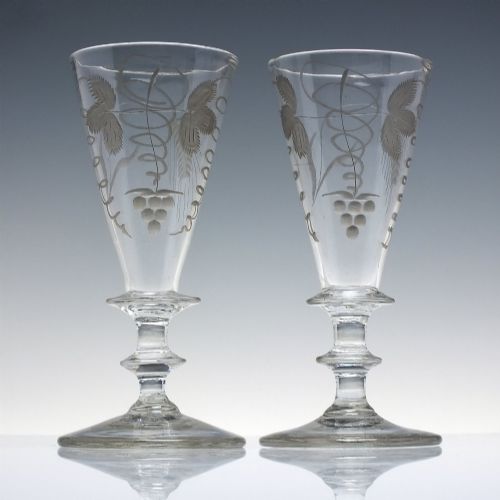
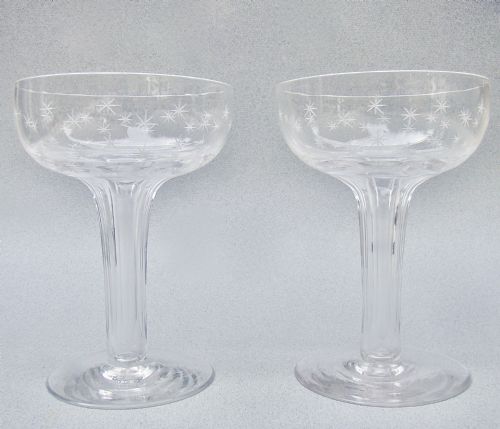
These items utilise lead glass and crystal, shaped by hand-blowing into moulds or free-blown to form the bowl and stem. Workers applied silver plate mounts and intricate surface engraving, including star-etching and acid-cut cameo details.
Coloured glass variations were achieved through overlay techniques, fusing layers of contrasting hues before cutting back the outer surface to reveal the base colour underneath.
Pair Wine Glasses Retail Price Guide 2026
Typical asking prices for pair wine glasses among the pieces listed under this phrase on Sellingantiques today, from the lower quarter to the upper quarter. They describe what is for sale here now, not the wider market.
Listings feature lead crystal, coloured glass, and silver plate across Georgian, Victorian, and Edwardian periods.
What varies in quality
Quality rests upon the clarity of the metal, the precision of the wheel-cut facets, and the depth of any hand-engraved motifs. Earlier Georgian and Victorian pieces demonstrate superior heft and resonance in the glass.
Matched symmetry between the two items determines desirability, alongside the saturation and consistency of coloured overlays such as cranberry and Bristol blue.
Walsh & Walsh·James Powell·Baccarat·Salviati·Stevens & Williams
The Pair Wine Glasses Glossary
- Ogee
- A bell-shaped bowl curving outwards at the rim with an S-shaped profile, common on Georgian rummers.
- Lead crystal
- Heavy glass containing lead oxide that increases brilliance, weight, and the ring when struck.
- Overlay
- A technique fusing a layer of coloured glass over a clear body, allowing cutters to expose the base layer.
- Prussian
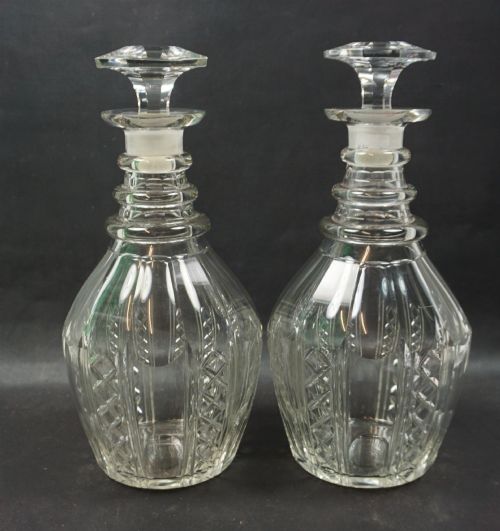
- A cylindrical decanter style with three neck rings, popular during the Georgian period.
- Rummer
- A large, sturdy glass traditionally used for ale, wine, or punch during the eighteenth and nineteenth centuries.
Pair Wine Glasses: Frequently Asked Questions
How do I date an old wine glass?
Dating relies on examining the weight, pontil mark on the base, bowl shape, and cutting style. Georgian pieces often display heavier lead metal and polished pontils, while Victorian examples introduce brighter colours and star-etching.
Changes in taxation and manufacturing technology across the nineteenth century also altered the thickness and chemical composition of the glass, helping to narrow the era of production.
Are coloured wine glasses later additions?
Coloured glass vessels were produced extensively throughout the Victorian and Edwardian eras. Shades like Bristol blue, cranberry, and green overlay date directly to these nineteenth and early twentieth-century periods.
Makers achieved these rich tones using metallic oxides within the glass batch or by fusing layered coloured glass before cutting.
Can I use antique glasses for dining?
Many collectors use antique stemware for special occasions, provided they receive careful hand washing. The durable lead crystal and robust rummers of the Georgian and Victorian periods were built for regular use.
Sudden temperature changes and modern dishwashers should be avoided to protect the aged glass and any delicate silver plate mounts.
What is the difference between a rummer and a wine glass?
Rummers possess a larger, wider bowl and a shorter, sturdier stem designed for heavier ales, wines, or punch. Standard wine glasses feature more delicate proportions suited to smaller pours.
Both forms appear frequently in nineteenth-century dining settings, often sharing similar cutting and engraving styles.