


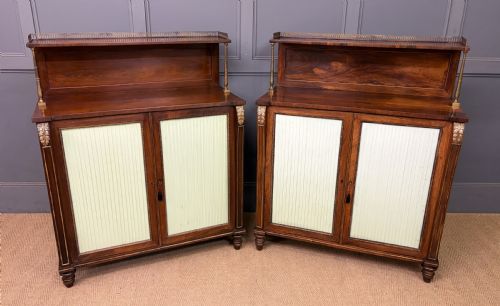
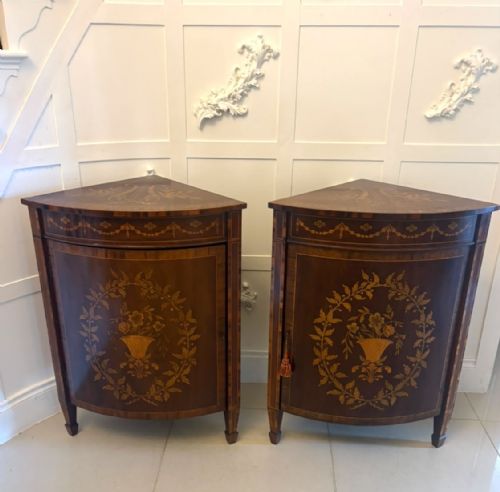
Pair Storage Cabinets
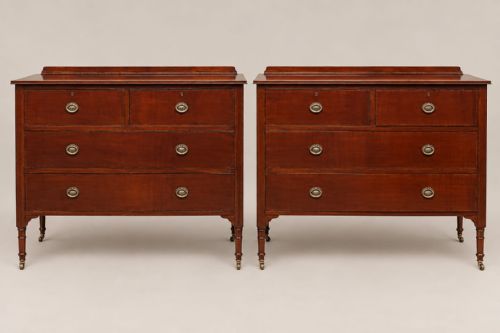
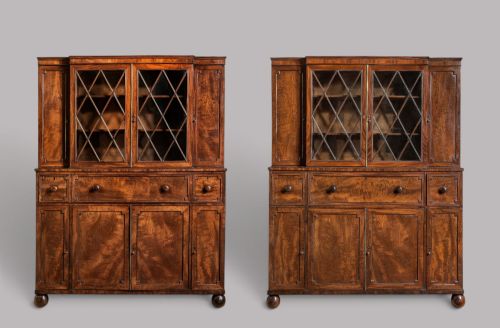
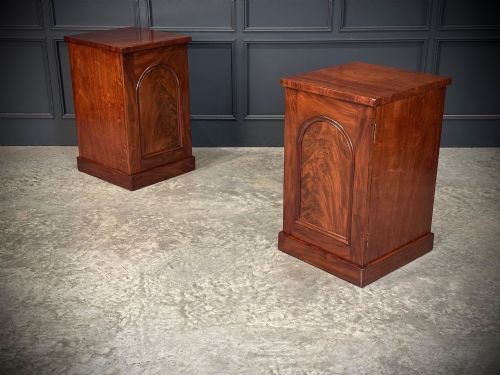
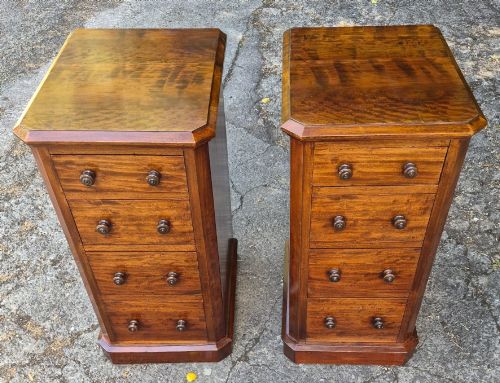
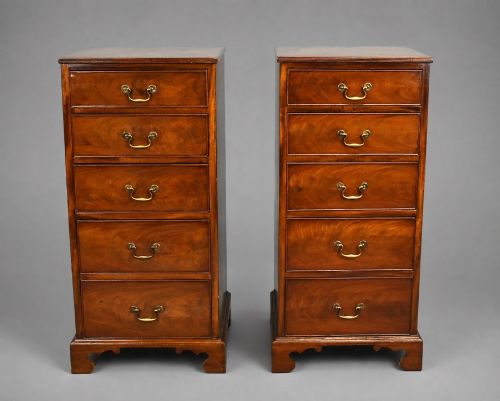
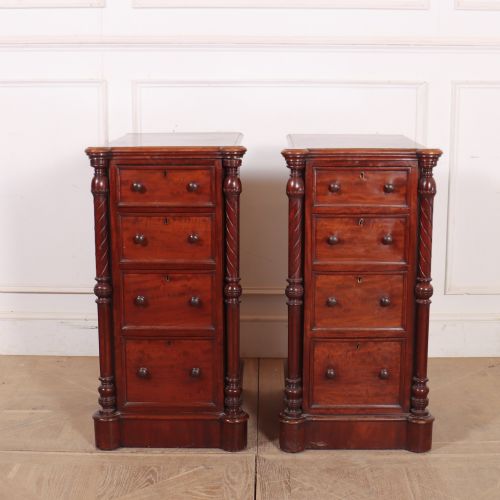
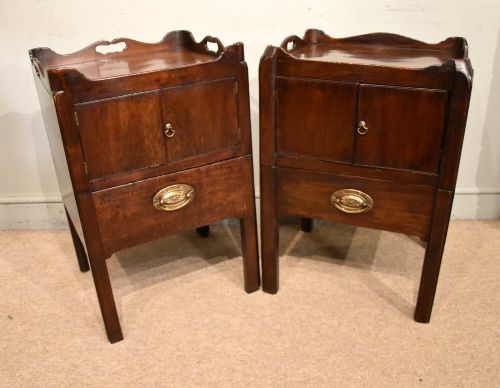
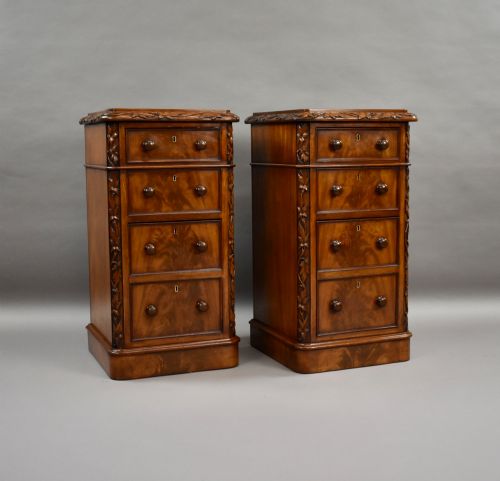
Pair antique storage cabinets provide matching symmetry and enclosed storage, most frequently appearing here as mahogany bedside chests, commodes, and side cupboards from the eighteenth to the twentieth centuries.
Pair Storage Cabinets
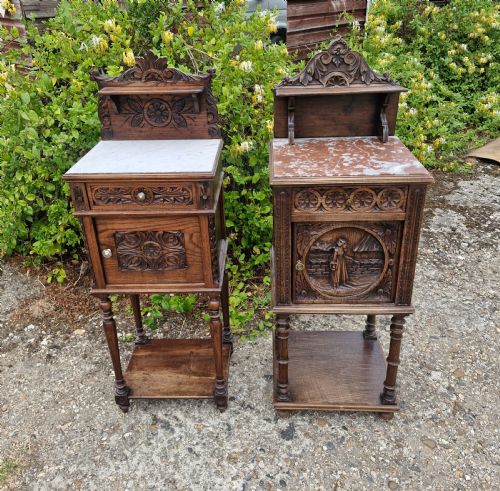
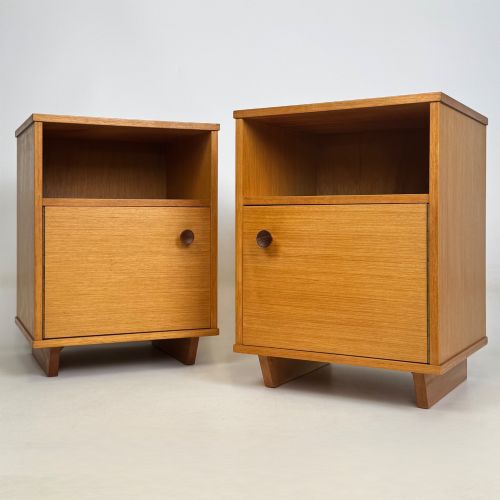
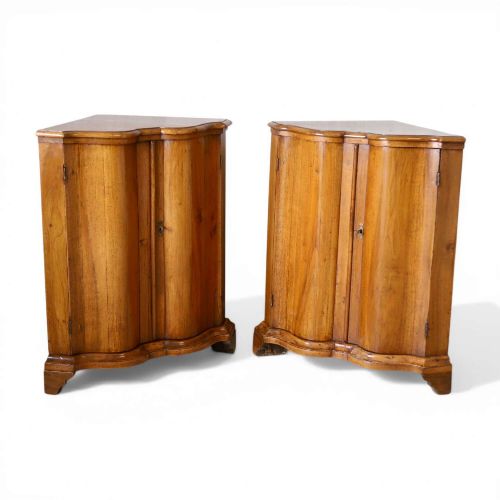
When you search for pair antique storage cabinets, you encounter matched sets designed to flank a bed, wall, or fireplace, bringing architectural balance to a room. The selection spans compact bedside chests, tall bedside tables, corner cupboards, and larger side cabinets.
The most common forms on this page are bedside cabinets and chests of drawers from the Victorian and later periods, alongside eighteenth-century commodes and side cabinets. These pieces served practical domestic functions, from holding washware and night items to housing books and linen.
Origins vary from English workshops to French, Italian, Scandinavian, and Chinese makers, demonstrating diverse regional tastes in storage furniture. Materials range from native oak and pine to exotic imported timbers like mahogany and walnut.
How they were made
Cabinet makers utilised solid woods like mahogany, walnut, oak, and pine for carcass construction, often applying fine veneers such as burr walnut, kingwood, or satinwood to visible surfaces. Marquetry, parquetry, and lacquer work provided decorative geometric and pictorial motifs.
Surface treatments included wax polishing, French polishing, and painted finishes, while structural hardware incorporated cast brass handles, escutcheons, and occasional ormolu mounts. Marble tops appeared on several continental commodes and English cupboards to provide a durable, wipeable surface.
One curious pairing offers storage not just for books, but specifically for sheet music and shoes.
What varies in quality
The standard of timber selection sets individual pairs apart, with figured grains, symmetrical flame mahogany, and matched burr walnut indicating greater initial cost and craftsmanship. Subtle details in the joinery, such as finely cut dovetails on drawer boxes and precise inlay work, distinguish superior workshop output from standard production.
Proportion and execution of decorative elements, including hand-carved mouldings, crisp brass mounts, and well-fitted doors or drawers, govern the overall distinction of a pair. The fidelity of matching between the two individual cabinets also determines desirability, as true pairs share identical grain patterns and dimensions.
Gillows·D Napier & Sons
The Pair Storage Cabinets Glossary
- Commode
- A low cabinet or chest of drawers, often with a decorative top, originating in French furniture design. They frequently feature serpentine fronts and fine veneers.
- Marquetry
- The art of applying pieces of veneer to a structure to form decorative patterns and pictures. Makers used various coloured woods to achieve tonal depth.
- Parquetry
- A geometric mosaic of wood pieces used for decorative floors and cabinet surfaces. It relies on precise angular fitting.
- Ormolu
- Gilded bronze used for decorative mounts and furniture hardware. It adds metallic contrast to dark cabinet timbers.
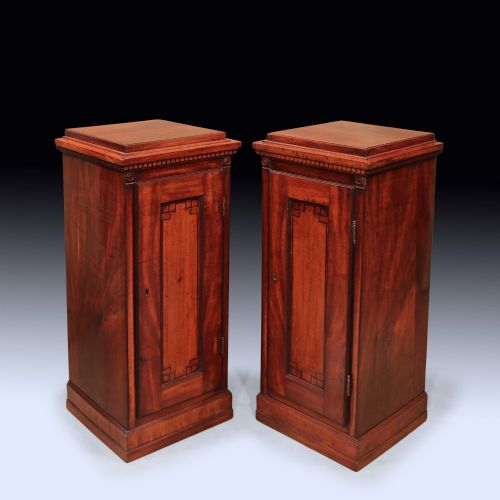
- Pedestal cupboard
- A freestanding enclosed storage unit, often tall and narrow. These pieces open with a single door to reveal internal shelving.
Pair Storage Cabinets: Frequently Asked Questions
Are these cabinets sold as a matched pair?
Yes, the listings comprise matched or closely paired cabinets intended to be used together for symmetrical interior placement.
Most items share identical periods, materials, and overall dimensions to ensure they balance a room visually.
What rooms suit these antique cabinets?
Bedside cabinets and small chests fit bedrooms as functional nightstands with enclosed storage for personal items.
Larger side cabinets, commodes, and corner cupboards suit living spaces, hallways, or dining rooms for concealing tableware, books, or linens.
How do I identify the wood used?
Makers utilised native timbers like oak and pine alongside imported hardwoods such as mahogany and walnut.
Figured variations, including flame mahogany and burr walnut, display distinct swirling grain patterns visible across the drawer fronts and doors.
What periods do these cabinets represent?
The pieces span multiple centuries, including Georgian, Regency, and Victorian eras, extending into early twentieth-century Edwardian and Art Deco designs.
Construction styles and decorative motifs reflect the prevailing aesthetic of each specific era.