






Pair Armoires
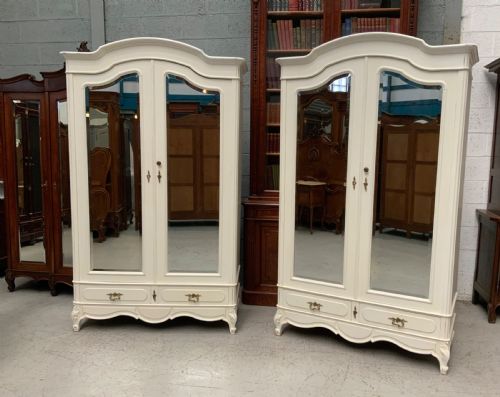
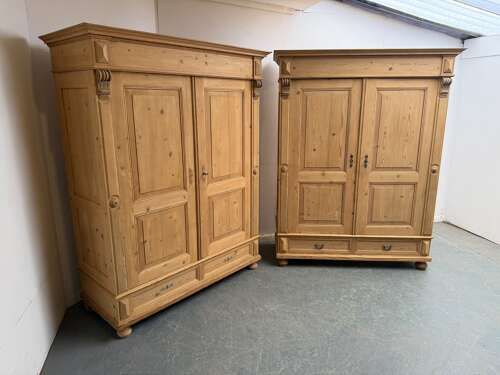
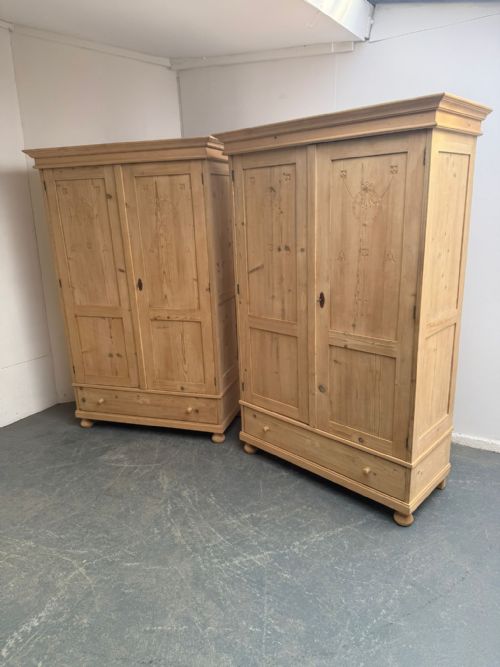
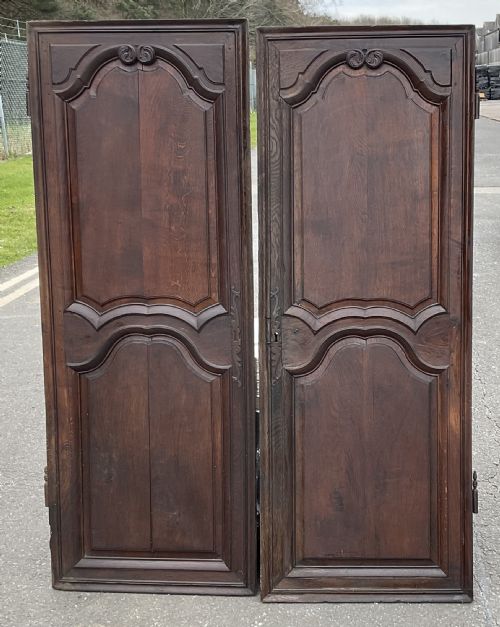
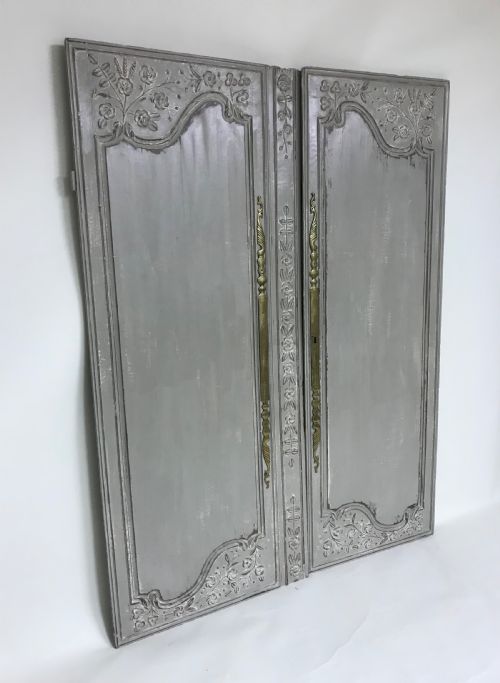
Pair antique armoires bring matching storage and French provincial presence to a bedroom, offering twin cabinets or wardrobes built for serious clothing.
Pair Armoires
When you search for pair antique armoires, you encounter matched sets of large storage furniture, predominantly wardrobe pairs, knockdown wardrobes, and companion cabinets. These pieces span periods from the nineteenth century through the Edwardian era, incorporating French provincial styles alongside Victorian, Arts and Crafts, and Scandinavian Biedermeier designs.
Most pieces date from the nineteenth and early twentieth centuries, reflecting regional European and international cabinetmaking traditions. Buyers find matching furniture suites or near pairs designed to provide symmetrical storage capacity in large bedrooms.
How they were made
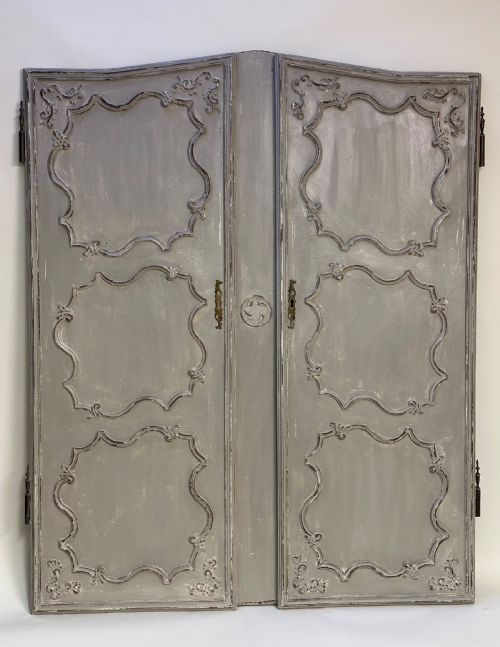
Cabinetmakers constructed these armoires using solid woods and veneers including oak, walnut, cherrywood, pine, and burr walnut, often mounting them with brass hardware and glass panels. Master joiners utilised traditional techniques such as hand carving for decorative panels and marquetry inlay for surface enrichment.
Knockdown wardrobes were engineered with modular panels held together by pegged or bolted systems, allowing large carcasses to be dismantled for transport. Surface finishes range from natural waxed timber and black lacquer to hand-painted treatments, reflecting the workshop traditions of the period.
Pair Armoires Retail Price Guide 2026
Typical asking prices for pair armoires among the pieces listed under this phrase on Sellingantiques today, from the lower quarter to the upper quarter. They describe what is for sale here now, not the wider market.
What varies in quality
Quality in these large storage pieces rests upon the selection of timber, such as figured walnut or burr veneer, and the depth and crispness of hand carving. Superior examples exhibit balanced proportions and integrated matching grain across both cabinets, whereas utilitarian pieces rely on simpler pine construction intended for paint finishes.
The integrity of original hardware, working locks, and the precision of knockdown joinery distinguish finer cabinetmaking from standard commercial production. Preservation of original surface treatments, whether lacquer, paint, or wax, holds significant weight in determining the character of the piece.
Lamb of Manchester
The Pair Armoires Glossary
- Knockdown wardrobe
- A large wardrobe designed to be easily dismantled into separate panels and components for transport and installation. This construction method was particularly common in nineteenth-century pine furniture.
- Compactum
- A multi-functional wardrobe combining hanging space, drawers, and shelving within a single fitted cabinet. Edwardian examples often paired these with dressing tables.
- Serpentine
- A furniture front or surface curved with a convex centre flanked by concave ends, creating a flowing wave shape. This contour appears on nineteenth-century Scandinavian cupboards.
- Compound cabinet
- A traditional Chinese cabinet construction featuring multiple stacking sections or doors designed for secure storage. Examples often utilise deep lacquer finishes.
Pair Armoires: Frequently Asked Questions
What is a knockdown wardrobe?
A knockdown wardrobe is a large piece of furniture engineered to be easily dismantled into flat panels and separate components. This design allowed bulky storage units to be moved between rooms and transported without structural damage.
Cabinetmakers utilised hidden bolts, pegs, and interlocking joints so the carcass could be reassembled securely on site. Pine examples were frequently built this way for domestic use.
How do I use an armoire today?
Armoires serve as primary wardrobe storage in bedrooms lacking fitted closets, providing hanging space, shelving, and internal drawers. They also function as linen presses or media cabinets in living spaces.
Matching pairs offer symmetrical storage along a bedroom wall while creating a strong focal point. Their deep carcasses accommodate modern bulky items while concealing them behind solid doors.
Are these pieces matching pairs?
Listings include both identical matched pairs built concurrently by the same workshop and near pairs assembled from pieces with similar dimensions and timbers. Matched pairs share identical carving details, panel configurations, and wood grains.
Near pairs consist of two separate pieces selected for their complementary height, style, and finish to achieve visual balance when placed together.
How do I care for antique wood?
Maintain antique armoires by keeping them away from direct heat sources and dramatic humidity fluctuations, which cause timber to warp and veneers to lift. Dust surfaces regularly with a dry cloth and apply traditional beeswax periodically to nourish the wood.
Avoid modern liquid polishes containing silicone, as they build up residue and damage historical wax or lacquer finishes over time.