
Pair Armchair Seats
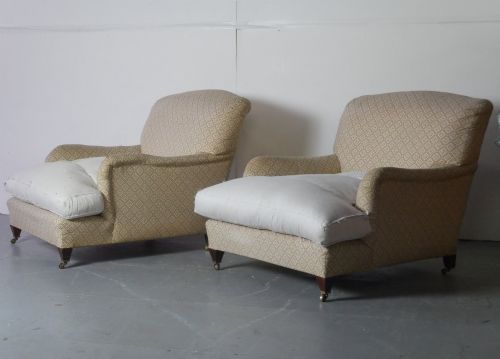
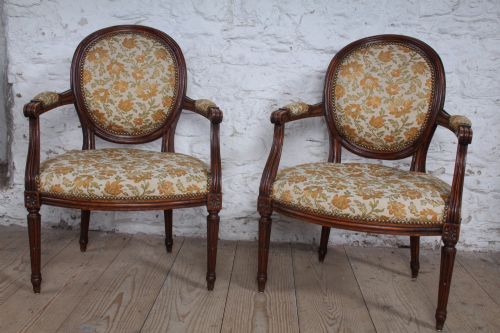
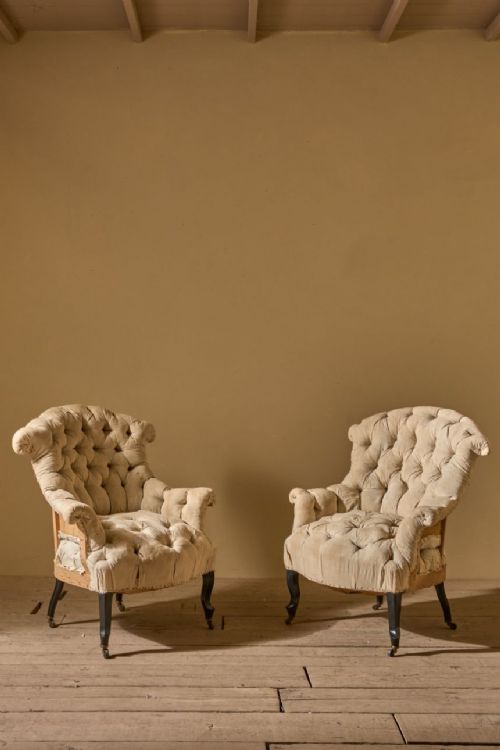
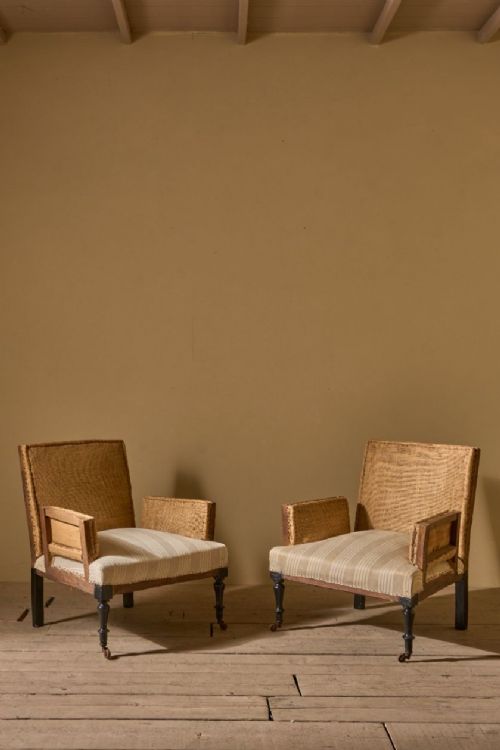
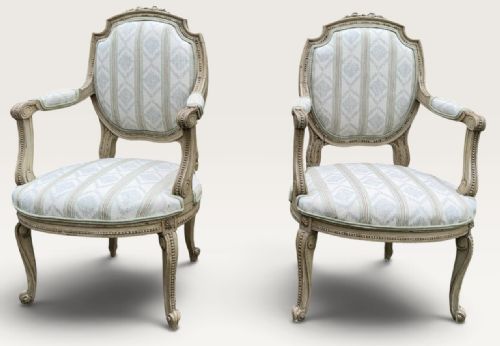
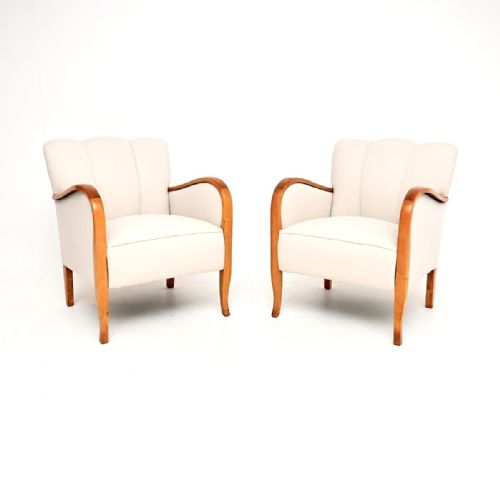
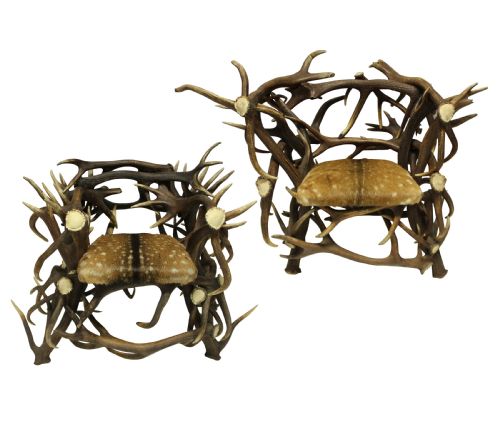
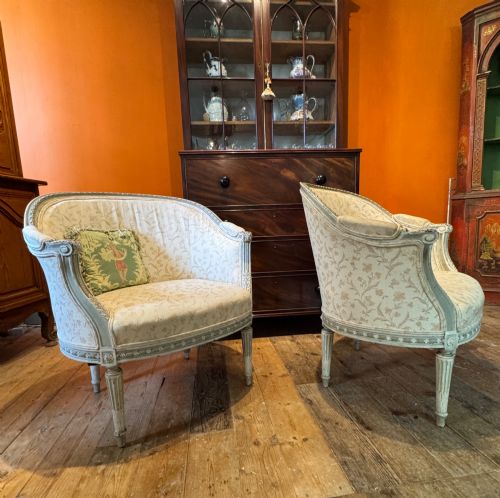
Pair antique armchair seats offer matching proportions and period character for balanced interior schemes.
Pair Armchair Seats
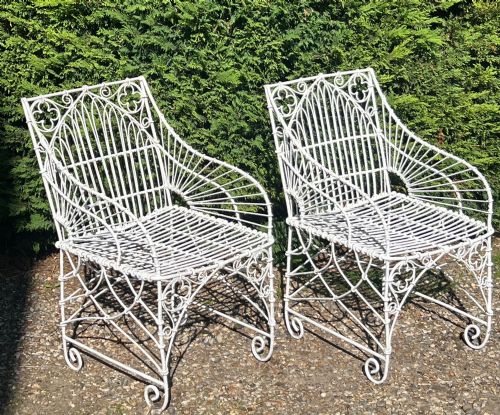
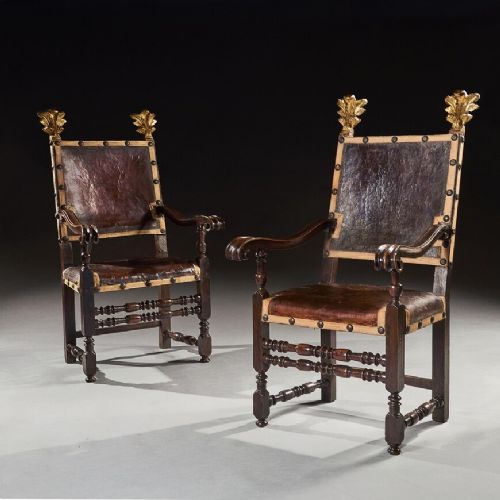
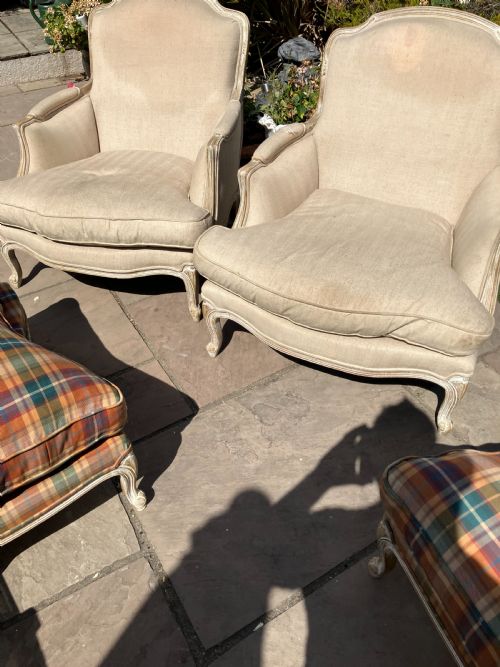
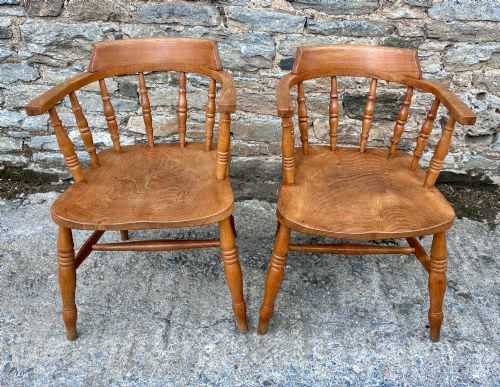
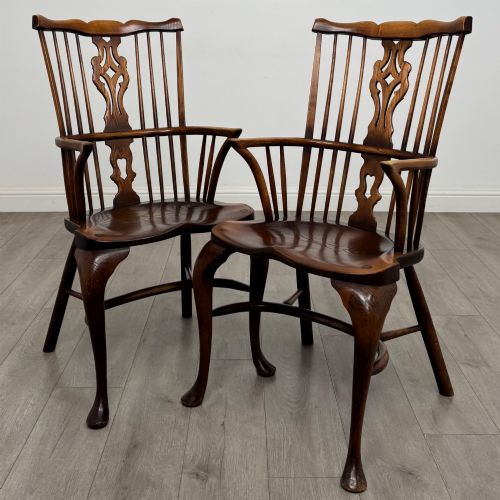
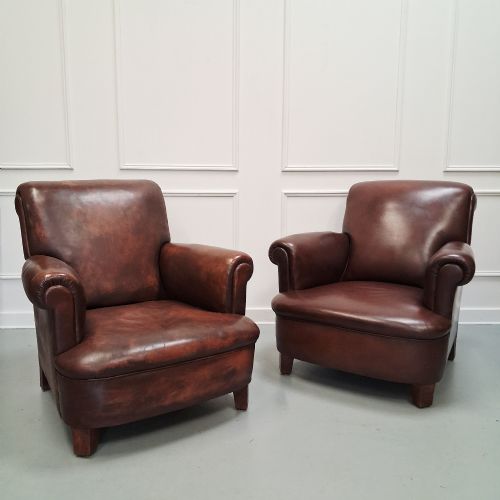
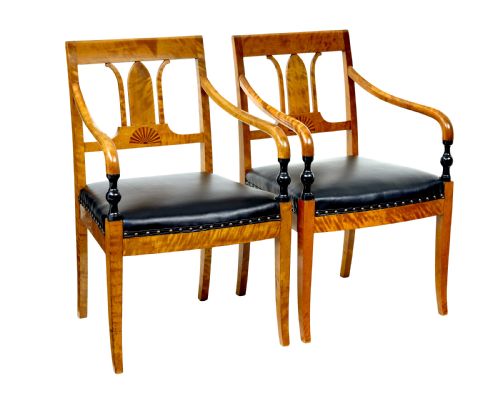
Pair antique armchair seats encompass matching sets of twin seating, spanning forms from robust Windsor and captain chairs to upholstered library and club chairs. These duos emerge from diverse eras, including the nineteenth century, Edwardian period and nineteen-thirties, reflecting regional cabinetmaking traditions across Britain, France and Scandinavia.
Buyers seeking this phrase encounter matched seating designed for parlours, libraries and reception rooms. The selection includes open armchairs, bergere tub chairs and carved walnut frames, offering duplicate seating with unified aesthetic presence.
How they were made
Construction relies upon traditional timber framing in walnut, oak, mahogany, elm and satin birch, often shaped with carved detailing or parcel-gilt finishes. Cabinetmakers joined structural components using traditional joinery methods suited to the demands of daily seating.
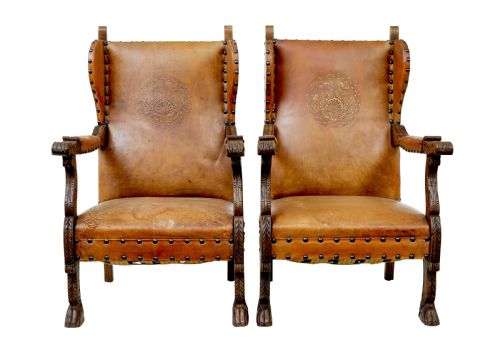
Upholstery techniques incorporate sprung or padded interiors covered in leather, calico, fabric, tapestry and embossed hide. Frames frequently feature cane panels or original painted surfaces that preserve the historical integrity of the piece.
Some chairs retain their original paint, having survived centuries of domestic rearrangement without a trip to the stripping tank.
What varies in quality
Quality rests upon the integrity of the timber frame and the precision of the carving, where crisp architectural mouldings and sculptural details distinguish superior workshop output. The retention of original surface treatments, whether polished wood, gilding or early paint layers, determines the visual depth of the object.
The degree to which a matching pair maintains exact symmetry in dimensions and proportion influences the overall success of the set. Upholstery execution, from webbing support to covering materials, dictates the comfort and finish of the seating.
Whytock & Reid·Howard and Sons
The Pair Armchair Seats Glossary
- Bergere
- An enclosed upholstered armchair with wooden framing, frequently featuring cane work to the sides and back. This French seating form gained popularity during the eighteenth century and influenced later nineteenth and twentieth-century revival pieces.
- Windsor
- A traditional wooden chair constructed with a solid saddle-shaped seat into which turned spindles and legs are wedged. These sturdy seats utilise timbers such as elm and yew for strength and flexibility.
- Parcel-gilt
- A decorative technique where specific carved details or highlights on a wooden frame are partially gilded with gold leaf. This method accentuates sculptural elements against a contrasting painted or polished wood ground.
- Club chair
- A deep, comfortable armchair upholstered in leather, originating in France during the early twentieth century. These low-slung seats prioritise relaxation and generous proportions.
- Corner chair
- A square-seated chair designed to fit diagonally into the corner of a room, typically featuring a curved backrail supported by turned columns.
Pair Armchair Seats: Frequently Asked Questions
How do I style a pair of antique armchairs?
Place matching armchairs opposite a fireplace or flank a central sofa to create visual symmetry in a principal reception room. Their unified design establishes balance within traditional or transitional interior layouts.
Position a small occasional table between the pair to form an intimate seating zone for reading or conversation. Ensure adequate clearance around the frames to highlight their carved timber or upholstered details.
Are these armchairs comfortable for daily use?
Many period armchair designs incorporate sprung interiors and deep cushioning intended for extended sitting. Nineteenth-century library chairs and twentieth-century club chairs offer substantial support for contemporary living spaces.
Consider the seat depth and back angle when selecting a pair for regular lounging. Re-upholstered pieces often combine historical frames with modern internal padding for enhanced comfort.
How do I identify the period of an armchair?
Examine the timber species, joinery techniques and decorative motifs to determine the likely era of manufacture. Nineteenth-century examples often display Gothic Revival or Renaissance influences, while nineteen-thirties pieces favour streamlined Art Deco geometries.
Compare the turned elements and carving styles against known historical design vocabularies. Secondary woods and fastener types visible beneath the frame offer further clues regarding age.