


Painted Wooden Prep Table
A painted wooden prep table brings working utility and weathered regional charm to a kitchen, dining room or hallway.
Painted Wooden Prep Table
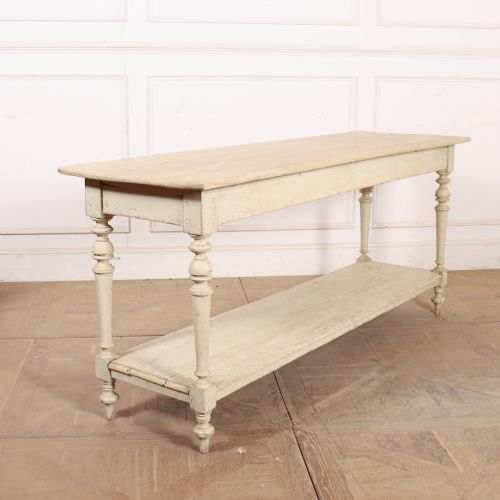
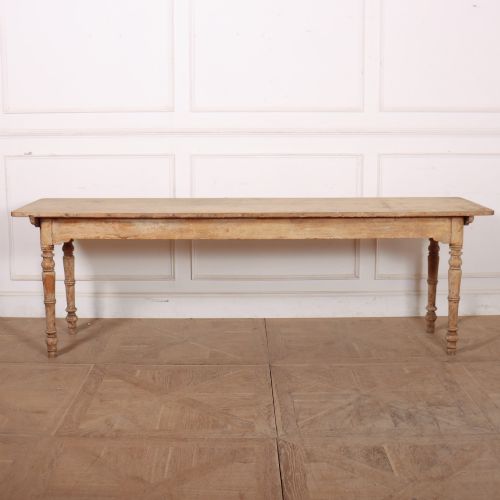
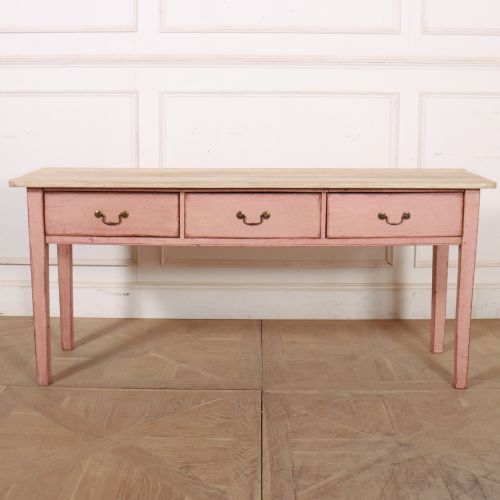
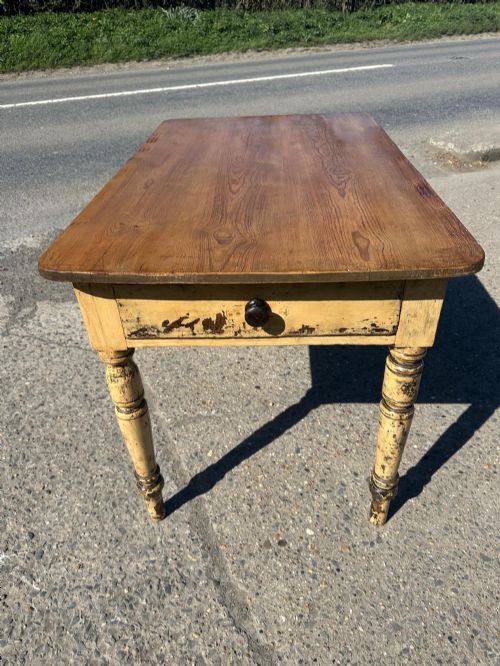
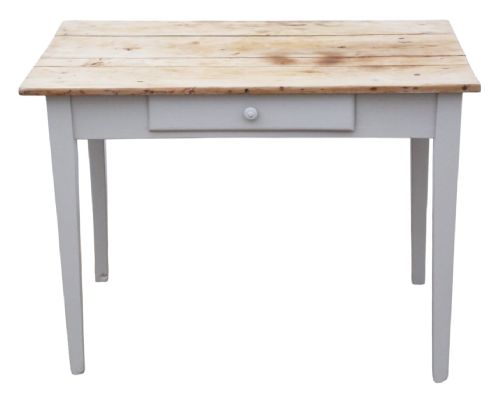
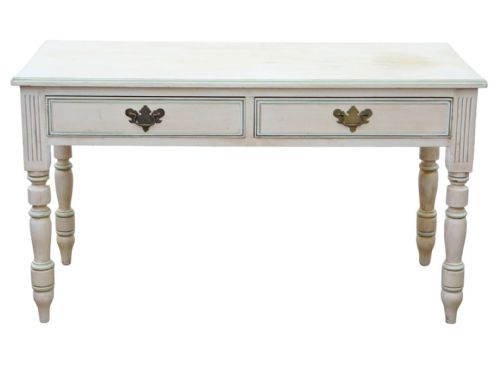
A painted wooden prep table is a functional work surface rooted in domestic or commercial spaces, spanning utilitarian forms from kitchen and baking tables to drapers and servers. When searching this phrase, buyers encounter pieces primarily built from pine and timber, frequently originating from the nineteenth century across English, French, Swedish and Welsh traditions.
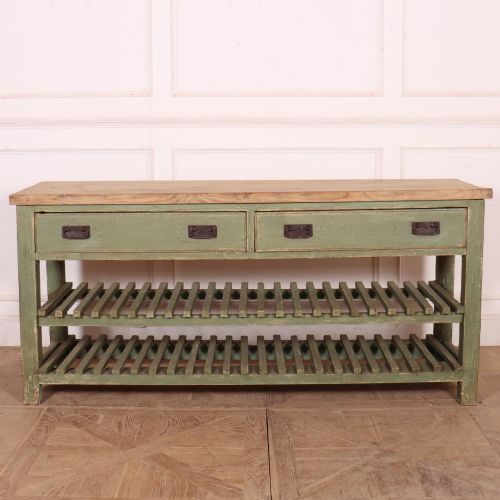
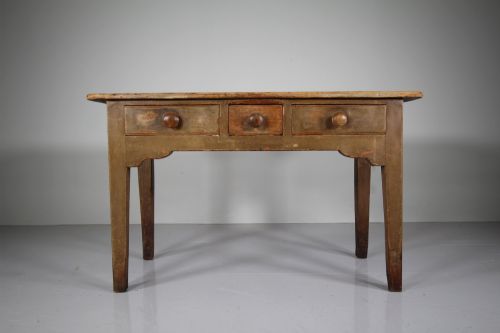
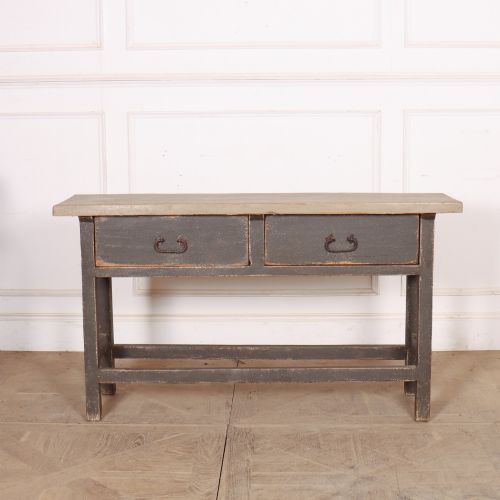
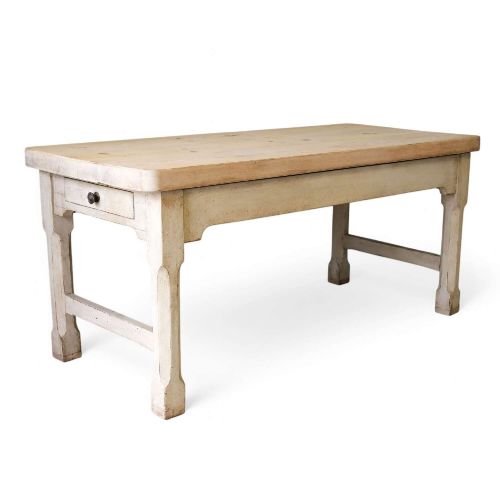
The selection ranges from large scrub-top kitchen tables and tavern tables with drawers to multi-tier florists' work tables and console servers. Many examples display the practical necessities of past utility, including pot shelves, drawers, and surfaces designed for heavy daily use.
Regional variations shape these forms distinctly, from Swedish Falu paint applications and Italian console proportions to English country house tables and French pastry counters with marble tops. These variations ensure that every surviving piece carries the physical markers of its original workshop or domestic environment.
Materials and Construction
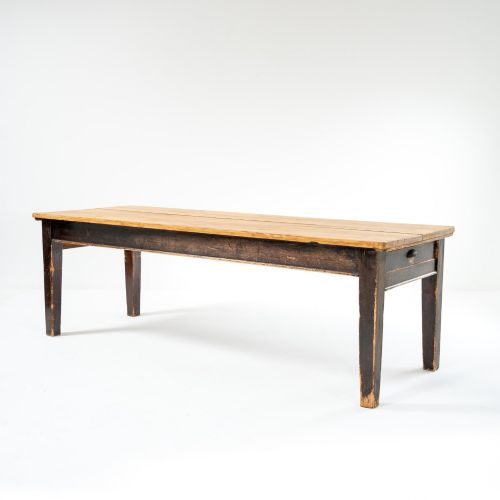
Construction relies heavily on sturdy pine and mixed timber, paired with functional hardware in brass and iron. Structural joinery prioritises endurance, often featuring cleated ends, plank tops, and sturdy framework designed to withstand constant labour.
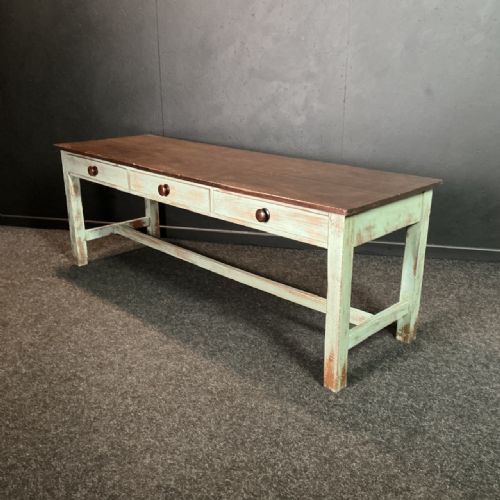
Surface finishes form an integral part of the manufacturing story, alternating between scrubbed wooden tops and applied coats of paint. Pieces display diverse finishing histories, from original pigmented schemes and traditional Falu paint to subsequent layers of later paint.
Listings feature nineteenth-century pine, oak, and iron construction alongside painted wood and timber from English, French, Swedish, and Italian origins.
Judging Quality and Character
Quality in these working tables rests in the integrity of the timber, the honesty of the construction, and the character of the surface finish. Superior examples maintain balanced proportions, robust joinery, and patinated surfaces that reflect decades of genuine service.
The distinction between ordinary and exceptional often lies in the preservation of original paint layers versus later overpainting, alongside thoughtful details like integrated drawers, pot shelves, and distinctive regional structural traits.
The Painted Wooden Prep Table Glossary
- Scrub-top
- A wooden table top designed for frequent washing and scouring with water and sand, leaving the timber pale and deeply textured. This surface treatment is typical of nineteenth-century kitchen and dairy tables.
- Falu red
- A deep red paint originating from copper mines in Sweden, utilised extensively for protecting timber surfaces. It provides a distinct matte finish found on Scandinavian country furniture.
- Drapers table
- A long, narrow work table traditionally used in textile shops for measuring and cutting cloth. They frequently incorporate multiple drawers and lower shelves.
- Pot shelf
- A low auxiliary shelf positioned beneath a table top, designed for storing heavy pots and culinary utensils. This feature enhances the utilitarian nature of country kitchen furniture.
- Cleated ends
- Wooden battens fastened across the ends of a plank top to prevent warping and movement. This traditional technique secures the stability of large dining and work surfaces.
Painted Wooden Prep Table: Frequently Asked Questions
What is a painted wooden prep table?
A painted wooden prep table is a utilitarian work table originally utilised for food preparation, baking, or trade work in domestic and commercial settings.
These pieces typically combine a sturdy timber frame with a painted base and often feature scrubbed wooden tops designed for heavy daily use.
How do I care for a scrub-top table?
Scrub-top tables require minimal intervention to preserve their historic dry timber texture.
Clean surfaces with a dry or lightly damp cloth, avoiding harsh chemical polishes that can penetrate and alter the historic patina of the wood.
Are painted finishes on these tables original?
Paint histories vary significantly, with some pieces retaining their original pigment while others display subsequent layers of later paint.
Examination of the wear patterns and underlying timber usually reveals whether the paint coating dates to the original period of use or was applied at a later date.
Where were these tables typically used?
These tables served practical functions across domestic kitchens, dairies, taverns, and retail shops throughout Britain, France, Sweden, and Italy.
Their robust construction was tailored to specific regional tasks such as pastry making, drapers' cutting, or general household preparation.