

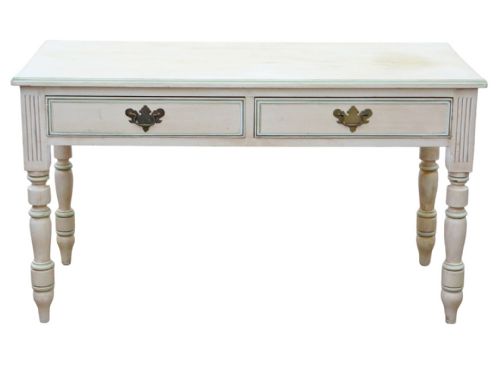


White Painted Prep Table
A white painted prep table brings honest utility and weathered charm to a room, offering robust surfaces shaped by decades of actual work.
White Painted Prep Table
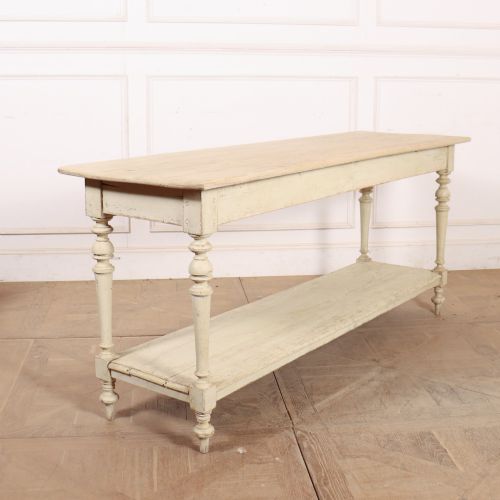
A white painted prep table is a functional work surface encountered across various regional styles, including French, English, Hungarian, and Swedish country traditions. These pieces predominantly date from the nineteenth century through the early twentieth century, spanning periods like the Victorian era.
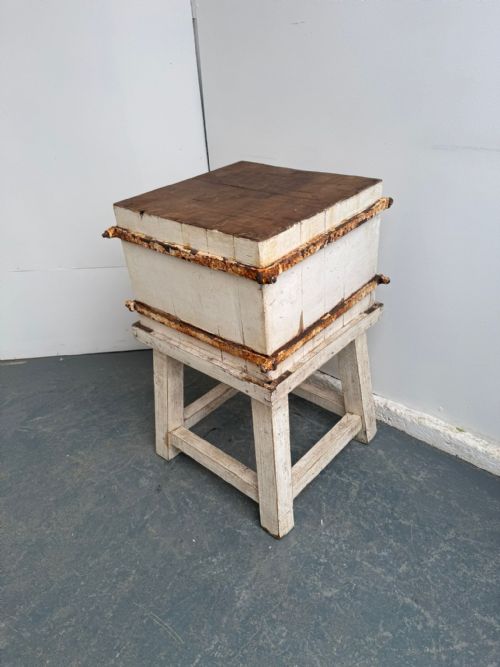
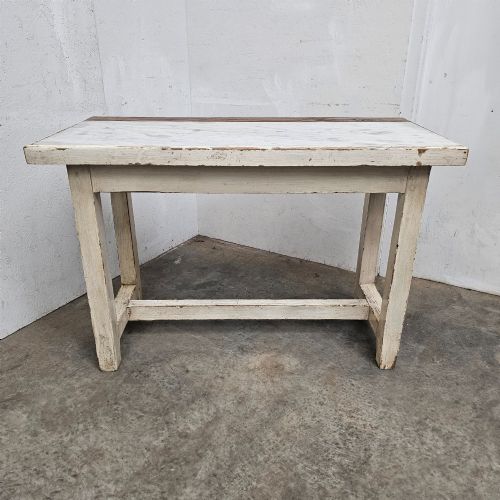
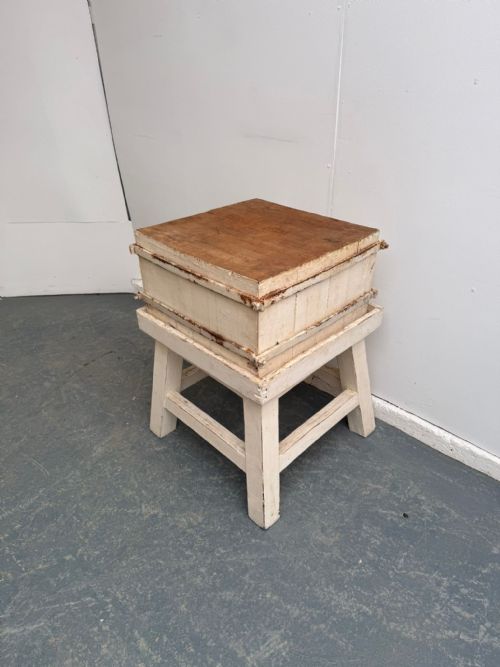
Buyers mostly meet robust forms built from pine and softwood, carrying accumulated layers of old or later white paint. The primary functions range from traditional preparation tables and butchers blocks to drapers tables, work tables, and kitchen tables equipped with drawers.
Materials and construction
Construction relies heavily on solid pine and softwood timbers, occasionally paired with heavy iron or metal elements and smooth marble tops for specialised tasks like charcuterie preparation. These materials formed sturdy frames designed to withstand daily domestic and commercial labour.
Surface treatments involve manual application of paint over wood, often resulting in complex layers that reveal age and wear over generations of use. Joinery is straightforward and utilitarian, prioritising structural endurance over decorative flourish.
White Painted Prep Table Retail Price Guide 2026
Typical asking prices for white painted prep table among the pieces listed under this phrase on Sellingantiques today, from the lower quarter to the upper quarter. They describe what is for sale here now, not the wider market.
Several tables retain stubborn layers of old paint that stubbornly survived multiple centuries of kitchen spills.
Assessing quality
Quality rests in the integrity of the timber frame and the authentic character of the surface patination, particularly where genuine layers of old paint accumulate naturally over time. Pieces with integrated drawers or specialist surfaces like marble demonstrate higher utility and more considered original design.
Proportion and scale dictate the visual success of the piece, with larger Swedish and Hungarian formats offering distinct presence compared to standard side or console tables. The distinction lies in whether the wear comes from honest historical use rather than artificial distress.
The White Painted Prep Table Glossary
- Prep table
- A sturdy wooden work table historically used for culinary preparation or trade tasks. These items feature durable tops and often include drawers for utensils.
- Butchers block
- A heavy, thick-topped work table designed for cutting and preparing meat. They utilise dense timbers to absorb heavy impacts.
- Drapers table
- A long, narrow table traditionally used in fabric shops for displaying and measuring cloth. Their elongated proportions distinguish them from standard dining formats.
- Softwood
- Timber derived from conifer trees, such as pine, which was widely utilised for utilitarian domestic furniture. It provides a lighter structure that accepts paint finishes readily.
- Patina
- The surface alteration and mellowing that timber and paint acquire through age, handling, and wear. It serves as a visual indicator of a piece's history.
White Painted Prep Table: Frequently Asked Questions
What rooms suit a white painted prep table?
These tables function naturally in kitchens as central preparation islands or dining surfaces where robust utility is valued.
They also sit comfortably in pantries, boot rooms, or large living spaces as side or console tables that anchor a rustic interior scheme.
How do I clean a painted wooden surface?
Dust the surface regularly with a dry cloth and clean gently using a damp cloth with mild, non-abrasive soap.
Avoid harsh chemical solvents or excessive water that might compromise the historical paint layers and underlying softwood.
Are these tables suitable for daily kitchen use?
Most pieces were built precisely for heavy domestic or trade work, making them inherently robust for contemporary kitchen environments.
Care should be taken with untreated wooden surfaces or antique marble tops regarding moisture and staining during food preparation.
How do I identify the period of a prep table?
Dating relies on examining construction methods, tool marks, timber shrinkage, and the nature of the fixings used in the frame.
Paint analysis also helps, as accumulated layers of old paint often correspond to specific historical eras of domestic maintenance.