
Farmhouse Kitchen Prep Table
A farmhouse kitchen prep table brings honest utility and decades of character directly to the heart of the home.
Farmhouse Kitchen Prep Table
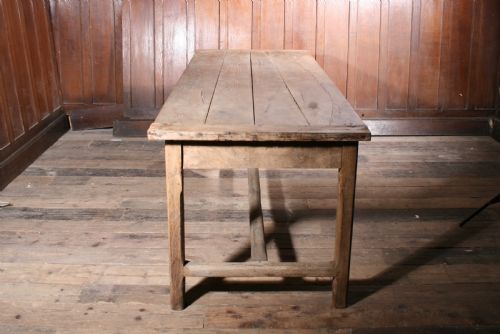
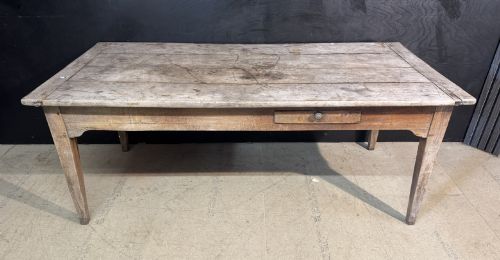
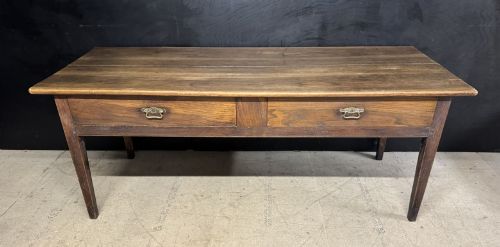
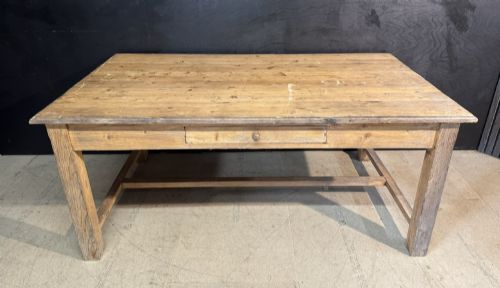
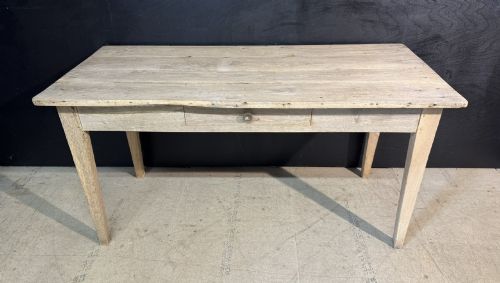
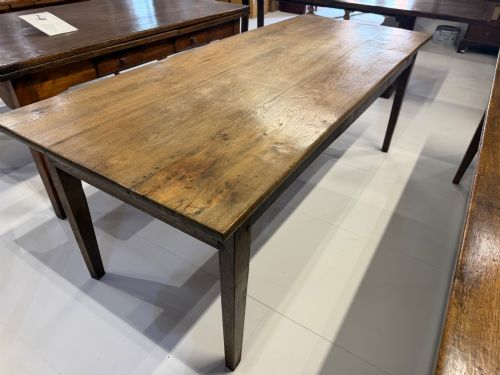
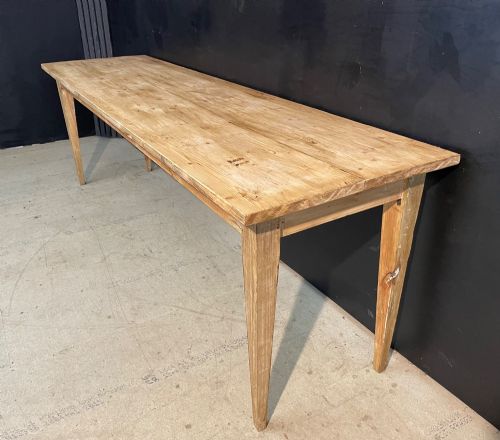
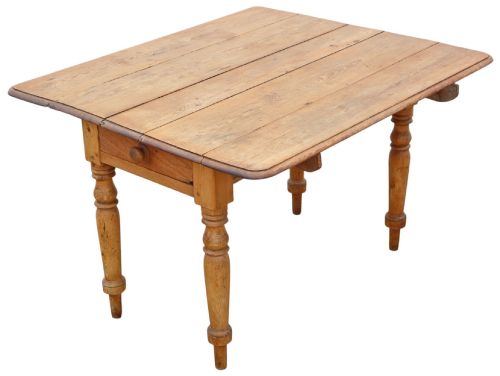
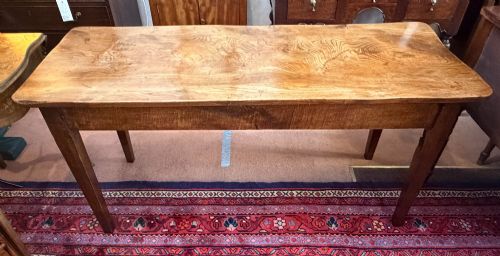
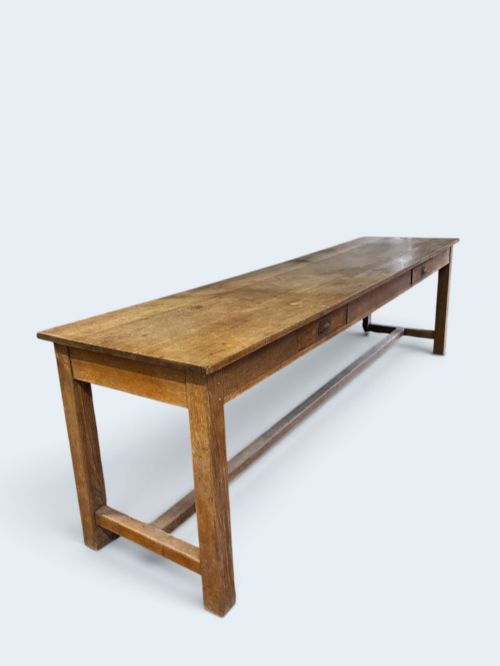
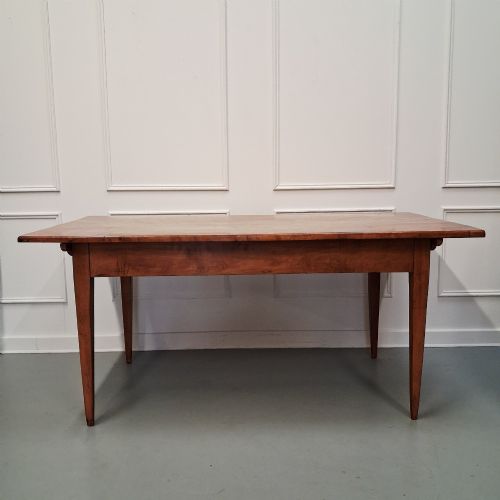
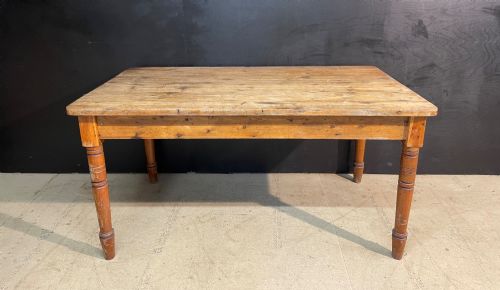
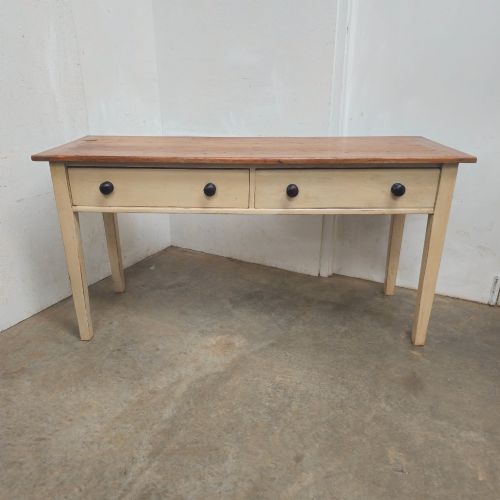
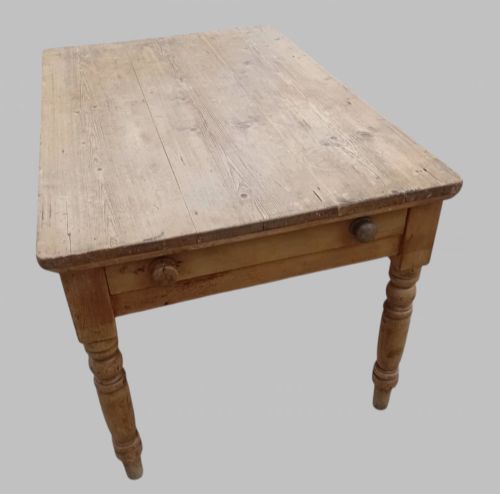
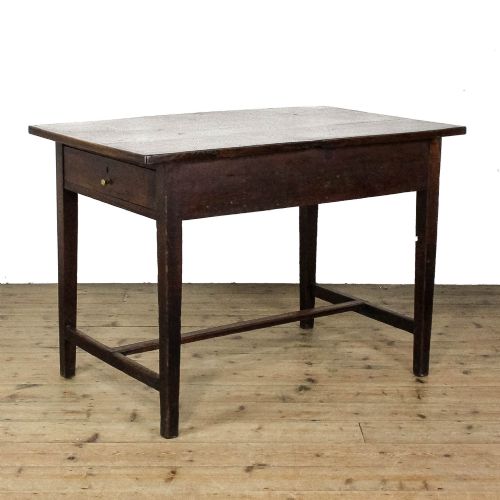
A farmhouse kitchen prep table serves as the primary workspace for domestic food preparation and communal gathering, embodying the practical demands of nineteenth and early twentieth century country life. You will encounter these pieces predominantly in pine and oak, often featuring single or multiple drawers for utensil storage and generous rectangular tops designed for daily labour.
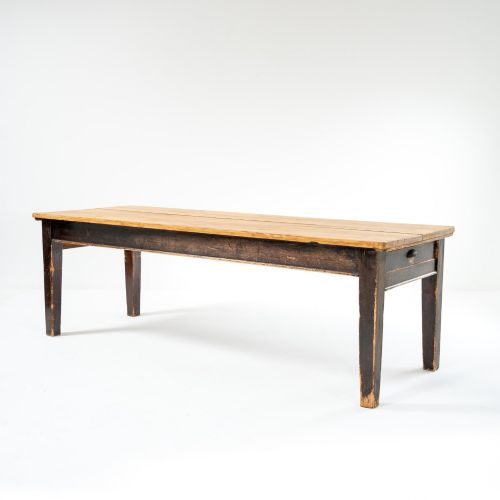
The selections span English, Welsh, Scottish, and French provincial origins, ranging from compact scullery surfaces to expansive harvest tables exceeding eight feet in length. Regional variations appear in the choice of timber and leg configuration, from tapered legs to square section supports and painted bases.
Most examples originate from the Victorian era and the early decades of the twentieth century, built for hard use in dairies, bakeries, and large country kitchens. Their enduring appeal lies in this authentic working pedigree, which distinguishes them from purely decorative dining furniture.
Indicators of quality
Quality rests in the integrity of the original timber and the degree of honest wear accumulated across generations of domestic service. Tables retaining their original scrubbed topboards and untouched painted legs command greater respect from collectors than heavily restored or overly sanded surfaces.
Proportion and structural balance dictate the finer examples, where thick timbers remain true and drawers retain their original runners and interior partitions without excessive replacement wood.
Many surviving prep tables still carry faint flour dust lodged deep within the grain from centuries of pastry making.
The Farmhouse Kitchen Prep Table Glossary
- Scrub-top
- A bare wooden tabletop designed to be repeatedly scrubbed clean with water and brush, developing a pale, undulating surface over decades of use.
- Harvest table
- An exceptionally long table traditionally built to accommodate farm labourers during seasonal gathering meals.
- Scullery table
- A utilitarian work table housed in the back utility rooms of large houses for washing, preparation, and messy kitchen tasks.
- Drop leaf
- A table featuring hinged flaps on one or both sides that can be lowered to save space or raised to expand the surface area.
- Dairy table
- A specialised low or slatted table used in milk processing and cheese making within nineteenth-century agricultural holdings.
Farmhouse Kitchen Prep Table: Frequently Asked Questions
How do I clean a scrubbed pine top?
Maintain the dry, pale finish by using warm water and a stiff natural bristle brush, avoiding harsh chemical detergents that strip the natural grain.
Allow the timber to dry thoroughly after washing to prevent warping or splitting in centrally heated modern rooms.
Were these tables originally painted?
Many utility tables featured painted bases or legs to protect the softwood from damp flagstone floors while the scrubbed top remained bare wood.
Original paint surfaces show authentic craquelure and wear that distinguish period finishes from later decorative applications.
Can I use a prep table for daily dining?
The generous proportions and sturdy construction make these tables ideal for family meals and everyday kitchen seating.
Ensure you check the clearance height beneath the drawers to confirm comfortable legroom for dining chairs.
How do I date an antique work table?
Examine the timber saw marks, construction joints, and nail types beneath the tabletop and inside the drawer linings.
Nineteenth-century examples typically display hand-planed boards and pegged mortise and tenon joinery rather than modern mechanical fixings.