
Painted Wooden Folk Art
Painted wooden folk art brings together vernacular objects and sculptures shaped from timber and finished with pigment across centuries.
Painted Wooden Folk Art
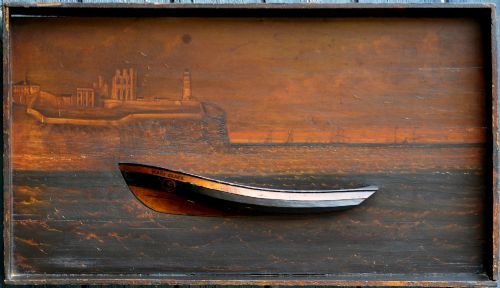
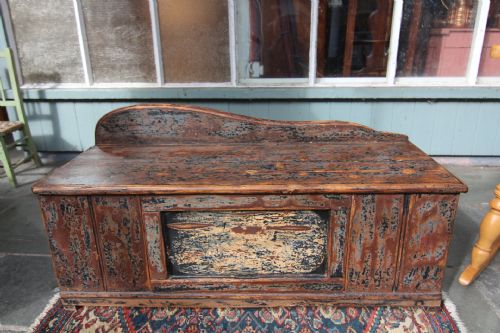
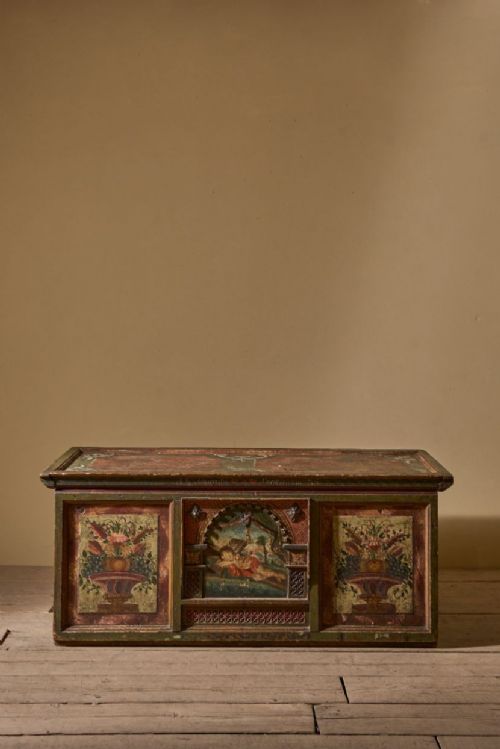
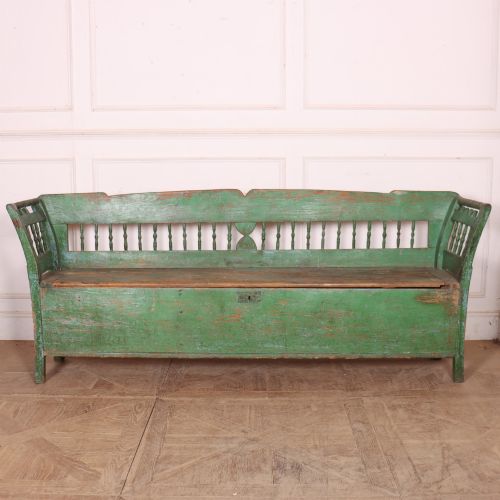
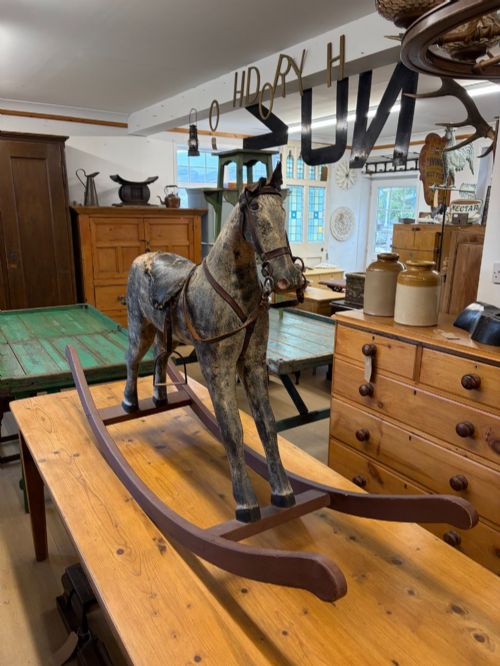
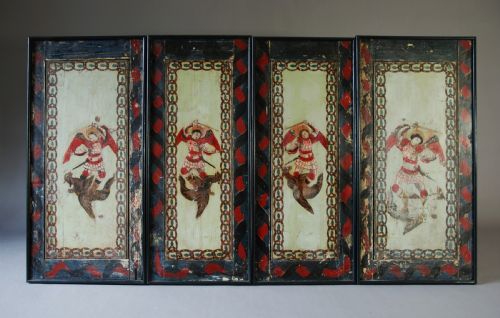
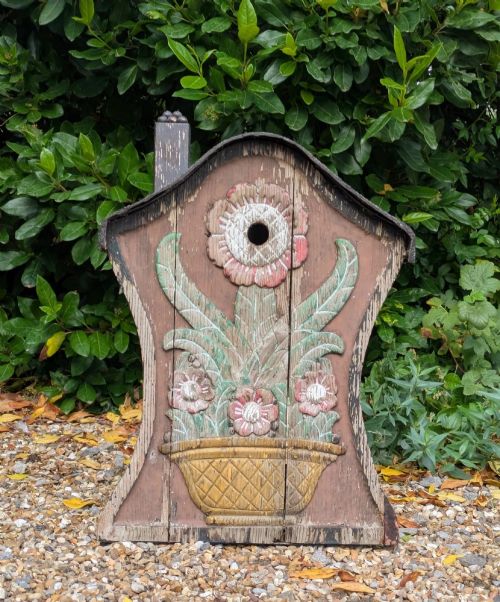
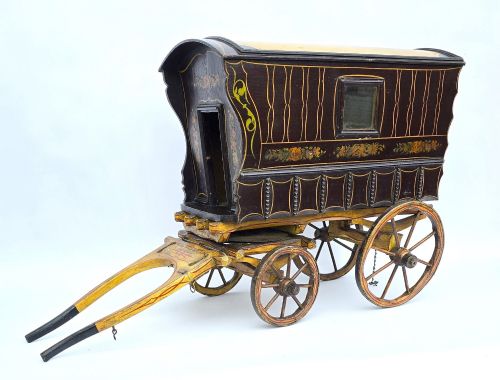
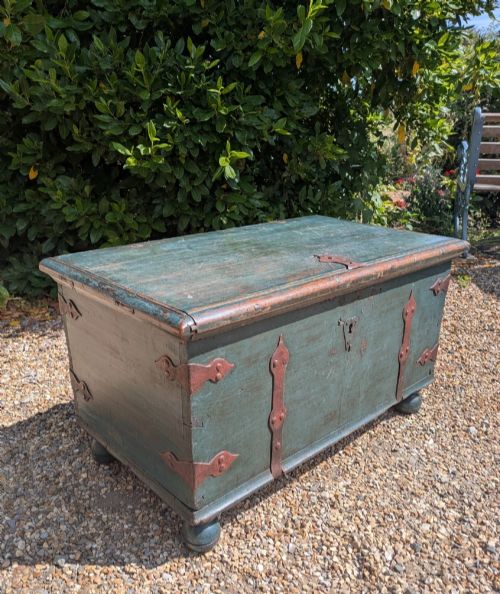
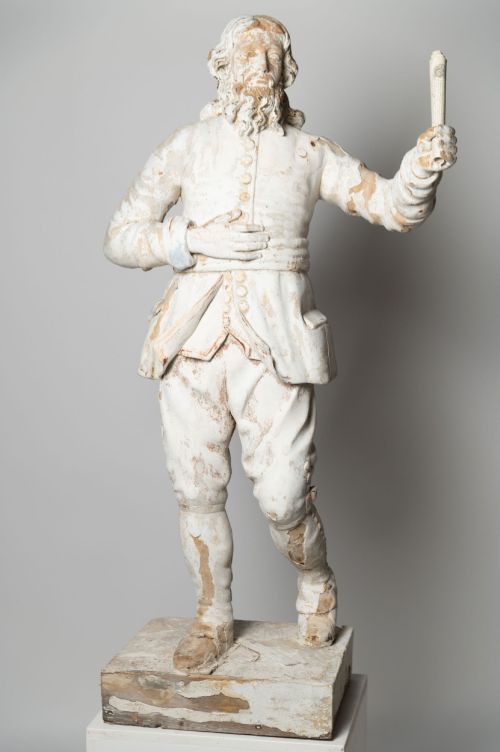
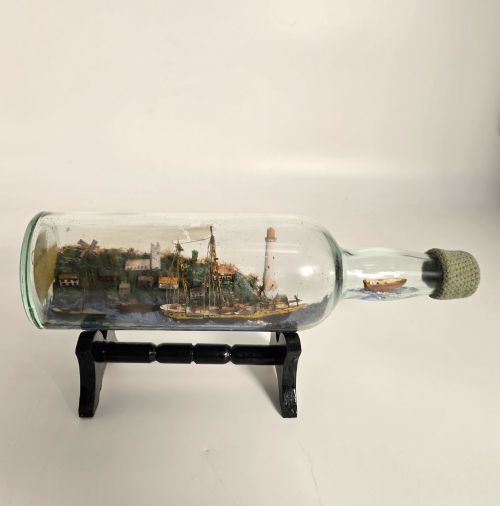
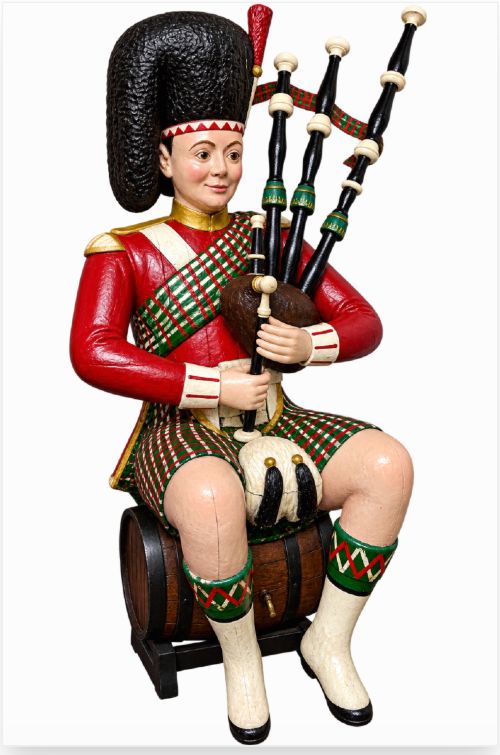
Painted wooden folk art encompasses utilitarian items, sculptures and models created across the eighteenth, nineteenth and early twentieth centuries. Pieces range from Scandinavian marriage chests and Eastern European milking stools to British decoy pigeons, maritime dioramas and tradesman figures.
Buyers encountering this material will frequently find pine furniture, carved animals, and architectural panels bearing layers of original paint. The selection bridges domestic utility and naive artistic expression from various regional traditions.
How they were made
Makers utilised available timber, predominantly pine and native woods, shaping them with hand tools, gouges and saws. Structural elements often incorporated hand-forged iron strapwork or traditional joinery.
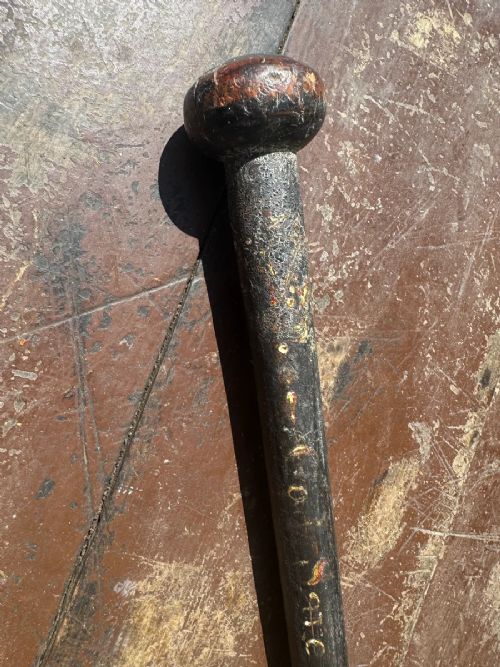
Surfaces received coats of oil or water-based paint, sometimes applied directly to bare wood or over gesso. Pigments were frequently mixed locally, leaving brush marks and patination that record the hands of makers.
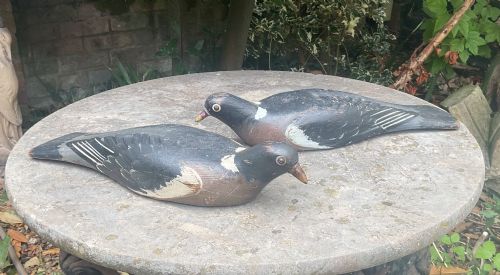
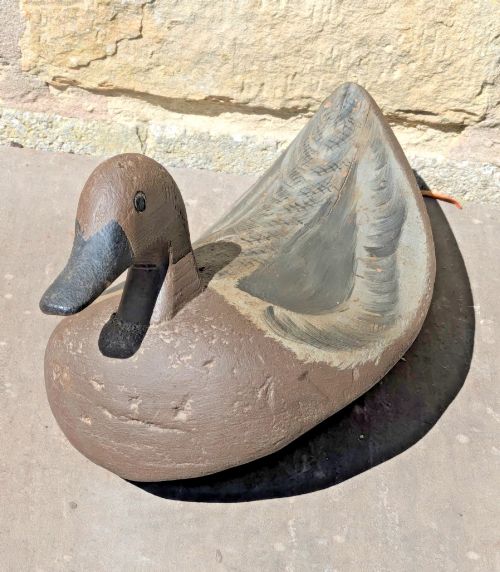
Among the carved animals, a Saint Bernard rescue dog stands ready to assist alongside a collection of decoy pigeons and ducks.
What varies in quality
The degree of artistic confidence and naive charm dictates the visual strength of a piece. Strong examples retain un-interfered original paint surfaces with honest wear, whereas over-restored items lose their historical depth.
Proportion and sculptural presence separate utilitarian output from accomplished vernacular work. Pieces bearing documented signatures, dates or specific regional traits hold distinct character.
R.D. Roberts
The Painted Wooden Folk Art Glossary
- Folk art
- Objects created by self-taught or non-professional makers working within traditional community aesthetics. These items prioritize utility, regional style and direct craftsmanship over academic convention.
- Decoy
- A carved and painted wooden bird or animal used historically to attract wildlife during hunting. Makers shaped these objects with simplified anatomical forms.
- Diorama
- A three-dimensional scene enclosed within a box or glass case, frequently depicting maritime subjects with model ships. These constructions combine painted backgrounds with carved wooden elements.
- Strapwork
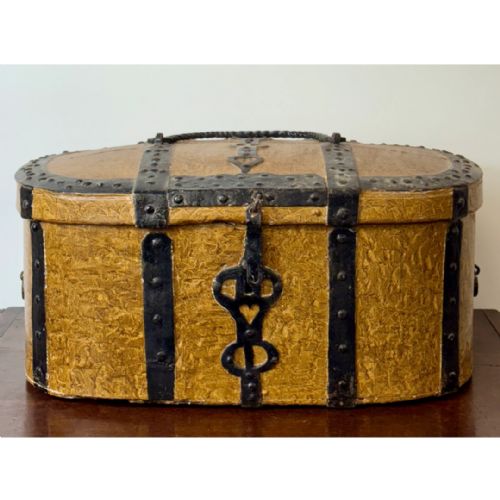
- Decorative or reinforcing bands of hand-forged iron fixed to trunks, chests and coffers. This metalwork provides structural strength while adding linear contrast to wooden surfaces.
- Polychrome
- Decorated or painted in multiple colours. The term describes objects retaining various original pigments on their wooden surfaces.
Painted Wooden Folk Art: Frequently Asked Questions
What is painted wooden folk art?
Painted wooden folk art comprises utilitarian objects, sculptures, and models made by traditional craftspeople and self-taught makers. These pieces utilise timber and display historical pigments.
Items range from domestic furniture like milking stools and marriage chests to maritime dioramas, decoy animals, and carved figures.
How do I care for painted wood?
Keep painted wooden pieces away from direct sunlight, excessive heat sources, and damp environments to protect the fragile pigments and timber. Stable indoor conditions prevent the wood from splitting and the paint from flaking.
Dust surfaces gently with a dry, soft cloth rather than using liquid polishes or chemical cleaners that might lift historical paint layers.
How can I tell the period?
Dating relies on examining the construction methods, tool marks, timber selection, and the chemical composition of the paint layers. Hand-forged ironwork and pegged joinery often indicate earlier manufacture.
Stylistic cues, regional traditions, and written inscriptions or dates help place objects within the eighteenth, nineteenth, or early twentieth centuries.
Where were these pieces made?
These pieces originate from workshops, farms, and coastal communities across Britain, Scandinavia, Eastern Europe, and Italy. Each region developed distinct forms and colour palettes.
Local materials and specific cultural traditions shaped the appearance of items like Swedish marriage chests or English decoy birds.