





Painted Wooden Desk
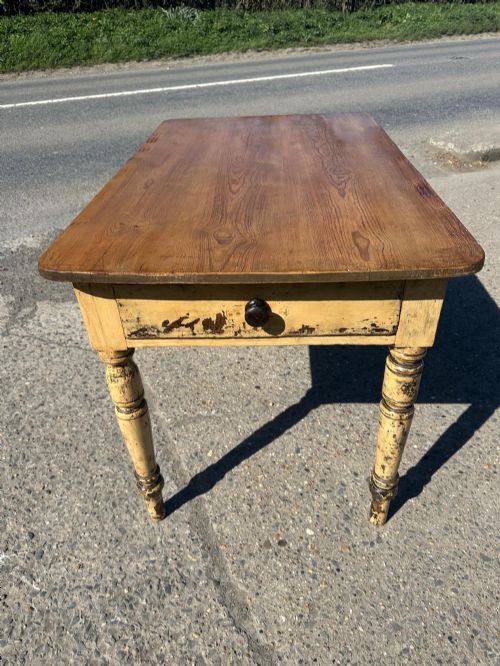
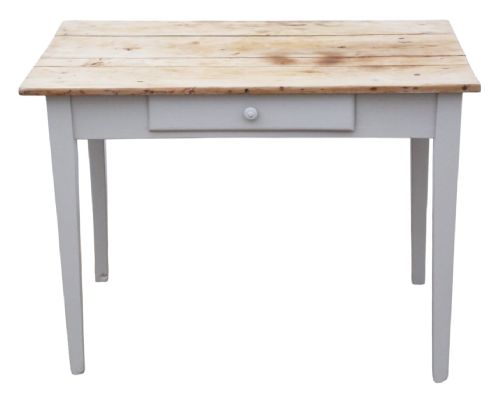
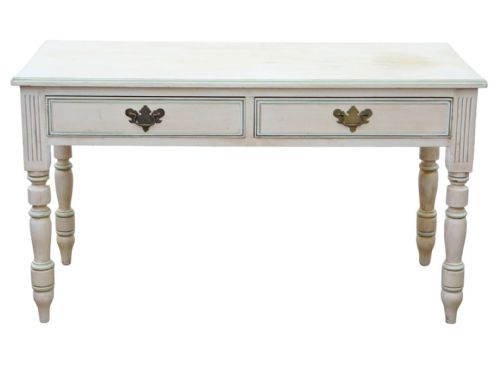
A painted wooden desk brings warmth and colour to a room through visible brushwork and timber grain.
Painted Wooden Desk
A painted wooden desk combines functional workspace with decorative surface treatments spanning several centuries. These pieces appear across Georgian, Victorian, and early twentieth-century periods, often manifesting as clerks' writing stations or fitted surfaces.
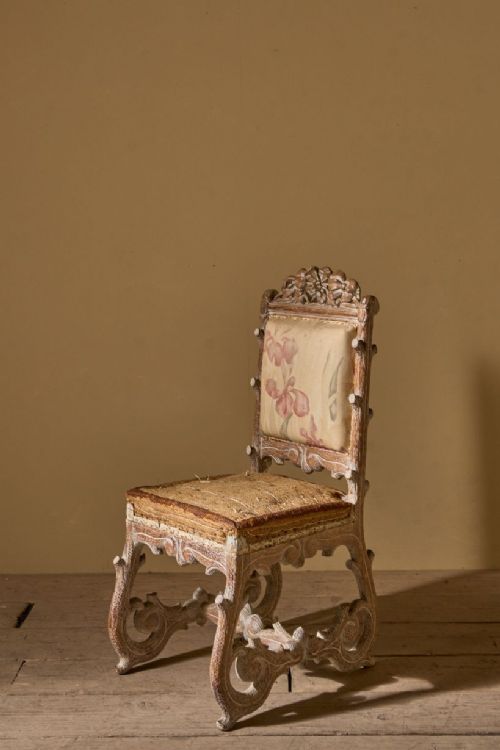
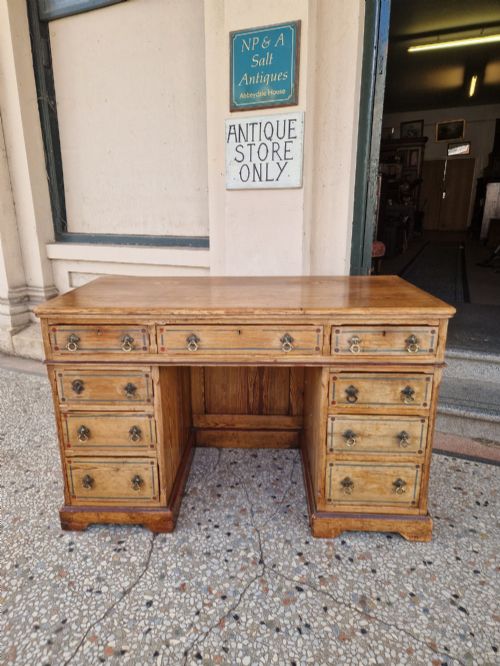
The version most likely to meet you on this page is a nineteenth-century or early twentieth-century pine piece, frequently carrying layers of historic paint. These items reflect utility traditions from English country houses to Scandinavian workshops.
Makers ranged from regional cabinetmakers applying protective coats to utilitarian timber to metropolitan artisans executing fine lacquer work and simulated grain. Each object retains the specific character of its working life.
Materials and construction
Construction relies primarily on pine and various native hardwoods assembled with traditional joints such as dovetails and mortises. Timber selection depended on regional availability, resulting in robust carcases built for daily clerical or domestic use.
Surfaces received priming coats followed by oil or water-based paint, sometimes finished with hand-painted geometric details, faux finishes, or lacquer. These coatings protected the softer underlying wood while providing a decorative finish.
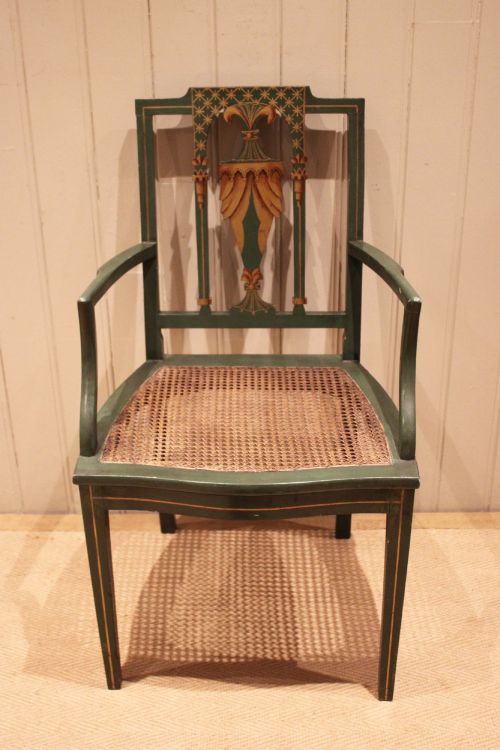
Listings feature items spanning the 18th Century through the 1930s, utilising pine, brass, lacquer, and fabric alongside painted wood.
Evaluating quality
Quality rests in the integrity of the timber framing, the retention of original surface paint, and the subtlety of decorative brushwork. Desks retaining undisturbed historic paint layers command higher regard than stripped or later repainted examples.
Proportion and structural soundness distinguish utilitarian work surfaces from finer salon pieces. Well-executed drawer construction and balanced proportions indicate the original maker's skill.
The Painted Wooden Desk Glossary
- Pine
- A soft timber widely utilised for utilitarian furniture throughout the eighteenth and nineteenth centuries. It provides a stable base for painted finishes.
- Faux bois
- A decorative painting technique simulating natural wood grain. Artisans applied this finish to transform cheaper timbers into expensive cabinet woods.
- Chinoiserie
- European imitation of traditional Chinese artistic styles, typically executed in lacquer and paint. This aesthetic appeared frequently on decorative furniture of the Edwardian period.
- Scrub-top
- An unpainted wooden table top designed for aggressive daily cleaning. These surfaces contrast with painted aprons and legs.
- Bureau
- A desk fitted with a sloping hinged writing flap and internal compartments. These forms often incorporate drawers beneath the writing surface.
Painted Wooden Desk: Frequently Asked Questions
How do I clean a painted wooden desk?
Dust gently with a dry, soft cloth to prevent accumulation of grit on the painted surface. Avoid modern chemical polishes, which can soften historic oil or water-based paint layers.
Keep the desk away from direct sunlight and excessive radiator heat to prevent timber shrinkage and subsequent paint flaking.
Are these desks suitable for daily work?
Many period desks provide sturdy surfaces for writing and laptop use, provided the interior joints remain solid. Check drawer runners and leg stability before subjecting the piece to heavy loads.
Using protective pads beneath writing instruments helps preserve delicate historic paint finishes from accidental scratching.
How can I tell original paint from later decoration?
Original paint typically displays natural craquelure, consistent wear patterns around handles, and microscopic integration with the underlying timber pores. Modern repainting often feels uniform and lacks the accumulated patina of age.
Examining corners and hidden underside areas reveals earlier colour layers and helps confirm the chronological depth of the finish.
What periods do these desks represent?
The pieces shown span from the eighteenth century through the Georgian and Victorian eras into the early twentieth century. Each era brought distinct proportions and regional painting traditions.
Later examples often reflect simplified utilitarian forms alongside revived historical styles like the Arts and Crafts movement.