
Painted Wooden Cabinet
When you want a painted wooden cabinet, you seek storage with a history, carrying surface pigment applied across pine, oak, teak, and other woods through centuries of domestic use.

Painted Wooden Cabinet
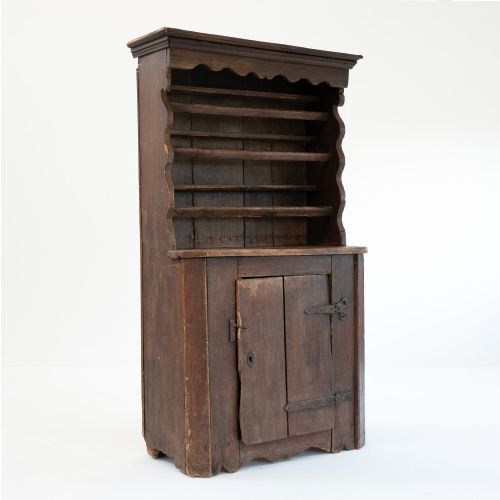
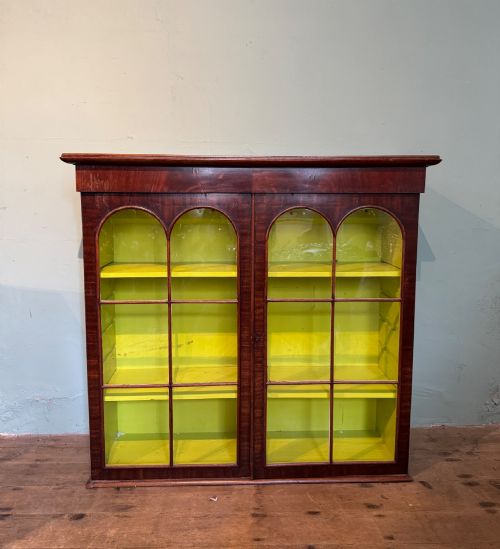
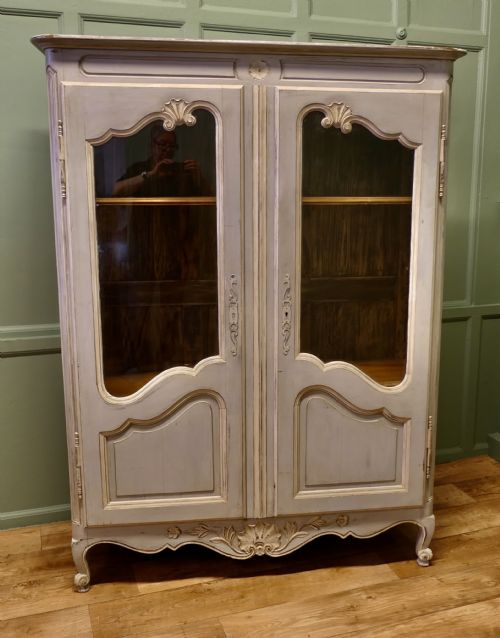
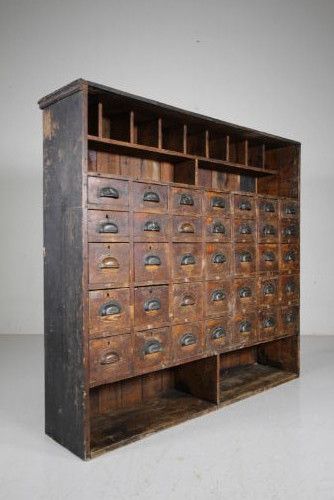
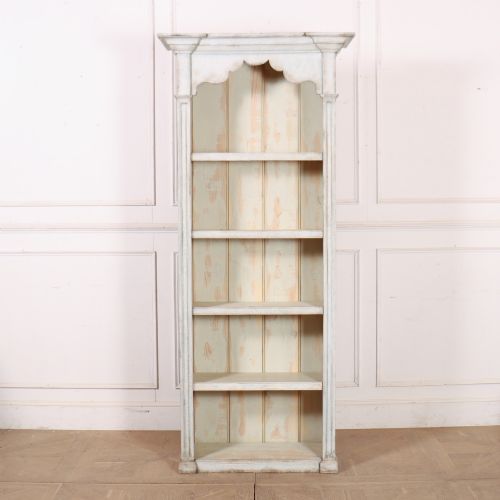
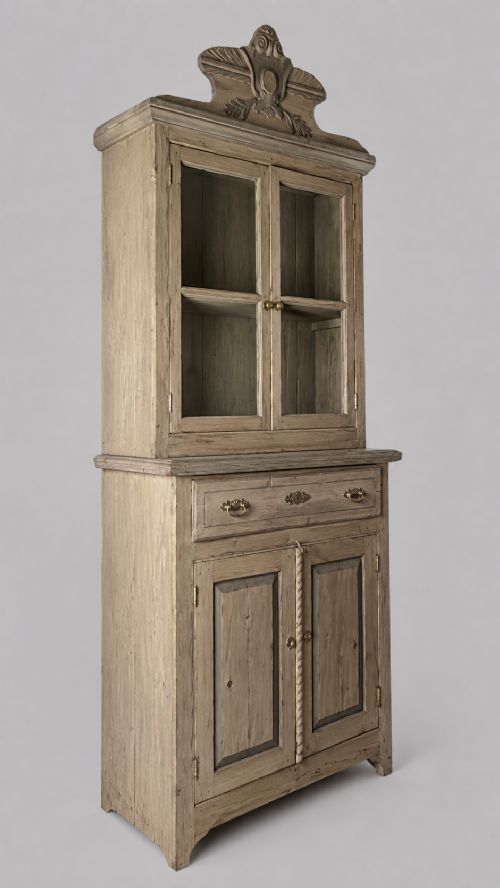
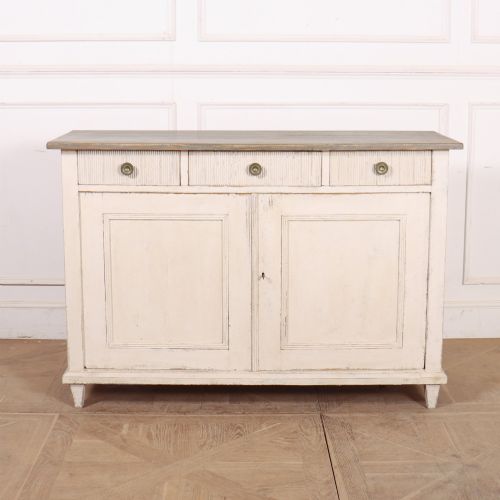
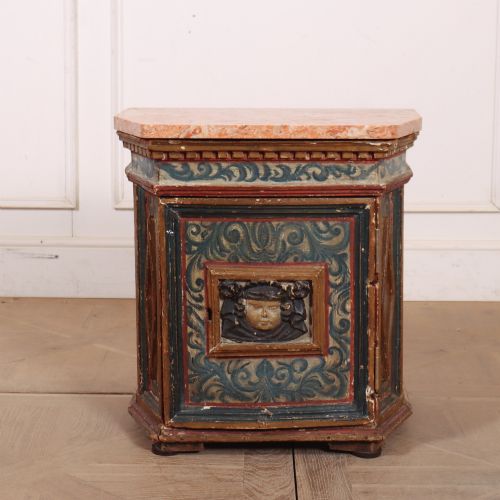
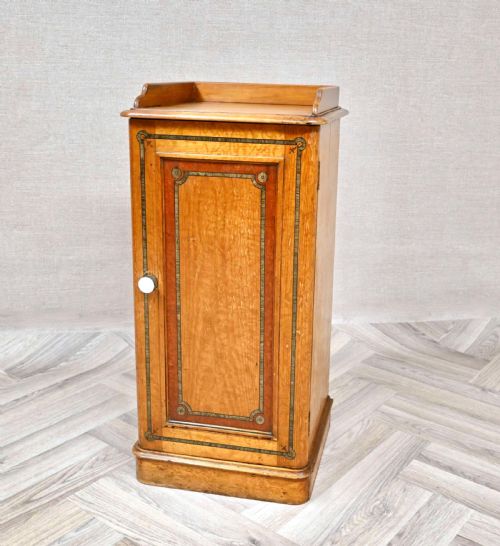
A painted wooden cabinet encompasses a diverse group of storage furniture spanning several hundred years, including glazed bookcases, housekeeper's cupboards, bedside lockers, and marriage chests. Regional forms emerge from English, French, Italian, Scandinavian, Chinese, and Indian traditions, reflecting local utility and aesthetic preferences.
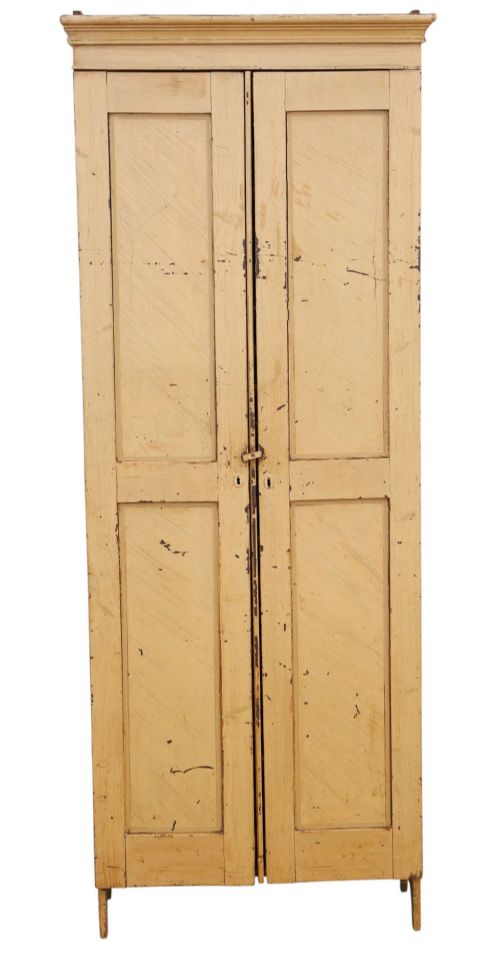
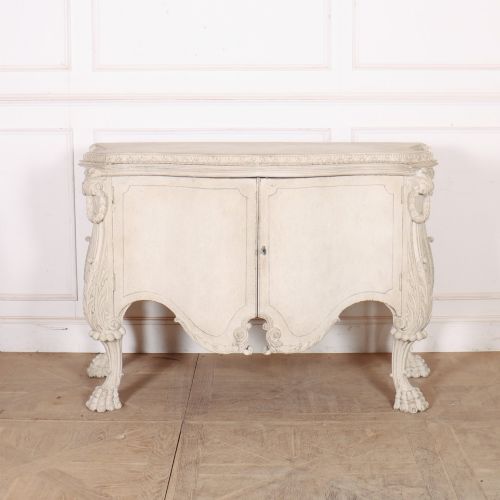
The nineteenth century provides the largest share of examples on this page, alongside pieces from the eighteenth and early twentieth centuries. Forms range from compact wall-hung corner cupboards and confituriers to expansive sideboards, dressers, and tall cabinets fitted with shelves, drawers, or pigeon holes.
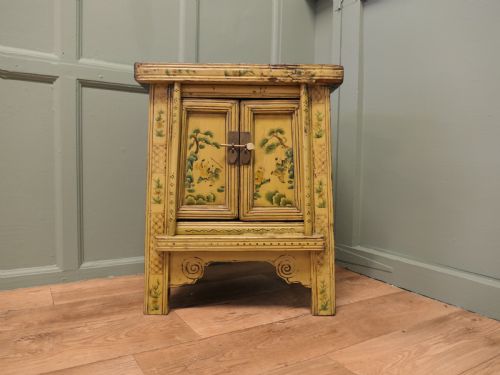
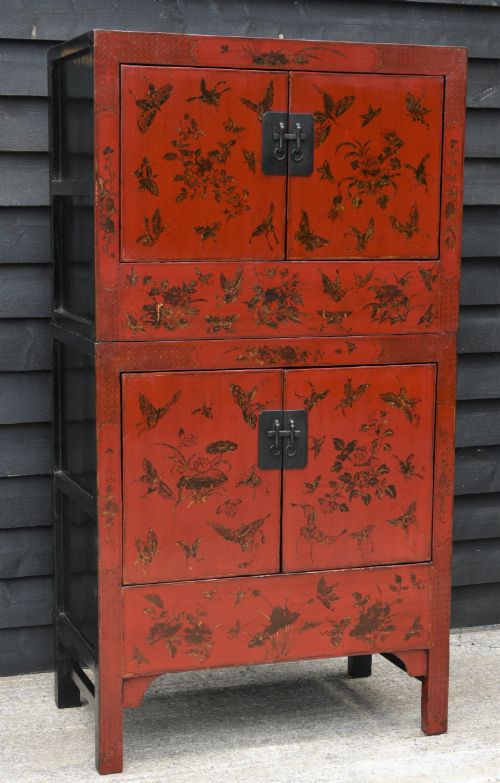
Makers and workshops across different countries applied varied decorative schemes, from simple country finishes to intricate chinoiserie, floral motifs, and polychrome surfaces. Buyers encounter both utilitarian storage and display furniture intended for domestic or commercial interiors.
How they were made
Constructed predominantly from pine, oak, and teak, these pieces rely on traditional joinery methods suited to solid timber. Surfaces received layers of paint, lacquer, or polychrome decoration, frequently applied over base coats that survive in original or later states.
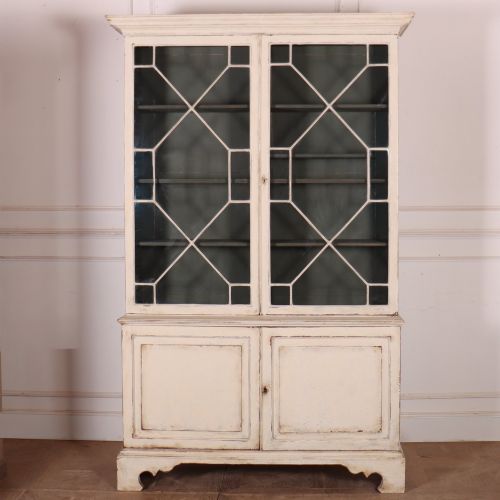
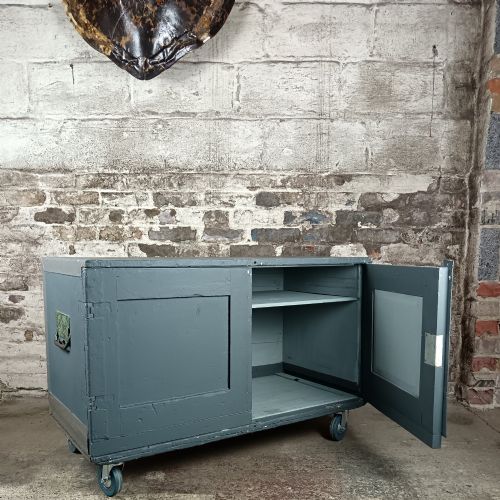
Iron and brass hardware, including hinges, locks, and handles, secured doors and drawers. Glazing bars held panes of glass in display cabinets and bookcases, while interior configurations utilised fixed or adjustable shelving and compartmentalised pigeon holes.
Painted Wooden Cabinet Retail Price Guide 2026
Typical asking prices for painted wooden cabinet among the pieces listed under this phrase on Sellingantiques today, from the lower quarter to the upper quarter. They describe what is for sale here now, not the wider market.
Listings feature items spanning the seventeenth to the twentieth centuries, utilising pine, oak, teak, iron, and brass.
What varies in quality
The integrity of the underlying timber framework and the survival state of the painted surface govern quality. Pieces retaining original pigment display an authenticity that differs from later repainted surfaces, while the crispness of carved details and joinery stability distinguish regional workshop output from mass production.
Proportion and scale influence desirability, particularly where regional forms retain their original hardware, glass, and internal fittings without structural alteration.
The Painted Wooden Cabinet Glossary
- Chinoiserie
- European decorative style imitating Chinese artistic traditions, often featuring motifs applied to cabinets and screens. This technique gained popularity during various periods of furniture production.
- Polychrome
- Decorated in multiple colours, frequently found on older continental and regional pieces. The term describes the application of varied pigments to wooden surfaces.
- Enfilade
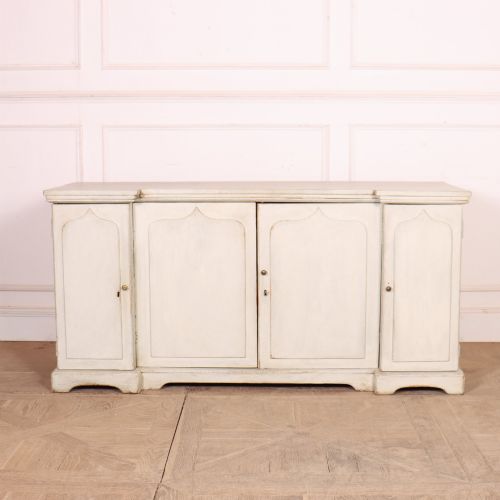
- A suite of rooms or a long piece of furniture arranged in a line, such as a large sideboard or cabinet. These items provide extended surface and storage capacity.
- Vitrine
- A glass-fronted cabinet designed for displaying objects or books. They protect contents while maintaining visual access through glazed doors.
- Almirah
- An upright cupboard or wardrobe originating in India, often constructed from teak and featuring painted finishes. These storage pieces serve domestic utility with distinctive regional ornamentation.
Painted Wooden Cabinet: Frequently Asked Questions
How do I date a painted wooden cabinet?
Dating relies on construction methods, timber selection, and stylistic cues inherent to specific periods like the eighteenth or nineteenth century. Iron fixings, dovetail joints, and underlying wood types provide primary physical evidence.
Surface treatments also offer clues, as original paint layers exhibit wear patterns and ageing characteristics consistent with centuries of domestic use.
Are these cabinets suitable for everyday kitchen storage?
Many of these pieces, such as housekeeper's cupboards, dressers, and apothecary cabinets, originated in kitchens or utility spaces. Their internal shelving and drawer configurations accommodate modern kitchen items.
Care should be taken with environmental humidity and moisture to protect historical timber and painted surfaces during daily use.
How do I care for original paintwork?
Preserving original pigment requires avoiding harsh chemical cleaners and modern abrasives that strip fragile historical layers. Gentle dusting with a dry, soft cloth maintains the surface.
Stable indoor humidity prevents the underlying wood from expanding or contracting, which minimises stress on the painted finish.
What is the difference between an armoire and an almirah?
An armoire is a traditional European wardrobe or tall cupboard, typically associated with French or continental styles and constructed from regional woods like pine or oak. An almirah originates from the Indian subcontinent, frequently built from teak with distinct regional hardware and painted decoration.
Both serve primary storage functions but reflect different geographical craftsmanship and stylistic traditions.