
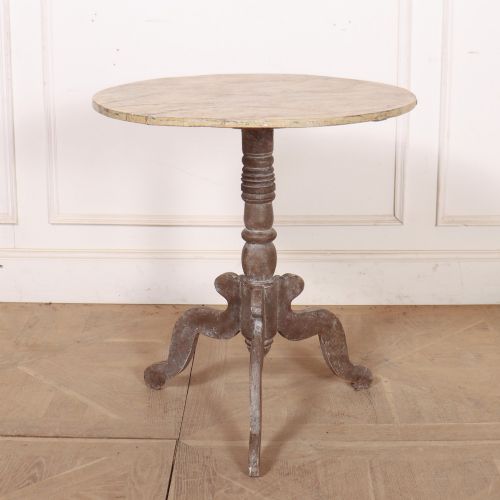
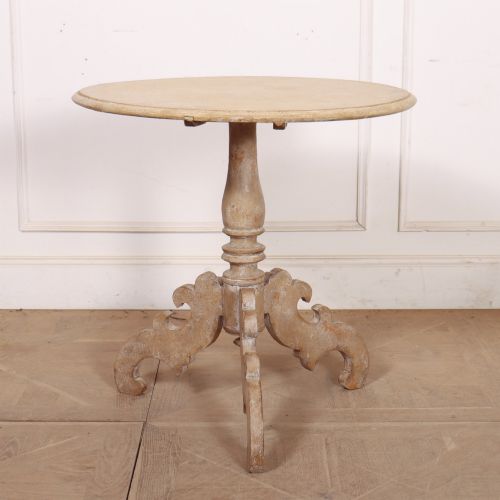
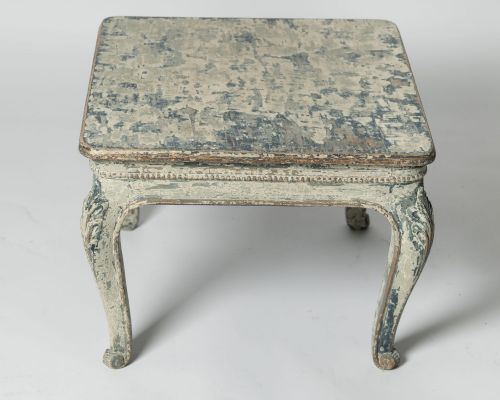
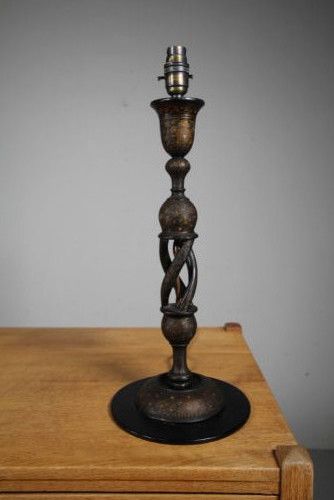
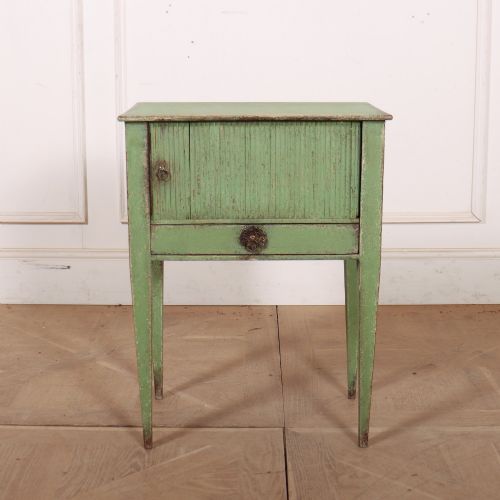
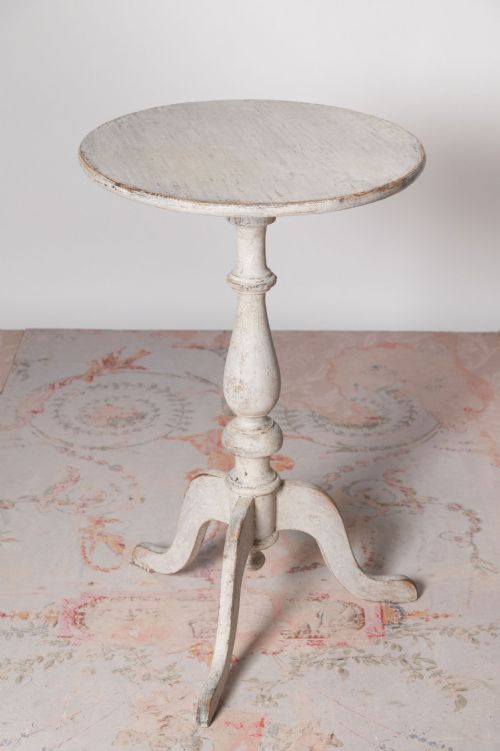
Painted Wood Lamp Table
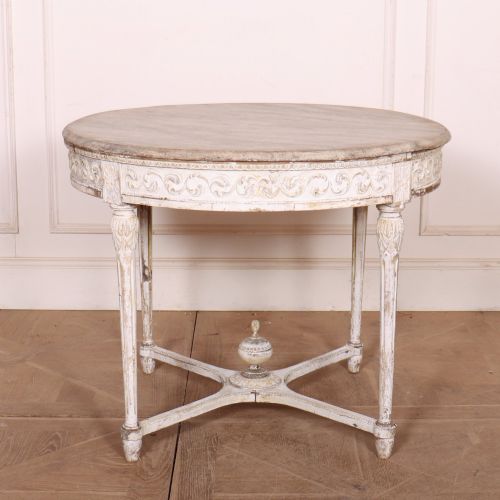
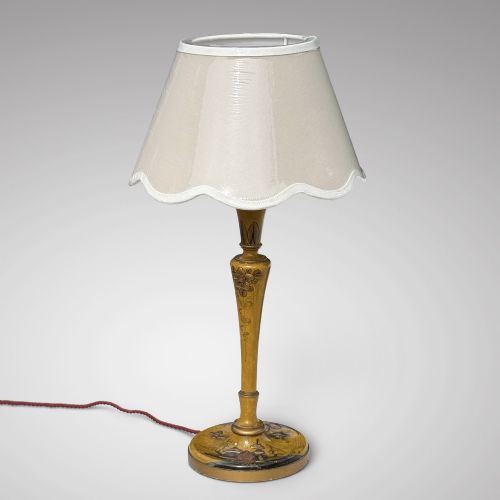
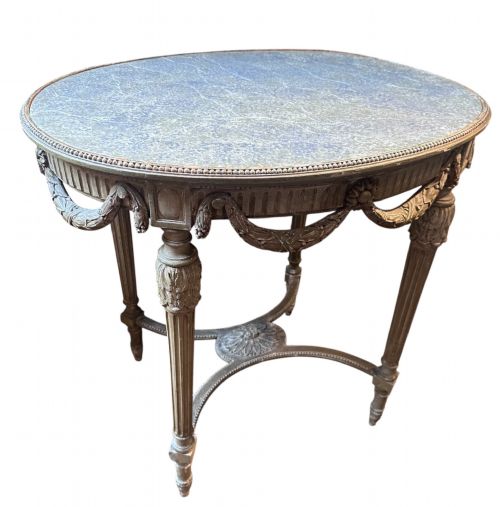
These painted wood lamp table pieces offer practical surface space and decorative painted finishes for holding a light.
Painted Wood Lamp Table
A painted wood lamp table serves as a functional surface for illumination and small items, appearing in forms such as occasional tables, side tables, and bedside tables. When searching this phrase, buyers encounter items ranging from compact bedside units to taller occasional stands designed to hold lamps.
The selection includes pieces spanning the eighteenth, nineteenth, and twentieth centuries, featuring distinct regional aesthetics like Swedish country, English country, French chateau, and Chinoiserie styles. These forms originate from workshops across Britain, Sweden, France, Italy, and Kashmir.
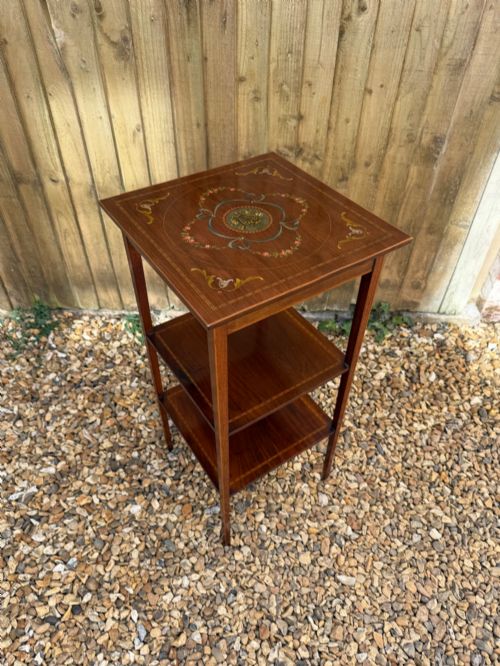
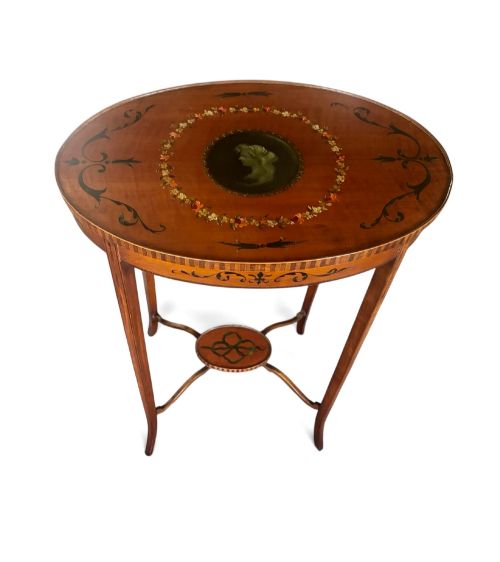
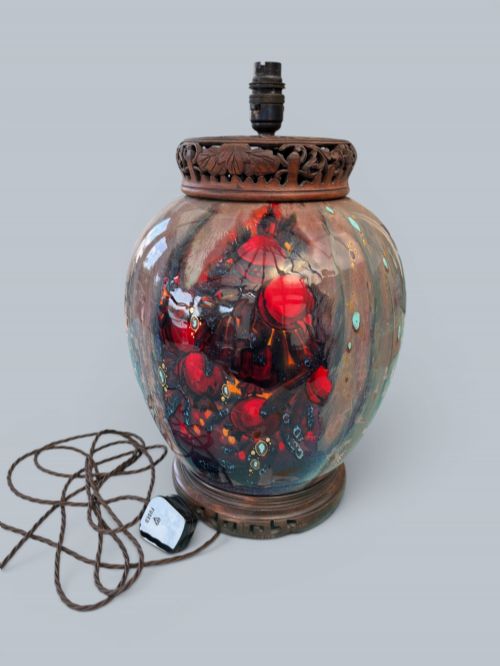
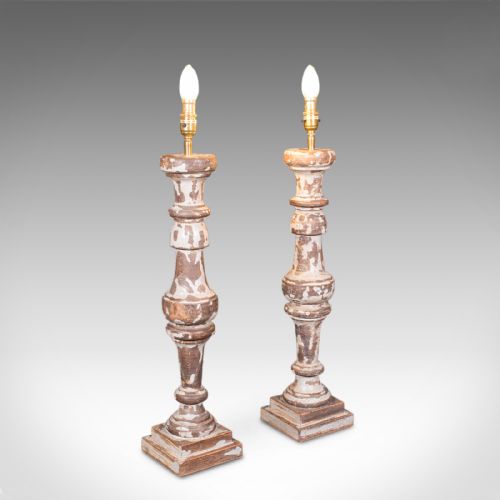
Many examples incorporate decorative floral painting, gilt accents, or lacquer work upon woods such as satinwood, mahogany, pine, and oak. Certain listings present these tables alongside ceramic or turned wooden table lamps sharing similar painted surface treatments.
Materials and construction methods
Carpenters constructed these tables using native and imported timber bases, including pine, oak, mahogany, and satinwood, occasionally pairing the wooden frames with marble tops. Artisans then applied preparatory grounds before executing hand-painted floral motifs, polychrome decoration, or ochre lacquer finishes.
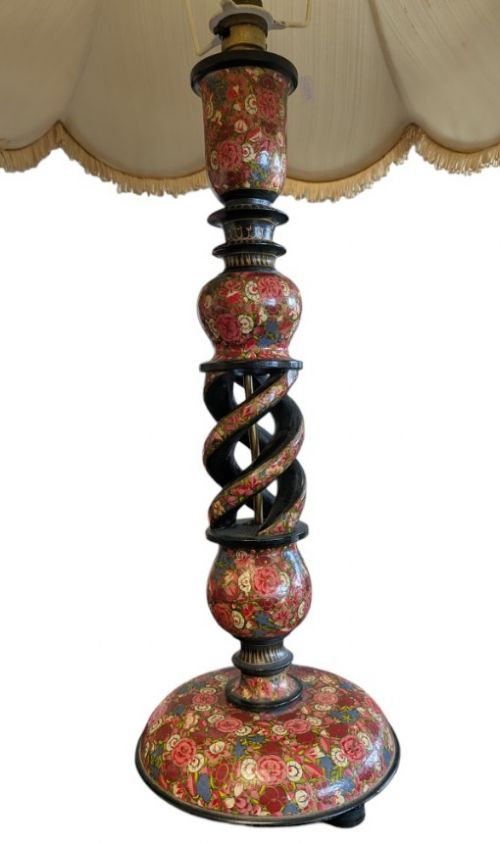
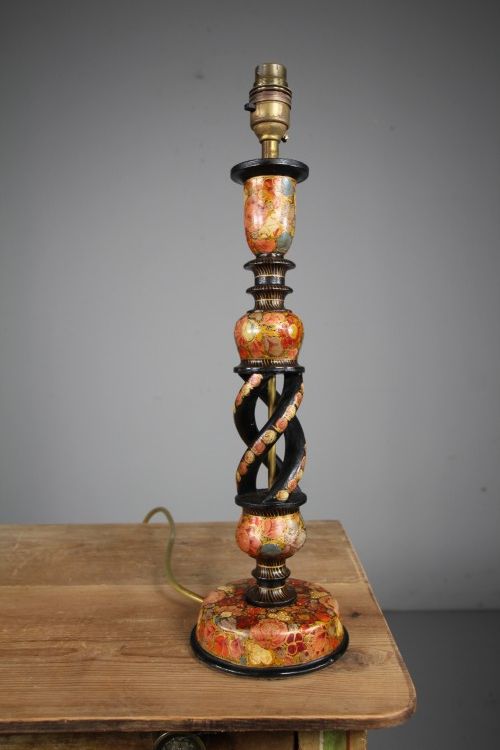
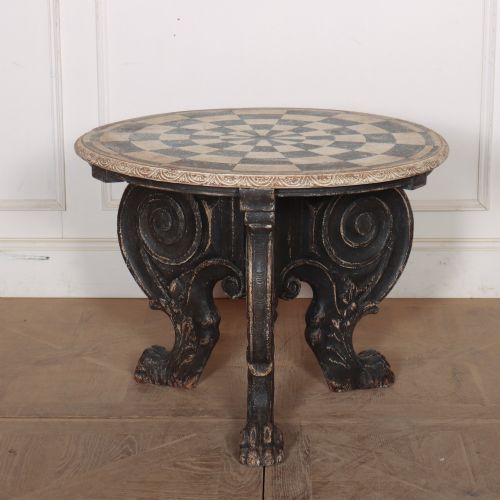
Surface ornamentation relies on traditional techniques ranging from fine brushwork on satinwood veneers to parcel gilt detailing and carved wooden elements. Pieces from specific regional traditions, such as Kashmiri twist lamps and Swedish tripod tables, utilise local turning and joinery methods.
Painted Wood Lamp Table Retail Price Guide 2026
Typical asking prices for painted wood lamp table among the pieces listed under this phrase on Sellingantiques today, from the lower quarter to the upper quarter. They describe what is for sale here now, not the wider market.
A handful of tables arrive with twisting Kashmiri stems that look ready to dance across the floor.
Distinctions in quality and execution
Quality separates through the finesse of the hand-painted decoration and the integrity of the underlying timber construction. Finer examples display delicate, detailed floral brushwork and careful surface preparation upon woods like satinwood, whereas lesser pieces feature simpler, heavier execution.
The preservation of original painted surfaces heavily influences desirability among collectors. Tables retaining their undisturbed nineteenth or early twentieth-century finish hold greater character than those with later repainting.
Harrod's
The Painted Wood Lamp Table Glossary
- Satinwood
- A durable hardwood with a natural golden sheen, frequently utilised for late nineteenth and Edwardian occasional tables. It provides a smooth surface well-suited for delicate painted floral decoration.
- Chinoiserie
- European decorative style imitating Chinese artistic traditions, often featuring lacquer and painted figures on lamp tables and cabinets. This style gained popularity during the late nineteenth and early twentieth centuries.
- Gueridon
- A small French occasional table or stand, often round and supported by a central column or tripod base. These pieces frequently function as lamp tables in period interiors.
- Polychrome
- Decoration executed in multiple colours, frequently seen on Italian and English painted occasional tables. This technique adds vibrant visual depth to carved wood furniture.
- Etagere
- A small open shelving unit or tiered side table used for display. Painted mahogany examples appear within nineteenth and early twentieth-century selections.
Painted Wood Lamp Table: Frequently Asked Questions
Where should I place a painted wood lamp table?
These tables fit easily beside a sofa, armchair, or bed to support a lamp and small personal items. Their compact footprints suit corners and smaller reception spaces.
Choose a location where the painted finish complements existing room colours without competing with other patterned furnishings.
How do I care for painted wooden surfaces?
Dust surfaces regularly with a soft, dry cloth to prevent the accumulation of grit on the painted finish. Avoid harsh chemical cleaners and excessive moisture, which can damage historic paint and lacquer.
Keep tables away from direct sunlight and strong heat sources to prevent the wood from warping and the paint from fading over time.
How can I tell the period of these tables?
Examine the timber species, construction methods, and the style of the painted decoration for clues to the era of manufacture. Edwardian pieces often utilise satinwood with delicate floral motifs, while nineteenth-century items frequently display heavier proportions and distinct regional traits.
Comparing the wear patterns and hardware to known examples helps confirm whether a piece originates from the eighteenth, nineteenth, or twentieth century.
Are these tables sturdy enough for daily use?
Most occasional and lamp tables are built to support standard table lamps, books, and decorative objects safely. Solid wood construction and sound joinery ensure stability during everyday placement.
Heavier items should be avoided on smaller tripod or slender-legged variants to prevent tipping.