


Painted Wood Armchair
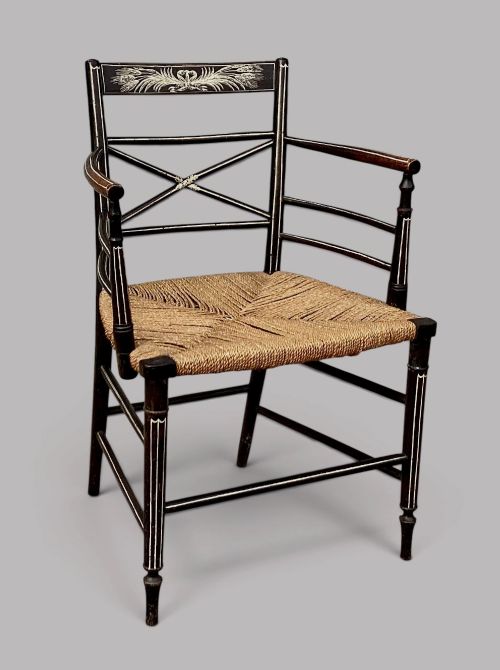
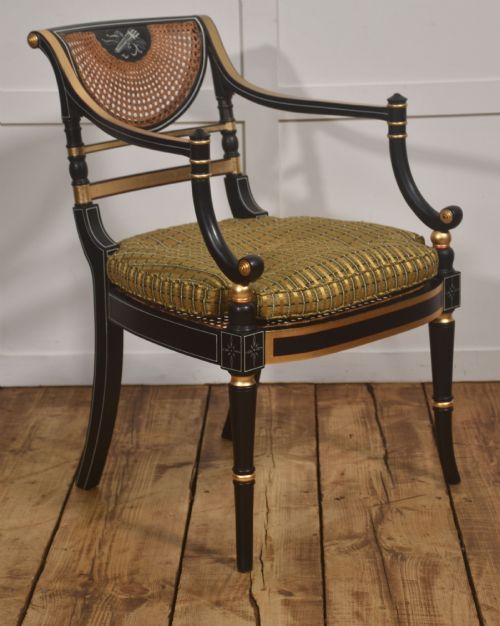
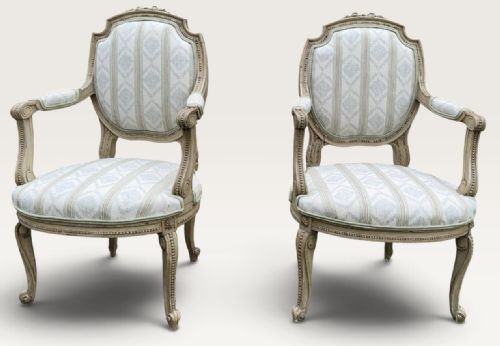
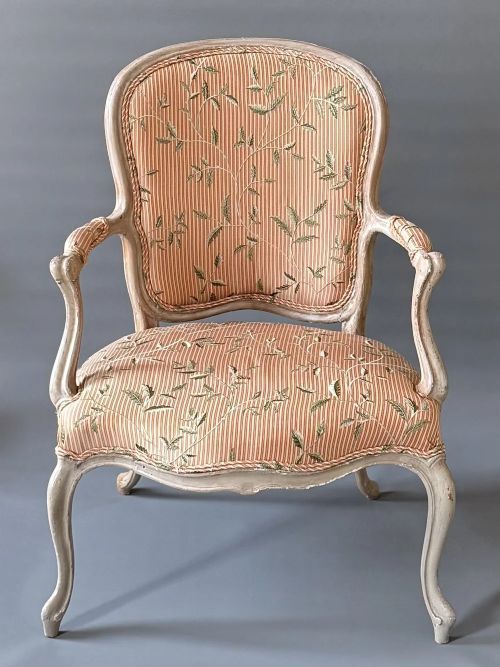
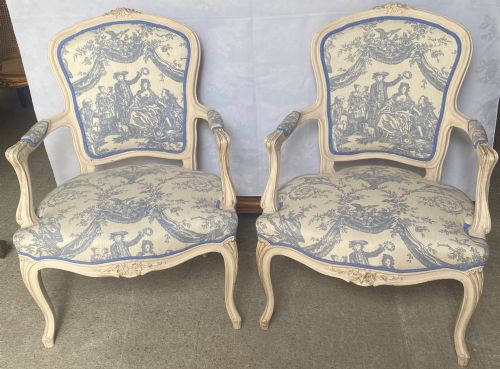
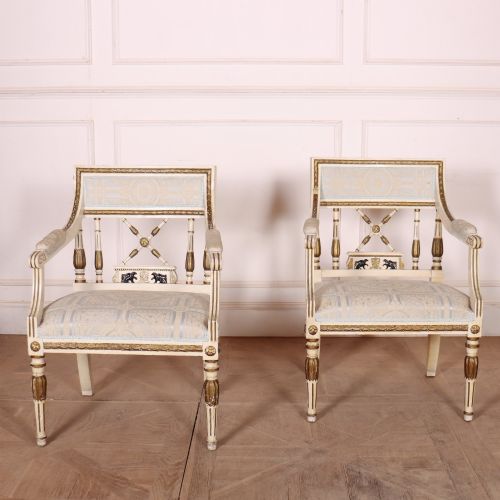
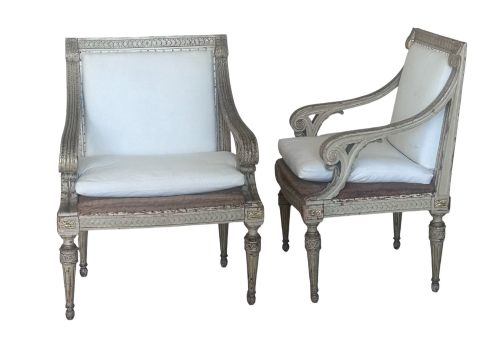
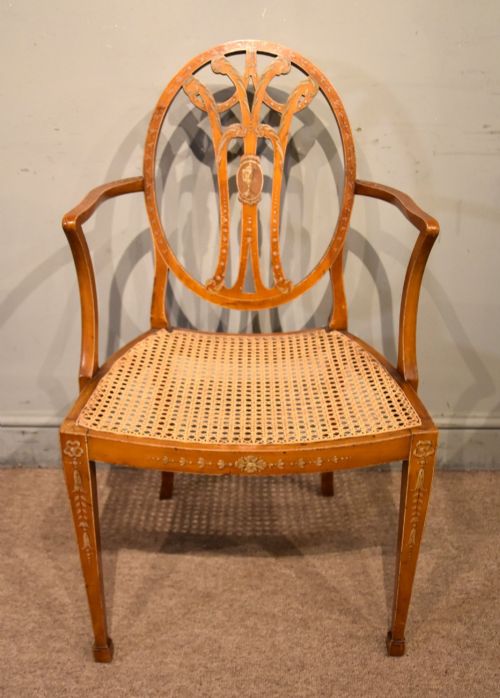
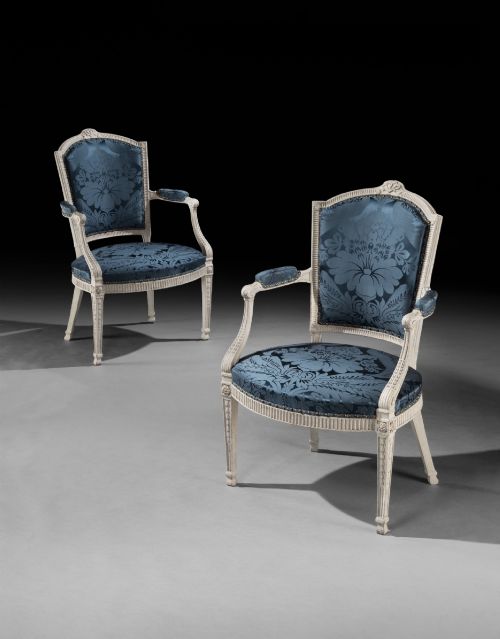
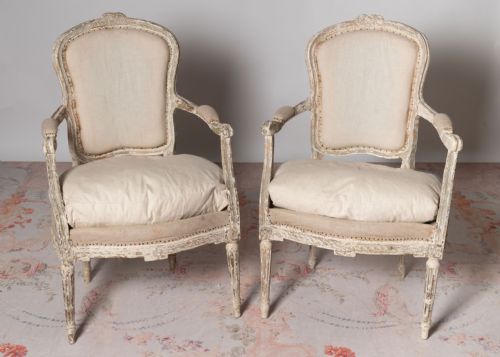
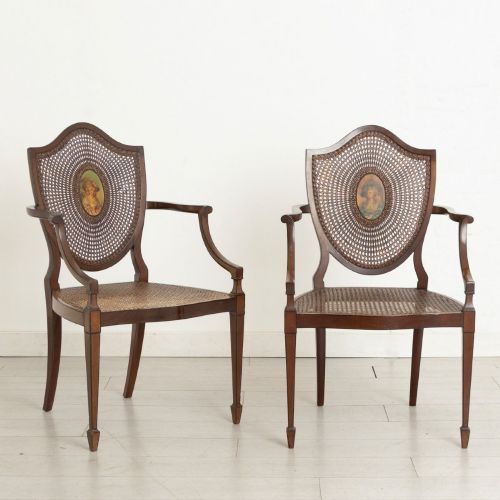
When you search for a painted wood armchair, you enter a diverse world of seating spanning eighteenth-century European elegance to twentieth-century provincial craft.

Painted Wood Armchair
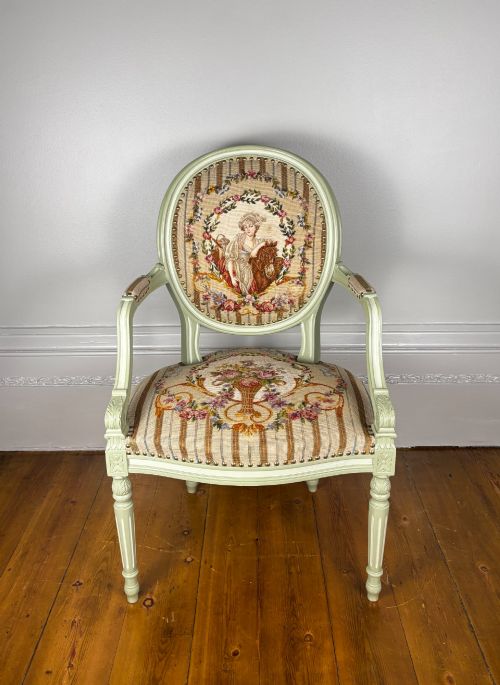
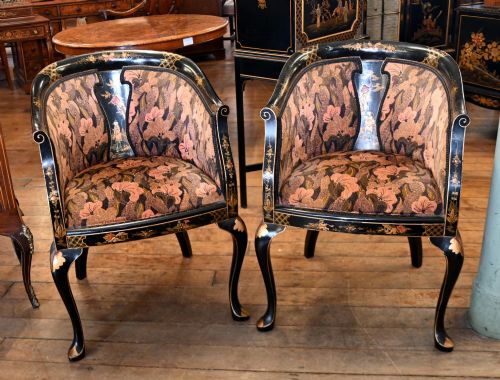
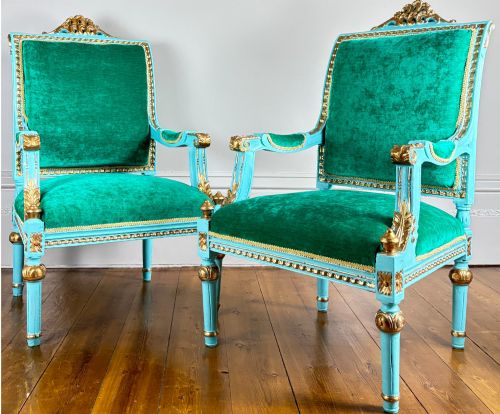
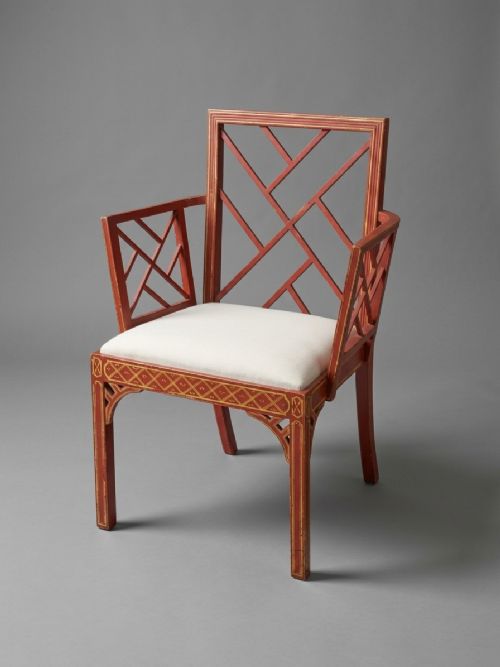
A painted wood armchair encompasses seating forms ranging from formal French salons to country retreats, all unified by decorated timber surfaces.
You will frequently encounter French Louis styles, Sheraton revivals, and nineteenth-century provincial interpretations across these listings.
The category extends beyond standard armchairs to include bergères, rocking chairs, gondola chairs, and small settees.
Materials and construction
Frames are constructed from timbers such as beech, satinwood, and rosewood, often prepared with gesso before the application of paint.
Surface decoration relies on hand-painted motifs, parcel gilding, and faux finishes like faux bamboo or faux rosewood.
Upholstery varies from original needlework and velvet to later fabric, cane, and rush seating.
Painted Wood Armchair Retail Price Guide 2026
Typical asking prices for painted wood armchair among the pieces listed under this phrase on Sellingantiques today, from the lower quarter to the upper quarter. They describe what is for sale here now, not the wider market.
Children join the seating elite here through miniature salon chairs designed for youthful posture.
Assessing quality
Quality rests upon the crispness of the carved wood details beneath the pigment and the finesse of the hand-painted decoration on the surface.
The integrity of the original paint layer dictates the historical value, distinguishing untouched historical pigment from later overpainting.
Construction refinement shows in the joinery of the frame and the retention of period upholstery materials like cane and needlework.
Henri Jacob·Heals·Morris and Co·Anton Rosen·S and H Jewell·Jas Shoolbred
The Painted Wood Armchair Glossary
- Fauteuil
- An open-armed upholstered armchair originating in France, typically featuring an exposed wooden frame.
- Bergère
- An enclosed upholstered armchair with solid upholstered sides resting on a wooden frame.
- Gesso
- A plaster-like mixture applied to wood surfaces to prepare them for painting and gilding.
- Parcel gilt
- Wood surfaces partially decorated with gold leaf alongside painted areas.
- Satinwood
- A lustrous tropical timber frequently used for fine Sheraton revival and eighteenth-century decorative chairs.
Painted Wood Armchair: Frequently Asked Questions
How do I date a painted wood armchair?
Dating relies on stylistic markers such as neoclassical fluted legs, cabriole shapes, and the specific characteristics of the timber beneath the paint.
Examining construction techniques and joinery also helps assign a piece to periods like the eighteenth century, the Regency era, or the Edwardian period.
Are painted armchairs sturdy enough for daily use?
Most antique painted chairs are structurally sound, but lighter forms like salon chairs or delicate satinwood models require more careful placement.
Heavier country armchairs and rocking chairs handle everyday seating better than ornate French revival parlour pieces.
What is the difference between original paint and later paint?
Original paint consists of the historical pigments applied when the chair was first manufactured, showing natural wear and patina.
Later paint represents subsequent redecoration applied during the nineteenth or twentieth centuries, which changes the visual character of the piece.
Where should I place a painted armchair in a modern home?
These chairs function well as accent pieces in living rooms, bedrooms, or studies where their decorative painted surfaces can stand out.
Lighter open armchairs suit dressing tables or corners, while bergères provide comfortable fireside seating.