
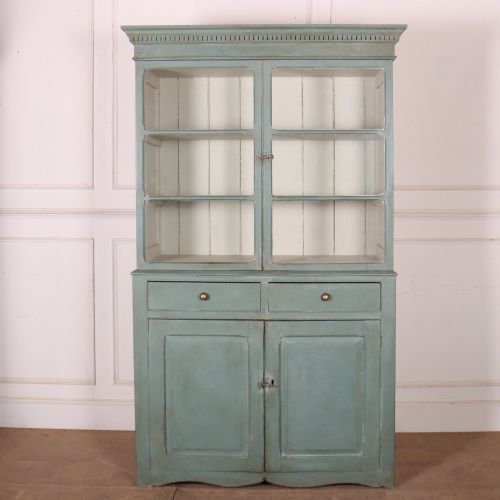
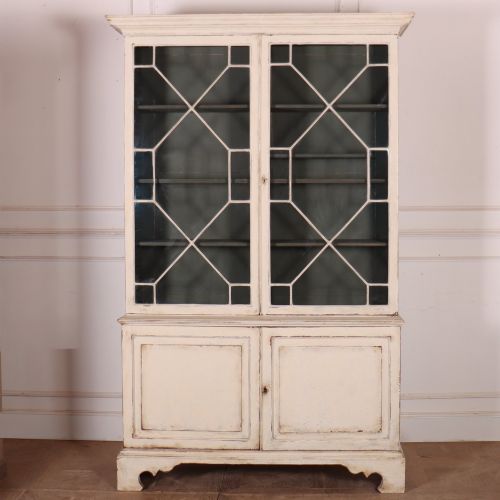
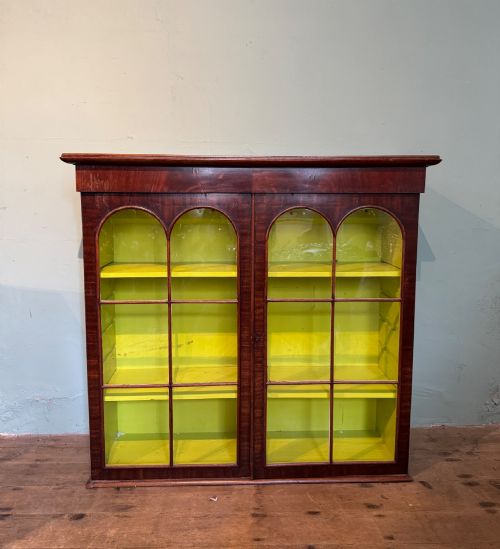
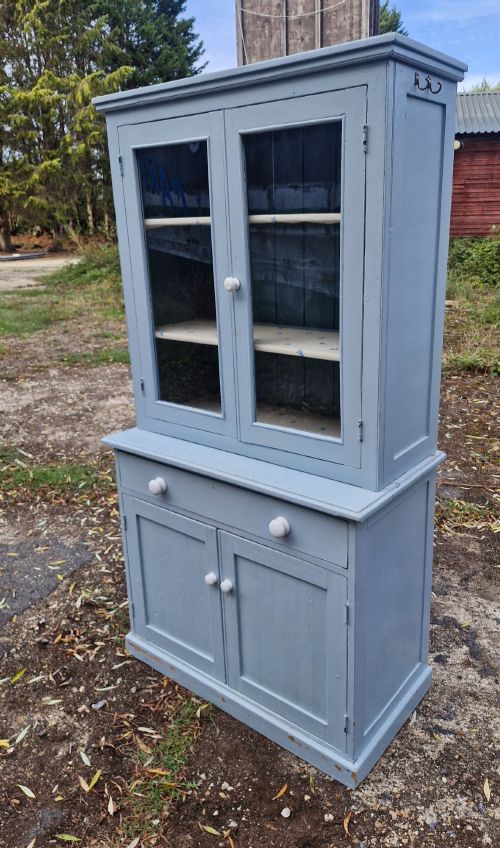
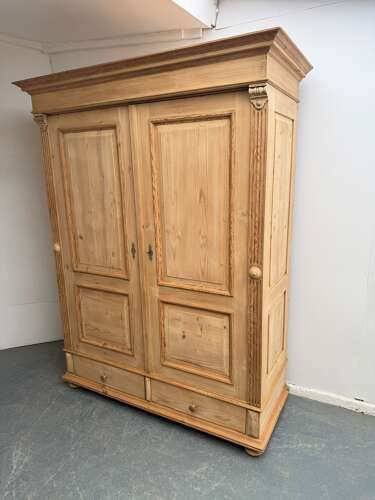
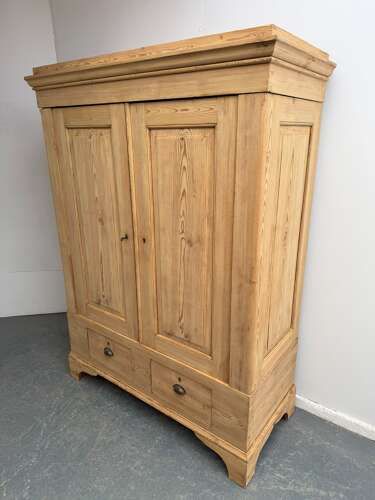
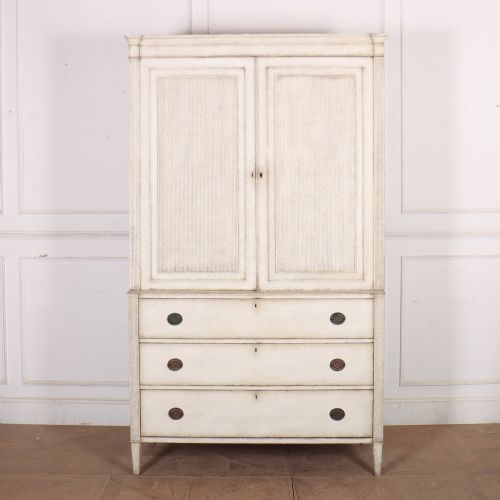
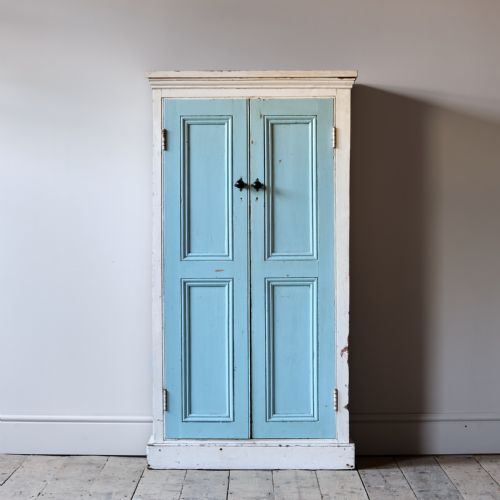
Painted Two Door Cabinet
A painted two door cabinet brings practical storage and surface decoration together through centuries of pine, lacquer, and country styles.
Painted Two Door Cabinet
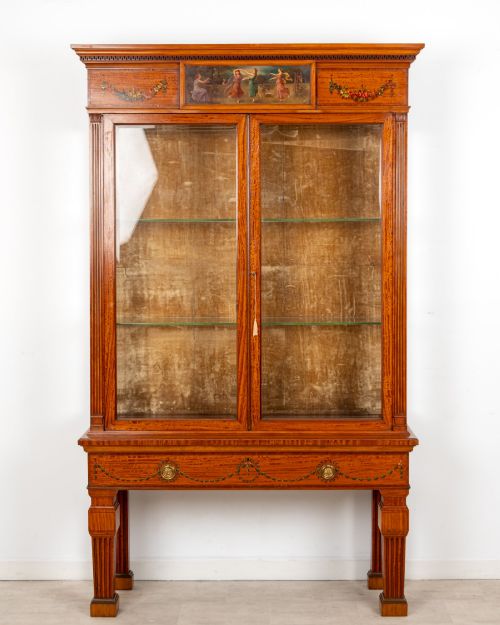
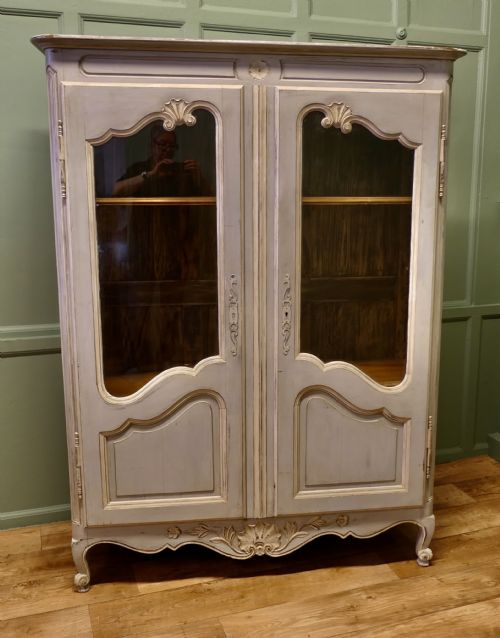
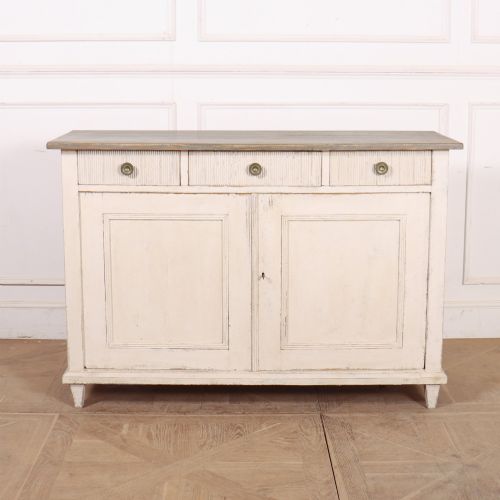
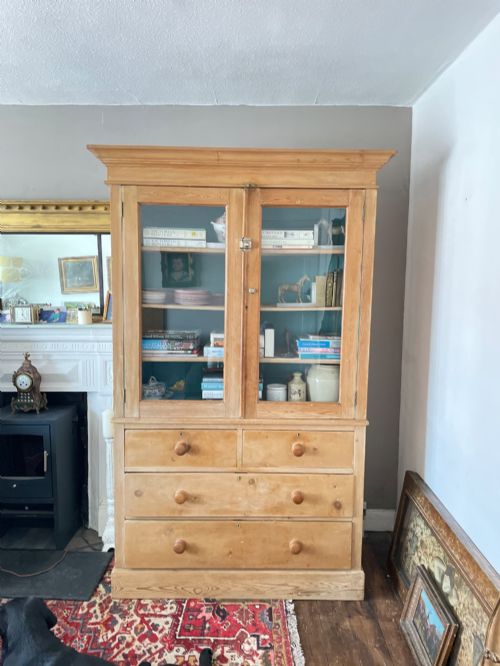
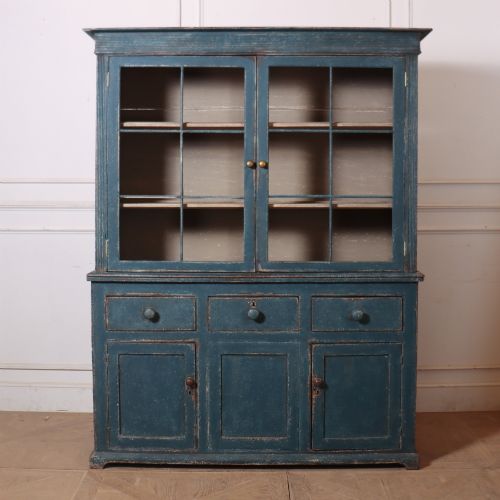
When searching for a painted two door cabinet, buyers encounter storage pieces spanning the Georgian, Victorian, and early twentieth century periods. These items range from sturdy pine kitchen cupboards and wardrobes to glazed bookcases and continental side cabinets.
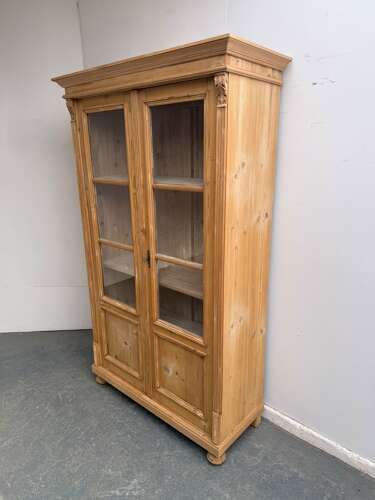
The most common examples on this page are constructed from pine, often originating from English, Scottish, or Scandinavian country workshops. Forms vary from low storage cupboards and dresser bases to tall glazed display cabinets.
How They Were Made
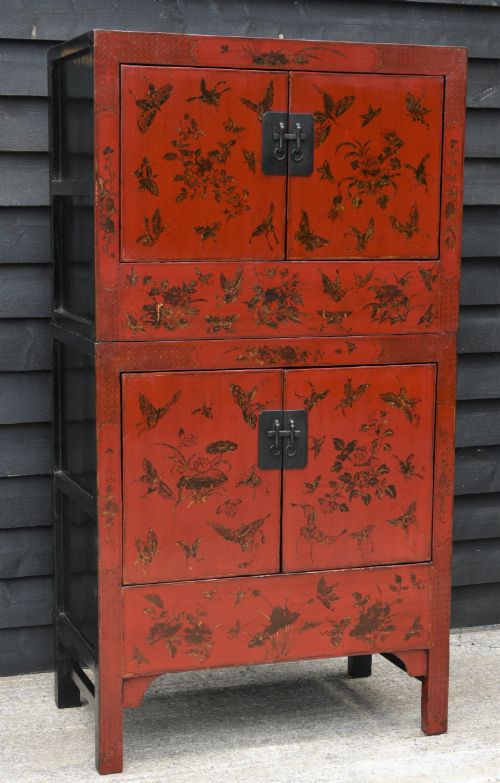
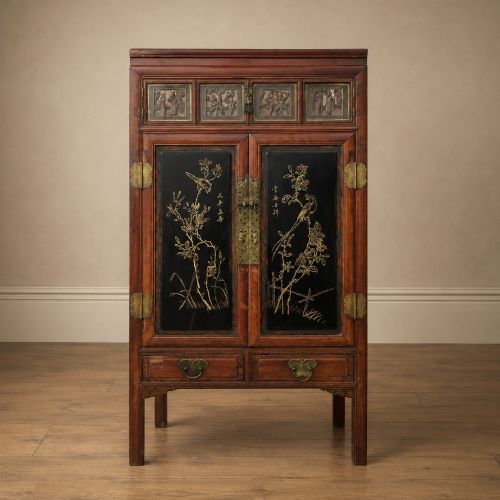
Surfaces receive decorative treatments including layered paint finishes, wax, red and black lacquer, or japanning. Some larger wardrobes utilise knockdown construction to allow easier transport.
Listings feature pieces spanning the 18th century through the 1920s, utilising pine, satinwood, glass, brass, and iron.
What Varies in Quality
Quality separates pieces through the integrity of the original timber framing and the depth of the surviving surface decoration. Fine examples retain their early or original paint schemes, whether simple provincial brushwork or intricate oriental lacquer.
Proportion and scale also define better examples, where structural joinery remains sound and hardware such as brass hinges and locks stay intact. Lesser examples show heavy alterations or unsympathetic modern stripping.
Hampton and Sons
The Painted Two Door Cabinet Glossary
- Pine
- A softwood commonly used for country furniture throughout the Georgian and Victorian eras. It takes paint and wax finishes readily.
- Vitrine
- A glass-fronted cabinet or bookcase designed for displaying objects or books. These pieces often feature painted or gilded frames.
- Japanning
- A form of European decorative finishing that imitates East Asian lacquerwork. It typically employs raised designs on a dark ground.
- Dresser Base
- The lower section of a kitchen dresser featuring cupboards and drawers. These sturdy pieces provide substantial surface and interior storage.
Painted Two Door Cabinet: Frequently Asked Questions
How do I style a painted two door cabinet at home?
Position the piece against a neutral wall to let the painted or lacquered surface stand out as a focal point in a hallway or living room. Use the interior shelving for storing tableware, linens, or displaying collected books.
Ensure the scale matches surrounding furniture, particularly when placing taller wardrobes or bookcases in rooms with low ceilings. Pair pine variants with simple rustic decor or use lacquered pieces to add contrast to modern interiors.
What periods do these cabinets come from?
The pieces available span from the eighteenth century through the Georgian and Victorian eras up to the early twentieth century. Each period brings distinct construction methods and regional design characteristics.
Georgian examples tend to show restrained proportions, while Victorian pieces often offer larger storage formats like knockdown wardrobes and school cupboards.
Are these cabinets suitable for kitchen storage?
Many of these pieces originated as kitchen dressers, housekeepers cupboards, or country larders designed specifically for culinary storage. Their deep shelves and sturdy pine construction accommodate crockery, dry goods, and kitchen equipment.
Glazed upper sections allow you to view dinnerware while keeping dust away, and lower drawer bases provide space for smaller utensils.
How can I tell if the paint finish is old?
Examine the surface for natural wear patterns, craquelure, and the accumulation of pigment layers over the wood substrate. Older painted surfaces often show subtle softening around handles and edges from decades of handling.
Inspect the interior and hidden joints to check whether the paint matches the age of the timber frame beneath.