

Painted Trinket Box
A painted trinket box brings miniature artistry to a dressing table, holding small keepsakes with delicate charm.
Painted Trinket Box
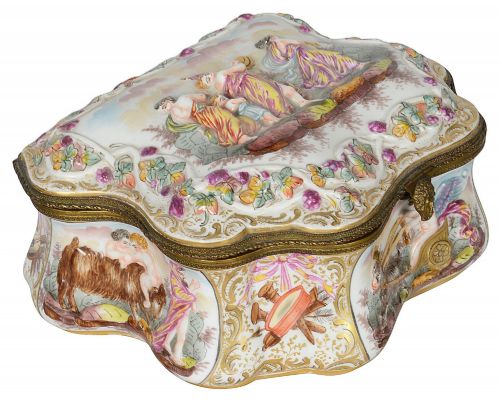
A painted trinket box encompasses small containers for keepsakes, snuff, patches, and jewellery, spanning the eighteenth to the twentieth century.
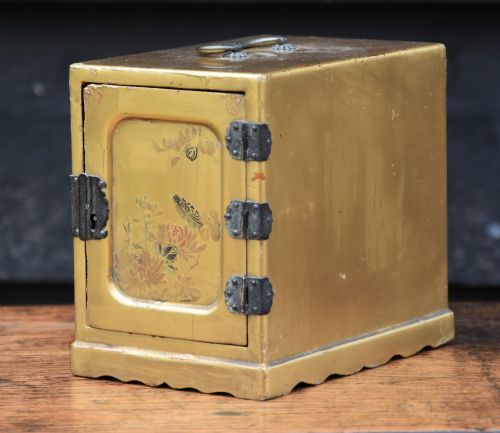
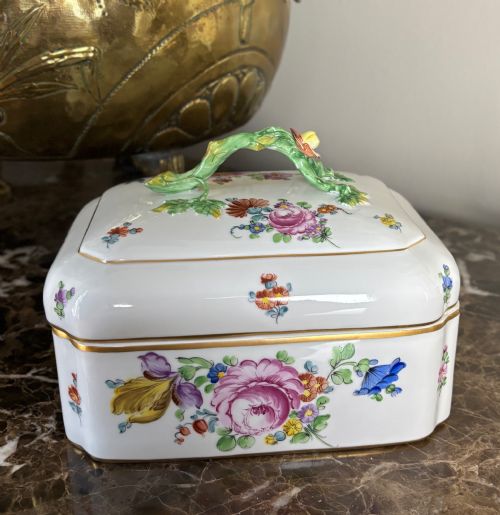
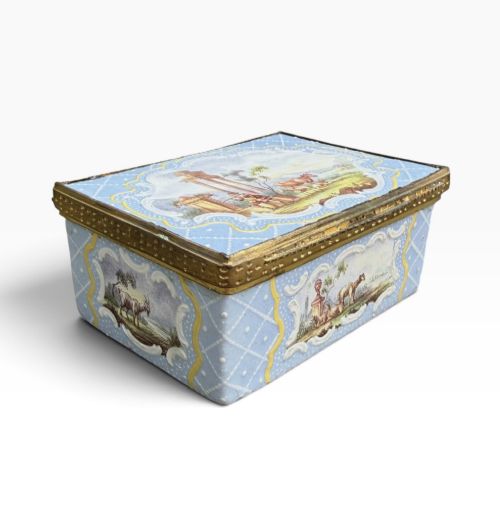
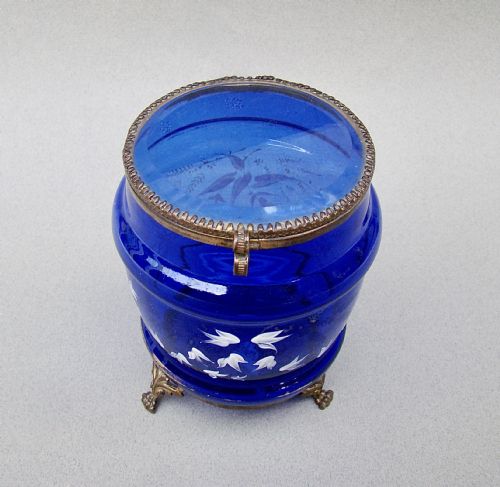
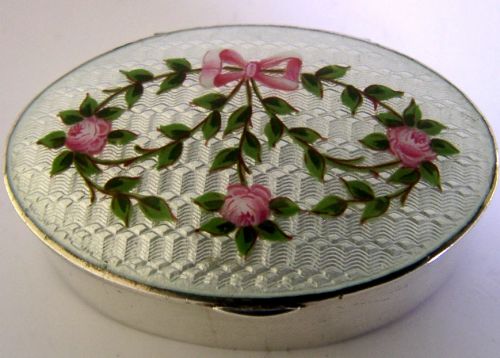
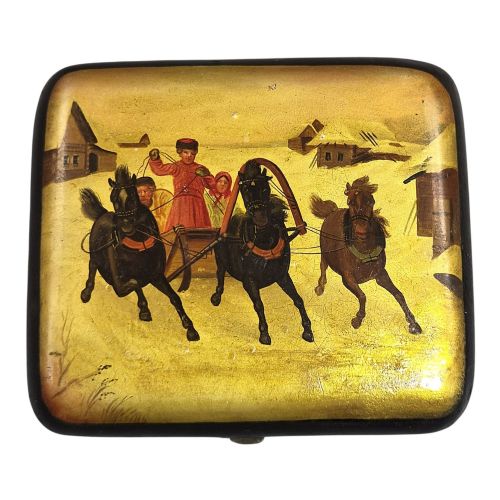
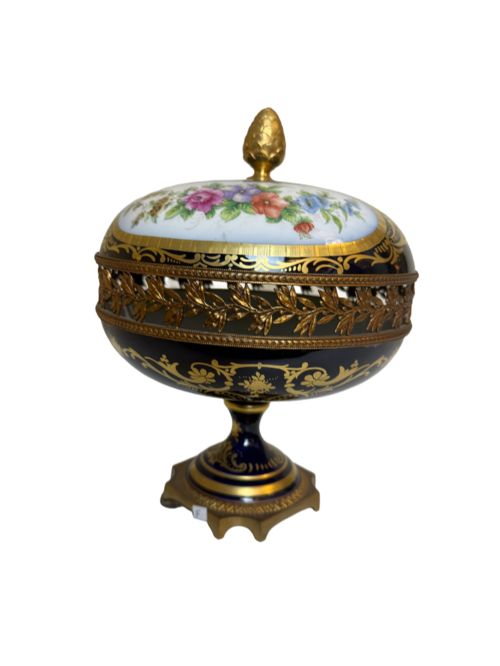
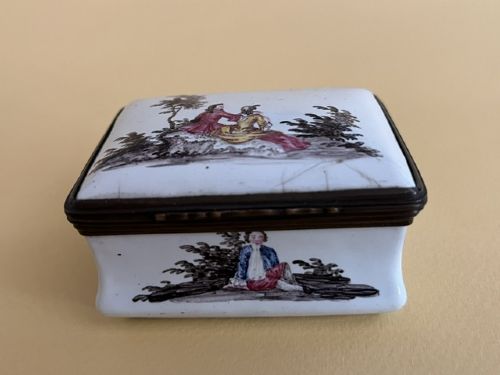
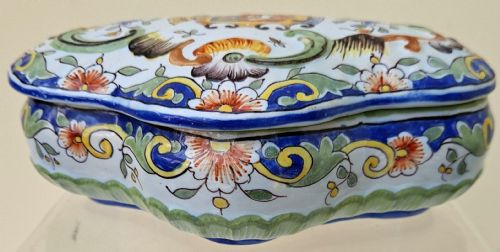
The pieces on this page appear in various forms, including porcelain caskets, lacquer cases, and enamel patch boxes from English, French, and Asian origins.
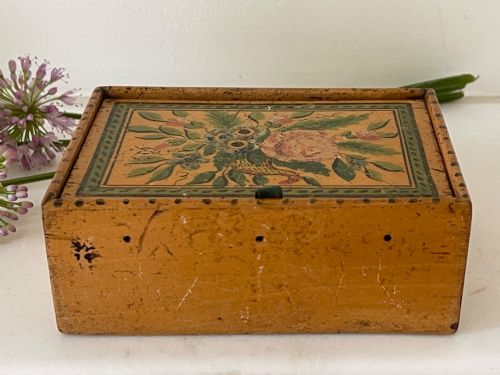
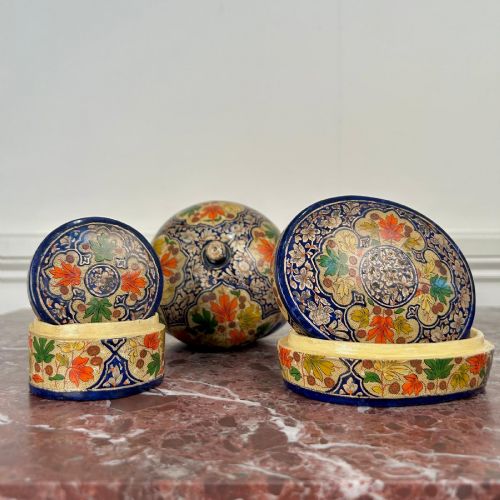
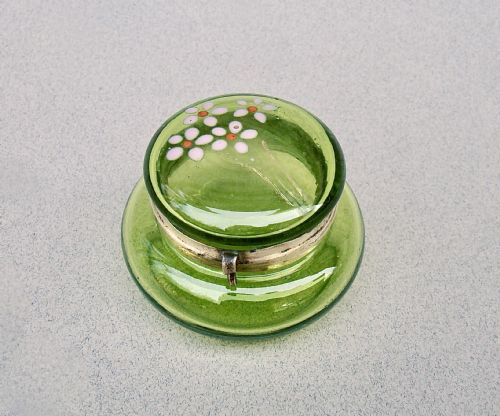
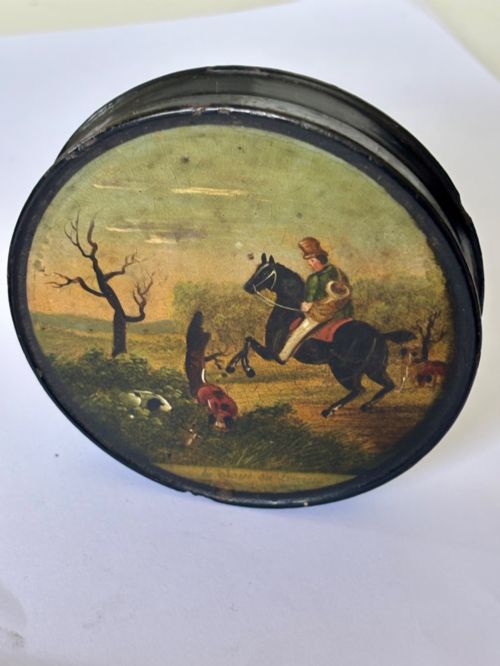
Buyers meet examples shaped from wood, copper, glass, and papier-mâché, each finished with hand-painted decoration reflecting periods from Georgian to Edwardian.
How they were made
Craftsmen applied paint to surfaces such as enamel, porcelain, and papier-mâché, often securing the pigment with a fired glaze or protective lacquer.
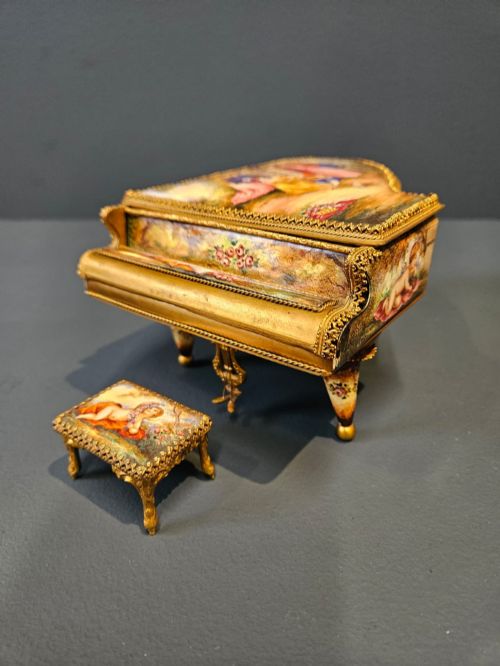
Metal mounts in brass, copper, and ormolu provide structural frames and hinges for enamel and glass bodies, combining utility with decorative metalwork.
Listings feature items formed from enamel, copper, lacquer, porcelain, and wood across Georgian, Victorian, and Edwardian periods.
What varies in quality
The refinement of the painted miniature scene dictates the distinction between standard production and superior work.
The crispness of the metal mounts and the integration of the closure mechanism separate finer pieces from simpler utility items.
Vishnyakov Workshop·Toshozan
The Painted Trinket Box Glossary
- Patch box
- A small container used originally for holding cosmetic beauty patches worn on the face. These boxes often feature mirrored lids and enamel decoration.
- Ormolu
- Gilded bronze or brass used for mounts and decorative trims on boxes and caskets. It provides a bright golden contrast to porcelain and glass bodies.
- Papier-mâché
- A composite material made from paper pulp or layers of paper bound with glue, then pressed and dried. It serves as a lightweight, stable base for lacquer and paint.
- Bonbonniere
- A small ornamental box designed for holding sweets or sugarplums. They frequently appear in enamel and porcelain during the eighteenth century.
Painted Trinket Box: Frequently Asked Questions
What were painted trinket boxes used for?
These small containers stored precious personal items such as rings, pins, and small keepsakes on dressing tables and desks.
In earlier centuries, specific variants held scented patches for the face or measured doses of snuff for social use.
How do I date a painted enamel box?
Dating relies on examining the construction of the copper base, the thickness of the enamel, and the style of the painted subject.
Eighteenth-century pieces often display characteristic copper-working seams and softer pastel palettes compared to later Victorian manufacturing.
Are these boxes fragile?
Enamel and porcelain surfaces require careful handling to avoid chipping or cracking upon hard surfaces.
Wooden and papier-mâché examples need protection from excessive moisture and direct sunlight to preserve the painted finish.
How do I clean a painted trinket box?
Dusting gently with a dry, soft cloth keeps the painted exterior safe from abrasive particles and moisture damage.
Harsh chemical cleaners must be avoided entirely, particularly around painted details and gilt metal mounts.