


Painted Top Occasional Table
A painted top occasional table brings colour and hand-finished detail to a sitting room, offering a decorative surface that moves easily where needed.
Painted Top Occasional Table
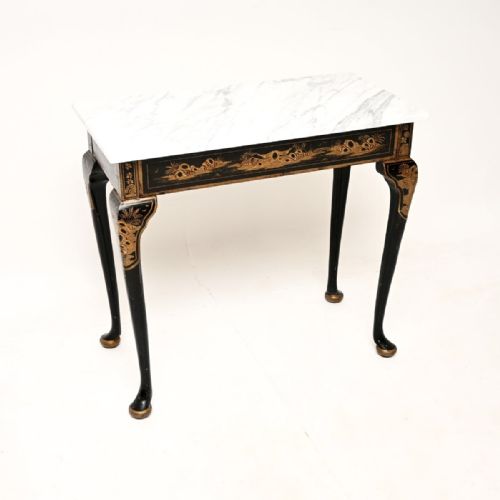
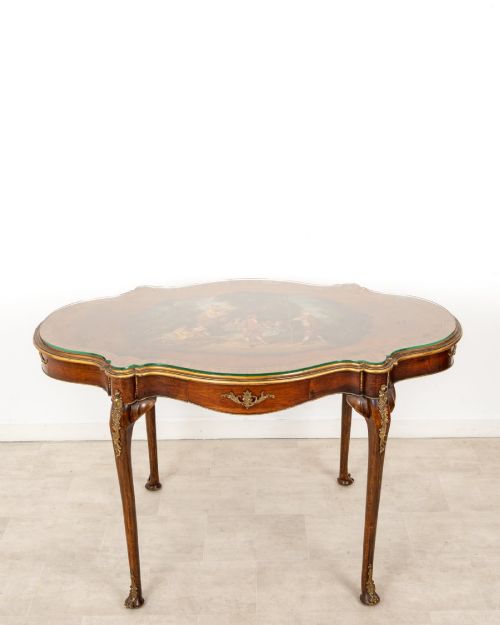
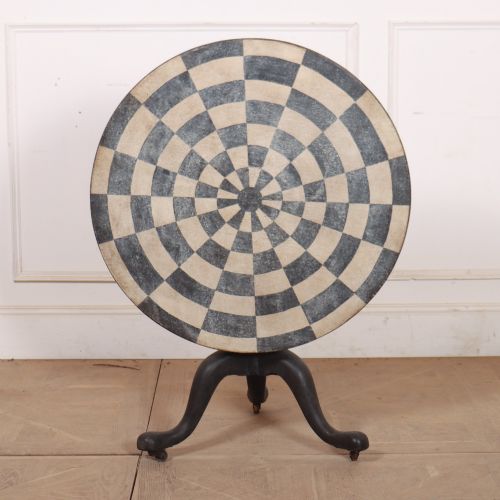
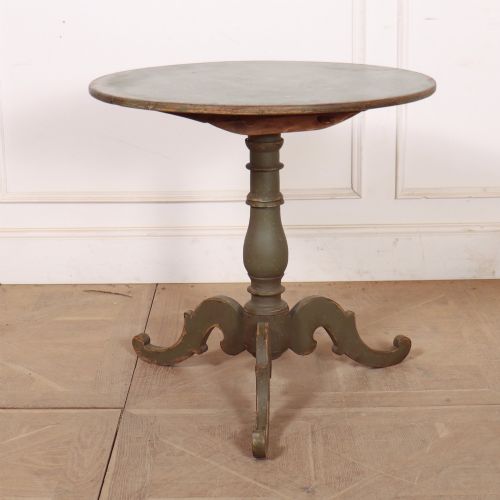
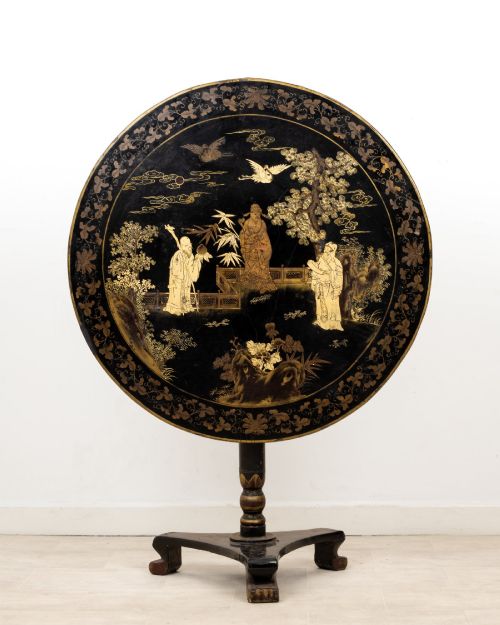
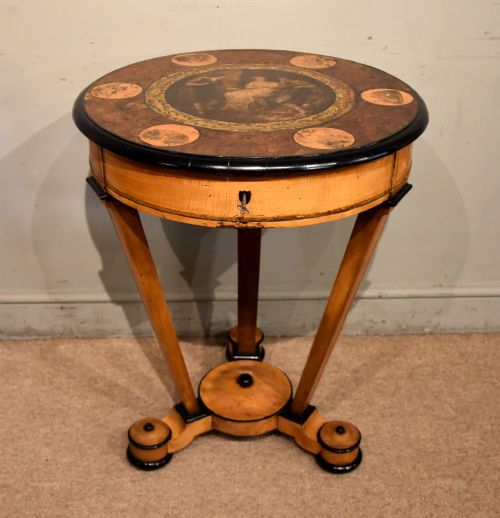
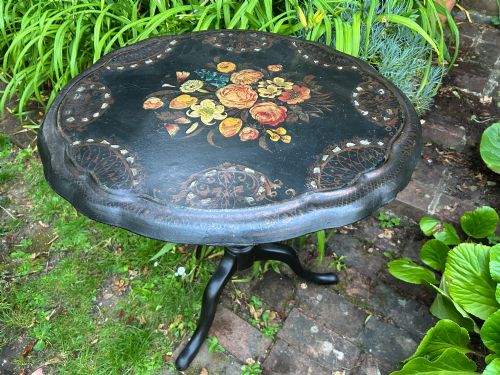
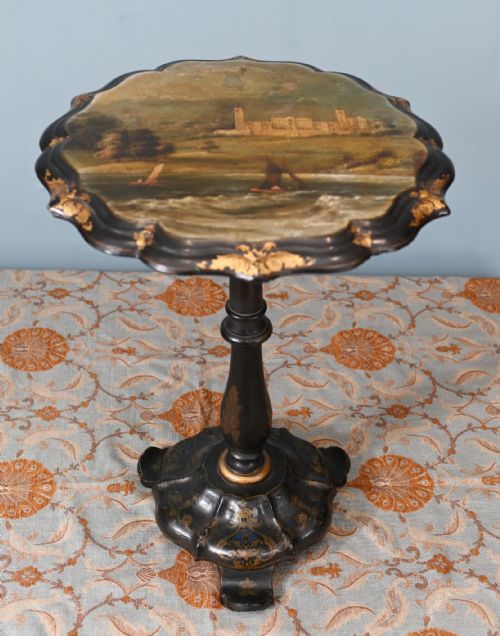
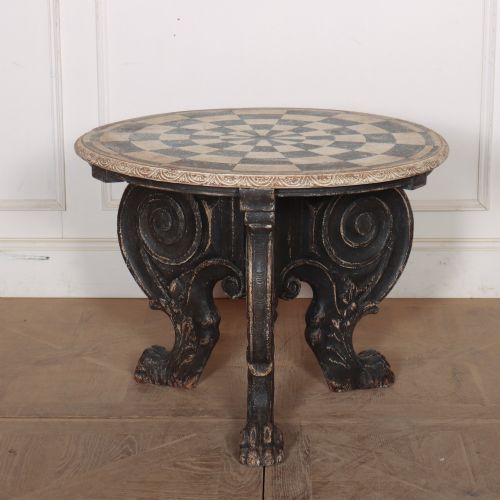
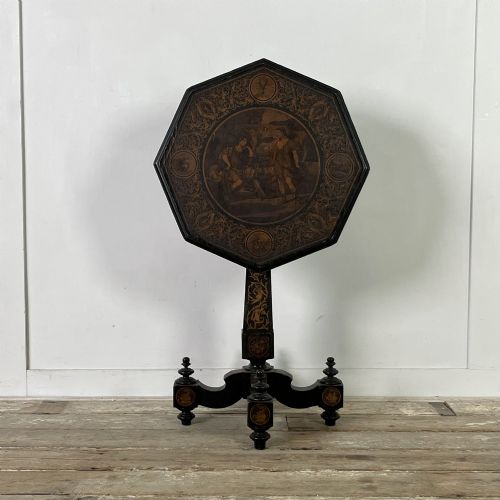
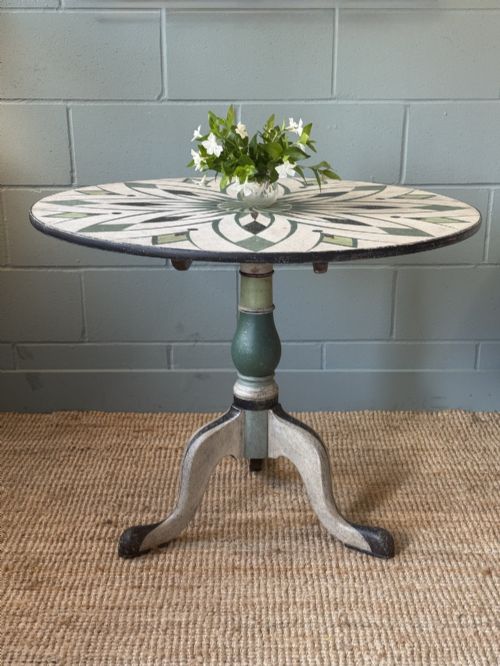
A painted top occasional table serves as a movable surface for lamps, drinks, or display, featuring a decorative finish applied directly to the wood, papier-mâché, or marble. The pieces seen here span the eighteenth, nineteenth, and early twentieth centuries, drawing on stylistic influences from Regency, Victorian, and French rococo traditions.
The format encompasses several distinct forms, including tripod tables, tilt-top designs, tray tables on stands, and small gueridons. Many examples originate from British, French, Swedish, and Italian workshops, reflecting diverse regional preferences for floral motifs, neoclassical designs, and chinoiserie decoration.
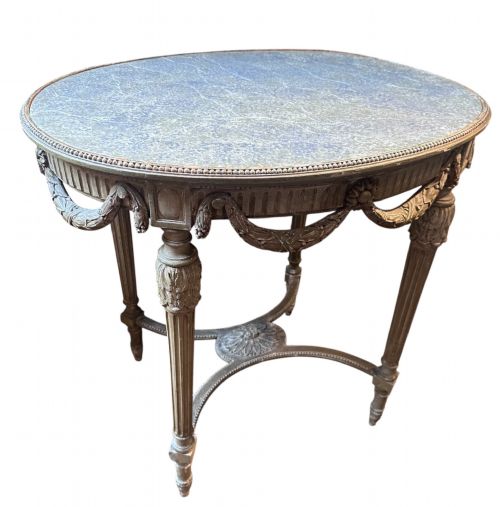
Victorian and Edwardian versions appear frequently alongside earlier Georgian and Regency pieces, utilising timber structures or papier-mâché foundations. Some items pair painted decoration with marble inserts or gilt bronze mounts, merging utility with artistic ambition.
Construction and decoration
Cabinetmakers constructed the supportive frames using traditional timbers such as mahogany, pine, and satinwood, alongside papier-mâché and cast iron for specific Victorian forms. Tripod bases and pedestal columns provided stable support for circular or shaped table tops.
Surface decoration relied on hand-applied paint, lacquer, and japanning, often finished with gilt details or ink work. Some examples incorporate porcelain plaques or later floral designs applied over earlier wood foundations.
The selection includes pieces spanning the Georgian, Victorian, and Edwardian periods, utilising paint, lacquer, marble, and papier-mâché.
Assessing quality and craftsmanship
The distinction between standard and superior pieces rests on the execution of the painted surface and the integrity of the underlying joinery. Fine brushwork, balanced proportions, and original pigment separation mark out the most accomplished work from simpler vernacular pieces.
Materials also dictate the tier of craftsmanship, with delicate papier-mâché trays, finely cast bronze mounts, and specialist techniques like vernis martin indicating workshop ambition. Tables retaining their original untreated or patinated surfaces command greater interest than those with heavy later interventions.
The Painted Top Occasional Table Glossary
- Gueridon
- A small French table, often round and supported by a single central pillar or three legs. These pieces typically function as lamp or display tables.
- Tilt-top table
- A table with a hinged top that pivots vertically to save space when not in use. This mechanism is frequently found on eighteenth and nineteenth-century tripod tables.
- Japanning
- A European imitation of East Asian lacquer work created using layered varnishes and heat curing. It appears frequently on eighteenth and nineteenth-century occasional furniture.
- Vernis martin
- A type of translucent carriage varnish used by French cabinetmakers to simulate Asian lacquer. It allowed for rich colour depth on decorative surfaces.
- Tripod table
- A small freestanding table supported by a central pillar resting on three legs. This form gained popularity during the Georgian period for its stability on uneven floors.
Painted Top Occasional Table: Frequently Asked Questions
What is an occasional table used for?
These pieces function as movable surfaces for holding lamps, books, or small decorative items within a room. Their compact size allows them to be shifted easily beside seating.
Historically, specific formats such as wine tables and tilt-top tables served specialised domestic needs during evening gatherings.
How do I identify a Victorian painted table?
Victorian examples often combine eclectic revival styles with dense floral painting, papier-mâché construction, or japanned finishes. Examining the timber beneath and the style of the decoration helps separate them from earlier Georgian work.
Many pieces from this era reflect industrial advancements alongside traditional hand finishing.
Are painted tables fragile?
While sturdy in their construction, the decorated surfaces require careful handling to prevent scratching or moisture damage. Using coasters and placing them away from direct sunlight preserves the pigment.
Regular dusting with a soft cloth maintains the finish without wearing down the original paint layer.
What distinguishes French styles here?
French pieces often display Louis XV or Louis XVI characteristics, including gilt bronze mounts, shaped gueridon tops, and fine lacquer work. They tend to emphasise sculptural forms and classical motifs.
Makers in France frequently utilised marble inserts alongside painted wooden frameworks.