

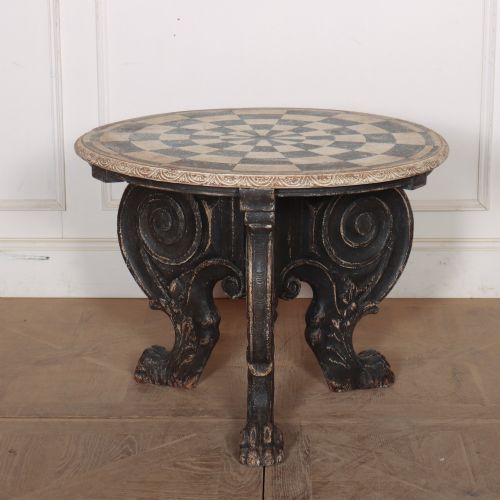


Gothic Style Accent Tables
Gothic style accent tables bring architectural heft and dark timber grain into a room, offering surface space steeped in medieval revival character.
How they were made
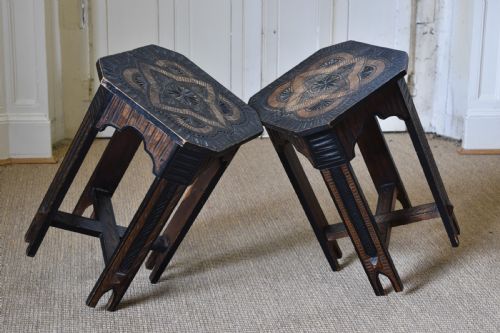
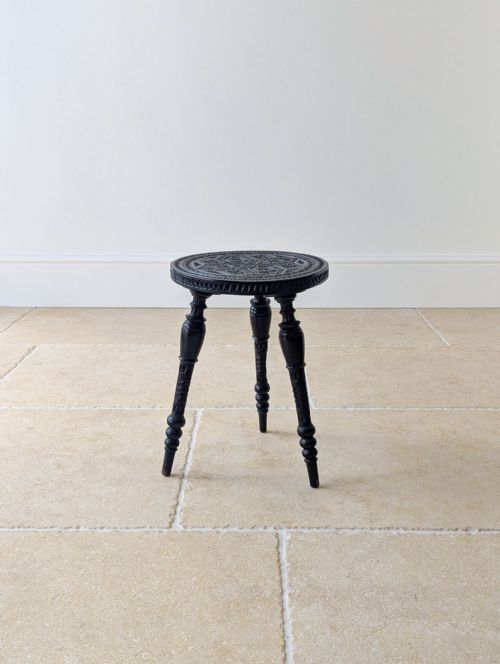
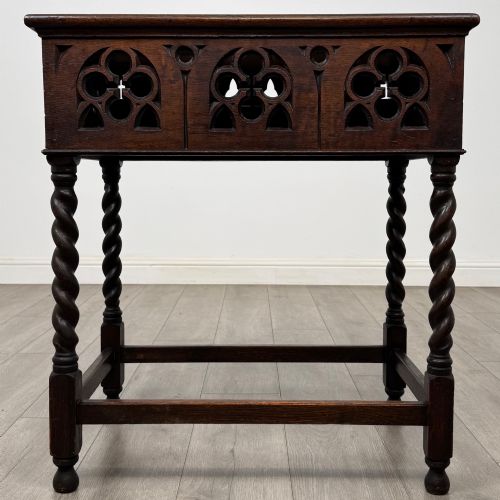
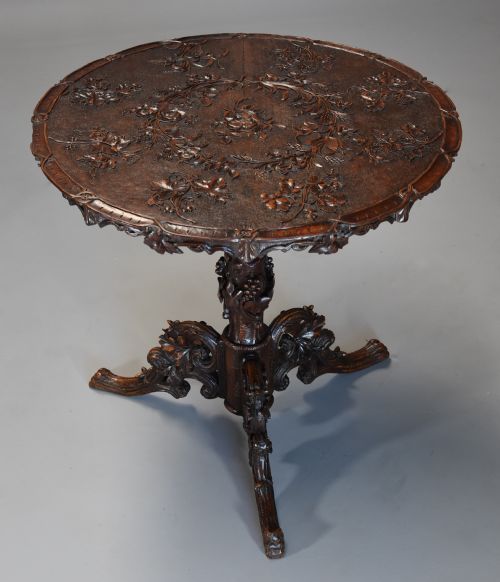
Construction relies heavily on oak, alongside ebonised hardwood, linden wood, and cast brass. Cabinetmakers shaped these materials using hand-carving techniques like chip carving, producing deep geometric patterns and relief ornament across table tops and aprons.
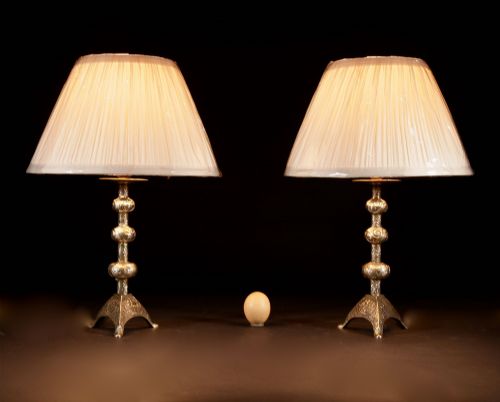
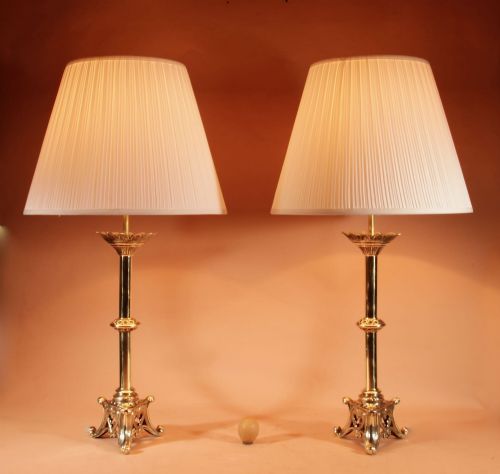
Assembly methods reflect nineteenth-century workshop practices, employing sturdy tenoned joints to support heavy octagonal and round tops. Metal elements utilise cast brass, providing heavy bases for lamps and contrasting textures against the dark timber.
What varies in quality
Quality rests in the depth and precision of the carving, distinguishing simple geometric decoration from profusely carved Black Forest or chip-carved surfaces. The crispness of cast brass details and the selection of dense oak timbers also separate standard production from finer workshop pieces.
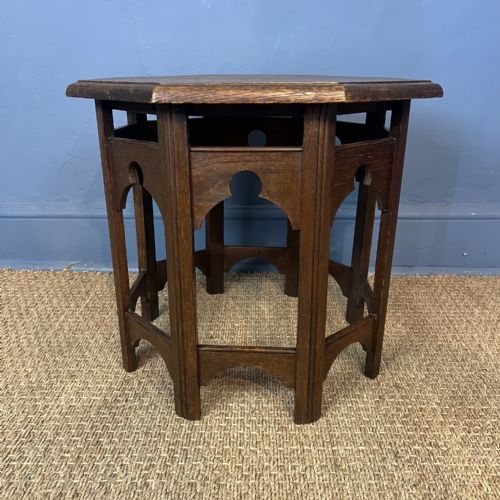
Proportion and structural integrity dictate the standing of a piece, with well-balanced hexagonal or octagonal forms holding greater presence. The integrity of the timber and the retention of original surface patination complete the distinction between ordinary and exceptional examples.
Periods range from the Victorian era through the Edwardian period into the nineteen-thirties.
Baillie Scott
The Gothic Style Accent Tables Glossary
- Chip carving
- A method of removing small chips from a wooden surface to create geometric patterns. This technique appears frequently on nineteenth-century occasional tables.
- Gothic Revival
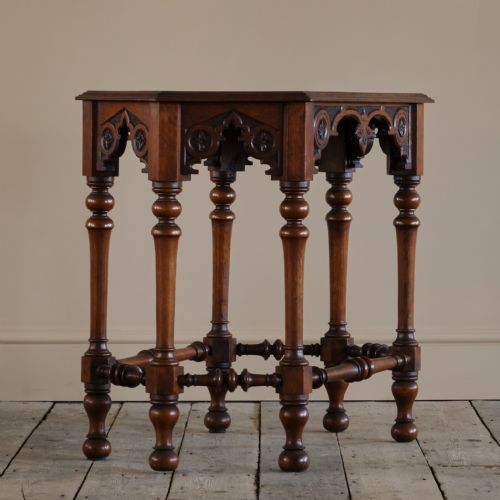
- An architectural and design movement reviving medieval forms from the mid-eighteenth century onwards. It influences the pointed arches and tracery found on these tables.
- Occasional table
- A small, movable table designed for specific, intermittent use rather than dining. These pieces often serve as lamp stands or display surfaces in a corner.
- Ebonised hardwood
- Timber treated with a chemical stain or pigment to imitate ebony. This dark finish provides a stark, formal appearance on Victorian occasional furniture.
- Octagonal top
- A geometric tabletop possessing eight distinct sides. This shape is a common feature on nineteenth-century revival tables.
Gothic Style Accent Tables: Frequently Asked Questions
What is a gothic style accent table?
A gothic style accent table is a small nineteenth-or early twentieth-century surface drawing inspiration from medieval architecture. These pieces typically feature dark oak, geometric carving, and sturdy structural forms.
They function as practical side tables or lamp stands while introducing strong historical character to a modern interior.
How do I style an antique oak table?
Pair an antique oak table with neutral walls to let the dark timber grain and carved details stand out. Avoid overcrowding the surface so the architectural form remains visible.
These pieces work well beside upholstered armchairs or in hallways where their sculptural silhouette adds weight to the room.
Are these tables strictly Victorian?
While many examples date from the Victorian era, the selection also spans Edwardian production and the early twentieth century. Revival styles persisted across several decades with evolving interpretations.
Craftsmen continued producing medieval-inspired furniture well into the nineteen-thirties, utilising similar oak and brass materials.