


Paw Foot Side Table
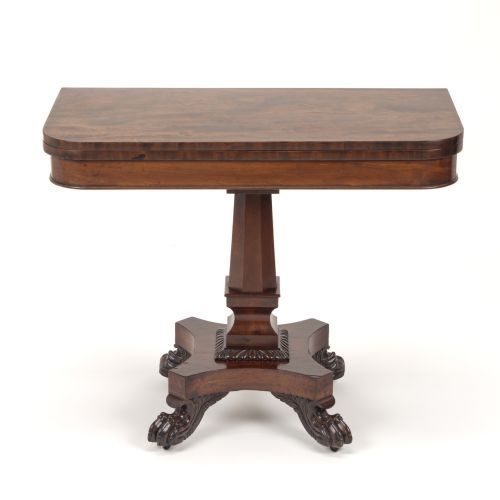
A paw foot side table brings together solid mahogany, rosewood, and distinctive carved supports from the Regency and Georgian periods.
Paw Foot Side Table
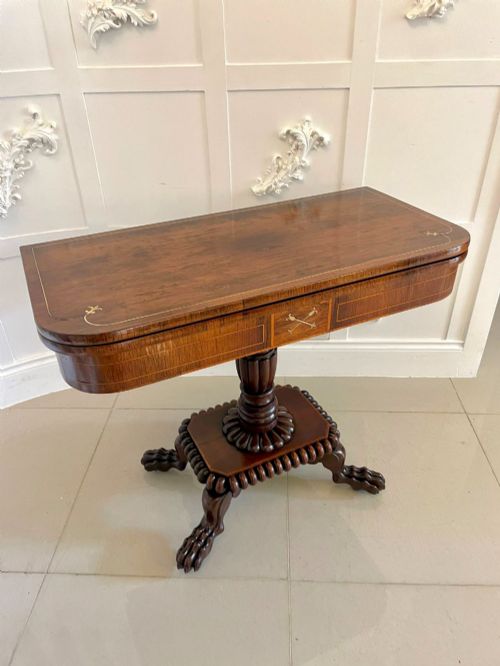
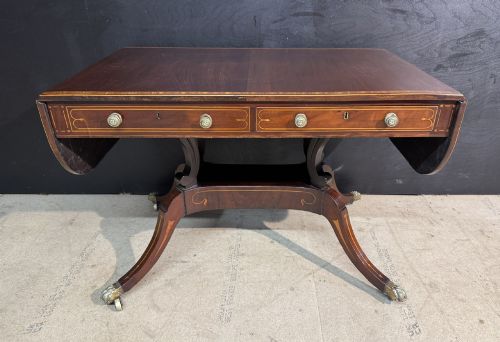
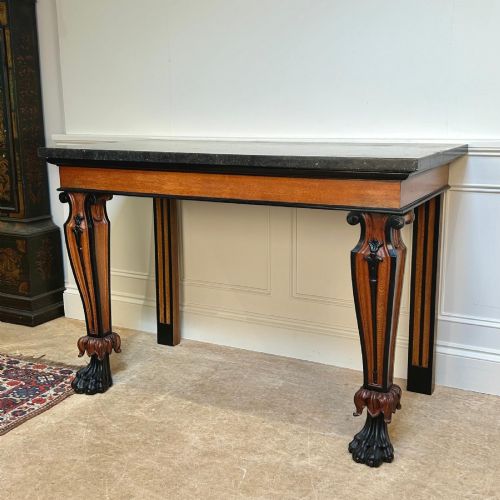
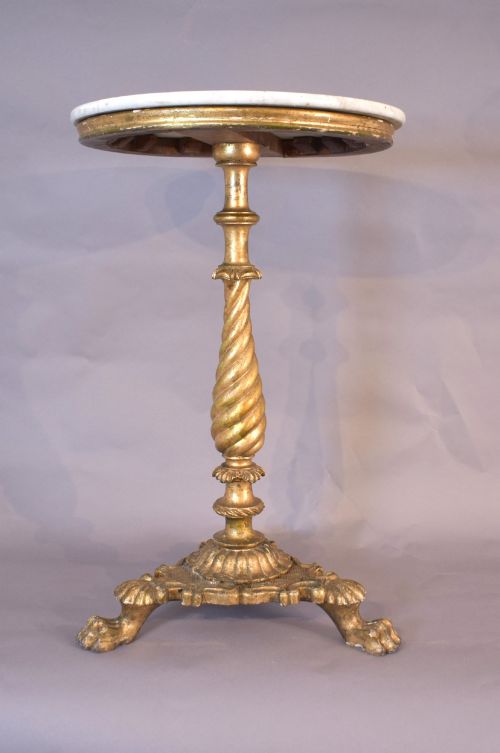
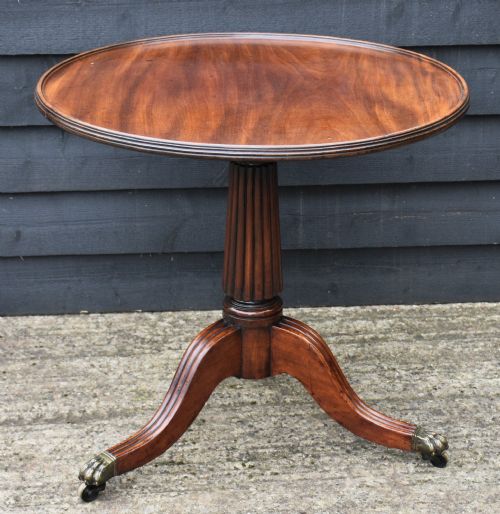
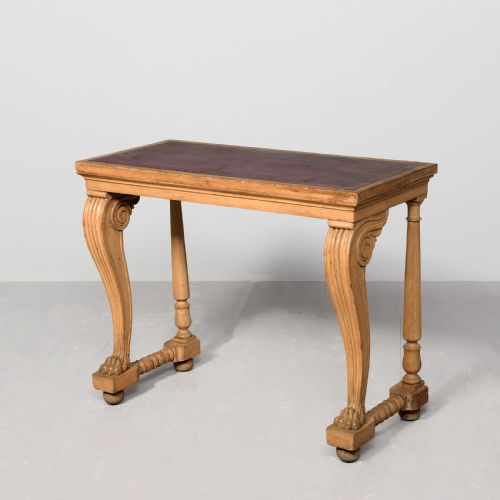
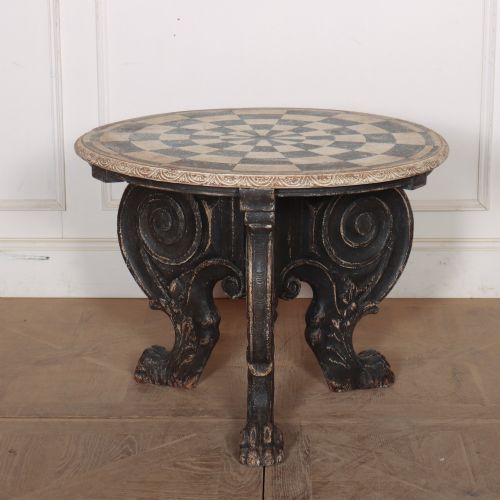
A paw foot side table is primarily encountered in Regency and Georgian forms, spanning sofa tables, console tables, and occasional pieces. These designs often incorporate tripod bases or pedestals terminating in carved animal paws.
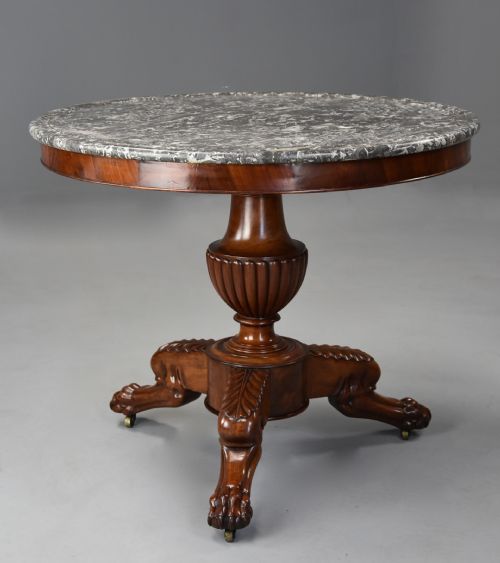
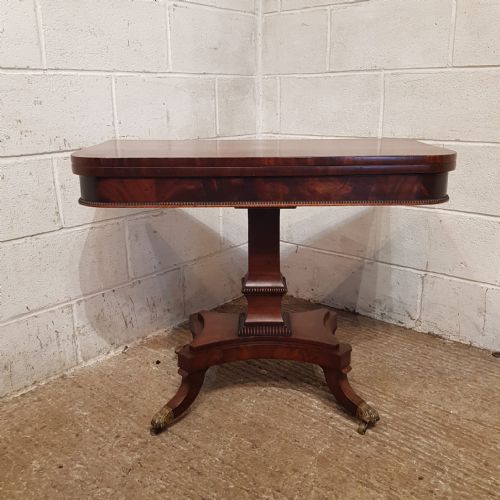
The selection ranges from fold-over tea and card tables to marble-topped gueridons and serving tables. Mahogany and rosewood dominate the surviving examples, frequently enhanced by brass inlay or gilt mounts.
Construction and materials
Cabinet makers utilised dense hardwoods like solid mahogany, figured mahogany veneer, and rosewood, often pairing them with flame mahogany to create varied surface movement. Oak appears in structural framing and country house pieces.
Decorative detailing relies on cast brass inlays, ormolu mounts, and hand-carved giltwood elements. Marble tops feature heavily on French gueridons and console tables of the period.
Several tables include clever rotating tops designed for tea drinking, letting eighteenth-century hosts spin the surface to face whichever guest needed a refill.
Judging quality in design
Superior examples separate themselves through the crispness of the paw foot carving and the balance of the proportions. Finer pieces display carefully chosen timber grains, such as flame mahogany or figured rosewood, matched across the top.
Integration of brass inlay and mercury-gilded ormolu mounts indicates a higher workshop standard. The stability of revolving mechanisms and the original patination of the timber further separate standard production from master work.
James Mein of Kelso·Jean-Joseph Chapuis·John McLean·George Smith
The Paw Foot Side Table Glossary
- Gueridon
- A small circular table originating in France, commonly supported by a central pillar or tripod base with a marble top. These tables served various domestic functions in nineteenth-century salons.
- Sofa table
- A rectangular piece designed to stand in front of a sofa, typically featuring drop leaves on either side and dual pedestals. They frequently incorporate drawers for sewing implements or writing materials.
- Ormolu
- Finely ground high-carat gold applied to a bronze base using a mercury amalgamation process. This technique created rich decorative mounts for Regency and French Empire furniture.
- Flame mahogany
- A veneer cut from the fork of the mahogany tree where the branch joins the trunk. The resulting grain pattern resembles flickering flames across the surface of the table.
- Tripod base
- A support structure consisting of three legs radiating from a central column. This configuration provides stability on uneven floors while allowing for carved paw terminals.
Paw Foot Side Table: Frequently Asked Questions
How are paw foot side tables cleaned?
Dust surfaces regularly with a dry, soft cloth to prevent particle buildup. Avoid modern silicone sprays, relying instead on traditional beeswax applied sparingly to nourish the timber.
Keep tables away from direct heat sources and strong sunlight to prevent the mahogany or rosewood from drying out and cracking. Marble tops require simple wiping with a damp cloth and mild soap.
Where did these tables sit?
Console and serving tables traditionally stood against walls in dining rooms and hallways. Sofa tables occupied central positions behind upholstery, offering pull-out leaves for writing or tea.
Smaller tripod and occasional variants found placement beside chairs or in corners for holding lamps and books. Their versatile sizing allowed movement between principal rooms as household needs shifted.
What is flame mahogany?
Flame mahogany is a decorative veneer sliced from the junction where branches meet the main trunk of the tree. This specific cut produces a dramatic, undulating grain pattern resembling flickering fire.
Cabinet makers reserved this striking material for the primary surfaces of card tables and sofa tops. It provides a strong visual contrast against simpler mahogany framing and brass inlay.