




Painted Timber Panel
These painted timber panel examples bring historic pigment and texture to a wall, offering rich colour and narrative depth.
Painted Timber Panel
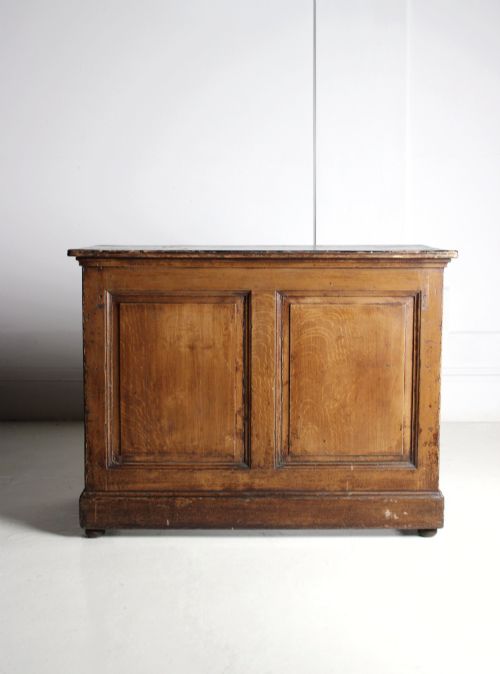
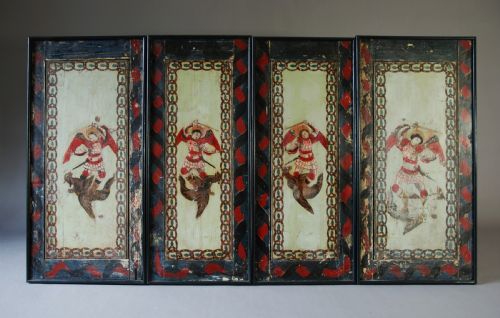
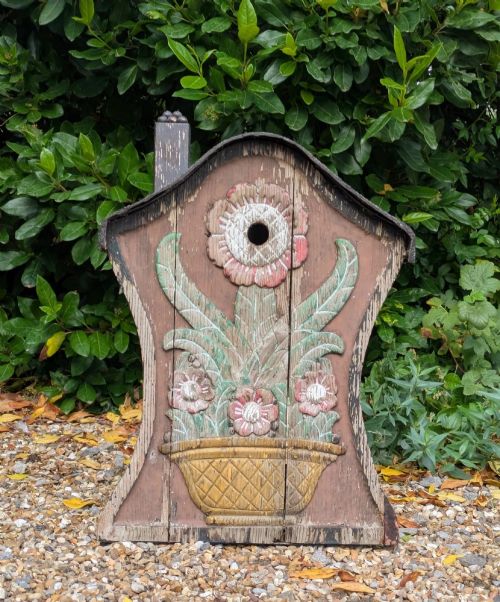
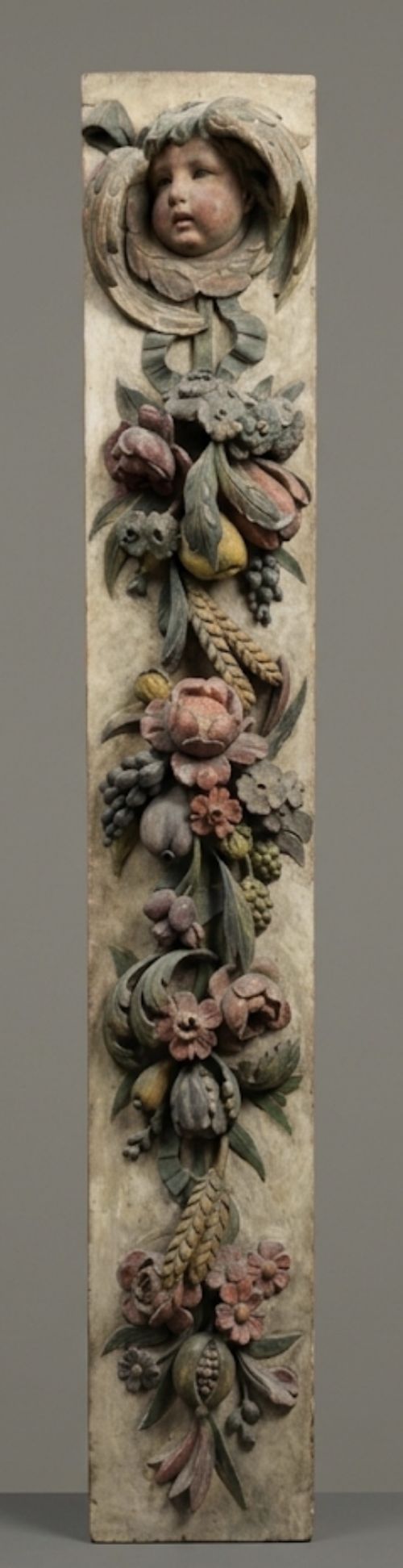
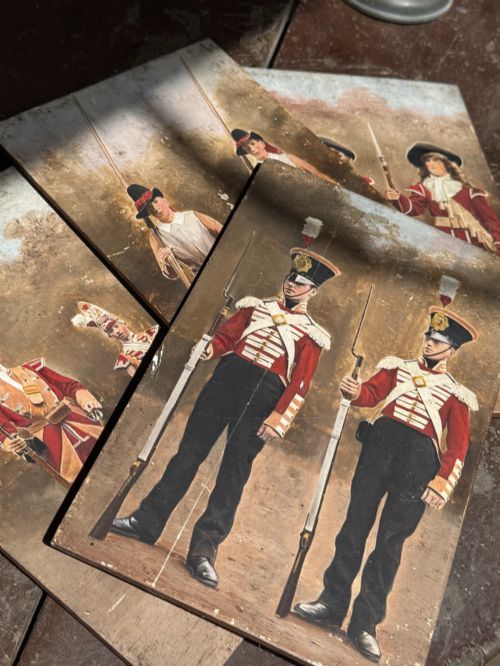
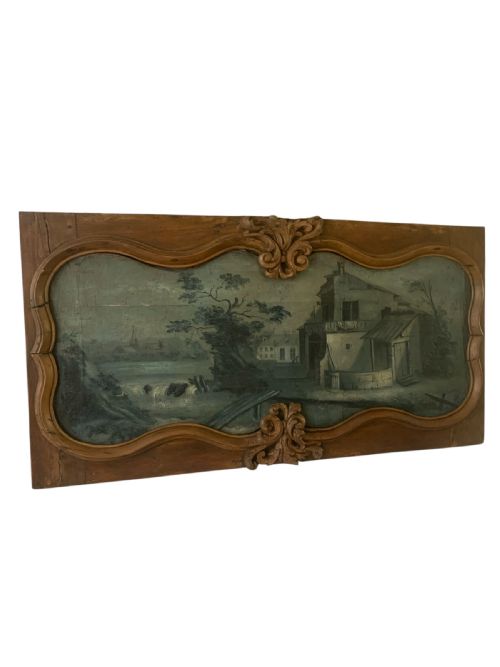
A painted timber panel brings centuries of decorative history indoors, spanning vernacular items to grand architectural fragments. When you search for a painted timber panel, you encounter works ranging from religious icons and fairground boards to French provincial doors and structural fragments. These surfaces carry layers of history, showing pigment and brushwork accumulated across generations.
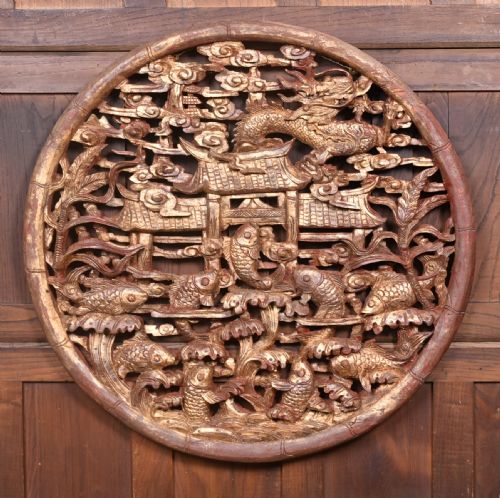
The pieces on this page draw from diverse traditions, including Swedish folk art, Chinese cart doors, English theatre scenery, and religious panels. You find items dating from the seventeenth century through to the early twentieth century, reflecting varied regional aesthetics and domestic uses. Pine and oak provide the primary timber supports for these varied artistic expressions.
Architectural salvage and wall art dominate the selection, appearing as overdoors, screens, cupboard doors, and decorative plaques. Many items originate from larger structures, functioning previously as trade signs, room dividers, or furniture components before entering the decorative market. Each format offers a distinct way to incorporate historic painted wood into a modern interior.
Materials and construction methods
Makers utilised available local woods such as pine, oak, and other structural timbers to build the underlying supports for these artworks. Joinery methods reflect the period of origin, from simple plank construction in folk pieces to panelled framing in architectural elements. These wooden bases were selected for stability and surface area readiness.
Pigments were applied directly to the timber, frequently over a preparation layer of gesso to smooth the wood grain and enhance colour brilliance. Artists used oil-based paints, tempera, and gold leaf, sealing the compositions with varnishes that have darkened gracefully over time. Surfaces often display scumble glazes, hand-painted florals, or naive figural depictions.
Many items bear the marks of intensive use and weathering, particularly fairground boards, theatre scenery, and architectural salvage exposed to the elements. Subsequent layers of paint or protective finishes were frequently added during the working life of the object. This accumulation of material creates the distinct tactile quality associated with antique painted wood.
Several panels carry the secret history of fairgrounds and theatre stages, complete with the scuffs of past audiences.
Factors influencing quality and appeal
The integrity of the original painted surface dictates much of the visual impact, separating pieces with untouched historic pigment from those with extensive modern overpainting. A well-preserved brushstroke or an authentic layer of scumble glaze reveals the hand of the original maker or decorator. Original framing and undisturbed mounting hardware further contribute to historical authenticity.
Compositional strength and the clarity of the subject matter distinguish finer examples from standard decorative items. Whether depicting religious iconography, heraldic motifs, or folk art scenes, the balance of form and colour demonstrates the skill behind the piece. Provenance and identifiable regional traditions also elevate the standing of individual works within a collection.
The Painted Timber Panel Glossary
- Architectural salvage
- Building elements rescued from demolition or alteration for decorative reuse. These items include doors, overdoors, and panelling.
- Gesso
- A plaster-like mixture applied to wood to create a smooth surface for painting. It provides a stable white ground for pigments.
- Scumble
- A technique of applying a thin, translucent layer of paint over a lighter base. This creates mottled or textured colour effects resembling graining.
- Polychrome
- Decorated in multiple colours. The term describes objects featuring varied painted pigments across their surfaces.
- Icon
- A devotional painting on wood, typically depicting sacred figures. These works follow traditional religious art canons.
Painted Timber Panel: Frequently Asked Questions
How were painted timber panels used originally?
These panels served diverse functions, acting as structural doors, religious icons, trade signs, and theatre scenery. Many were integrated directly into domestic interiors or commercial buildings as decorative focal points.
Over time, architectural elements were often salvaged from demolished structures, preserving vernacular artistry for decorative display.
Where should I hang a large wooden panel?
Large panels require sturdy wall fixings due to the substantial weight of historic timber and supporting frames. Placing them on main living room walls or above large pieces of furniture allows the scale and pigment to register fully.
Ensure the hanging location avoids direct sunlight and dramatic moisture fluctuations to protect the aged paint layers.
How do I identify the period of painted wood?
Dating relies on examining the timber species, joinery techniques, and the chemical composition of the pigments used. Tool marks on the reverse of the panel often reveal whether the wood was hand-sawn or machine-cut.
Stylistic markers within the painting, such as costume details or lettering styles, provide further clues to the decade of creation.
Can exterior panels be hung outside?
Most antique painted panels are unsuited for exterior exposure due to the vulnerability of historic pigments and gesso layers to dampness. Moisture causes wood to warp and paint to flake, permanently damaging the surface.
Displaying these works in stable interior environments ensures the preservation of their delicate finishes.
What is the difference between folk art and fine art panels?
Folk art panels display naive techniques and regional traditions created by untrained local makers or tradespeople. They often prioritise bold patterns, vibrant pigments, and direct storytelling over academic perspective.
Fine art panels, such as religious icons or theatre scenery, reflect formal training and adherence to established artistic conventions of their period.