


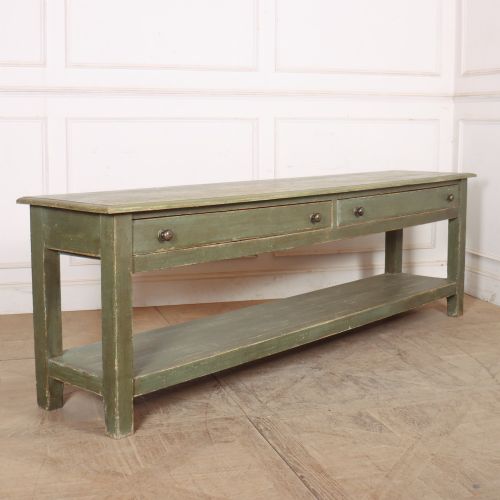

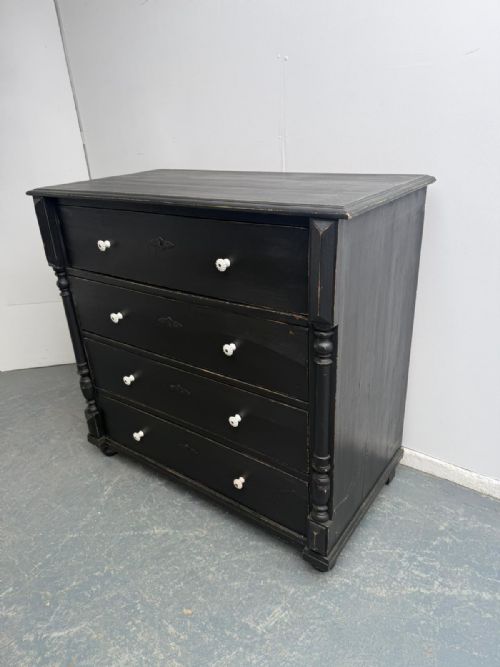

Painted Timber Dresser
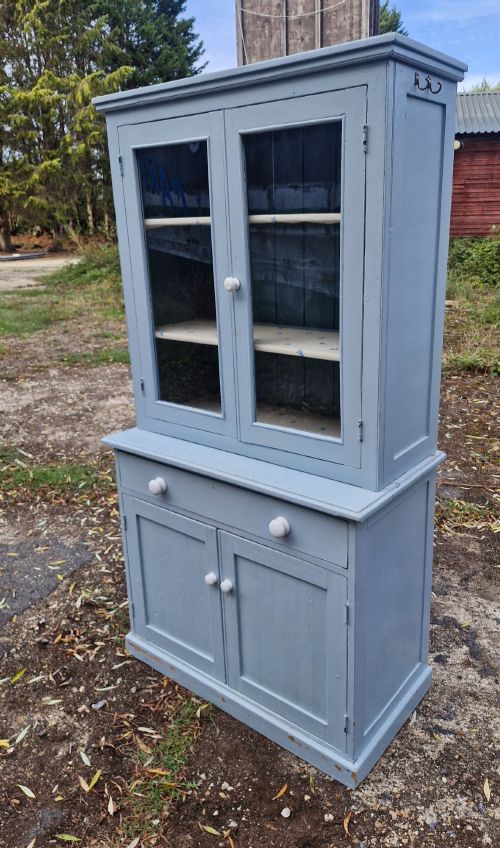
A painted timber dresser brings honest utility and time-worn character to a room, offering generous storage alongside a surface for display.
Painted Timber Dresser
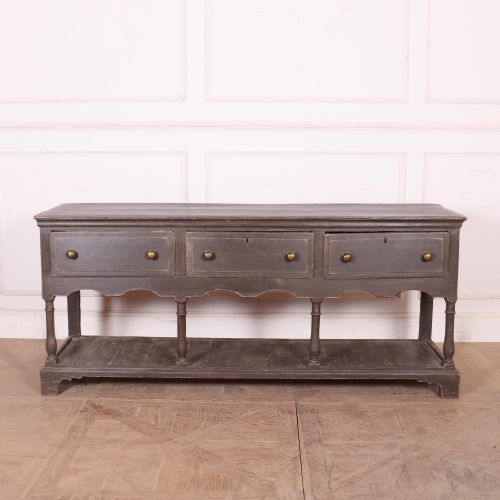
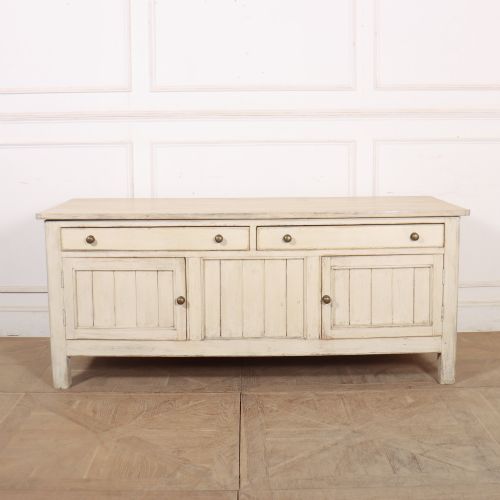
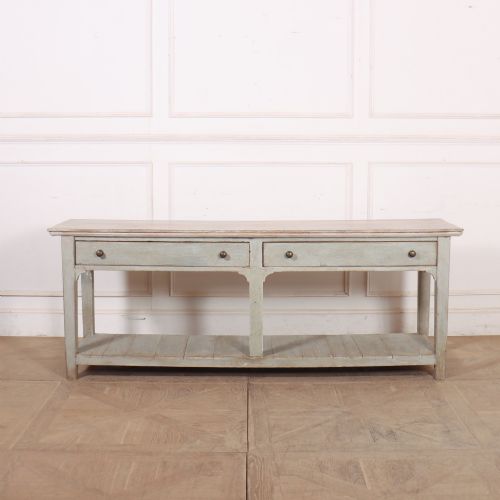
When you search for a painted timber dresser, you encounter heavy functional furniture designed for storage and display, spanning kitchen cupboards, potboard bases, and Welsh servers. These utilitarian forms emerge most frequently from nineteenth-century English country houses and continental workshops.
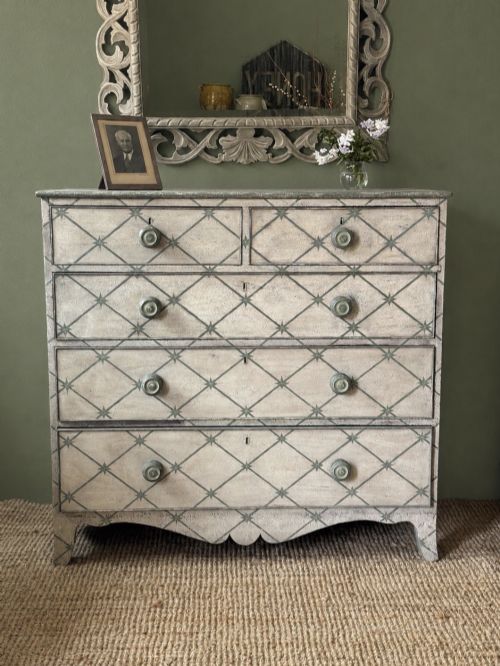
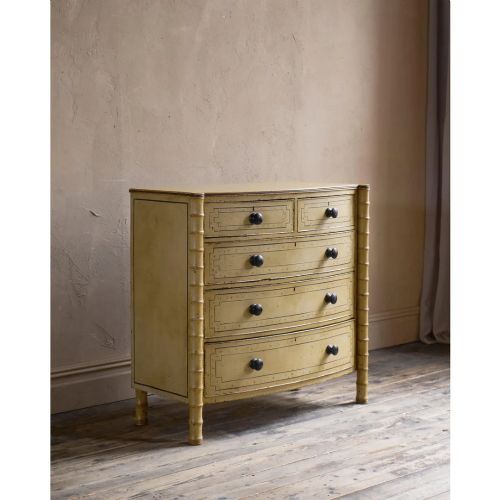
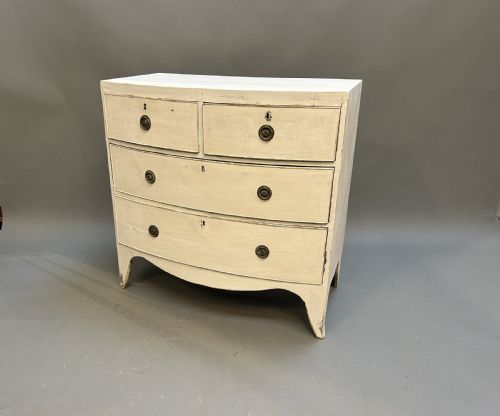
The pieces on this page lean heavily toward nineteenth-century origins, alongside eighteenth-century examples and early twentieth-century additions. You will frequently find dresser bases, chests of drawers, and kitchen cupboards constructed for rural domestic spaces.
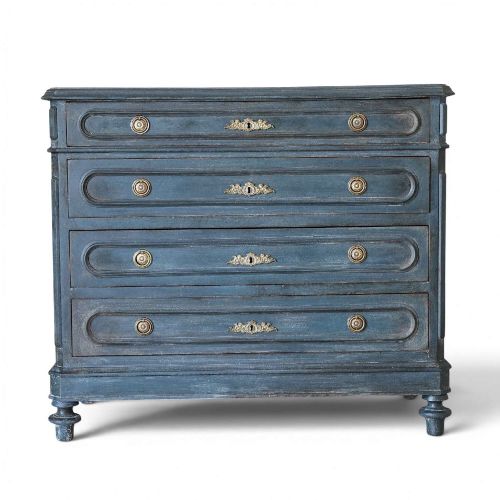
Regional variations span English country styles, French provincial commodes, and Gustavian cabinets. Each regional variation displays distinct proportions and structural habits rooted in local vernacular traditions.
Materials and construction
Pine serves as the primary structural timber across these pieces, providing a stable foundation that accepts surface decoration readily. Workshops combined this soft timber with iron hinges, brass pulls, and occasional metal hardware to assemble functional doors and drawers.
Makers applied traditional paint layers directly to the timber, often preserving original finishes that show decades of wear. Construction relies on pegged joints and solid boards, prioritizing daily utility over refined cabinet-making display.
A nineteenth-century pine dog kennel dresser includes a built-in central dog recess, proving that historical joinery occasionally accommodated the family hound.
Markers of quality
Quality rests in the survival of original paint surfaces and the integrity of the underlying pine timber. Pieces retaining undisturbed historic finishes and robust structural framing stand apart from those altered by modern repainting or heavy restoration.
Proportion and execution define the distinction between standard domestic items and finer regional commissions. Well-balanced drawer arrangements and sound joinery indicate careful workshop production.
The Painted Timber Dresser Glossary
- Potboard dresser base
- A kitchen table or sideboard featuring a low open shelf beneath the main surface. This lower platform was traditionally used to store pots and heavy kitchen utensils.
- Commode
- A low chest of drawers or cabinet with doors, originating in continental Europe. These pieces often feature decorative commode styling associated with French and Dutch domestic interiors.
- Dog kennel dresser
- A specific form of kitchen dresser featuring a central open recess positioned beneath the drawers. This distinctive architectural gap sits flanked by small cupboards or banks of drawers.
- Gustavian
- A Swedish neoclassical design style developed during the late eighteenth century. Pieces from this tradition typically exhibit restrained ornamentation and pale painted finishes.
- Vaisselier
- A traditional French term for a plate rack or dresser used to display tableware. These items combine open shelving with lower storage compartments.
Painted Timber Dresser: Frequently Asked Questions
What is a potboard dresser?
A potboard dresser is a traditional serving table or storage base featuring an open bottom shelf situated close to the floor. This lower board provided practical storage for heavy earthenware pots and kitchen pans in domestic settings.
These pieces typically formed the centre of farmhouse kitchens. They offer a heavy timber top for food preparation alongside open lower storage.
How do I identify original paint?
Original paint surfaces show natural wear patterns, subtle craquelure, and multiple underlying layers visible in areas of friction. These finishes accumulate gentle patination through decades of household use rather than uniform modern application.
Examining corners, edges, and recessed areas helps reveal the consistency of the early surface. Genuine historic paint integrates closely with the underlying pine timber.
Where were these dressers made?
These pieces originate from workshops across England, France, Sweden, Denmark, and Hungary. English country houses and regional continental provinces produced the majority of these functional timber items.
Regional differences appear in the hardware, moulding profiles, and drawer configurations. Each area adapted standard storage forms to local domestic requirements.
How do I style a painted dresser?
A painted dresser functions well in kitchens, dining rooms, and hallways as a primary storage and display focal point. The surface and open shelves accommodate ceramics, glassware, and everyday objects.
Pairing the weathered paint finish with neutral walls allows the natural character of the timber to stand out. These pieces anchor contemporary or traditional interiors with historic utility.