
Painted Table with Drawers
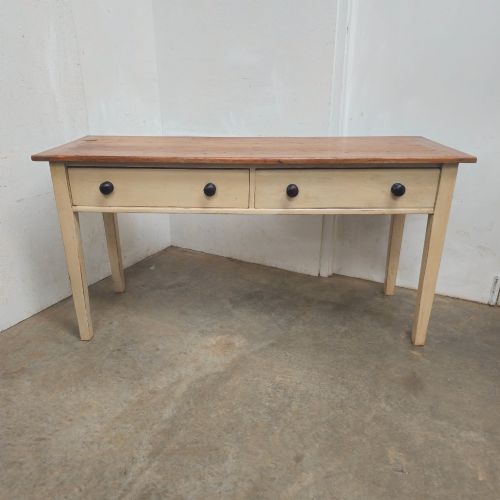
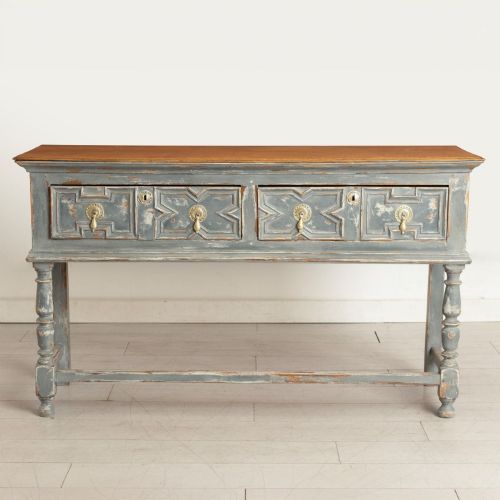
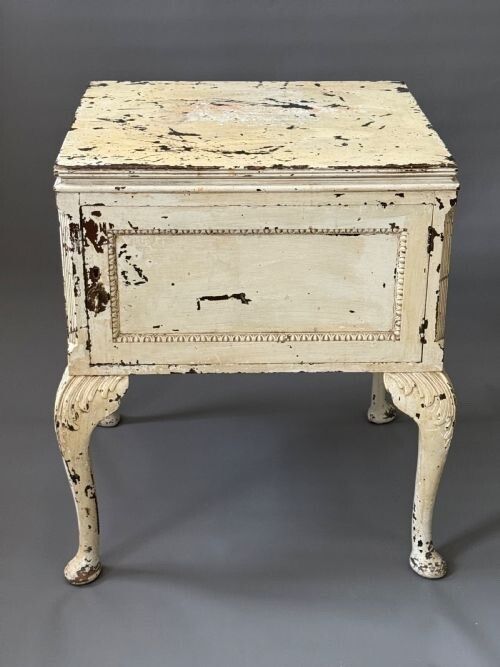
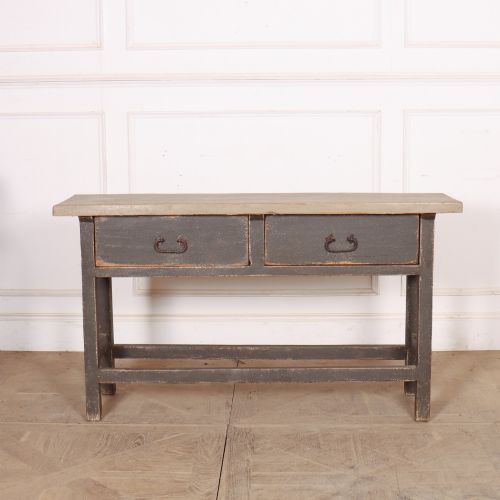
A painted table with drawers brings both practical storage and surface character to a room, drawing on decades of utilitarian and decorative tradition.
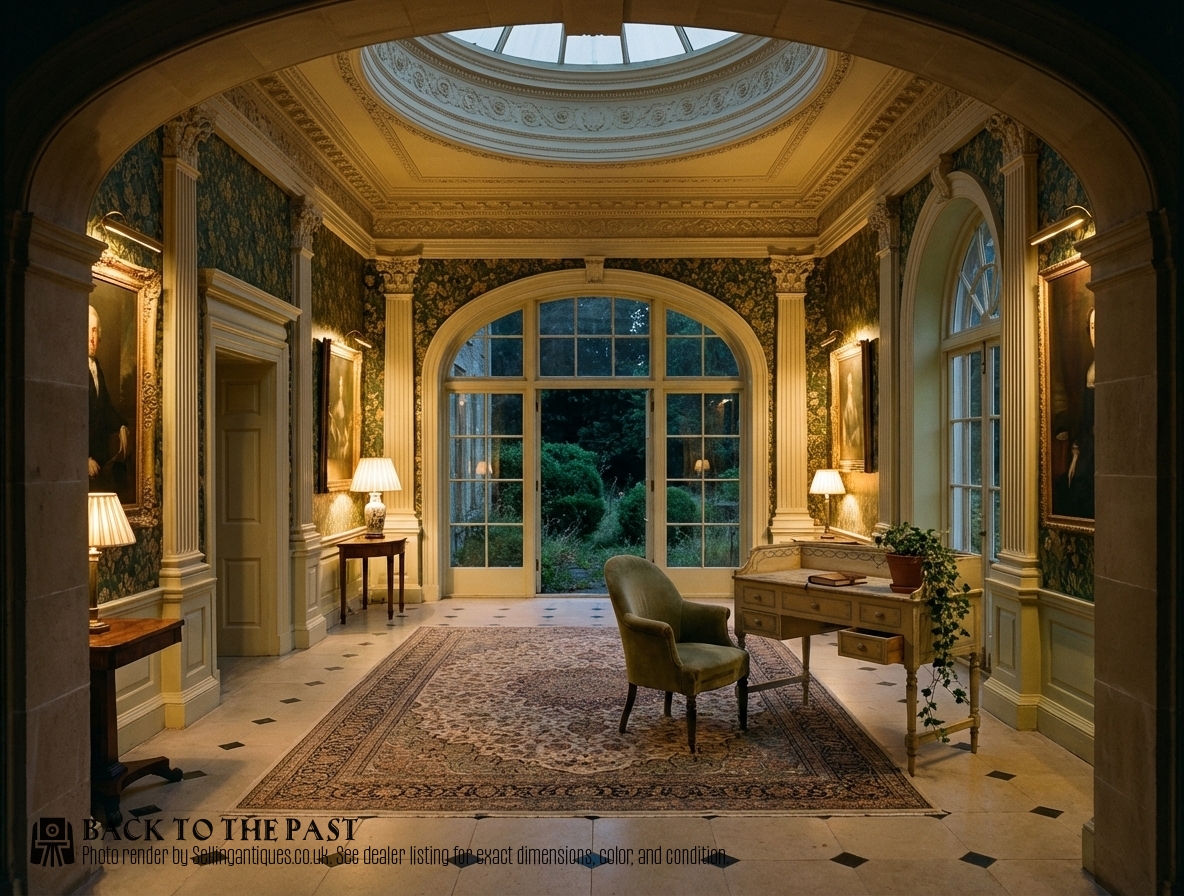
Painted Table with Drawers
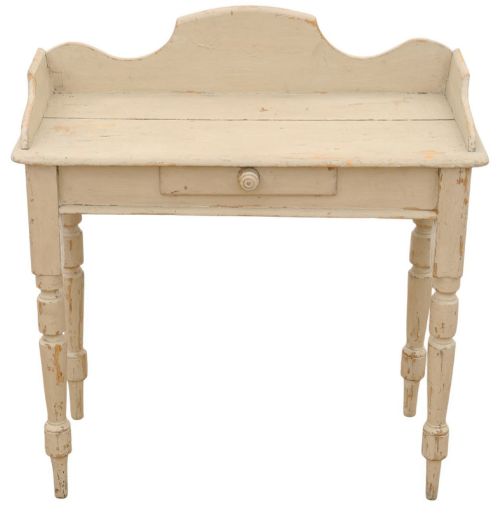
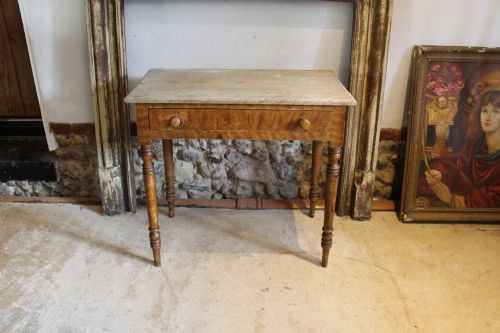
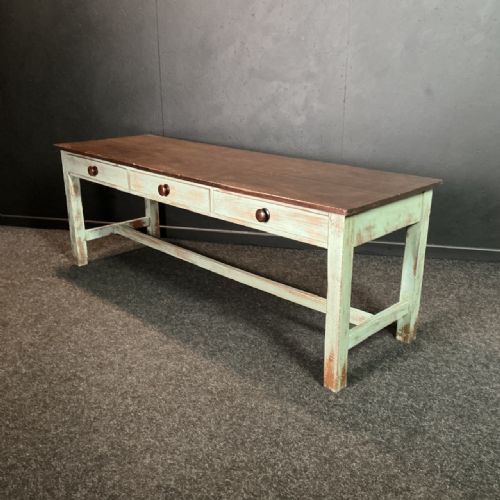
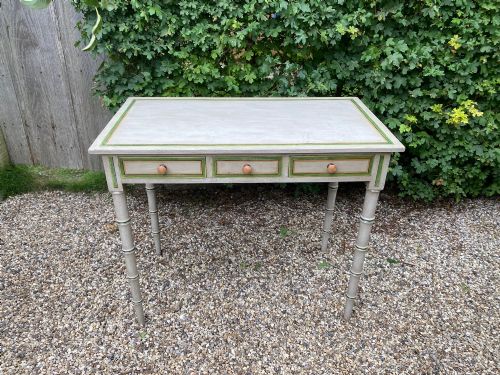
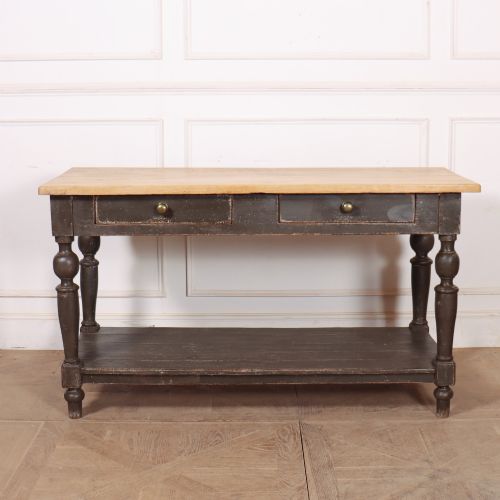
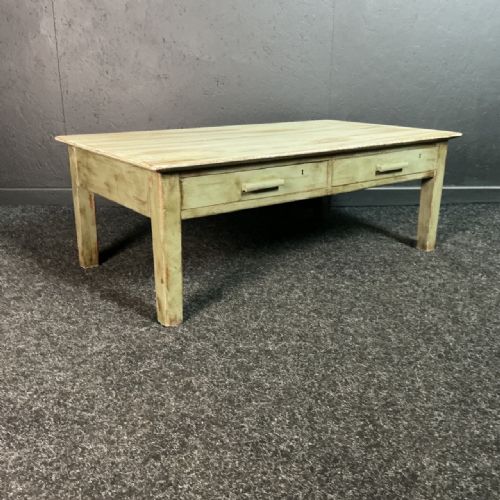
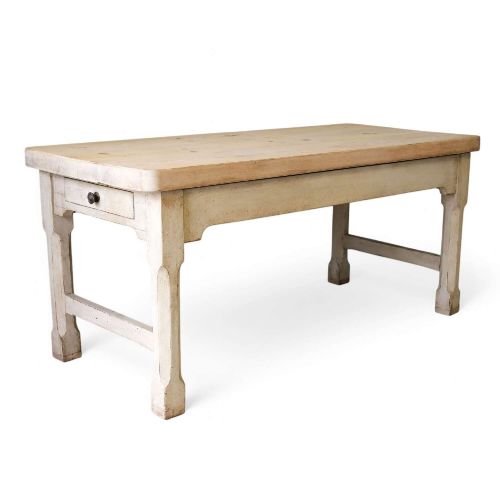
A painted table with drawers encompasses a varied group of functional items designed for everyday household use, ranging from kitchen prep surfaces to refined writing desks. These pieces span multiple eras, with nineteenth-century examples and Victorian utilitarian items appearing frequently alongside Edwardian variations.
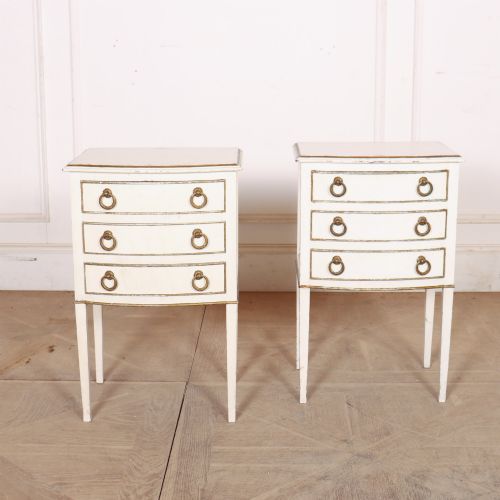
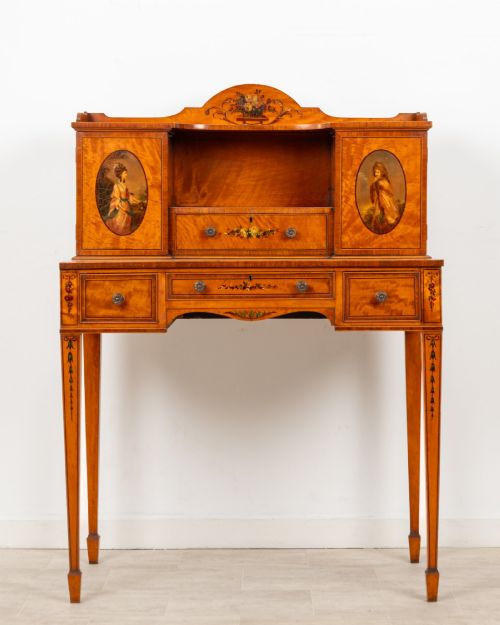
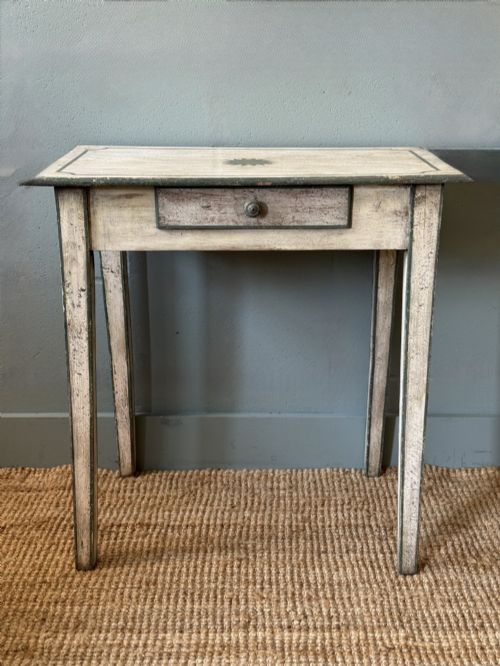
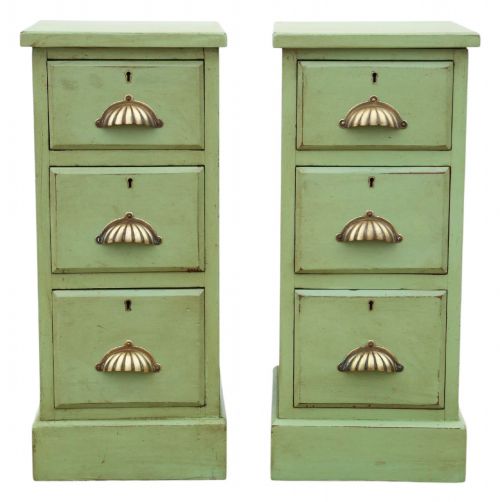
Buyers encounter numerous forms on this page, including side tables, dressing tables, writing desks, and console tables equipped with functional storage compartments. Many examples display regional character, spanning English, French, and Scandinavian country traditions.
The integration of drawers transforms a simple flat surface into a practical storage unit, whether configured as a single central compartment or multiple side bays. Such furniture bridges the gap between decorative display and domestic utility.
How they were made
Construction relies heavily on traditional timber substrates, most notably pine and satinwood, combined with applied painted finishes that range from original coatings to delicate hand-painted decoration. Workshops utilised durable hardwoods and softwoods to build sturdy frames capable of withstanding daily domestic use.
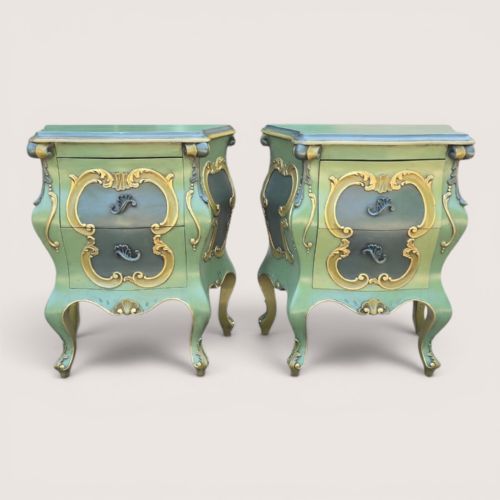
Surface treatments play a defining role, with pieces featuring original paint, hand-decorated floral motifs, scumble glaze, or geometric designs applied directly over the wood. Hardware components such as brass pulls and glass elements add functional detail to the structured wooden drawers.
Some drawers retain unexpected traces of old recipes or botanical notes hidden behind their historical pull handles.
What varies in quality
The standard of a painted table with drawers rests upon the integrity of its surface finish and the preservation of its original paintwork rather than plain uniformity. Pieces retaining genuine historical pigment layers exhibit a depth of character distinct from later or heavier modern over-painting.
Construction subtleties dictate the overall caliber, including the neat dovetailing of drawer boxes, the smoothness of their movement within the frame, and the quality of any hand-applied floral or geometric decoration. Finer examples balance robust utilitarian joinery with delicate artistic detailing.
The Painted Table with Drawers Glossary
- Scumble glaze
- A translucent decorative paint layer manipulated with tools to imitate the natural grain of more expensive timbers or create textured patterns.
- Satinwood
- A dense, light-coloured tropical hardwood prized for its fine grain and smooth texture, frequently utilised in high-grade Edwardian writing desks.
- Dresser base
- The lower section of a larger storage unit, typically featuring rows of functional drawers and cupboards designed for kitchen or dining utility.
- Console table
- A wall-mounted or freestanding table designed to stand against a vertical surface, often fitted with shallow drawers for slim storage.
Painted Table with Drawers: Frequently Asked Questions
Where did these tables originate?
The pieces originate from various European and domestic workshops, reflecting regional domestic traditions across England, France, and Scandinavia. Makers adapted local timbers and painting styles to suit contemporary household needs.
Surviving examples demonstrate how utility furniture evolved from basic farmhouse preparations to more decorative parlour and bedroom furnishings over the course of the nineteenth and early twentieth centuries.
How do I identify original paint?
Original paint surfaces show natural wear patterns, craquelure, and weathering consistent with age, adhering closely to the underlying wooden grain. Examination under close light often reveals multiple microscopic layers or historical touch-ups.
Later repainting tends to sit uniformly flat across hardware and crevices without the accumulated patina of genuine historical use.
What rooms suit these tables?
These tables adapt easily to kitchens, hallways, bedrooms, and living spaces due to their dual nature as surface areas and storage units. A bedside cabinet or dressing table serves private quarters, while side tables and console units fit communal areas.
The inclusion of drawers allows for discreet storage of small household items while maintaining a decorative focal point in the room.
How should I care for the surface?
Preserving the painted finish requires gentle cleaning with a dry or lightly damp cloth, avoiding harsh chemical solvents that might lift historical pigments. Wax can be applied sparingly to unpainted wooden sections to maintain moisture balance.
Protecting the surface from excessive moisture and direct sunlight ensures the original decorative details remain stable over time.