
Painted Storage Cabinet
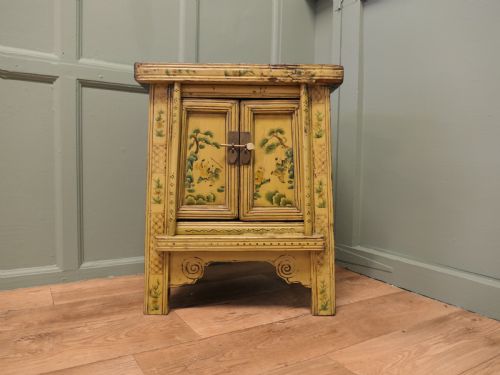
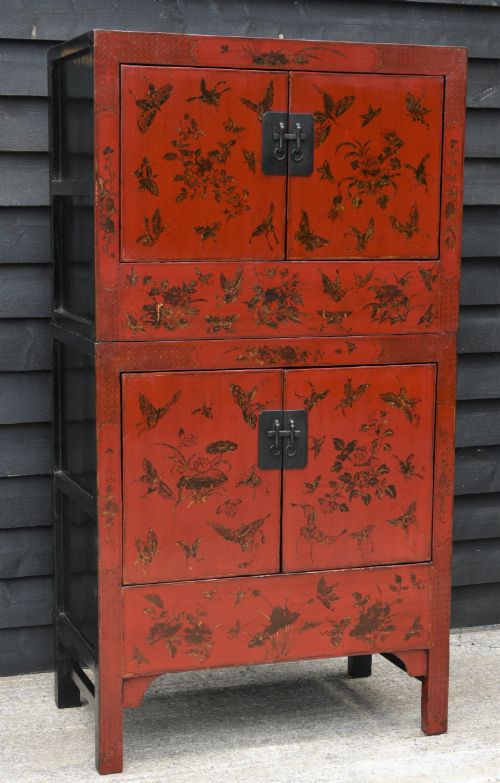
A painted storage cabinet brings practical utility and decorative surface colour to a room, ranging from simple pine housekeepers cupboards to ornate lacquered wedding pieces.
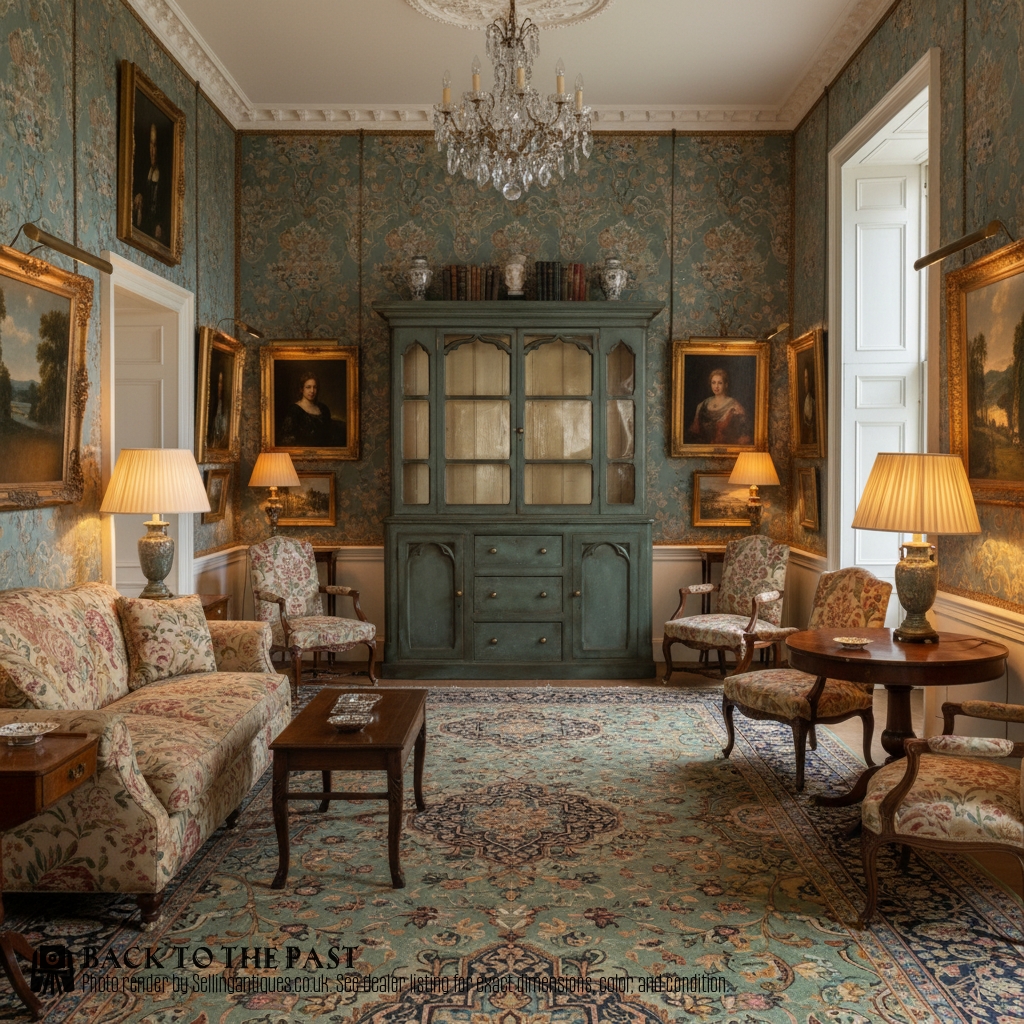
Painted Storage Cabinet
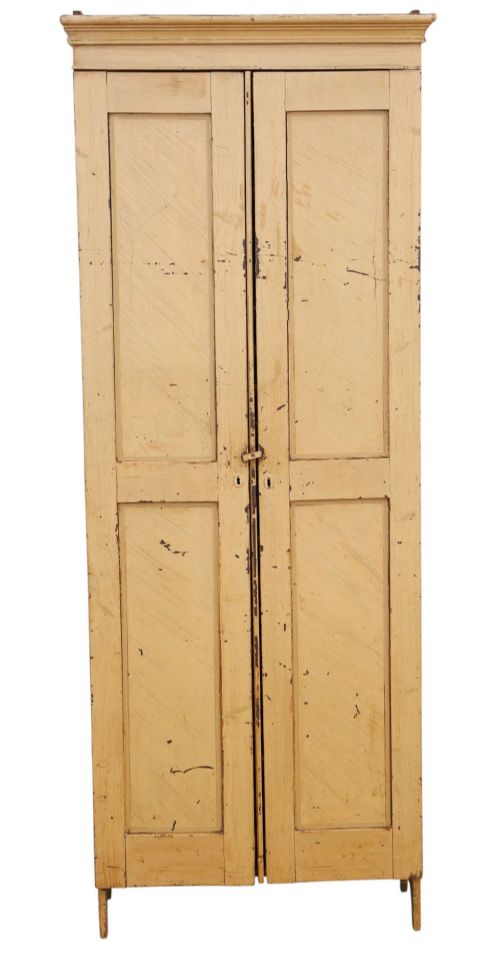
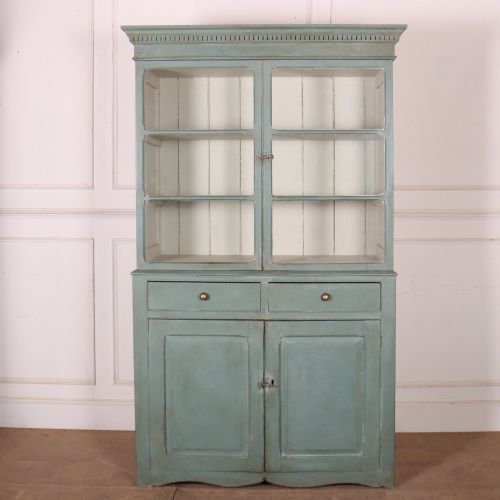
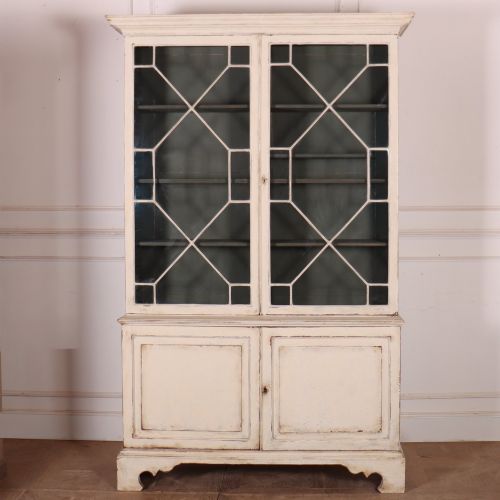
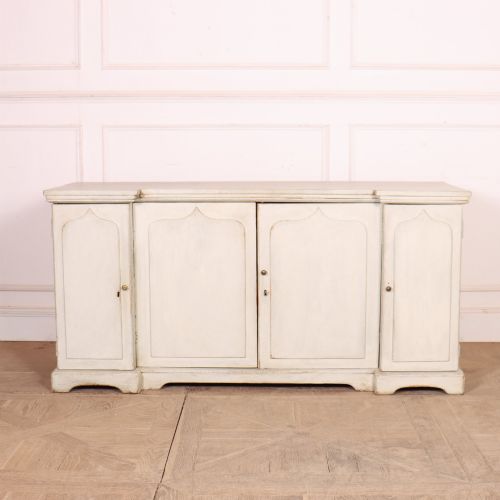
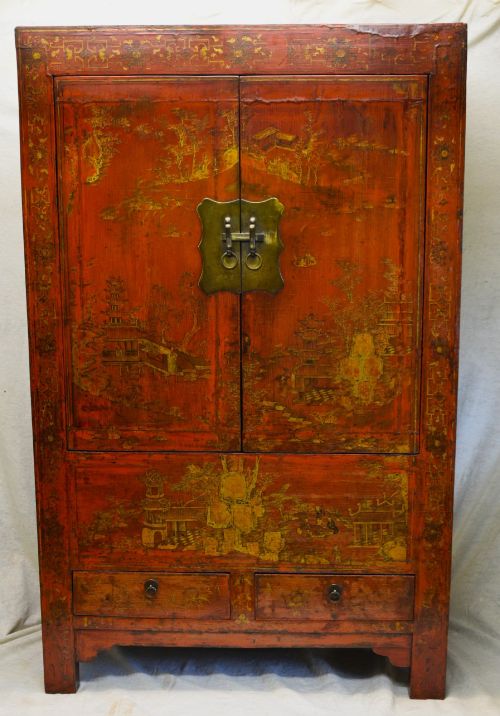
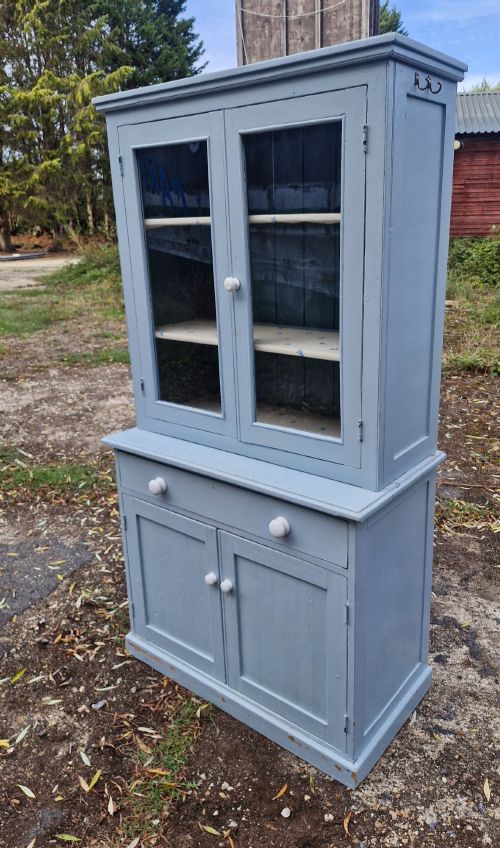
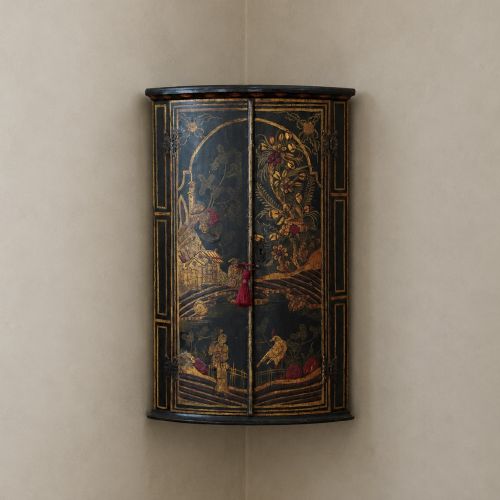
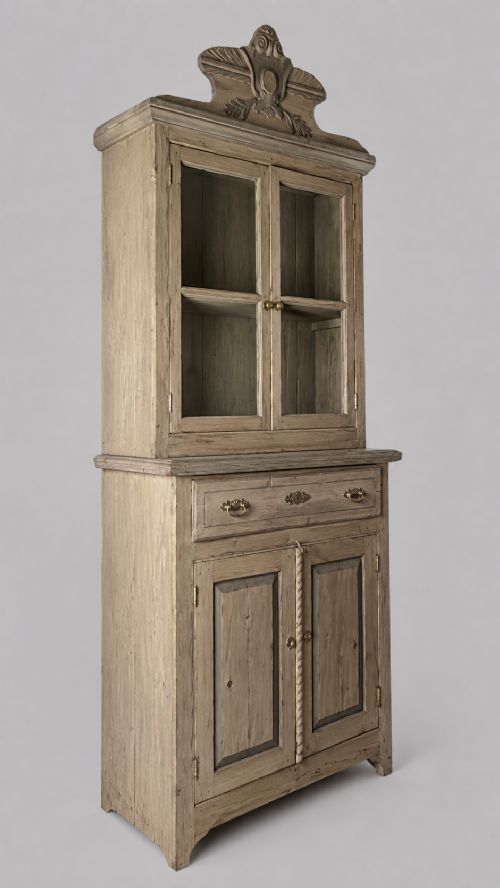
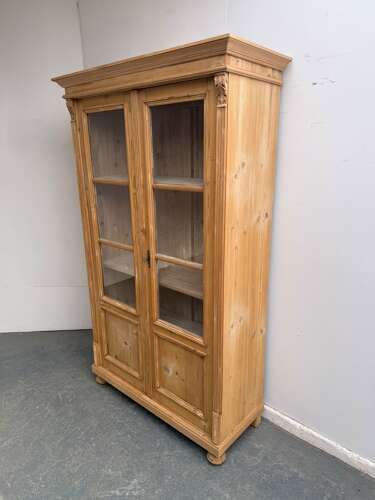
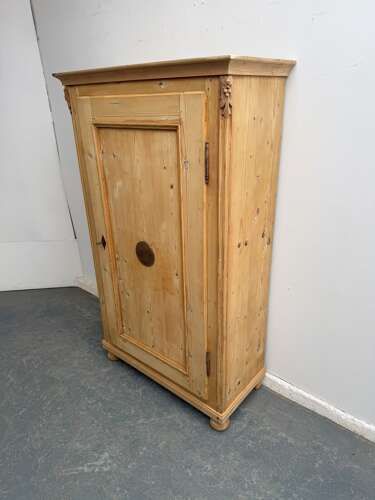
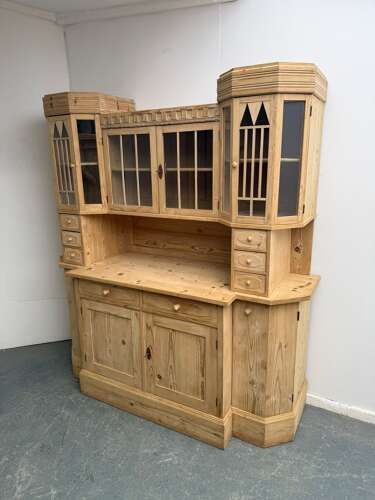
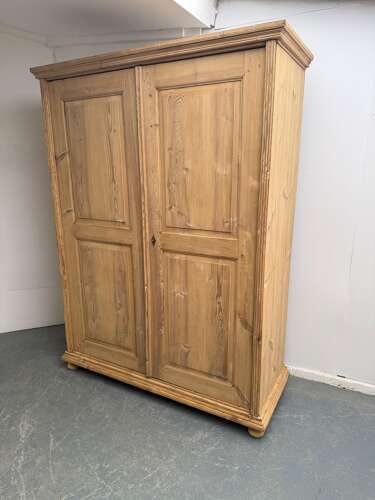
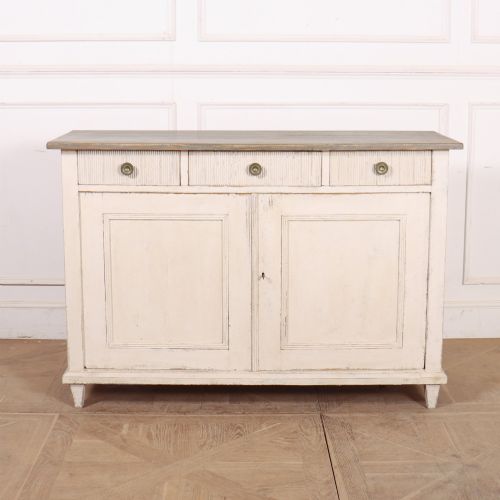
A painted storage cabinet serves as a functional vessel for household goods, appearing in diverse regional forms across domestic interiors. Buyers encountering this selection will discover upright cupboards, glazed bookcases, kitchen dressers, and specialised storage pieces.
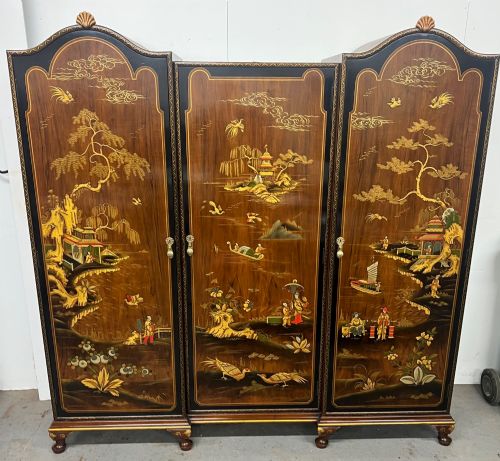
The material origins span British pine furniture, French confituriers and buffets, Italian side cabinets, and Asian lacquered wedding pieces. These works reflect both everyday domestic utility and traditional decorative arts from various periods.
The chronological spread covers Georgian and Regency examples, Victorian kitchen furniture, and early twentieth-century interpretations. Pine, hardwood, and steel provide the structural foundations for these varied storage forms.
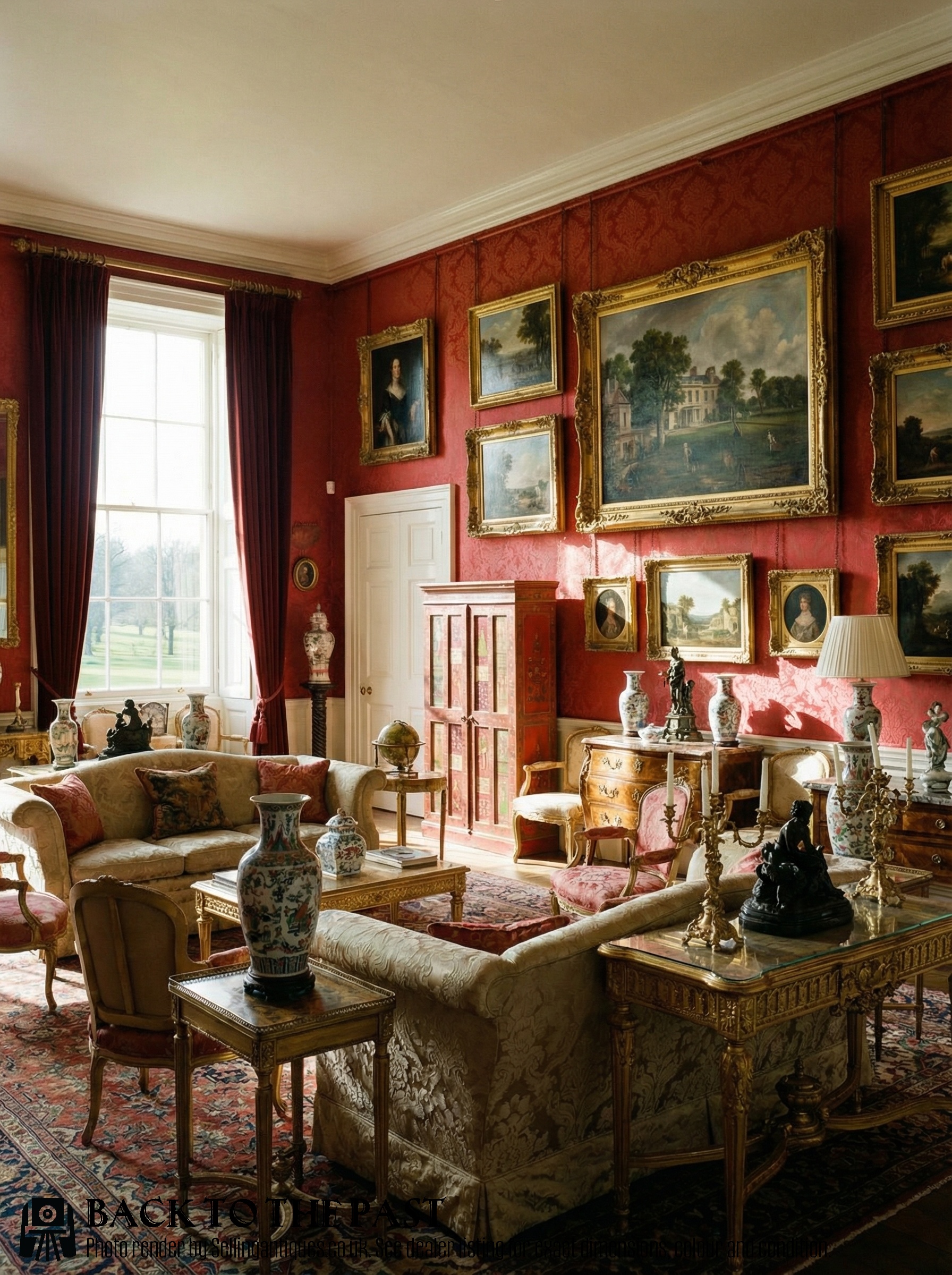
Materials and Construction
Makers constructed these storage forms primarily using solid pine, teak, and mixed hardwoods, often incorporating brass or iron hardware for hinges and locks. Structural joints relied on traditional carpentry methods suitable for heavy domestic use.
Surfaces received applied coats of oil paint, scumble glaze, or specialised lacquer work, sometimes protecting underlying wood or providing a decorative finish. Glazed sections utilised fitted glass panels to enclose shelving for display purposes.
Cabinetmakers built many larger wardrobes and dressers as knockdown pieces to facilitate transport within homes, utilising pegged joints or simple fastenings.
Painted Storage Cabinet Retail Price Guide 2026
Typical asking prices for painted storage cabinet among the pieces listed under this phrase on Sellingantiques today, from the lower quarter to the upper quarter. They describe what is for sale here now, not the wider market.
Some nineteenth-century transport trunks doubled as military campaign chests so officers could store their belongings while on the move.
Evaluating the Pieces
Quality rests in the survival of original surface finishes, whether early paint layers, scumble glazes, or decorative lacquer work. Pieces retaining their unstripped patination demonstrate greater integrity than those subjected to modern repainting.
Construction standards appear in the thickness of the timber, the stability of internal shelving, and the operation of doors and drawers. Heavier pieces require sound joinery to support large internal volumes without structural distortion.
Maples & Co.
The Painted Storage Cabinet Glossary
- Chinoiserie
- European imitation of Chinese artistic motifs and lacquer techniques, popular in decorative cabinetwork.
- Housekeeper's cupboard
- A large tall storage piece traditionally used in large homes for linen, dry goods, and household stores.
- Scumble paint
- A translucent oil-based glaze manipulated with tools to create decorative faux wood grains or mottled patterns.
- Confiturier
- A small French cupboard originally designed for storing confits and preserves.
- Almirah
- A freestanding cupboard or wardrobe originating from the Indian subcontinent, often constructed from teak.
Painted Storage Cabinet: Frequently Asked Questions
What is a painted storage cabinet?
A painted storage cabinet is a freestanding wooden furniture piece enclosed by doors or drawers, finished with a decorative or protective paint surface rather than clear polish. These utility items were built to hold kitchen wares, linens, or clothing.
They appear in various regional styles, from plain British pine kitchen cupboards to ornate Asian lacquered wedding chests and French provincial buffets.
How were these cabinets used originally?
Original uses depended entirely on the room and the trade of the household, serving as larders for food, presses for linens, or wardrobes for garments. Tall housekeepers cupboards held domestic stores in large country houses.
Smaller pieces like jam cupboards and corner units kept provisions or tableware close at hand in domestic kitchens and dining spaces.
How do I live with one?
Living with a painted storage cabinet involves placing it away from direct heat sources to protect historic paint surfaces and wood movement. Their internal shelving accommodates modern storage needs while providing a strong visual anchor in a room.
Care should be taken with the exterior finish, cleaning only with dry or lightly dampened cloths according to the specific type of paint or lacquer.
How do I tell periods apart?
Periods are distinguished by construction techniques, hardware, and stylistic details characteristic of their time of manufacture. Georgian and Regency pieces show classical proportions and simulated wood finishes, while Victorian examples often feature heavy pine construction.
Early twentieth-century works frequently display simpler vernacular forms or distinctive lacquer applications influenced by international trade and Arts and Crafts ideals.