



Painted Rose Porcelain Pot
These painted rose porcelain pot pieces combine floral decoration with ceramic craft, offering collectors a striking example of historical tableware and decorative containers.
Painted Rose Porcelain Pot
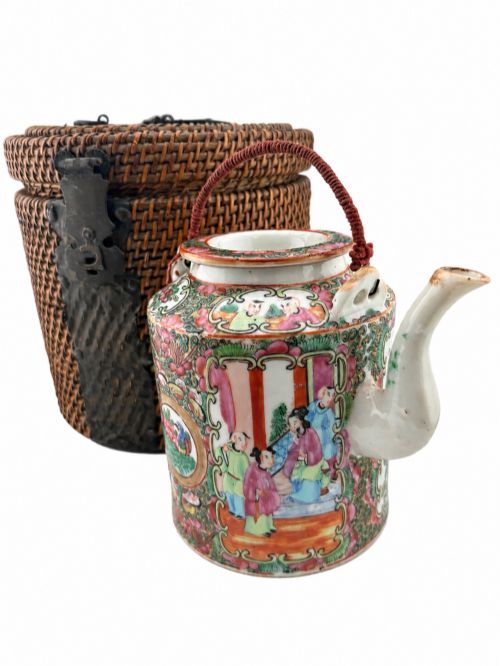
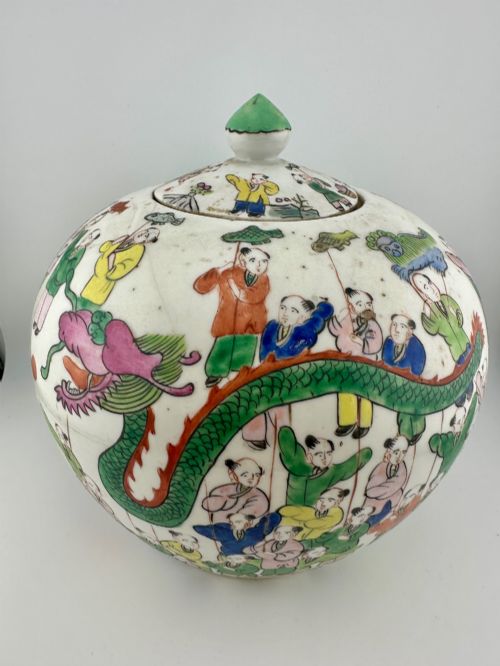
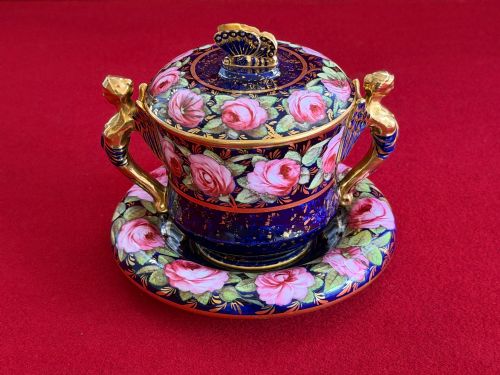
A painted rose porcelain pot brings together floral motifs and ceramic forms, serving practical and decorative roles in historical interiors. When you examine a painted rose porcelain pot on this page, you encounter items spanning multiple centuries and regions.
The selection ranges from early Georgian and Regency teapots to Chinese export pieces and later twentieth-century French dessert sets. Buyers frequently encounter forms such as jars, planters, jardinieres, and brush pots alongside traditional drinking vessels.
Origins stretch from European factories like Derby, Spode, and Royal Worcester to Chinese Qing Dynasty and Republic Period workshops. Each piece reflects the specific aesthetic choices and ceramic traditions of its maker and period.
What Varies in Quality
Quality in these items rests upon the precision of the ceramic throwing, the stability of the glaze, and the finesse of the brushwork. Superior examples display crisp detail in the painted roses and botanical elements, showing confident control of enamel colours.
The application of gilding and gold leaf also differentiates standard utility wares from exhibition pieces. Maker marks, seal marks, and period context further influence how a piece is judged within its category.
Painted Rose Porcelain Pot Retail Price Guide 2026
Typical asking prices for painted rose porcelain pot among the pieces listed under this phrase on Sellingantiques today, from the lower quarter to the upper quarter. They describe what is for sale here now, not the wider market.
Listings feature materials including porcelain, enamel, gold leaf, ceramic, gilding, wicker, metal, and fabric across multiple centuries.
Derby Porcelain·Spode·Royal Worcester
The Painted Rose Porcelain Pot Glossary
- Famille Rose
- A palette of opaque enamels introduced in Chinese ceramics during the Qing dynasty, dominated by pink or rose colours. It allowed artists to render soft tonal gradations in floral and figural subjects.
- Jardiniere
- A large decorative pot or stand designed to hold growing plants or flowers. These ceramic vessels often feature substantial painted decoration suited for display in reception rooms.
- Brush Pot
- A cylindrical vessel, known as a bitong in Chinese traditions, used by scholars to hold writing brushes. They appear in porcelain with painted narrative or botanical scenes.
- Pot Pourri
- A jar or vase pierced with openings to release the fragrance of dried petals and spices held inside. These decorative containers often feature elaborate floral painting on the ceramic body.
- Gilding
- The application of gold leaf or powdered gold to the surface of porcelain. It emphasises decorative borders and adds brilliance to the finished object.
Painted Rose Porcelain Pot: Frequently Asked Questions
What is a painted rose porcelain pot used for?
These ceramic vessels served various domestic and decorative functions depending on their specific form. Teapots and chocolate cups held beverages, while jardinieres, planters, and brush pots accommodated plants or scholarly tools.
Larger jar forms often contained pot pourri to fragrance interior spaces. Their painted rose decoration ensured they remained visible as decorative objects when not in active service.
How do I date a porcelain pot?
Dating relies on examining factory marks, seal marks, stylistic traits, and the composition of the ceramic body. Pieces often carry reign marks or pattern numbers that connect them to specific production periods.
Stylistic shifts between Georgian, Regency, and later Victorian or twentieth-century designs also help establish when a piece was made.
What does Famille Rose mean?
Famille Rose refers to a distinct ceramic palette introduced in China during the eighteenth century. The style relies on opaque pink enamels derived from gold, which permitted subtle shading.
This technique spread to European manufacturers who adopted the floral aesthetic for domestic porcelain.
How do I care for antique porcelain?
Care requires gentle handling and protection from sudden temperature changes or impact. Cleaning should be done by hand using mild warm water, avoiding harsh abrasives that might damage the enamel or gilding.
Display surfaces should remain stable to prevent accidental knocks to fragile handles and rims.