

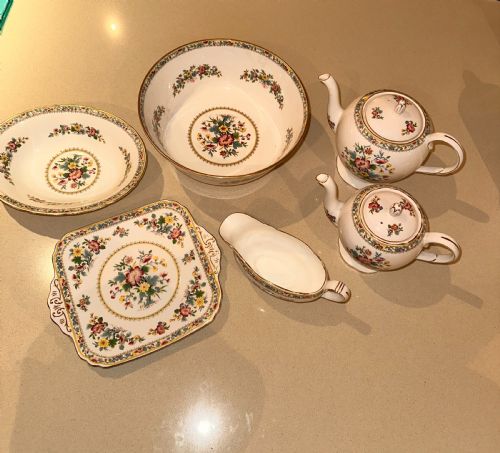


Painted Porcelain Tea Service
A painted porcelain tea service brings domestic history to the table, combining delicate ceramic forms with hand-applied enamel and gilding.
Painted Porcelain Tea Service
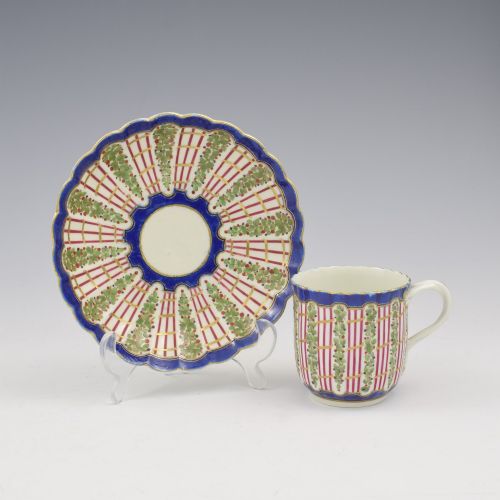
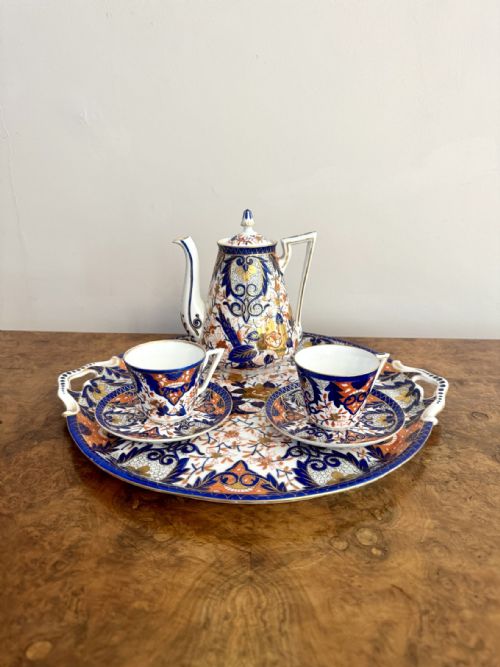
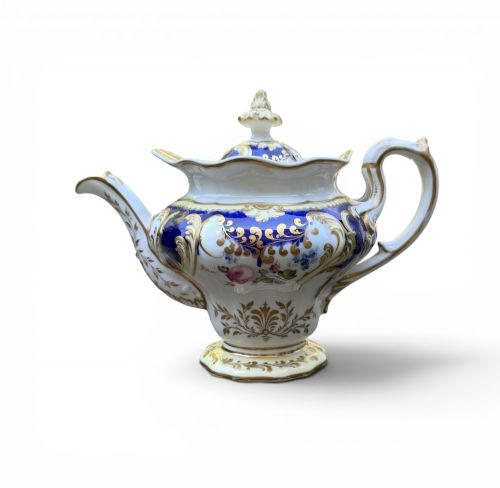
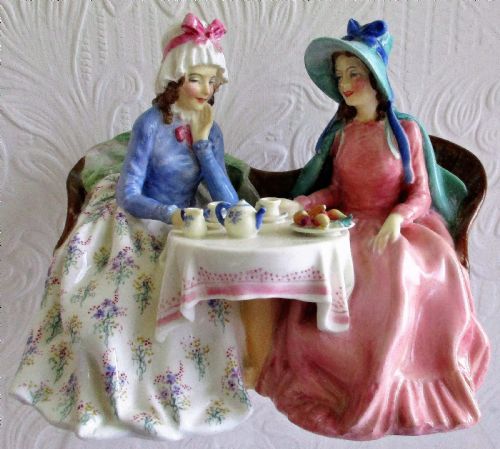
A painted porcelain tea service comprises matching or matched vessels designed for the formal preparation and consumption of tea or coffee. When you search for a painted porcelain tea service, you encounter diverse domestic groupings ranging from full breakfast sets and tête-à-tête coffee arrangements to individual teapots, sucriers, and cups with saucers.
The selections available span multiple periods, most notably the eighteenth and nineteenth centuries, alongside regional variations from English, French, Russian, and Asian kilns. You find domestic wares carrying named patterns, floral enamels, and gilt borders produced by prominent factories and independent decorators.
Materials and production methods
These pieces rely upon hard-paste or soft-paste porcelain and bone china bodies, shaped into teapots, sugar bowls, and cups before undergoing initial high-temperature firing. Artisans then apply polychrome enamels by hand, using mineral pigments that fuse to the glaze during a subsequent lower-temperature kiln firing.
Details such as gold leaf and extensive gilding receive careful brushwork, often burnished to achieve a contrasting matte and bright metallic finish. Early works demonstrate hand-painted floral, botanical, or orientalist motifs directly on the glaze or underglaze blue grounds.
Some teapots arrive with charming flower head knops acting as tiny ceramic handles on their lids.
Distinctions in craftsmanship and design
Quality separates simple utility wares from superior artistic productions through the crispness of the porcelain moulding and the precision of the hand-painting. Superior services exhibit meticulous brush control in the enamel work, sophisticated patterning, and evenly applied gold leaf without rubbing or pooling.
The reputation of the maker and the consistency of the matching components further dictate the standing of a service. Complete sets maintaining uniform pattern numbers across teapots, sucriers, and cups command greater recognition than assembled or partial groups.
Dr Wall Worcester·Royal Doulton·Spode·Royal Crown Derby·Coalport·Royal Worcester·Hicks, Meigh and Johnson·Ridgway·Minton·Thomas Wolfe·Russian Imperial Porcelain Manufactory
The Painted Porcelain Tea Service Glossary
- Sucrier
- A sugar bowl or sugar box supplied with a matching cover as part of a tea or coffee service. This vessel typically mirrors the decorative pattern of the teapot.
- Soft-paste porcelain
- An early ceramic composition of clay, glass frit, and white sand fired at lower temperatures than hard-paste porcelain. It produces a warm, slightly translucent body prized by eighteenth-century collectors.
- Imari
- A decorative style originating in Japan and widely copied by European makers, characterised by underglaze blue combined with iron red and heavy gilding. The palette creates a dense, rich visual texture across plates and tea wares.
- Gilding
- The application of gold leaf or powdered gold to ceramic surfaces for decorative borders and highlights. This metallic finish is fired onto the glaze and often burnished to shine.
Painted Porcelain Tea Service: Frequently Asked Questions
What pieces belong in a tea service?
A standard service typically includes a teapot, a sucrier or sugar bowl, and corresponding cups with saucers. Additional pieces such as cream jugs or matching plates may also accompany the primary vessels.
Historical sets often varied in composition depending on whether they were intended for morning breakfast use or formal afternoon gatherings.
How do I care for antique porcelain?
Antique porcelain requires gentle hand washing in lukewarm water using mild detergent. Avoid mechanical dishwashers and abrasive sponges, which can permanently damage delicate enamels and gilding.
Store pieces securely on stable surfaces, separating stacked cups and saucers with soft protective dividers to prevent rim chipping.
How do I identify eighteenth-century porcelain?
Early pieces often feature soft-paste porcelain bodies that appear slightly creamy or translucent under transmitted light. Hand-painted underglaze blue or early enamel palettes combined with period specific throwing marks provide primary clues.
Factory marks, when present, help confirm attribution, though many early wares relied solely on pattern numbers or distinctive potting characteristics.
Can I use these sets daily?
While these ceramics were originally created for domestic use, historical tea services require careful handling due to their age and fragile overglaze decoration. Many collectors prefer to display them or reserve them for occasional careful use.
Enamels and gold leaf applied centuries ago can wear away with frequent friction and modern cleansing agents.