

Painted Porcelain Figurine
A painted porcelain figurine brings sculptural character and delicate brushwork to a mantelpiece, ranging from eighteenth-century courtly figures to twentieth-century character studies.
Painted Porcelain Figurine
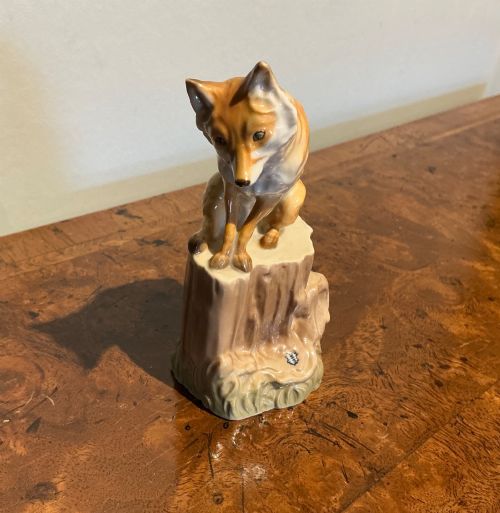
A painted porcelain figurine is a three-dimensional ceramic sculpture finished with enamel colours and glaze, depicting human subjects, animals, or literary characters. These objects serve primarily as decorative ornaments for display on surfaces like tables and mantelpieces. Buyers searching for a painted porcelain figurine will find works spanning multiple centuries, from early European factory pieces to twentieth-century English and Asian examples.
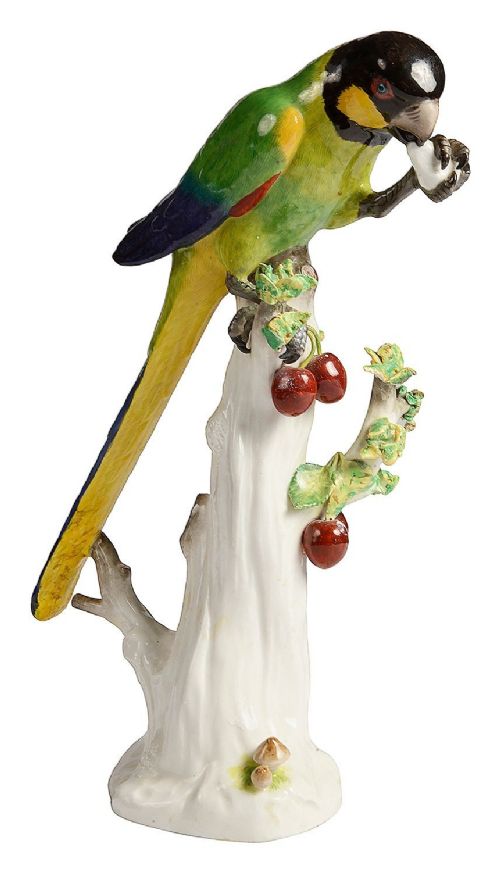
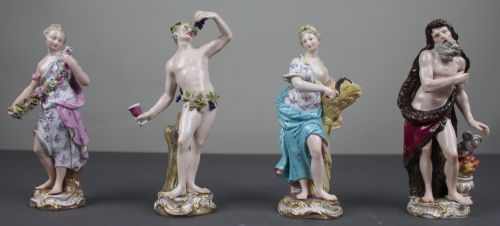
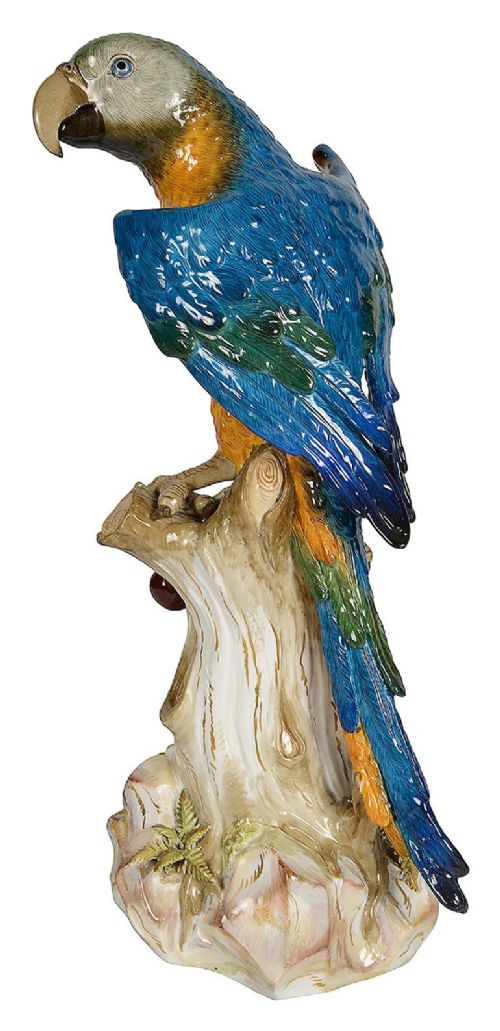
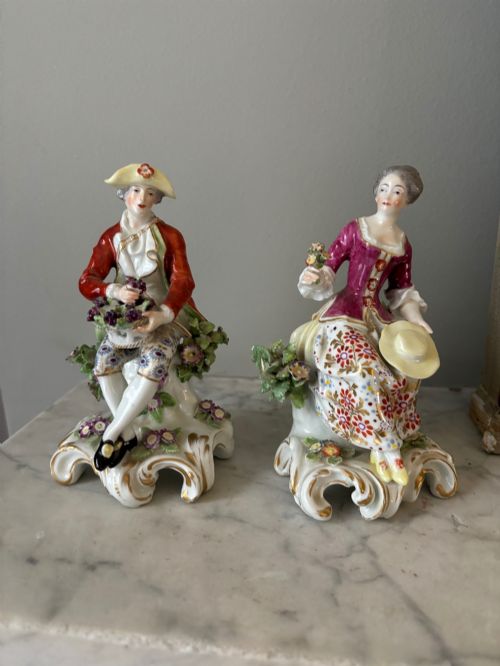
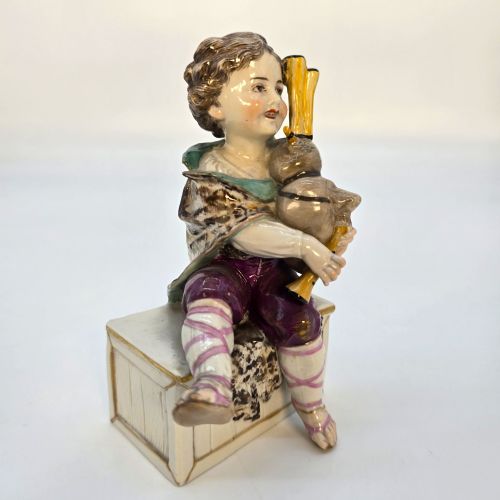
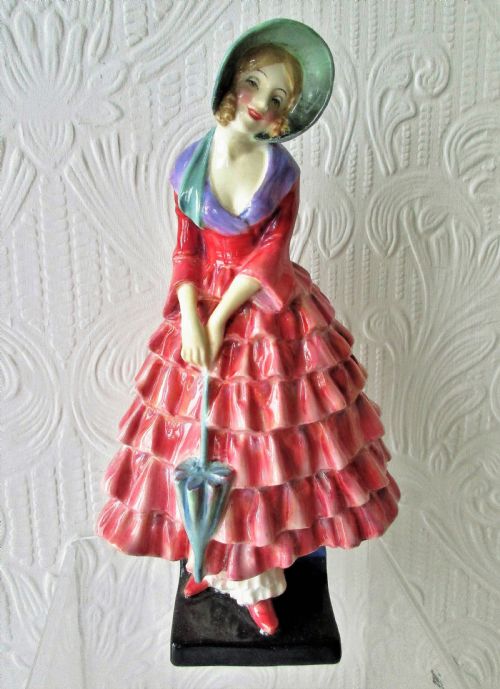
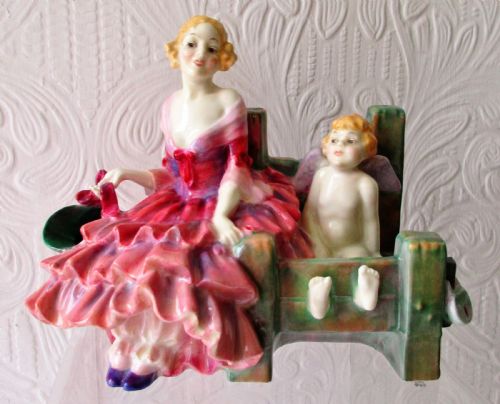
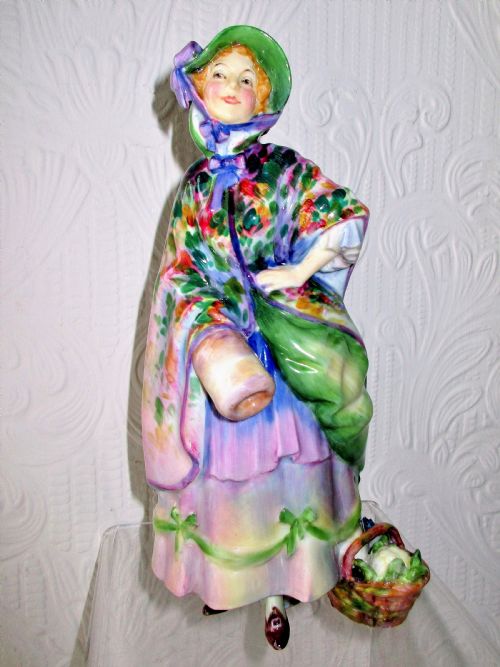
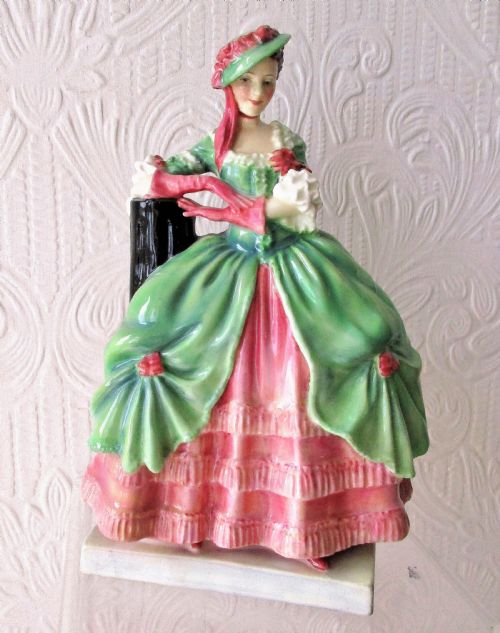
The most common versions met on this page include nineteenth-century German and English figures alongside twentieth-century Royal Doulton character studies. Examples range from small single figures to large pairs of birds, human couples, and allegorical representations like the seasons. Production centres stretch across Europe and Asia, incorporating styles from Rococo revival to Art Deco.
Materials and technique
Makers formed these pieces using hard-paste or soft-paste porcelain, bone china, and ceramic, often shaping them in moulds before firing. Artisans applied enamel paints, hand-painted details, and occasionally gold leaf or gilt highlights directly onto the surface. A protective glaze coating was then fired to seal the colours and provide a lustrous finish.
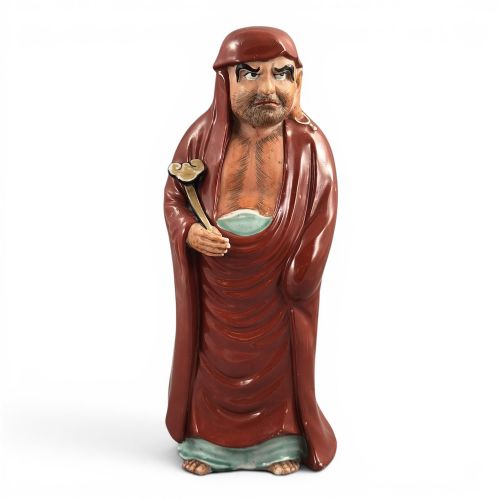
Some specialised works incorporate delicate porcelain lace, biscuit porcelain requiring no glaze, or complex sancai glazes. Factory marks stamped or painted on the underside often indicate the origin, whether an eighteenth-century anchor mark or a twentieth-century model number.
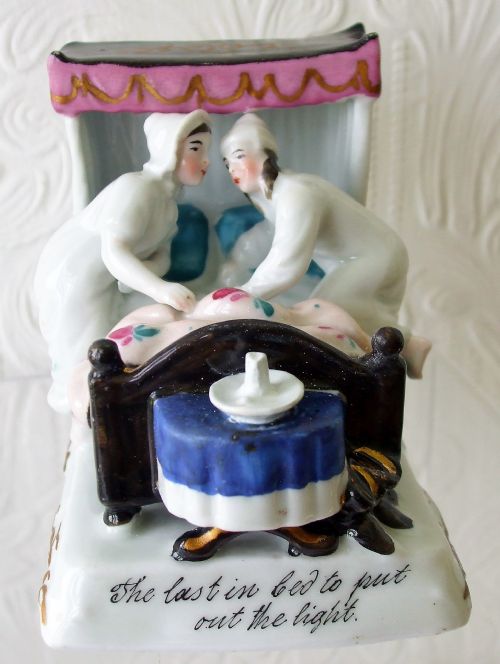
Several Victorian fairings cheekily depict domestic humour, including a bed-themed scene titled The Last in Bed to Put Out the Light.
Variations in quality
Quality in a painted porcelain figurine rests on the crispness of the mould, the precision of the hand-painting, and the naturalism of the modelling. Superior examples display fine facial expressions, detailed fingers and garments, and neatly applied enamel without bleeding across boundaries. Earlier eighteenth-century pieces often show remarkable artistic ambition in modelling, while later Victorian works rely on mass-produced mould uniformity.
The sophistication of the palette and the preservation of delicate appurtenances, such as lace or applied flowers, also distinguish finer works. Pieces produced by renowned factories or specific modellers demonstrate a higher degree of sculptural control and artistic heritage compared to generic commercial outputs.
Royal Doulton·Nymphenburg·Meissen·Volkstedt Rudolstadt Factory·John Bevington·Bourdois & Bloch·Letu & Mauger·Zhu Mao Ji·Chelsea·Derby·Longton Hall
The Painted Porcelain Figurine Glossary
- Biscuit porcelain
- Unglazed porcelain fired once to produce a matte, white surface resembling marble. This technique highlights the fine sculptural details of the modelling.
- Enamel
- Vitreous paints applied over the glazed surface of a ceramic object and fired at a lower temperature to fix the colours. It provides the vibrant palette seen on many figures.
- Hard-paste porcelain
- A dense, durable ceramic body composed of kaolin and petuntse, fired at high temperatures. It resists scratching and forms the basis of many fine European and Asian figures.
- Soft-paste porcelain
- An artificial porcelain composite fired at lower temperatures than hard-paste, common in early European factories. It possesses a warmer tone and a softer glaze.
- Gilt
- A thin layer of gold applied to the porcelain surface for decoration, often highlighting borders, garments, or accessories. It adds a reflective quality to the finished ornament.
Painted Porcelain Figurine: Frequently Asked Questions
How are painted porcelain figurines cleaned?
Dust these delicate ceramic items gently with a soft, dry brush to prevent accumulation in crevices. Avoid using water or chemical cleaners, particularly on pieces with cold-painted enamels or applied porcelain lace that might dissolve or detach.
Keep figures away from direct sunlight and areas prone to sudden temperature changes. Stable indoor environments prevent the glaze from crazing and protect fragile appendages from accidental damage.
What do factory marks mean?
Factory marks stamped, impressed, or painted on the underside indicate the place and approximate period of manufacture. These symbols help identify specific European potteries or Asian kilns.
Matching a mark to historical records provides context regarding the workshop responsible for the piece. However, many nineteenth and twentieth-century makers also utilised painted model numbers and decorator initials.
How do I distinguish eighteenth-century figures?
Eighteenth-century porcelain figures generally feature hand-modelled details, softer glaze textures, and early factory marks such as crossed swords or anchor symbols. The weight and composition often differ from later mass-produced Victorian or twentieth-century counterparts.
Stylistic cues such as Rococo curves and period costume provide further chronological indicators. Examining the underside often reveals unglazed areas called fire cracks or kiln marks typical of early production methods.
Were these figures made as pairs?
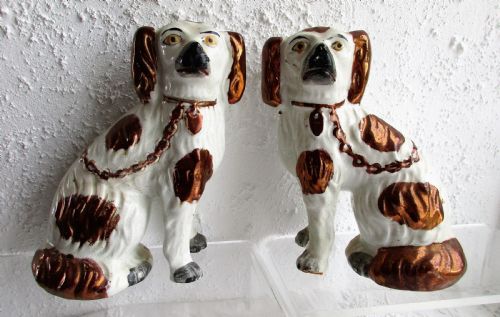
Many porcelain figures were produced as matched pairs, such as gardeners, dancers, or allegories representing the four seasons. These sets were designed to balance mantelpieces or console tables symmetrically.
Single figures also appeared frequently, often depicting literary characters, tradespeople, or animals. Surviving pairs command distinct interest due to the challenge of keeping both items together over centuries.