





Vintage Royal Worcester Figure
These vintage royal worcester figure pieces bring British ceramic artistry into the home, prized for their delicate modelling and fine painted detail.
Vintage Royal Worcester Figure
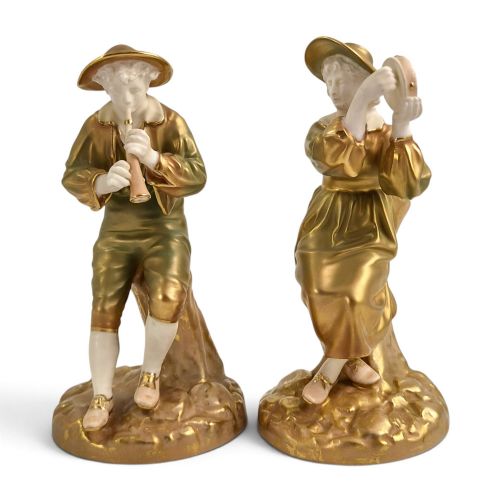
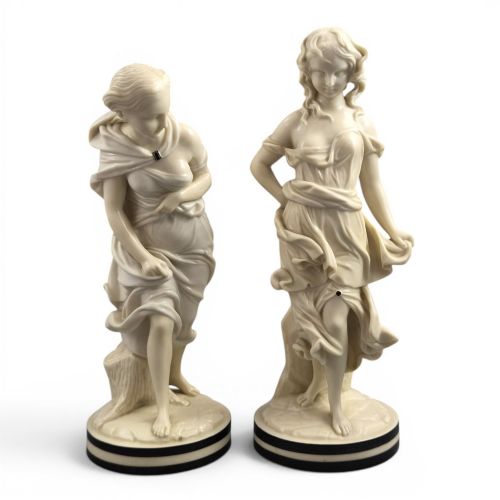
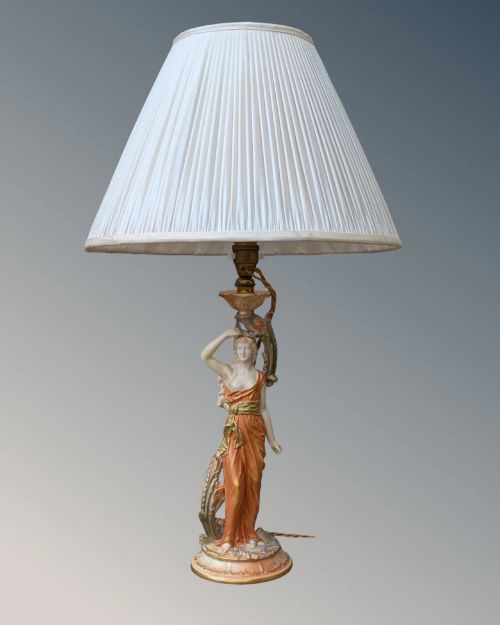
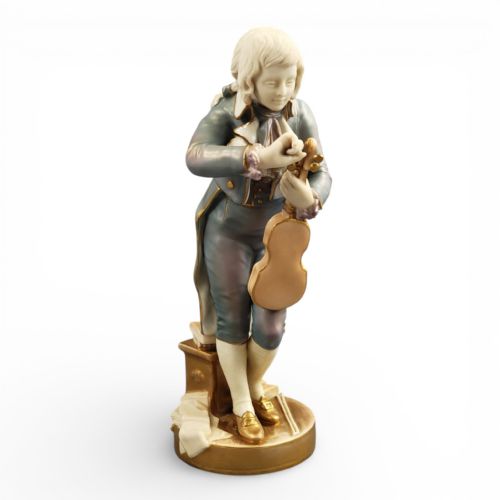
A vintage royal worcester figure represents the pinnacle of English porcelain production, taking the form of figurines, table lamps, and candle snuffers. When exploring this selection, buyers encounter works spanning from the Victorian era through the mid-century, including classical subjects, literary characters, and orientalist studies.
The most common pieces on this page include modelled figures from the Edwardian and interwar periods, alongside nineteenth-century works and specialised table lamps. These pieces reflect diverse stylistic revivals, ranging from neoclassical subjects to Art Deco interpretations of the human form.
Materials and manufacture
Many works incorporate specialised additions such as brass fittings for table lamps or fabric elements, demonstrating the versatility of the manufactory. The execution relies on precise firing methods to achieve the characteristic smooth glaze and matte bisque finishes.
Vintage Royal Worcester Figure Retail Price Guide 2026
Typical asking prices for vintage royal worcester figure among the pieces listed under this phrase on Sellingantiques today, from the lower quarter to the upper quarter. They describe what is for sale here now, not the wider market.
Foxes and satyrs occasionally mingle with classical maidens on the shelf, proving that Victorian porcelain had a lively sense of humour.
Assessing quality and execution
The distinction between standard and superior pieces rests upon the crispness of the modelling and the finesse of the hand-painting. Early Victorian and nineteenth-century works often display intricate relief work and detailed facial expressions that require advanced sculptural skill.
Preservation of the delicate enamel, gilt highlights, and applied gold leaf dictates the standing of individual examples. Pieces bearing named modellers or specific pattern numbers generally show a higher degree of sculptural refinement.
James Hadley·Freda Doughty
The Vintage Royal Worcester Figure Glossary
- Parian ware
- A fine-grained, unglazed porcelain resembling marble, frequently used for nineteenth-century figurative sculpture. It allows for the capture of subtle anatomical details without the interference of a glossy glaze.
- Gilt
- A thin layer of gold applied to the surface of the porcelain to accent decorative elements. This technique adds warmth and contrast to painted robes and bases.
- Candle snuffer
- A small functional figurine designed to extinguish candle flames safely. These often take the form of animals or costumed figures.
- Model number
- A specific numeric identifier assigned by the factory to record a particular sculptural design. Collectors use these numbers to verify the provenance and dating of individual figures.
Vintage Royal Worcester Figure: Frequently Asked Questions
How do I date my piece?
Dating relies on factory marks stamped or painted on the underside, which evolved through the Victorian and twentieth-century periods. Stylistic cues and registered shape numbers also help narrow down the production decade.
Comparing the base markings against known factory ciphers provides a reliable method for establishing the exact year of manufacture.
Were these pieces painted by hand?
The finest examples feature hand-painted polychrome enamels and applied gilt work executed by skilled studio artists. Each decorator brought subtle variations in brushwork and tone to the finished porcelain.
Closer examination under magnification often reveals the individual brush strokes characteristic of hand-finished ceramics.
How should I display a porcelain lamp?
Table lamps require stable placement away from heavy foot traffic to protect the delicate porcelain body and any associated brass components. Adequate clearance ensures the shade does not rest directly against fragile painted surfaces.
Wiring should be checked by a qualified professional to ensure safety while preserving the original ceramic base.
What subjects are most common?
The repertoire spans classical mythological figures, literary characters, and orientalist studies reflecting nineteenth-century tastes. Later twentieth-century works frequently depict children's book characters and naturalistic studies.
Victorian pieces lean heavily toward classical revivalism, whereas Edwardian and interwar items introduce more varied genre scenes.