


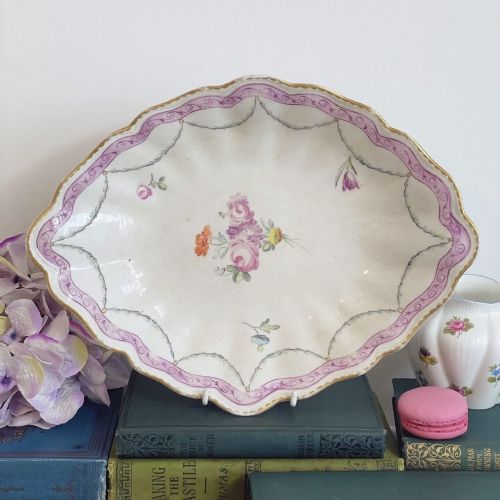

Painted Porcelain Dish
A painted porcelain dish brings centuries of ceramic artistry to the table, combining delicate forms with intricate hand-painted detail.
Painted Porcelain Dish
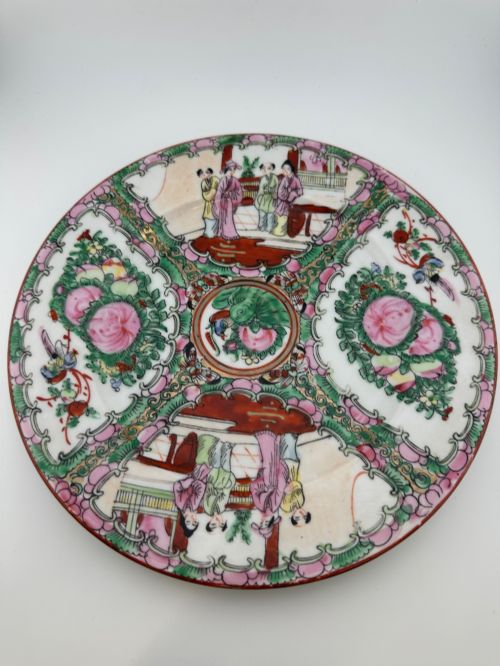
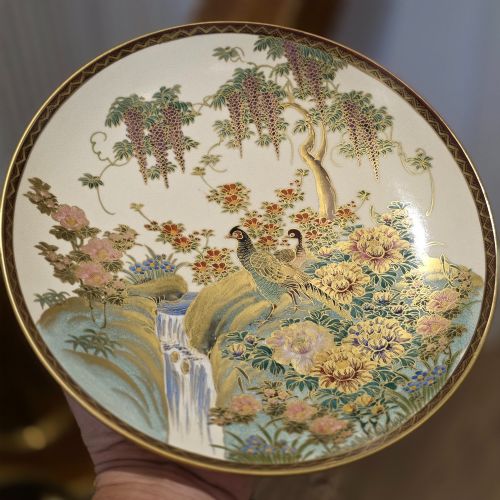
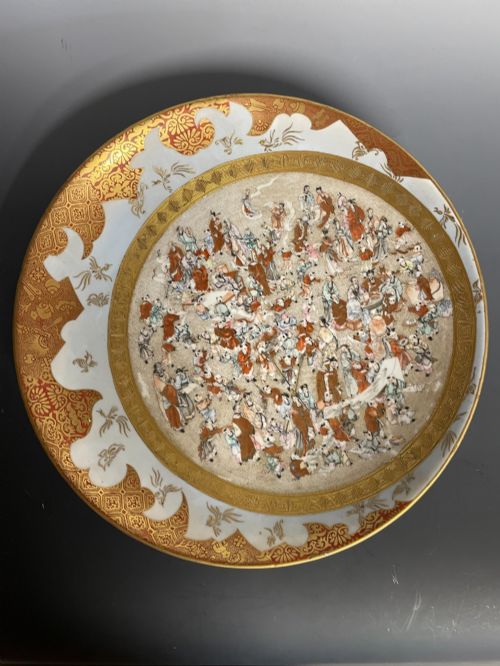
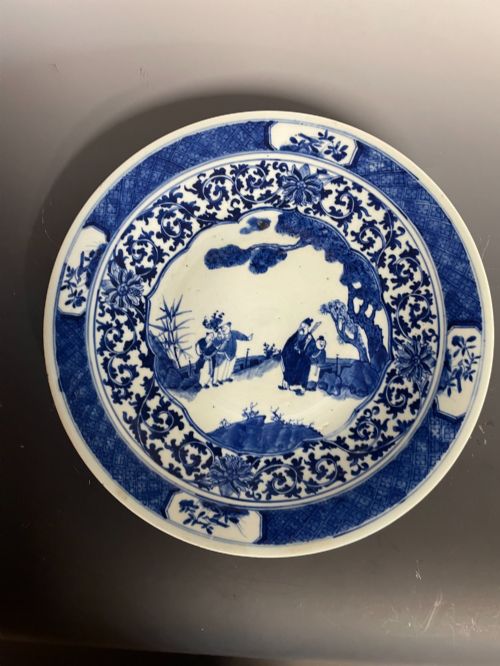
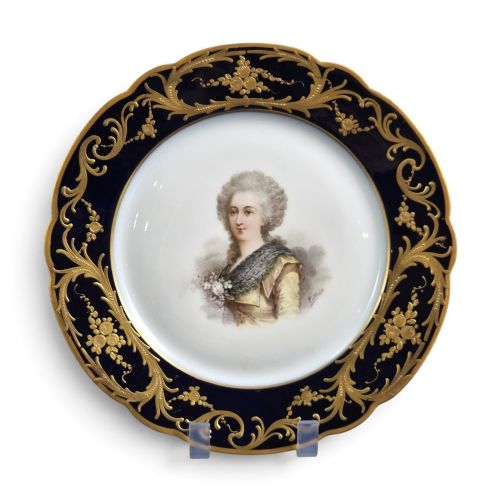
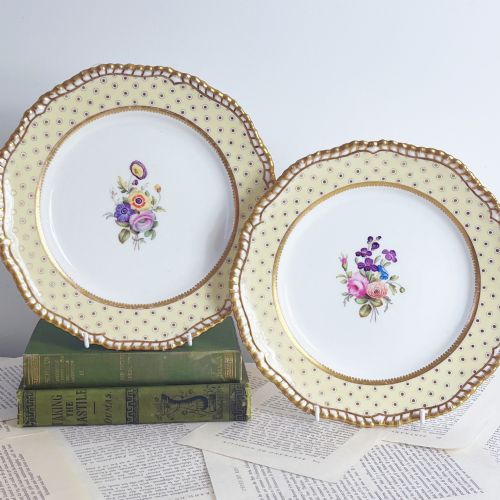
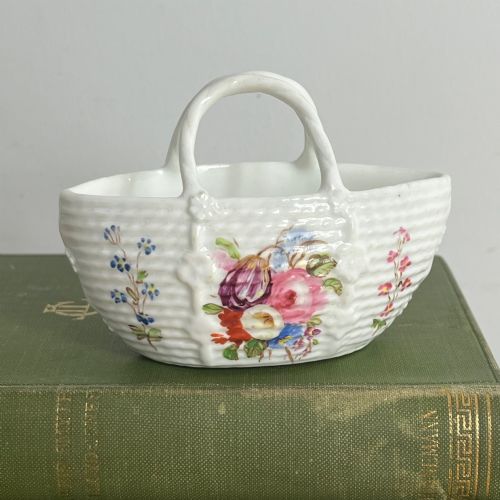
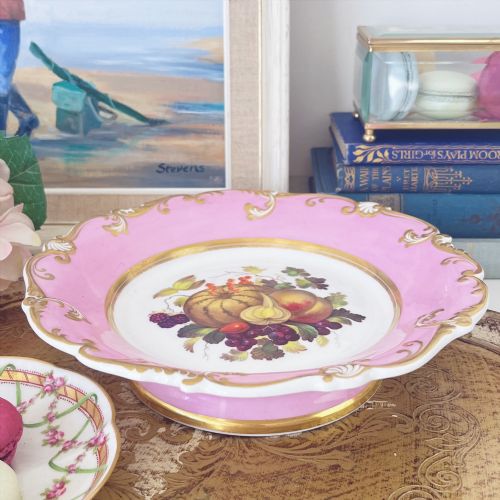
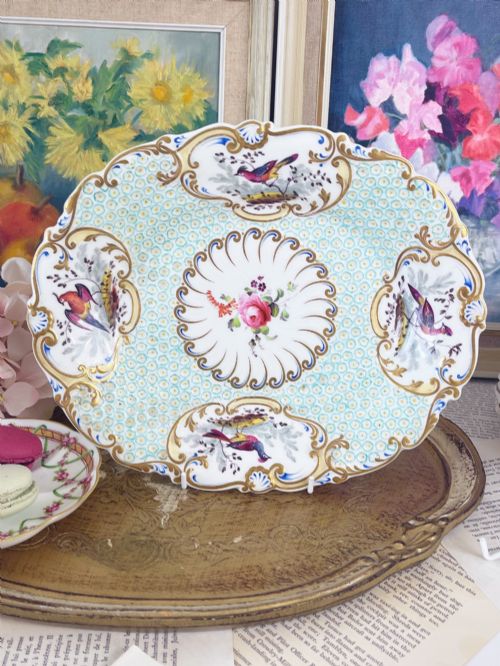
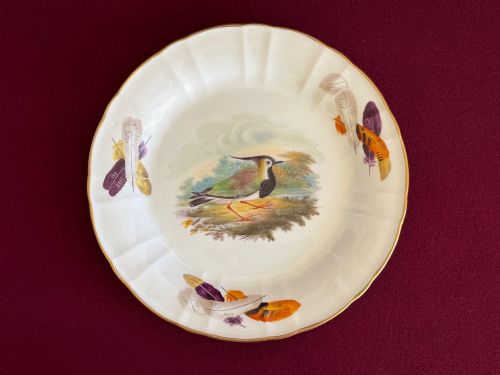
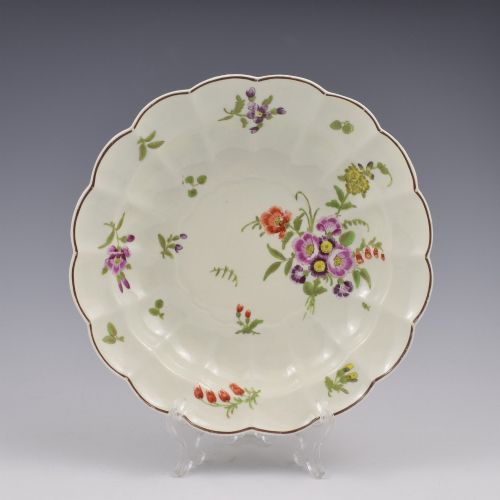
A painted porcelain dish encompasses a wide variety of domestic and decorative ceramics, including cabinet plates, serving dishes, comports, and bowls. When searching for a painted porcelain dish, buyers frequently encounter 18th-century English and continental porcelain alongside nineteenth-century works and Japanese Imari or Kutani pieces.
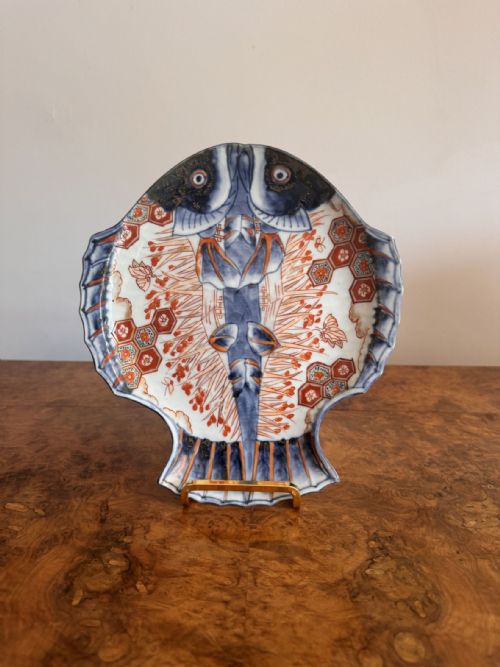
The forms range from scalloped dessert plates and fish-shaped dishes to large chargers and deep bowls. Examples span Georgian, Victorian, and Edwardian periods, reflecting both European manufactories and Asian export traditions.
How They Were Made
Pieces were shaped from porcelain, soft-paste porcelain, bone china, or pearlware, often utilising moulded or thrown forms with glazed surfaces. Artisans then applied enamel paints by hand, depicting botanical studies, birds, figures, and landscapes.
Gold leaf and gilding frequently accent the rims and borders, sometimes complemented by cobalt blue grounds or raised enamel details that required multiple firings in a kiln to fix the colours.
Among the ceramic fauna are fancy birds, ornithological studies, and even a plate shaped entirely as a fish.
What Varies in Quality
Quality rests in the precision of the hand-painting, where the skill of the artist dictates the life and depth of the floral or figural scene. Superior pieces display crisp brushwork, balanced polychrome palettes, and cleanly executed gilding.
The finesse of the porcelain body itself, from the translucency of early Worcester or Sèvres to the weight of an Imari charger, distinguishes standard production from exceptional works.
Spode·Flight Barr And Barr·H And R Daniel·Wedgwood·Meissen·Chelsea·Sèvres·KPM Berlin·Royal Worcester·Royal Crown Derby·Chamberlains Worcester
The Painted Porcelain Dish Glossary
- Soft-paste porcelain
- An artificial porcelain composition fired at lower temperatures than hard-paste, common in early English factories. It produces a warm, slightly creamy body with a distinctive glaze texture.
- Imari
- A Japanese style of porcelain decoration characterised by underglaze blue and iron red, frequently enriched with gilt. These wares were heavily exported to Europe.
- Comport
- A raised serving dish or tazza used for fruit or sweetmeats at formal dining tables. They stand on a central foot or pedestal base.
- Enamel
- Opaque glass-like pigments applied over the glazed porcelain surface and fixed by low-temperature firing. This technique allows for a broad spectrum of bright colours.
- Bone china
- A type of porcelain containing bone ash, developed in England to increase strength and whiteness. It allows for thinner, more delicate vessel walls.
Painted Porcelain Dish: Frequently Asked Questions
How do I identify an eighteenth-century dish?
Eighteenth-century pieces typically exhibit soft-paste porcelain bodies, hand-painted polychrome enamels, and characteristic underglaze blue or anchor marks.
Examination of the unglazed foot rim often reveals the characteristic texture and firing spurs of early European manufactories.
What is the difference between a charger and a plate?
A charger is a large decorative dish, substantially broader than a standard dining or dessert plate.
They were primarily intended for display on buffets or tables rather than everyday dining use.
How should I care for antique painted porcelain?
Antique porcelain requires gentle hand washing in lukewarm water with mild soap.
Harsh detergents and dishwashers should be avoided to protect delicate hand-painted enamels and gold gilding.
Are Japanese Imari dishes from the Meiji period?
Many Japanese Imari dishes found on the market date from the Meiji period, spanning the late nineteenth and early twentieth centuries.
These pieces feature traditional cobalt blue and iron-red palettes adapted for international export.