
Painted Pine Storage
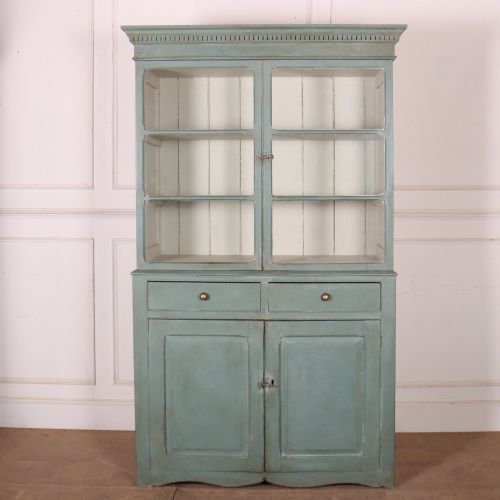
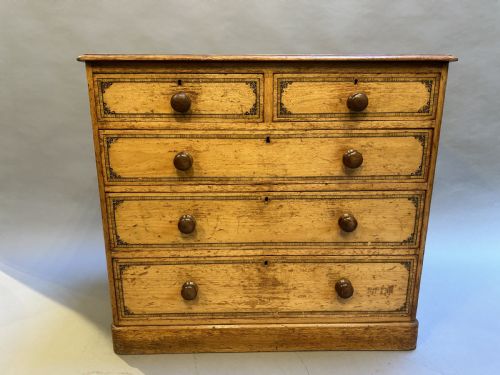
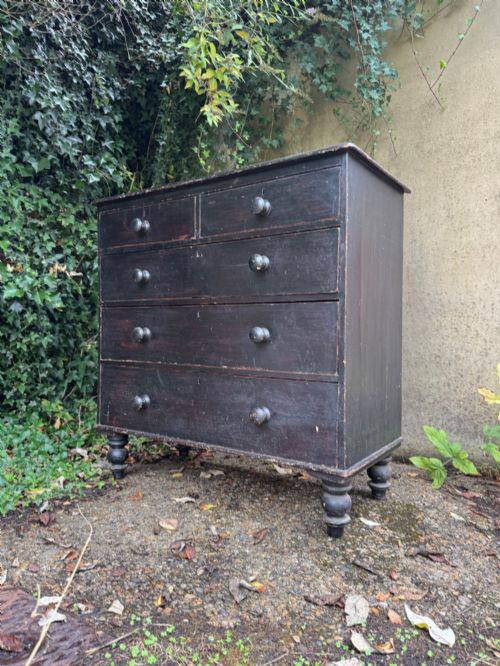
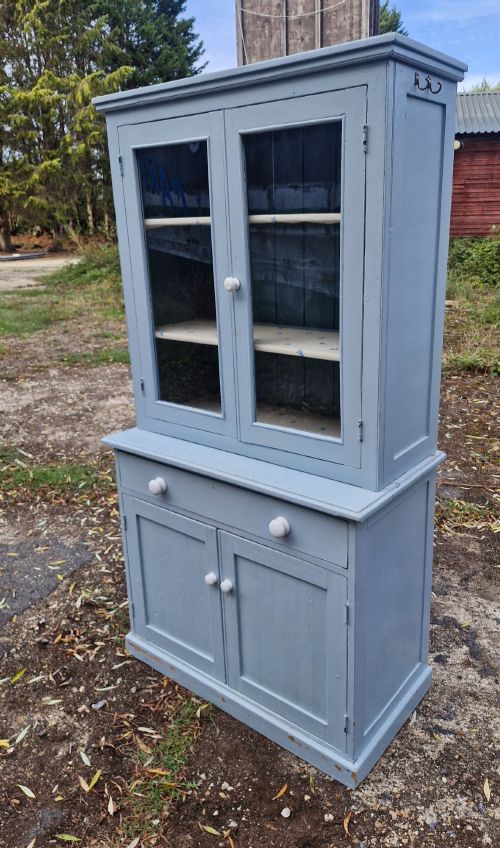
These painted pine storage pieces bring practical utility and rustic charm, ranging from tall kitchen cupboards to sturdy chests of drawers.
Painted Pine Storage
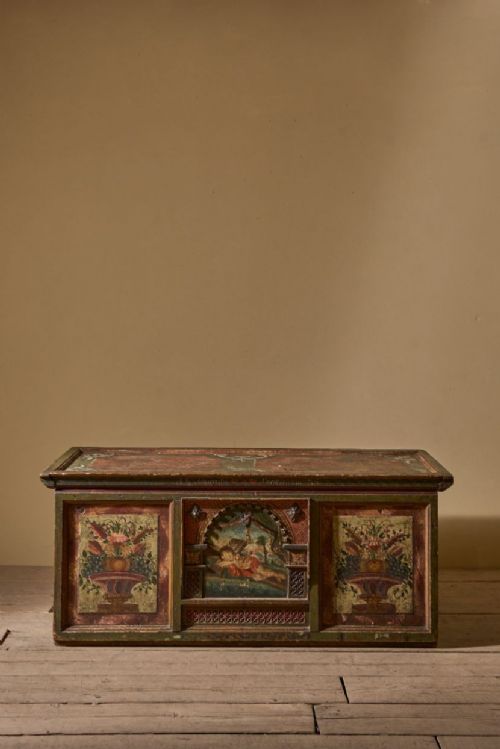
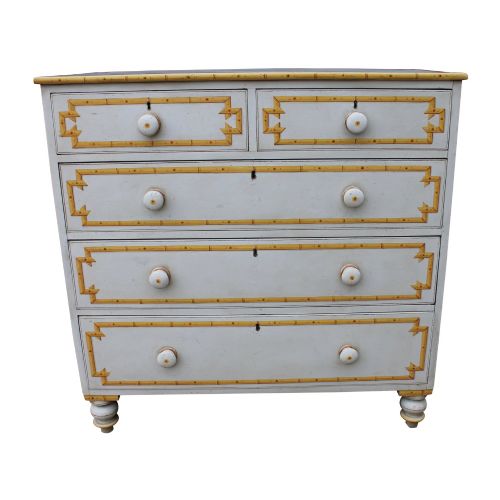
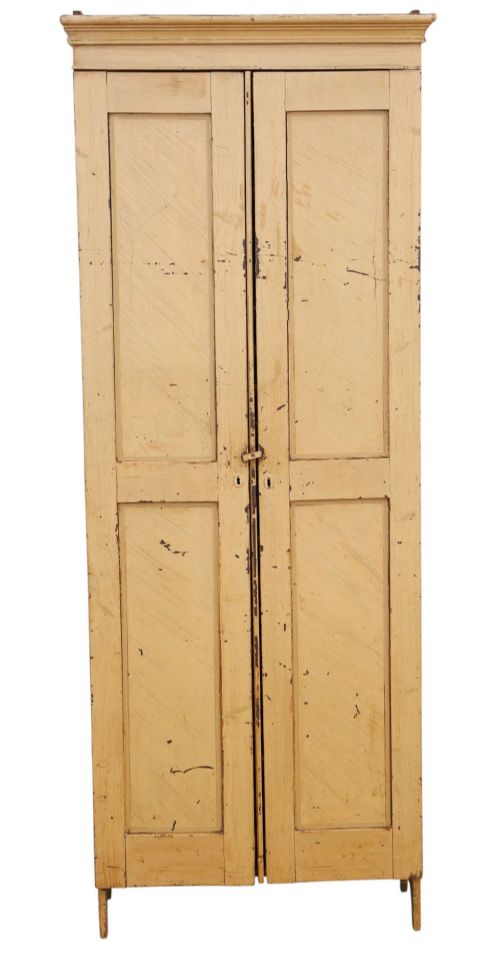
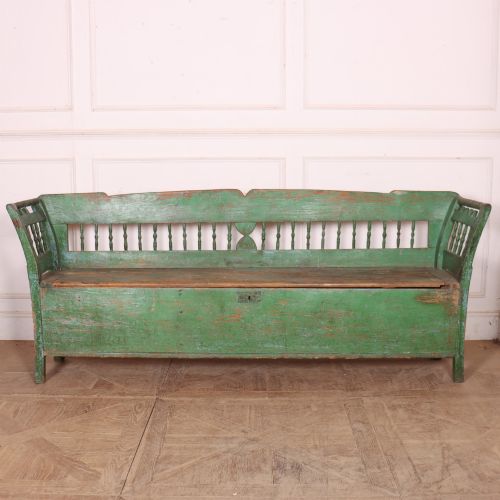
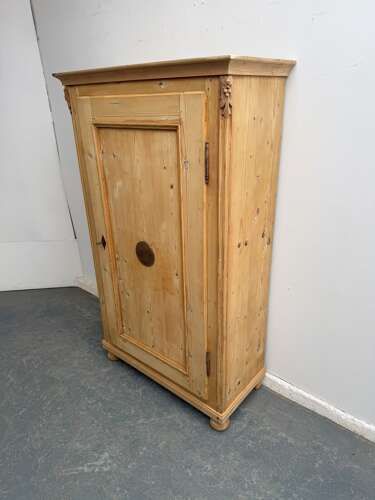
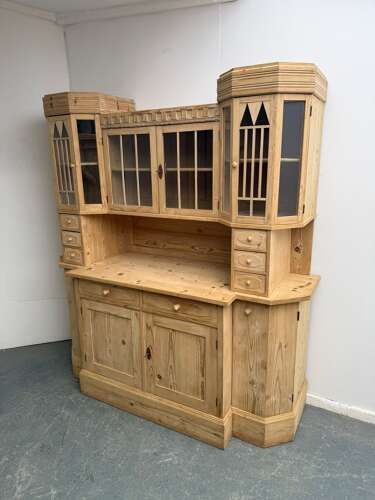
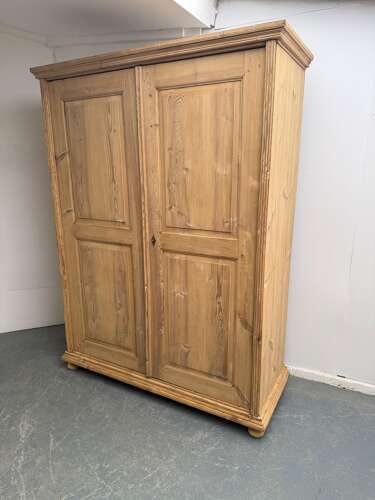
Painted pine storage encompasses domestic utility furniture built primarily in the nineteenth century, including kitchen housekeepers' cupboards, dressers, chests of drawers, and wardrobes. Buyers searching this phrase look for functional furniture that carries surface colour and regional character.
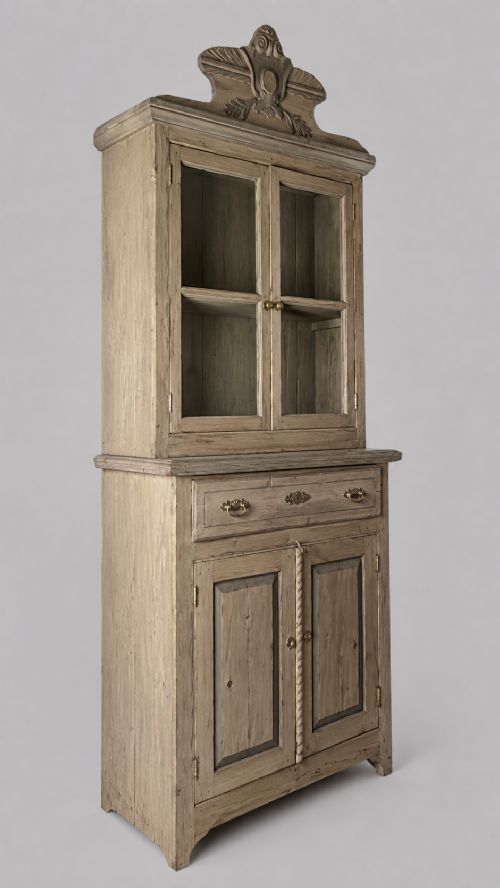
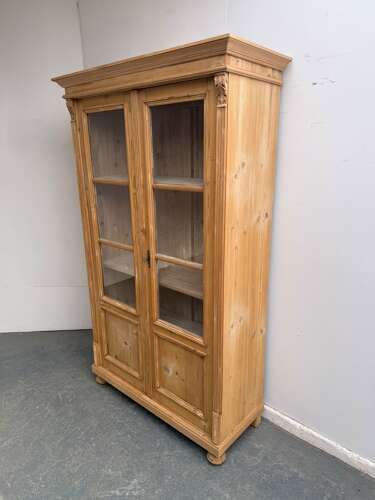
The pieces on this page span British, French, Austrian, and Dutch origins, reflecting both local vernacular workshops and formal periods like Regency and Arts & Crafts. Common forms include two-part kitchen cupboards, glazed bookcases, and lidded storage chests.
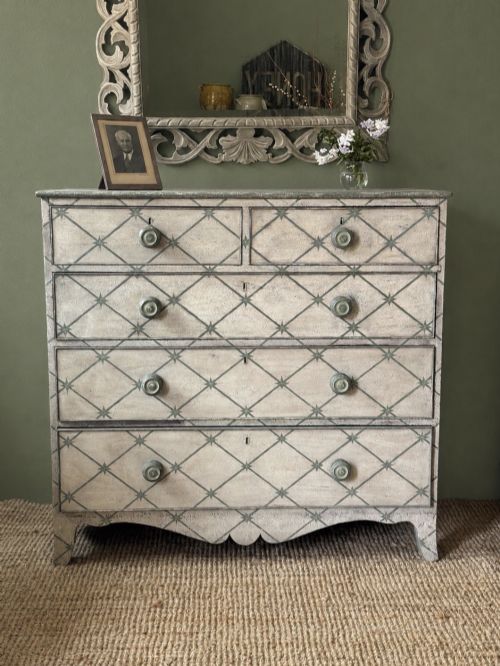
Most items date from the Victorian era and the broader nineteenth century, utilising solid pine construction embellished with historical layers of paint, scumble, or stencilling.
How painted pine storage was made
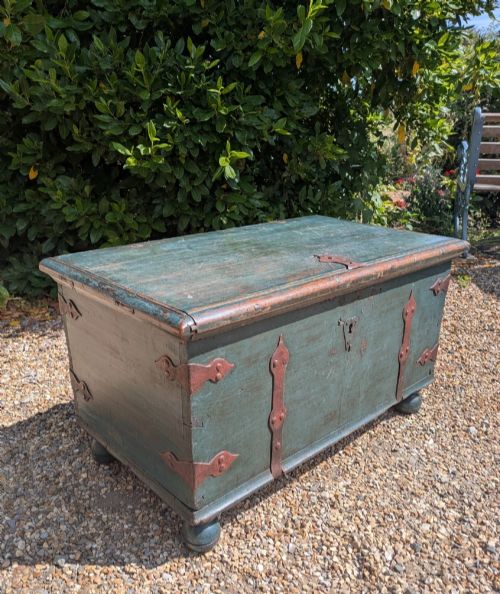
Joinery relies on solid pine planks assembled with traditional methods, often built as knockdown wardrobes and large cupboards to facilitate transport in period homes. Structural reinforcement frequently includes hand-forged iron strapwork and brass fittings.
Surfaces are finished with paint, milk paint, or layered scumble glazes designed to mimic more expensive timbers like rosewood, alongside decorative stencilling. Over decades, this paintwork develops natural wear and patination.
Listings feature pieces spanning the Georgian period, the Regency era, the Victorian nineteenth century, and into the early twentieth century.
What varies in quality in painted pine storage
Quality rests upon the originality of the surface paint and the integrity of the structural timber. Pieces retaining their initial seventeenth, eighteenth, or nineteenth-century colour scheme stand apart from those stripped or repainted later.
Proportion and scale dictate desirability, with narrow housekeepers' cupboards and balanced chests of drawers commanding attention over altered or mismatched carcases.
The Painted Pine Storage Glossary
- Scumble paint
- A translucent glaze dragged or brushed over a base coat to simulate the grain of figured hardwoods such as oak or rosewood. This decorative technique was popular in nineteenth-century domestic interiors.
- Housekeeper's cupboard
- A large, tall storage cabinet traditionally used in country houses for linen, preserves, and dry goods. These pieces usually feature upper shelving and lower drawers or smaller cupboards.
- Knockdown furniture
- Items constructed with pegged or wedged joints that allow the carcase to be dismantled for moving. This method was essential for large wardrobes and cupboards before modern transport.
- Confiturier
- A small French cupboard originally built to store pots of confit or preserves. They typically offer compact vertical storage with a single door and drawer.
- Strapwork
- Flat strips of iron or metal fastened across timber chests and doors to reinforce structural joints. Hand-forged examples add decorative texture to utilitarian storage.
Painted Pine Storage: Frequently Asked Questions
What is painted pine storage?
Painted pine storage refers to utilitarian domestic furniture built from softwood and finished with decorative or protective paint layers. These items include cupboards, chests, and dressers originating mainly in the nineteenth century.
Such pieces combine practical capacity with decorative regional finishes, making them popular for traditional and contemporary interiors alike.
How do I spot original paint?
Original paint exhibits natural craquelure, consistent wear patterns around handles, and multiple underlying layers visible through chips. Newer or mismatched repainting often feels uniform and lacks historical depth.
Examining corners and hinges helps reveal whether the current surface finish matches the age of the underlying pine carcase.
Where were these pieces made?
The evidence shows items originating from British workshops, French provincial centres, Austrian farmhouses, and Dutch households. Regional styles range from English country dressers to French Gustavian commodes.
Local timber availability and domestic traditions determined whether a piece received a simple coat of lead paint or an elaborate scumble glaze.
How do I care for painted pine?
Care involves protecting the historic surface from excessive moisture, direct sunlight, and heat sources that might cause the pine to warp or the paint to flake. Dusting with a soft, dry cloth preserves the patina.
Avoid chemical solvent cleaners, which can strip away original nineteenth-century finishes and scumble glazes.