


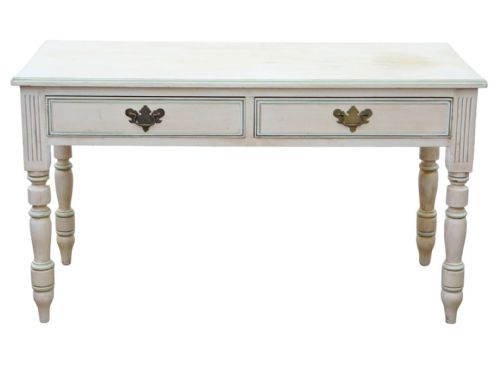
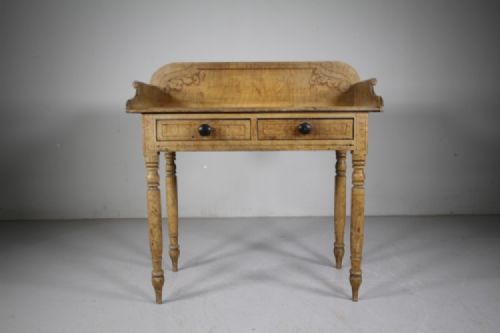


Painted Pine Hall Table
A painted pine hall table brings immediate character to an entranceway, offering a practical surface with the historic charm of aged timber and pigment.
Painted Pine Hall Table
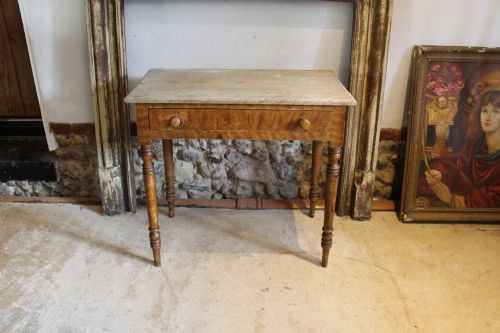
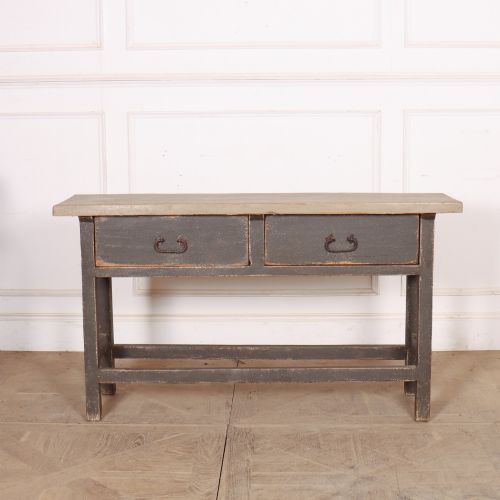
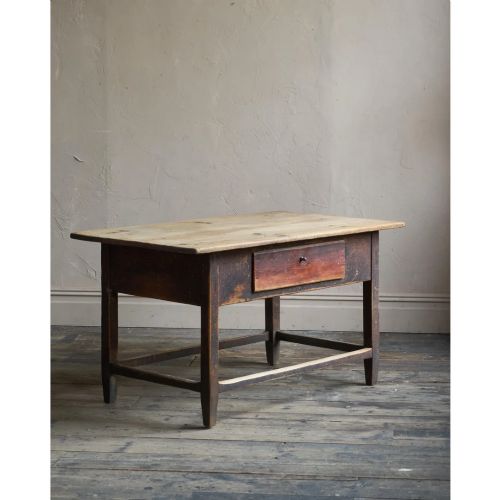
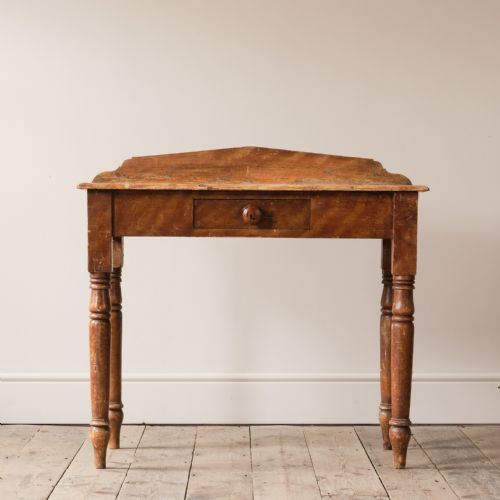
A painted pine hall table functions as a narrow surface for an entryway, combining utilitarian timber construction with decorative surface pigment. When you search for a painted pine hall table, you encounter diverse forms ranging from side tables and console tables to washstands and servers.
The pieces on this page span several centuries and styles, drawing heavily from English, Welsh, Scottish, Swedish, and Dutch country traditions. Nineteenth-century examples and Victorian pieces dominate the selection, alongside older Georgian items and later twentieth-century kitchen tables.
Makers and makers' marks are absent from these vernacular items, which were typically built by local joiners or householders for everyday domestic use. Their appeal lies in this utilitarian honesty, paired with the patination of accumulated coats of paint or scumble glaze.
How they were made
Construction relies primarily on pine and timber, assembled with straightforward joinery suited to domestic furniture rather than court cabinet-making. Metal hardware such as brass handles or fittings appears selectively on drawers and washstands.
Surface treatments define these pieces, utilising oil-based paints, scumble glazes, and grain finishes to emulate finer woods or provide durable colour. Original paint surfaces often reveal layers of wear accumulated over decades of domestic service.
One washstand arrived equipped with a painted faux marble top designed to fool guests into thinking it was solid stone.
What varies in quality
Quality in a painted pine hall table rests upon the integrity of the surface finish and the preservation of original paint layers. Untouched scumble glazes, authentic grain finishes, and honest patination distinguish superior examples from later repainted surfaces.
Proportion and structural balance also separate pieces, as narrower console tables and delicate washstands require careful joinery to remain stable. The distinction lies in whether the piece retains its original domestic context or has undergone heavy restoration.
The Painted Pine Hall Table Glossary
- Scumble glaze
- A translucent or semi-opaque oil paint manipulation technique used to create simulated wood graining or mottled textures. It is frequently seen on nineteenth-century pieces.
- Washstand
- A domestic table designed to hold a basin and pitcher for personal washing, often featuring a low splashback or marble top. Many survive as functional narrow hall tables.
- Dresser base
- A heavy lower cabinet section featuring drawers or cupboards, occasionally utilised in larger hallways as a serving table. These pieces showcase sturdy eighteenth-century and nineteenth-century construction.
- Box stretcher
- Horizontal wooden rails connecting the lower legs of a table to provide structural rigidity. They are common in Scandinavian and country furniture designs.
- Patina
- The surface sheen and colour modification developed through age, wear, and cleaning over decades. It serves as an indicator of authenticity.
Painted Pine Hall Table: Frequently Asked Questions
How do I use a hall table?
A painted pine hall table provides a narrow surface for holding post, keys, and lighting fixtures in a narrow entranceway.
Drawer models also offer enclosed storage for small household items while maintaining a slim profile against hallway walls.
Are these tables original?
Many pieces retain their original painted surfaces, scumble glazes, or grain finishes applied during the nineteenth or eighteenth centuries.
Collectors look closely at the pigment layers to distinguish authentic period decoration from later twentieth-century redecoration.
What styles are available?
The selection encompasses English, Welsh, Scottish, Scandinavian, and Dutch country traditions reflecting regional vernacular furniture making.
Styles range from rustic farmhouse and trestle designs to late Georgian and Victorian console tables.
How do I care for antique paint?
Protect the fragile surface layers by keeping the table away from direct sunlight and excessive moisture fluctuation.
Dust gently with a dry cloth and avoid modern chemical polishes that can lift historic paint or scumble glazes.