

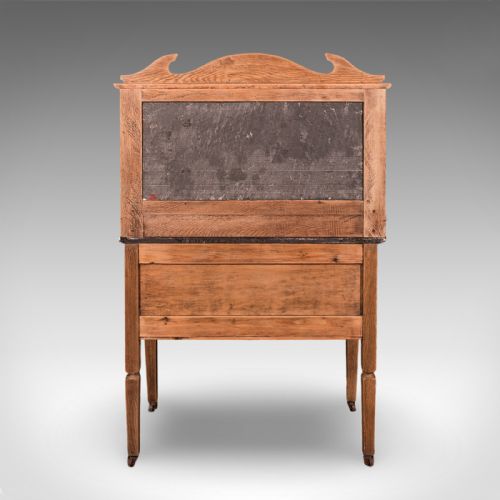


Vintage Pine Washstand
A vintage pine washstand brings honest utility to a bedroom, offering solid timber construction and period character.
Vintage Pine Washstand
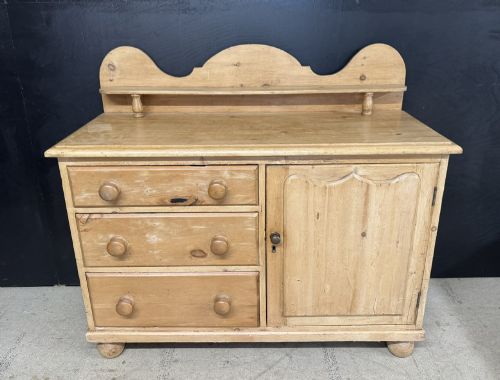
A vintage pine washstand is a practical piece of domestic furniture designed for the bedroom before plumbed facilities became universal. These items appear across the nineteenth century, including Victorian, Edwardian, and Regency periods.
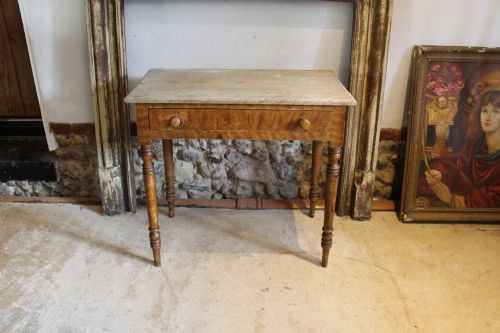
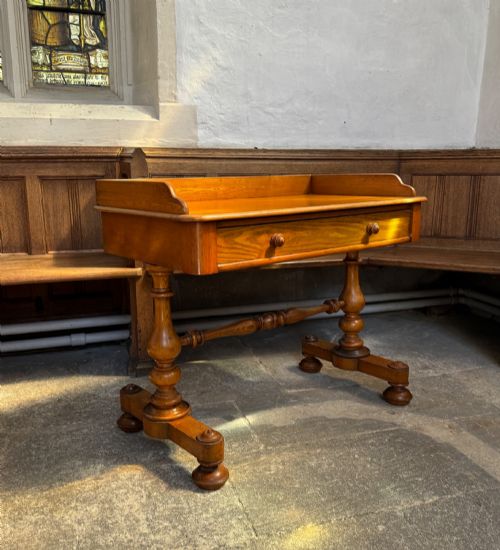
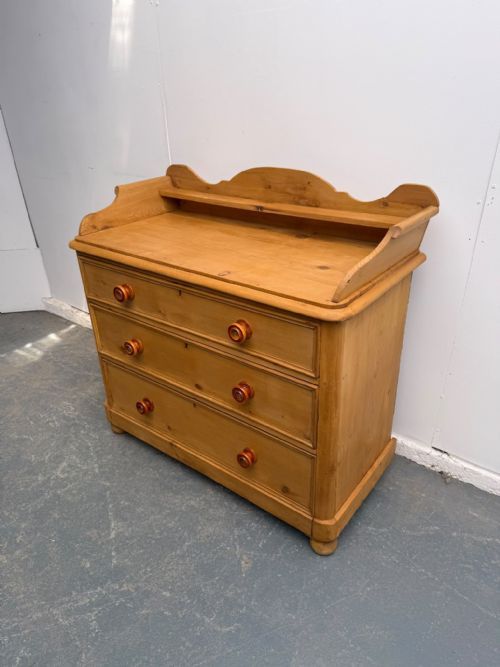
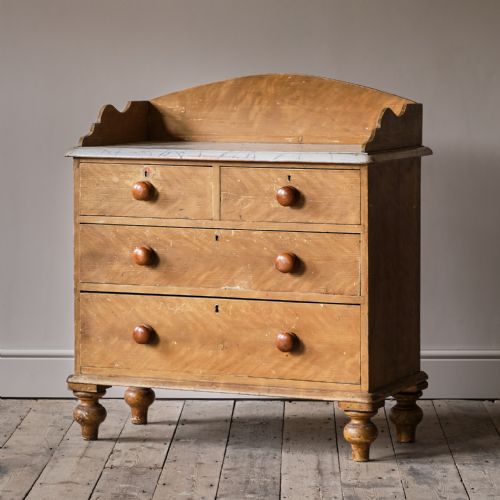
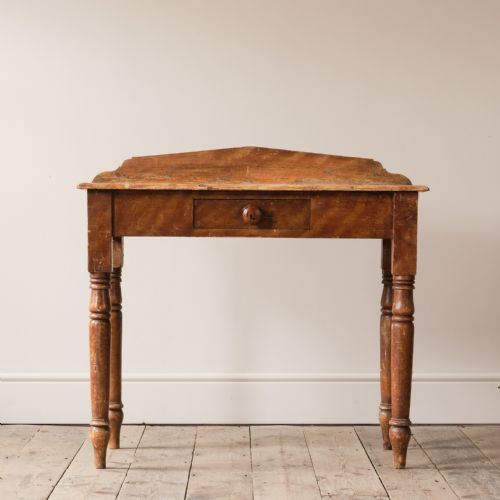
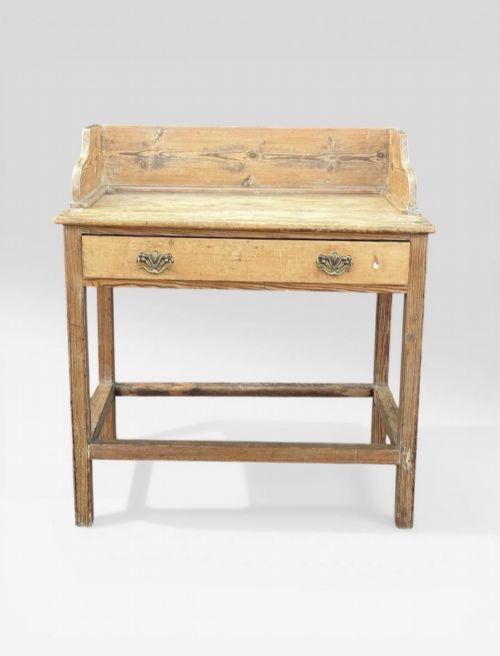
Most examples found here take the form of washstands, side tables, or wash tables, often featuring painted finishes or scumble glaze. Buyers also encounter related pine forms such as chests of drawers, dressing tables, and console tables.
The prevalent styles range from rustic country and farmhouse to Victorian country and French country. Pitch pine and standard pine form the primary timber base for these practical furnishings.
How they were made
Makers constructed these washstands primarily from solid pine and pitch pine, selecting timber for strength and straight grain. Carpenters utilised traditional joinery methods to build sturdy frames capable of supporting heavy basins and jugs.
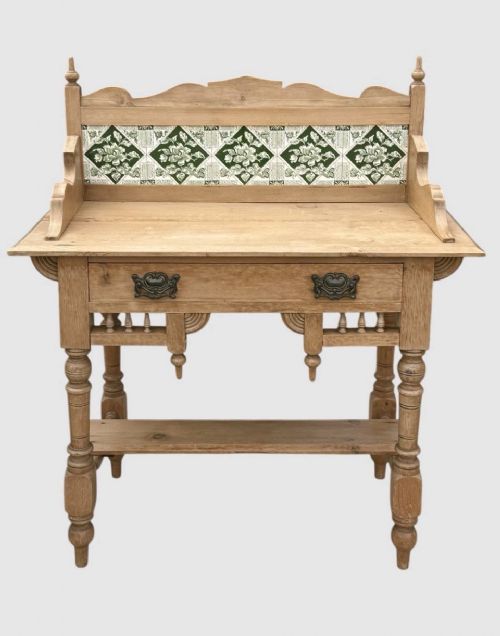
Surface treatments varied from waxed natural wood to applied paint and scumble glaze finishes. Some pieces incorporated marble tops, brass fittings, and ceramic elements to protect surfaces from water splashes.
Several pieces arrive wearing their original scumble glaze, proving that Victorian households loved a clever painted illusion just as much as we do.
What varies in quality
The standard of a vintage pine washstand rests in the preservation of its original surface finish, whether paint, scumble glaze, or waxed grain. Pieces retaining undisturbed early paintwork or untouched timber patination stand apart from stripped or heavily altered examples.
Structural integrity and the retention of original fittings, such as brass hardware or gallery backs, dictate the caliber of the piece. Craftsmanship shows in the neatness of the drawer construction and the careful fit of timber joints.
The Vintage Pine Washstand Glossary
- Scumble glaze
- A decorative translucent paint technique dragged or combed across a surface to imitate richer wood grains. This finish appears frequently on nineteenth-century country furniture.
- Pitch pine
- A durable, resinous North American and European pine species known for distinct growth rings and strength. Cabinetmakers selected this timber for items exposed to heavy daily wear.
- Gallery back
- A raised wooden border along the rear and sides of a washstand top. This feature prevented water splashes and washing utensils from slipping off the surface.
- Faux bamboo
- A decorative turning technique on wood that mimics the jointed stalks of bamboo. This stylistic choice gained popularity during the Victorian and Edwardian periods.
Vintage Pine Washstand: Frequently Asked Questions
What is a vintage pine washstand?
A vintage pine washstand is a nineteenth or early twentieth-century wooden table built to hold a basin and jug for morning ablutions. These sturdy furnishings served bedrooms before built-in plumbing.
Today, buyers repurpose them as bathroom sink units, hallway tables, or decorative sideboards in rustic interiors.
How do I care for painted pine?
Painted and scumble-glazed surfaces require gentle dusting with a dry or slightly damp cloth without chemical polishes. Keeping the timber away from direct heat sources prevents the old paint from cracking.
Protecting the top surface from standing water preserves the original finish and prevents the pine beneath from swelling.
Are these pieces waterproof?
Original nineteenth-century pine washstands were designed for splashes from basins, but modern daily use as a bathroom vanity requires extra care. Applying appropriate sealants or wax helps protect the timber from moisture damage.
Some variants feature marble tops which offer natural resistance to water compared to plain wooden surfaces.
How do I date a pine washstand?
Dating relies on construction methods, hardware types, and stylistic cues such as turned legs or gallery backs. Regency and early Victorian pieces often display simpler lines, while later Edwardian examples incorporate different proportions.
Original paint finishes and surface wear also offer clues to the age and history of the item.