



Brown Painted Side Table
A brown painted side table brings colour and character to a room, offering surface space with the added depth of a decorated or painted finish.
Brown Painted Side Table
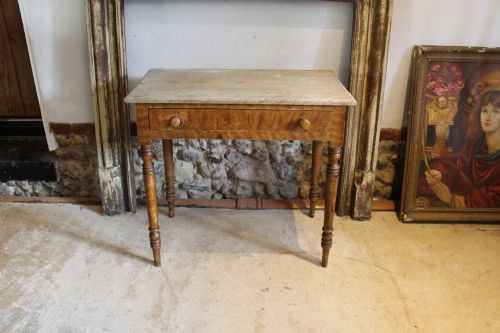
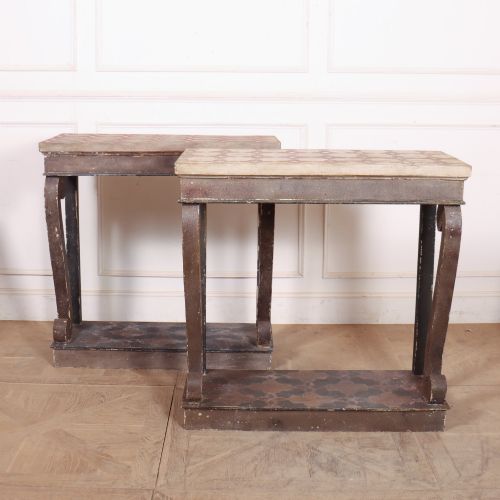
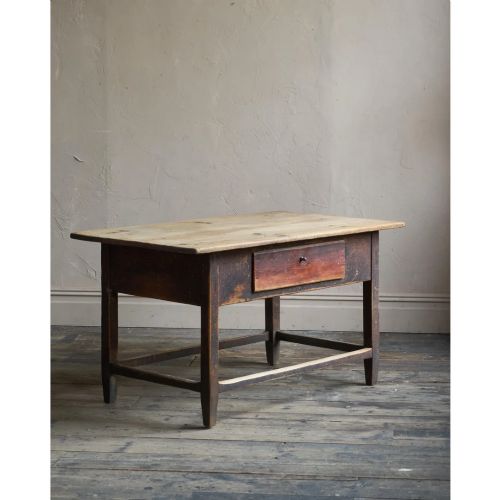
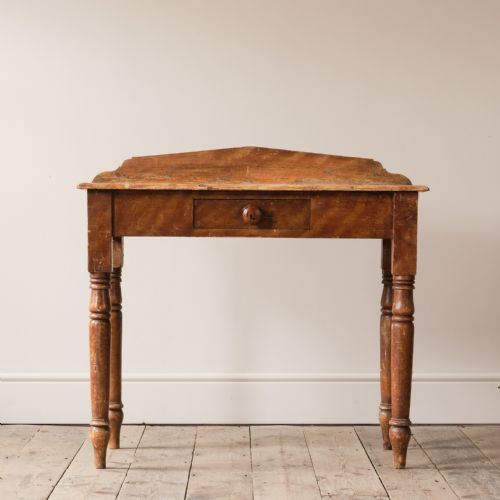
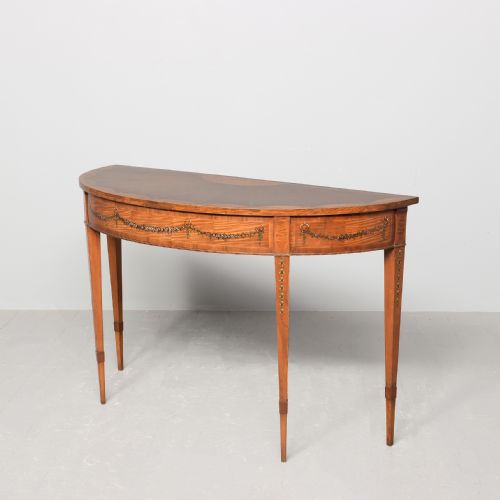
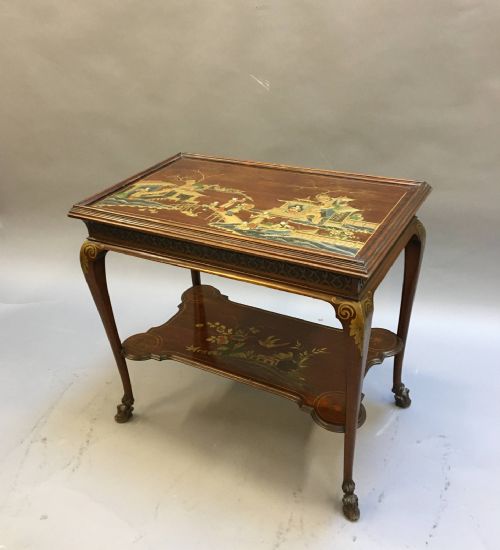
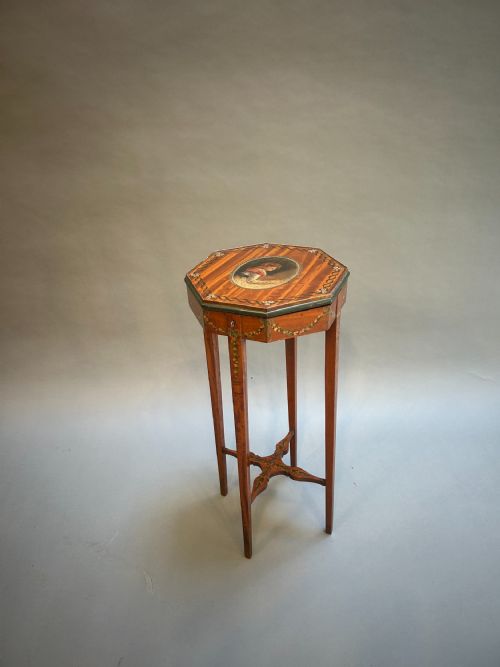
When searching for a brown painted side table, buyers encounter a variety of forms including occasional tables, console tables, and washstands. These pieces serve practical functions in hallways, reception rooms, and bedrooms while introducing decorative painted surfaces.
The selection ranges widely across periods, including Georgian, Victorian, Edwardian, and the 1930s, reflecting changing tastes in interior decoration. Country pine versions sit alongside refined satinwood and mahogany pieces featuring hand-painted details.
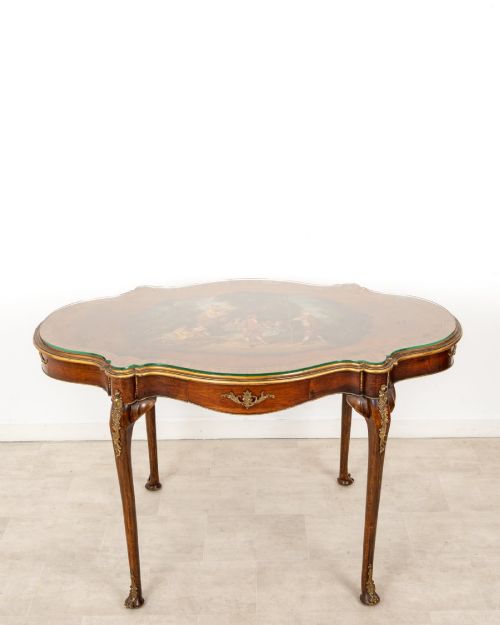
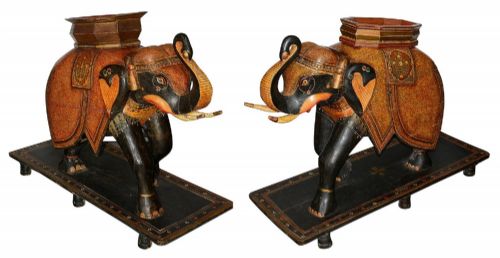
Geographic styles vary from Scandinavian country designs and Spanish console tables to French Louis XV models and Kashmiri lacquer work. This diversity ensures that each table carries distinct regional characteristics and period charm.
How They Were Made
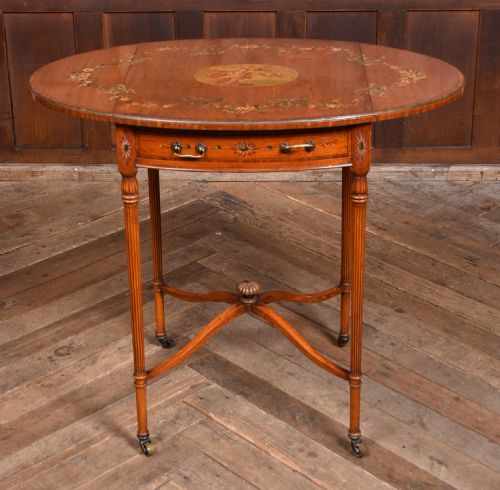
Wood serves as the primary foundation, utilising pine, mahogany, satinwood, teak, and rosewood. These timbers are shaped into functional forms such as demi-lune tables, nests of tables, and drop-leaf tables.
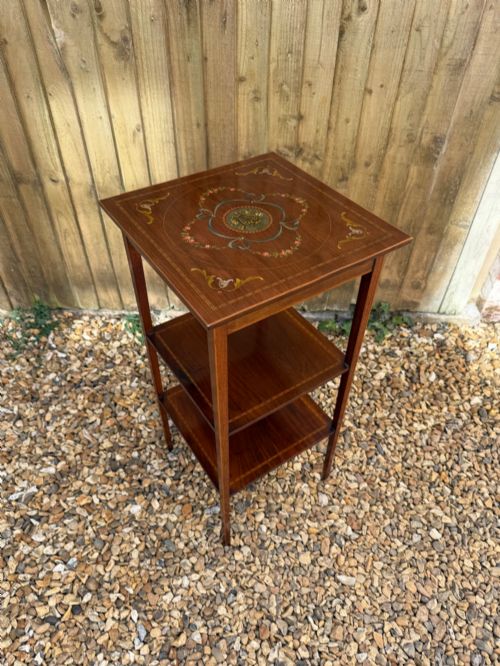
Surfaces receive decorative treatments including scumble, original grain finishes, trompe l'oeil, and hand-painted neoclassical scenes or floral motifs. Some pieces incorporate brass hardware, gilt bronze mounts, or inlaid details to enhance the woodwork.
Listings feature periods spanning from the Georgian era through Victorian and Edwardian times up to the 1930s, using paint, mahogany, satinwood, pine, brass, and lacquer.
What Varies in Quality
The integrity of the painted surface determines much of the visual appeal, distinguishing original grain finishes, scumble work, and hand-painted decorations from later alterations. Tables retaining their early or original paint layers command greater interest among collectors.
Construction methods and timber selection set the baseline for durability and refinement. Finely turned legs, box stretchers, and carefully joined demi-lune or rectangular tops reflect the skill of the maker across different provincial and urban workshops.
The Brown Painted Side Table Glossary
- Scumble
- A decorative painting technique involving the layering of translucent or opaque glazes over a base coat to imitate wood grain or texture. It appears frequently on nineteenth-century country furniture.
- Demi-Lune
- A half-moon shape characteristic of side and console tables designed to sit flush against a wall. This form allows the table to occupy minimal floor space while providing a useful display surface.
- Vernis Martin
- A type of lacquer work developed in eighteenth-century France that mimics Asian lacquer using fine varnishes. Later revival pieces often imitate this glossy, decorative finish.
- Etagere
- A piece of furniture consisting of open shelves for displaying small objects or books. Examples in the listings feature painted wood tiers.
Brown Painted Side Table: Frequently Asked Questions
Where should I place a side table?
These tables fit easily into hallways, beside seating areas, or against empty wall spaces where surface area is needed. Their compact forms allow them to function as occasional tables or display stands without dominating a room.
Console and demi-lune versions work particularly well in entrance halls or below mirrors, while smaller occasional tables suit living spaces.
How do I care for painted wood?
Painted and lacquered surfaces require gentle cleaning with a soft, dry cloth to prevent dust accumulation. Avoid harsh chemical cleaners and excessive moisture that could damage delicate paint layers or original grain finishes.
Keeping the table away from direct sunlight and strong heat sources protects the timber from warping and prevents the paint from fading over time.
How do I identify a Georgian table?
Georgian tables typically exhibit classic proportions, refined timber selection such as mahogany or satinwood, and sophisticated decorative elements like neoclassical painted scenes. Their construction reflects eighteenth-century cabinet-making standards.
Comparing the leg style, stretcher arrangement, and joinery helps distinguish these earlier pieces from later Victorian or Edwardian revivals.