
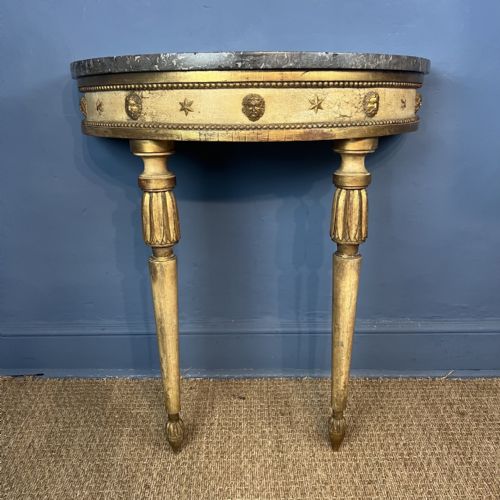
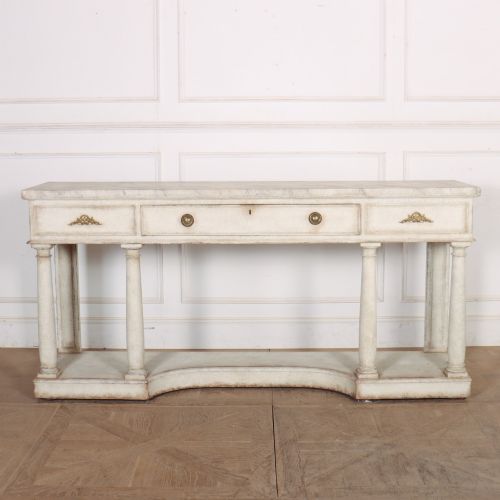


Painted Marble Console Table
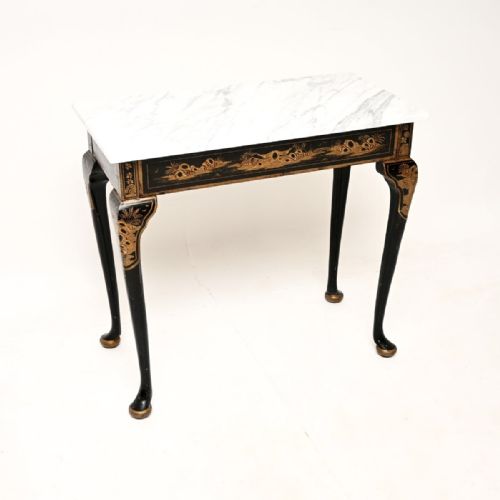
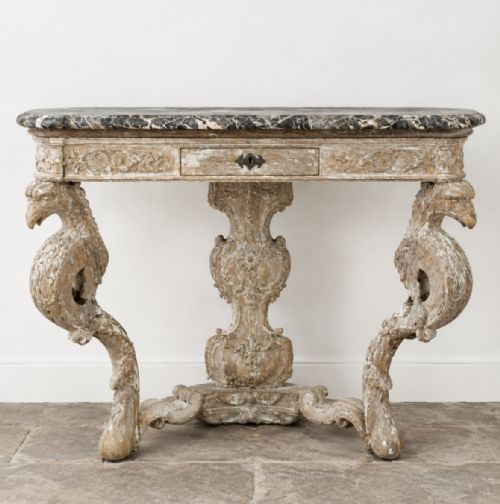
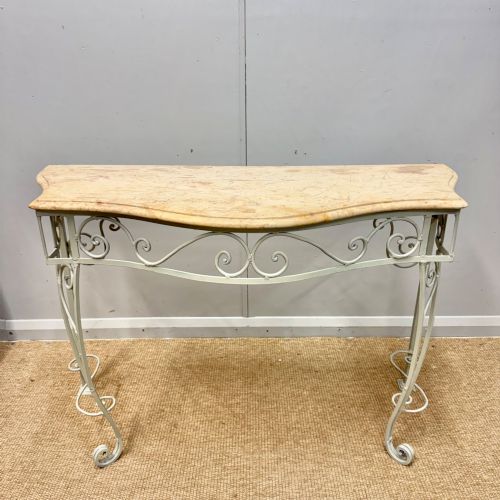
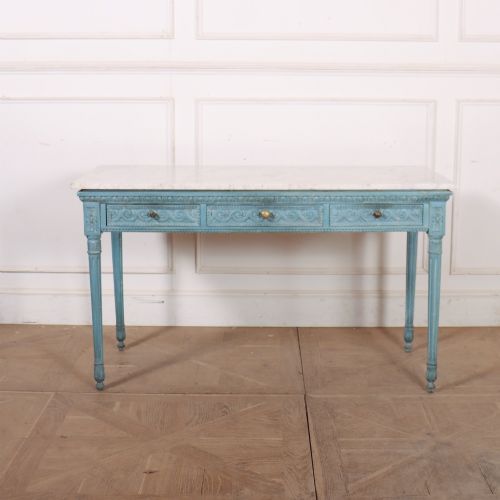
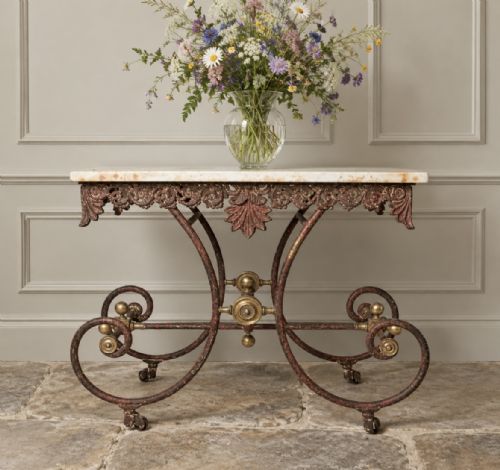
When you search for a painted marble console table, you are looking for a striking surface supported by decorative woodwork, wrought iron, or cast iron.
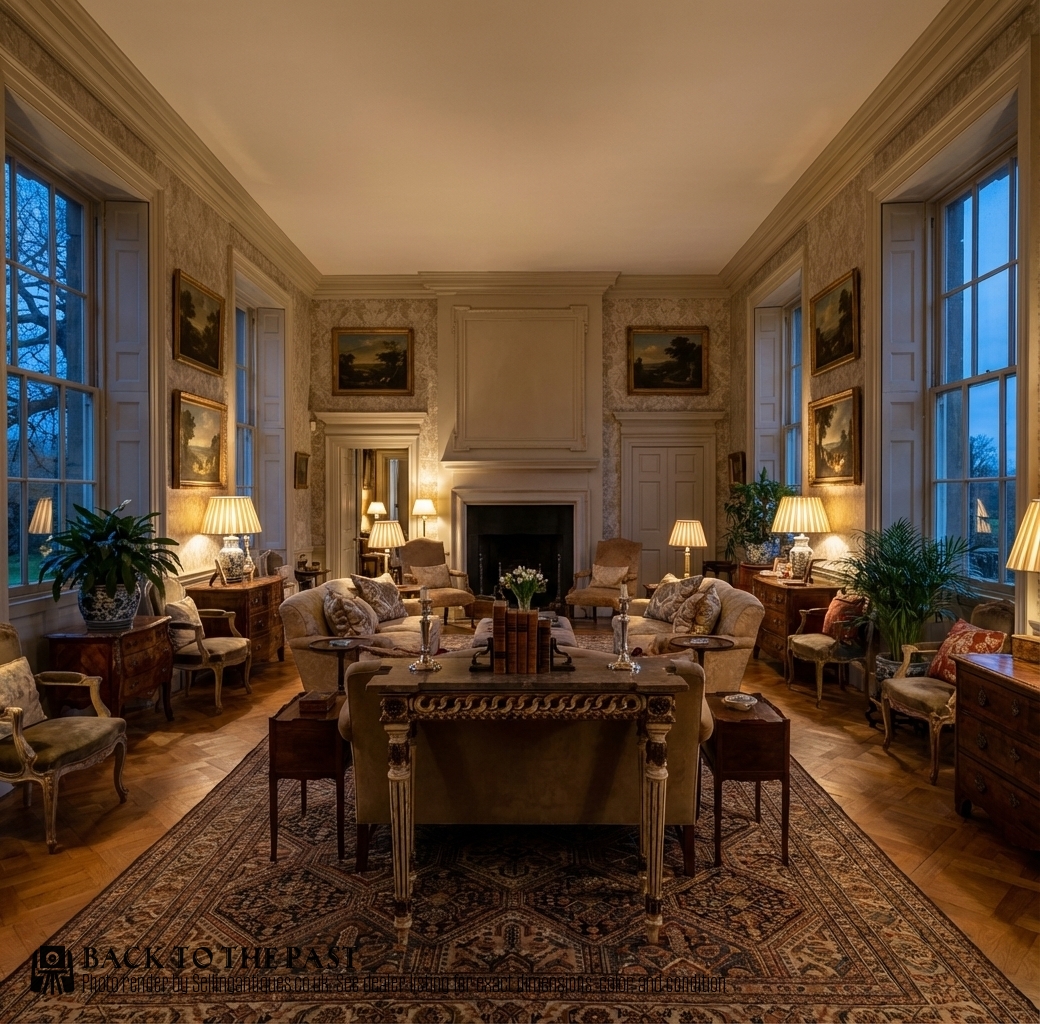
Painted Marble Console Table
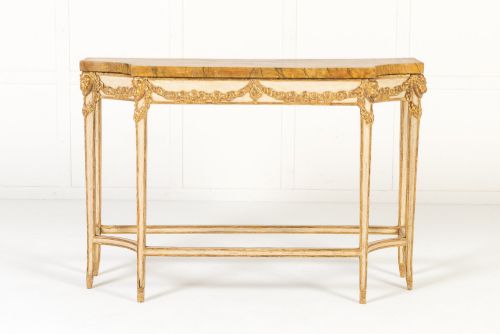
A painted marble console table combines a heavy stone top with a decorative base, serving as a striking furniture piece for hallways and principal rooms. The selection includes console tables, side tables, washstands, and garden tables originating from French, Italian, English, and Swedish workshops.
The most common examples on this page date from the eighteenth and nineteenth centuries, spanning neoclassical, rococo, and regional provincial styles. Many feature half-moon or serpentine forms designed to sit flush against a wall.
Makers utilised various regional aesthetics, ranging from the gilt-highlighted elegance of Italian Neoclassical pieces to the restrained charm of Gustavian furniture from Sweden.
How they were made
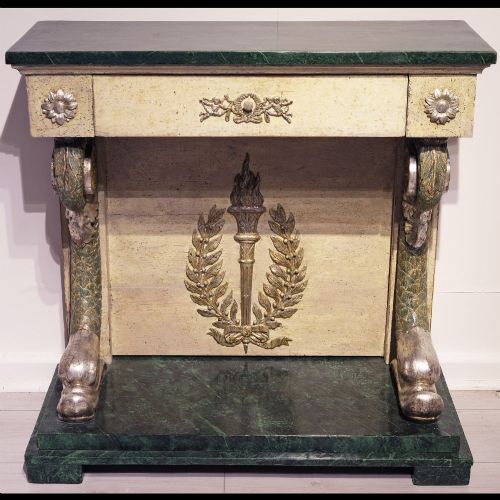
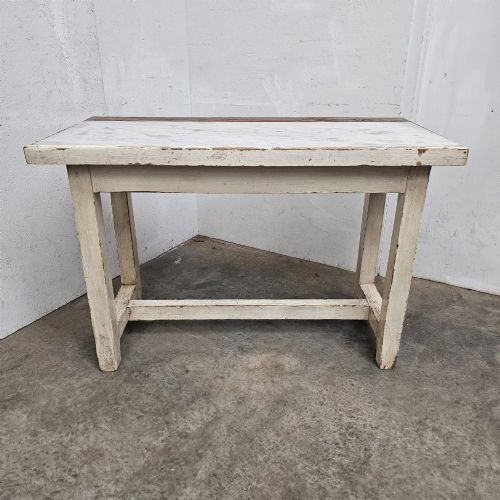
Makers constructed the bases from carved wood, gesso, pine, and wrought or cast iron, applying layers of paint, cream finishes, or parcel-gilt details over the structure. Some pieces utilise faux marble paint techniques on wood, while others support genuine heavy marble slabs.
Stone tops include varieties such as Carrara, Sienna, Breccia, and faux porphyry, fitted precisely to the wooden or metal frames. Carved wooden consoles often display intricate floral motifs, scrolls, and gilding applied to gesso grounds.
The inventory includes Italian, French, English, and Swedish origins spanning neoclassical, rococo, and Victorian styles.
What varies in quality
The sophistication of the carved wood and the depth of the painted finish determine the distinction between standard provincial items and high-end formal pieces. Hand-carved details, original layered polychrome paint, and parcel-gilt accents elevate the execution.
The selection and thickness of the marble slab significantly affect the character of the piece, with matched specimen marbles or rich breccia and Sienna varieties representing superior material choices.
The Painted Marble Console Table Glossary
- Console table
- A table designed to be fixed against a wall, often supported by two front legs and secured with brackets.
- Demi-lune
- A half-moon shape commonly utilised for the tops and frames of wall-mounted tables.
- Parcel-gilt
- Woodwork or metal decorated with partial applications of gold leaf over a painted ground.
- Breccia marble
- A multicoloured stone composed of angular fragments embedded in a fine-grained matrix, favoured for luxury tops.
- Gesso
- A plaster mixture applied to wood frames to provide a smooth surface for painting and gilding.
Painted Marble Console Table: Frequently Asked Questions
Where should I place a console table?
These tables suit narrow entrance halls, reception rooms, and hallways where a shallow profile saves floor space. They also function effectively beneath large wall mirrors or pier glasses.
Because of their decorative bases and stone surfaces, they serve as prominent focal points upon entering a room rather than heavy storage furniture.
How do I identify Italian neoclassical pieces?
Italian neoclassical examples from the eighteenth and nineteenth centuries display straight tapering legs, balanced geometric proportions, and restrained classical ornamentation. Makers frequently combined painted cream finishes with parcel-gilt details.
They often feature faux porphyry or rich specimen marble tops that reflect the influence of classical antiquity on Italian design.
What is a Gustavian console?
Gustavian pieces originate from Sweden and reflect a lighter, northern interpretation of French neoclassical style inspired by King Gustav III. They typically feature pale grey, cream, or white painted surfaces with subtle carved fluting.
The aesthetic prioritises clean lines, functional elegance, and understated decorative restraint over heavy ornamentation.
How do I care for the marble top?
Marble surfaces require gentle cleaning with mild soap and warm water, avoiding acidic or abrasive household cleaners that can etch the stone. Using coasters and mats protects the polished finish from moisture and staining.
Regular dusting keeps the stone and the painted wooden base preserved in good condition.