





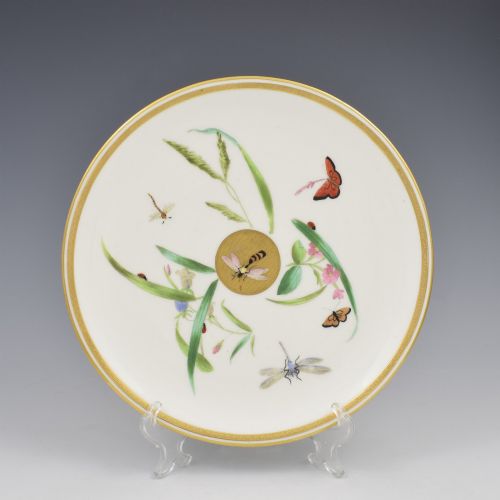
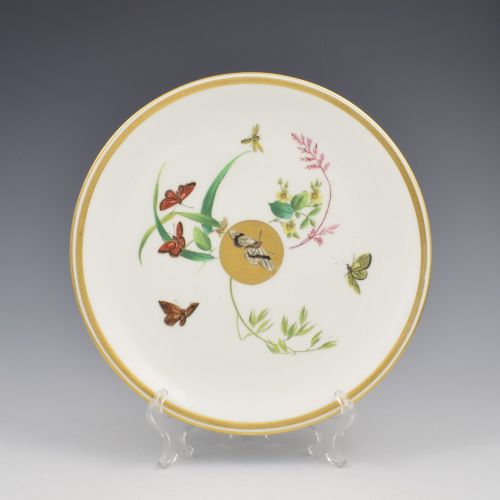
Painted Japanese Ceramic Dish
These painted japanese ceramic dish selections bring together centuries of export ware and Meiji period porcelain for domestic display.
Painted Japanese Ceramic Dish
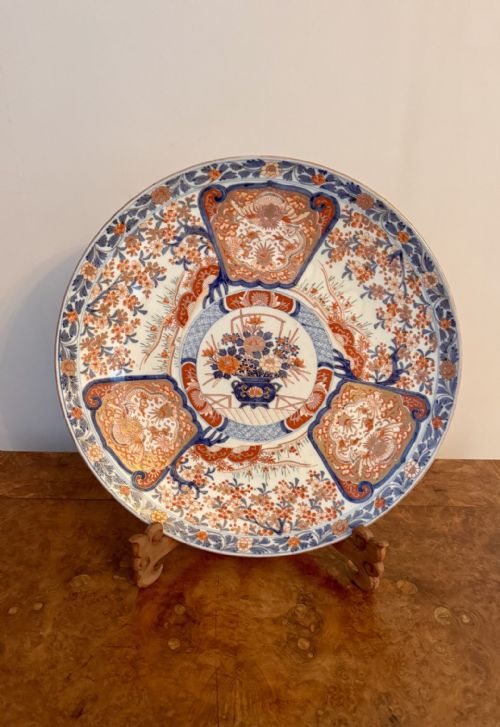
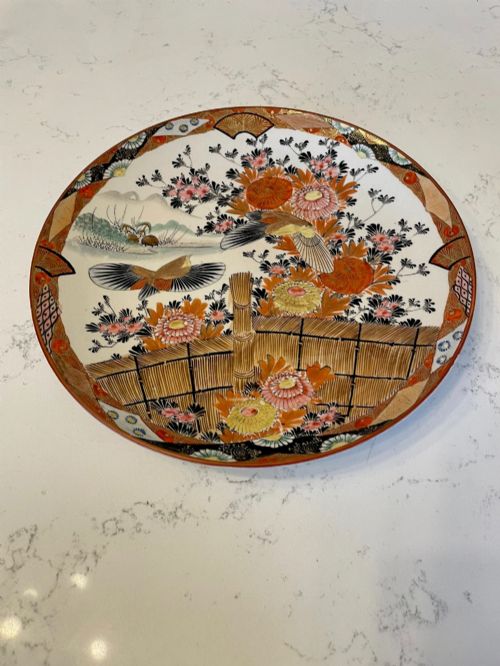
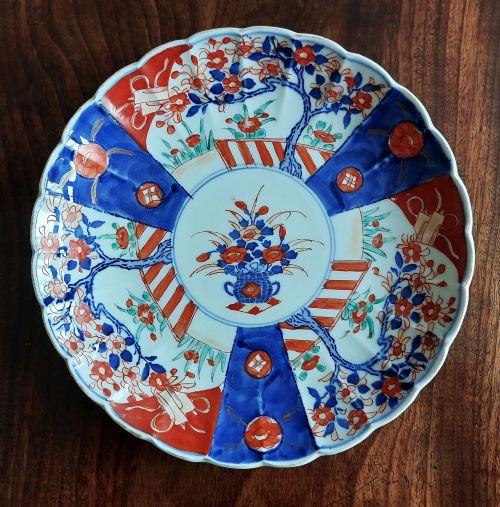
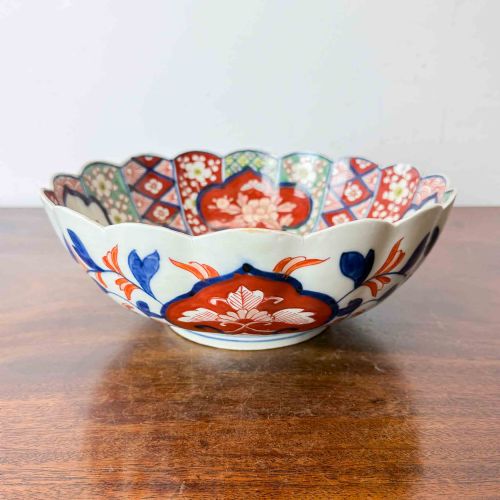
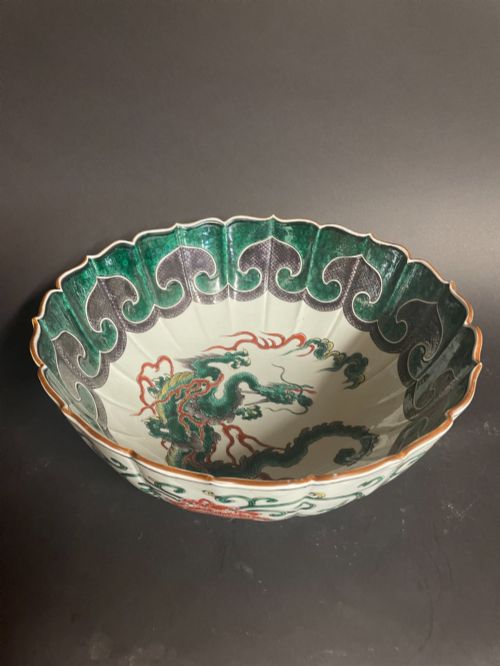
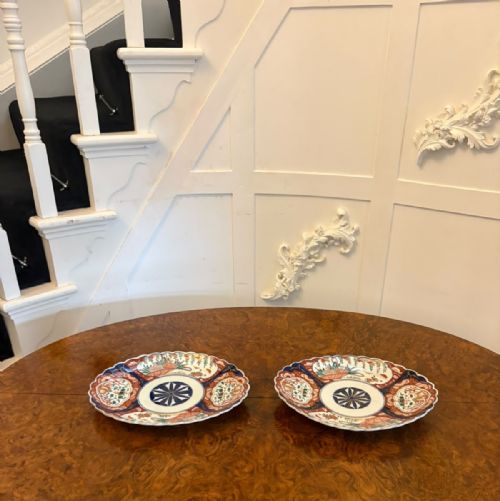
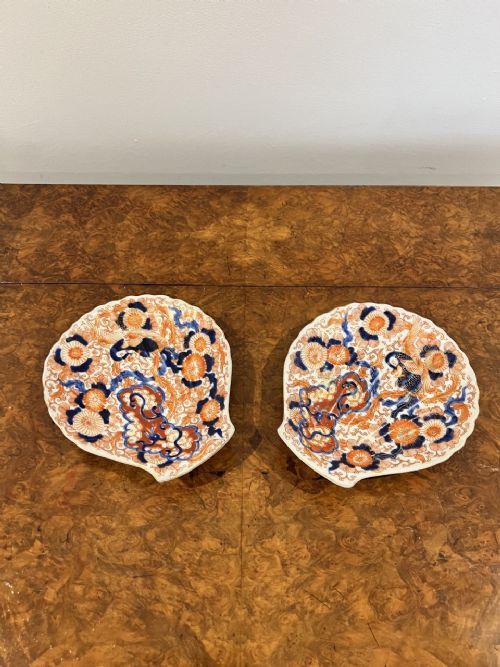
When searching for a painted japanese ceramic dish, collectors encounter pieces ranging from chargers and cabinet plates to decorative bowls originating from the nineteenth and early twentieth centuries. The selection on this page leans heavily towards Japanese Imari porcelain alongside Satsuma, Kutani and Arita wares.
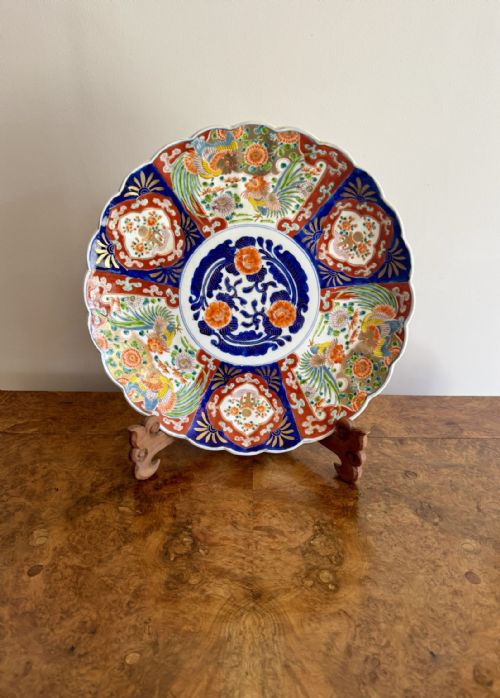
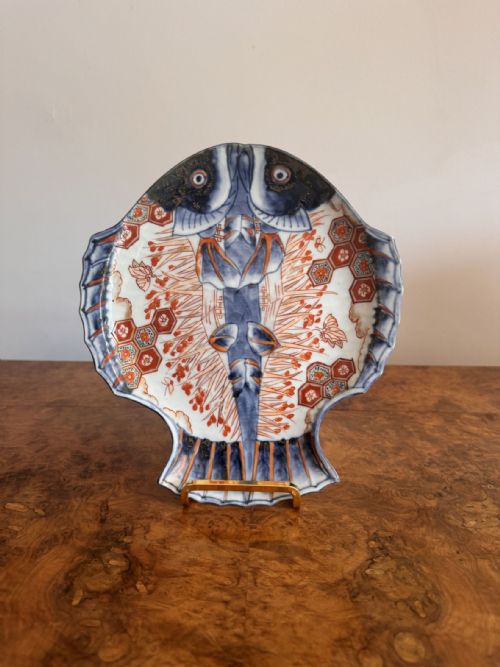
Forms vary from standard circular plates to scalloped edges, hexagonal shapes, shell forms and even fish-shaped vessels designed for visual impact. Most examples date from the Meiji period, Victorian era and the decades spanning eighteen eighty to nineteen twenty.
How they were made
Potters shaped these porcelain and earthenware bodies by hand or mould before applying cobalt underglaze, enamel pigments and gold leaf details. Kiln firing fused the glaze and colours to the ceramic base, creating durable surfaces that preserved the painted decoration.
Many works incorporate intricate gilt highlights and rich enamels typical of traditional Japanese ceramic techniques found in regional centres like Kyoto and Arita.
Listings feature porcelain, earthenware, enamel, gold leaf and cobalt underglaze across periods from the eighteenth century to nineteen twenty.
What varies in quality
Quality separates standard export pieces from exceptional works through the precision of the hand-painted brushwork and the vibrancy of the enamel and gold leaf application. Finer examples display meticulous detail in floral and bird motifs, balanced compositions and superior ceramic potting.
The sophistication of the glaze work and the crispness of moulded or scalloped edges also distinguish higher-tier items from simpler domestic production.
Koshida·Kozan
The Painted Japanese Ceramic Dish Glossary
- Imari
- A style of Japanese export porcelain decorated in underglaze blue, iron red, and gold. This palette dominated trade pottery during the Edo and Meiji periods.
- Satsuma
- An earthenware ceramic type with a crackle-glaze finish, typically painted with polychrome enamels and gilding. It originated in Satsuma Province and later gained immense popularity in Kyoto.
- Kutani
- A style of Japanese porcelain known for bold pictorial designs and rich colour palettes, particularly greens, blues, yellows, and purples. It represents a distinct regional tradition of ceramic decoration.
- Charger
- A large decorative plate intended for display on a wall or sideboard rather than for serving food. These pieces often showcase the most elaborate painting in a potter's repertoire.
- Meiji Period
- The era in Japanese history lasting from eighteen sixty-eight to nineteen twelve, coinciding with a surge in export ceramics tailored for Western tastes.
Painted Japanese Ceramic Dish: Frequently Asked Questions
How do I identify a Meiji period dish?
Meiji period ceramics typically date between eighteen sixty-eight and nineteen twelve, often displaying dense enamel decoration, rich gilding and distinct export-oriented motifs. Look closely at the potting style and painting execution which reflect this era of intense artistic production.
Pare down attribution further by examining any signatures or regional marks present on the base, though many export pieces left factories unmarked.
What is the difference between Imari and Kutani?
Imari porcelain relies on a characteristic palette of cobalt underglaze blue, iron red and gold leaf over hard paste porcelain. The patterns frequently incorporate intricate floral and geometric arrangements.
Kutani wares instead favour broader polychrome enamel schemes featuring pictorial scenes of birds, figures and landscapes on porcelain or earthenware bodies.
Were these dishes meant for dining?
Larger chargers and specific decorative plates served primarily as ornamental display pieces on walls or furniture rather than functional tableware. Their intricate enamel and gold leaf surfaces were susceptible to wear from daily use.
Smaller bowls and plates saw more domestic service, though the finest examples were prized as cabinet pieces for decoration.
How should I clean antique Japanese ceramics?
Dust these pieces gently with a soft, dry brush to prevent accumulation in scalloped edges and textured glaze areas. Avoid immersion in water, harsh detergents or chemical cleaning solutions that can damage delicate surface gilding and enamels.
Display them away from direct sunlight and areas prone to heavy temperature fluctuations to preserve the ceramic glaze.