

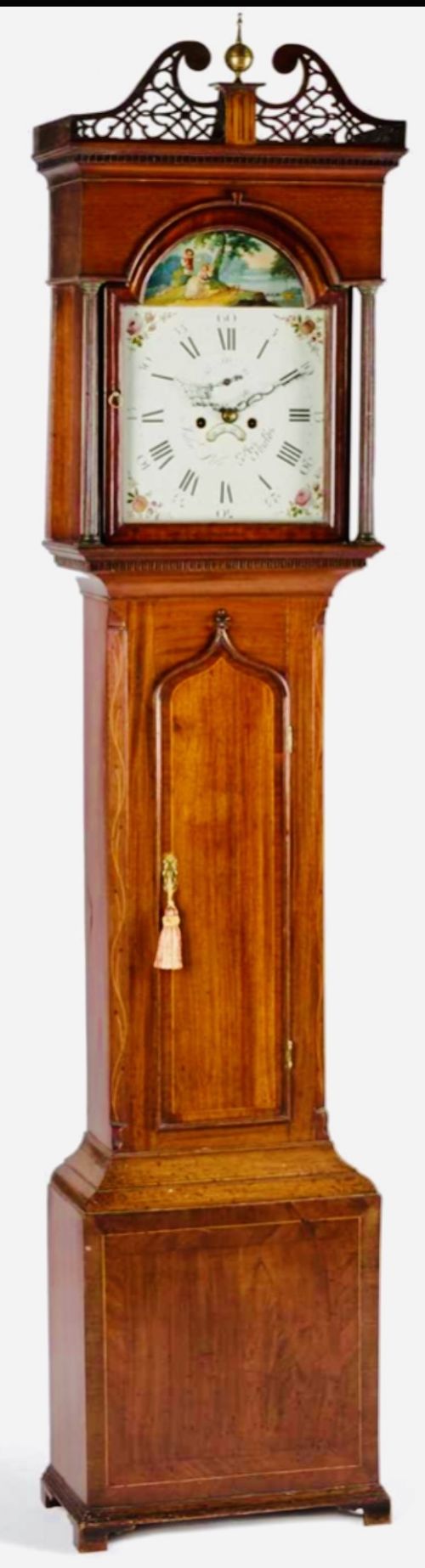
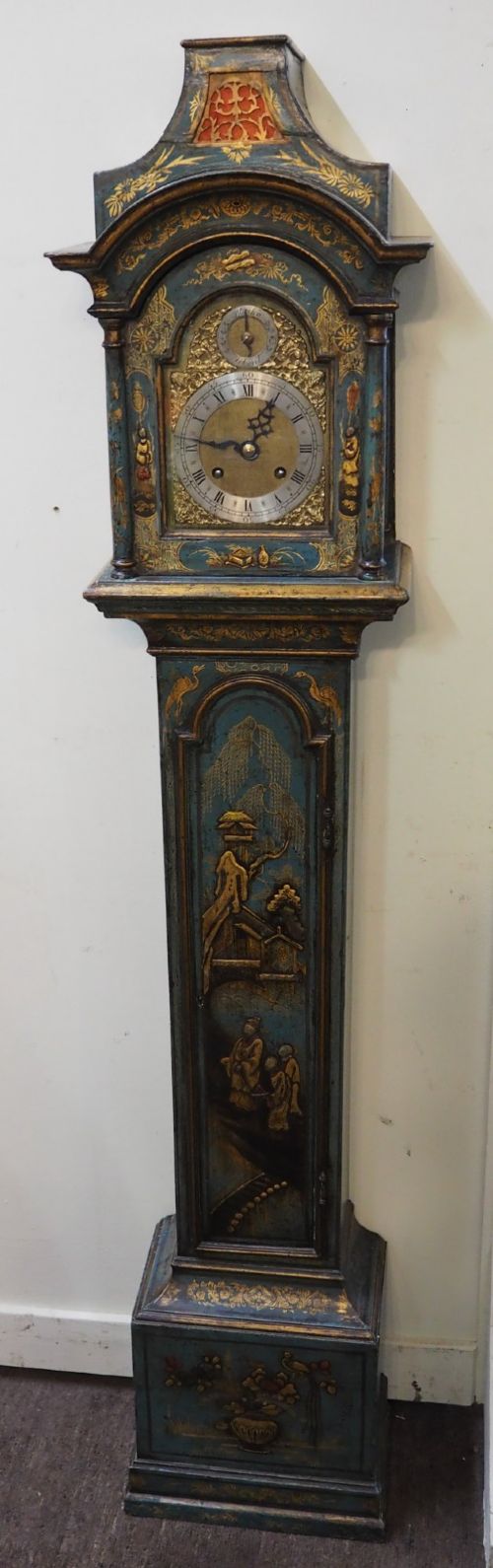
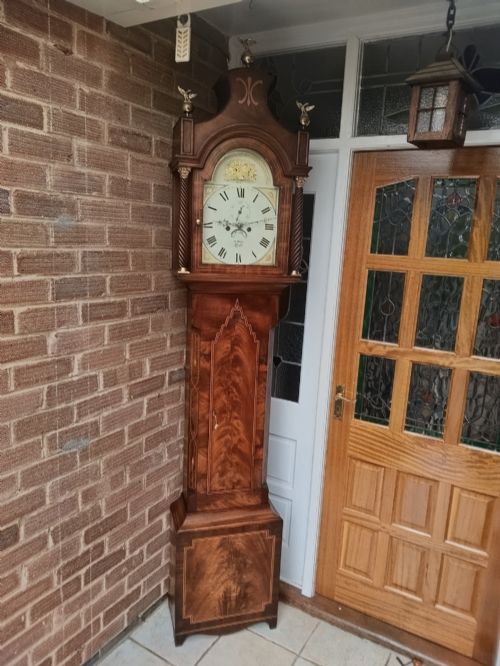
Painted Grandfather Clock
A painted grandfather clock stands as a towering piece of functional carpentry, offering precise timekeeping alongside hand-finished dial artistry.
Painted Grandfather Clock
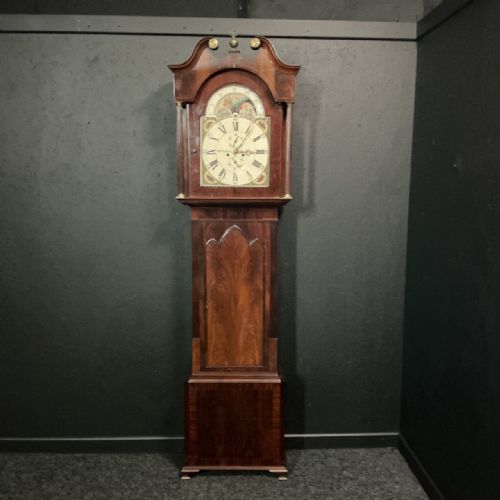
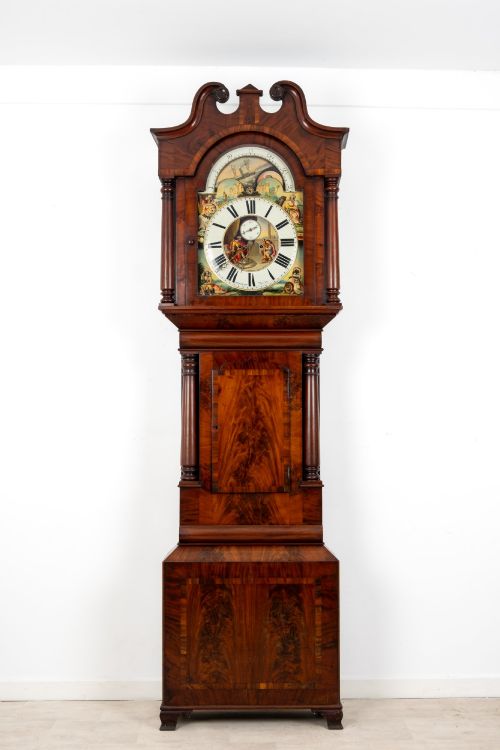
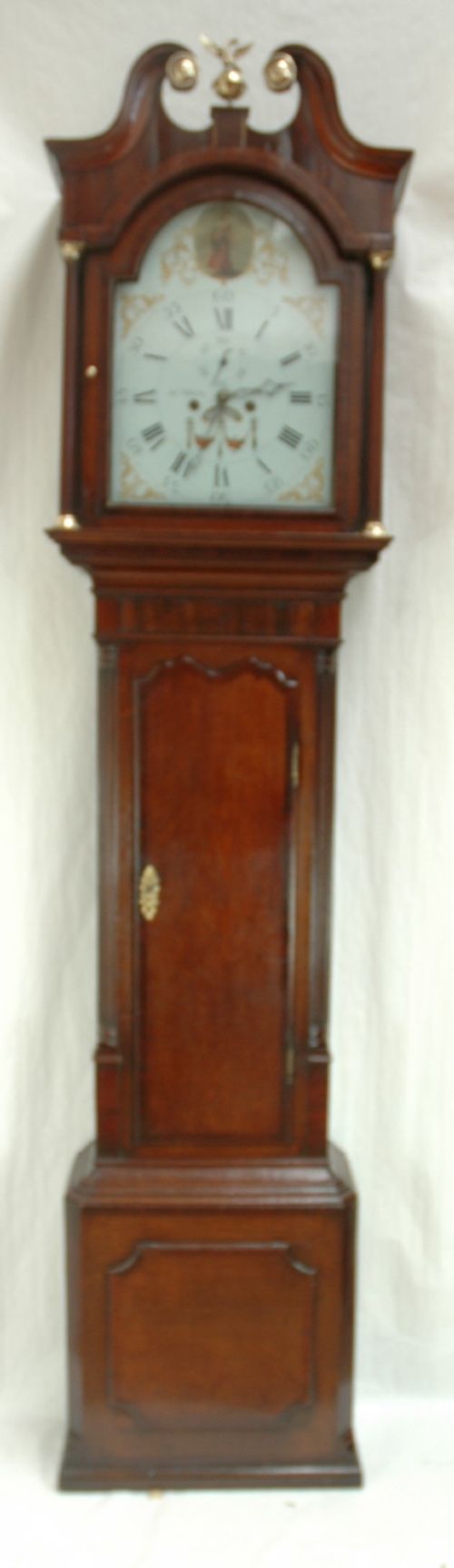
When you search for a painted grandfather clock, you encounter tall floor-standing timepieces spanning the Georgian, Victorian, and Regency periods. The forms include standard longcase clocks alongside regional variations such as Scottish longcase clocks and smaller grandmother clocks.
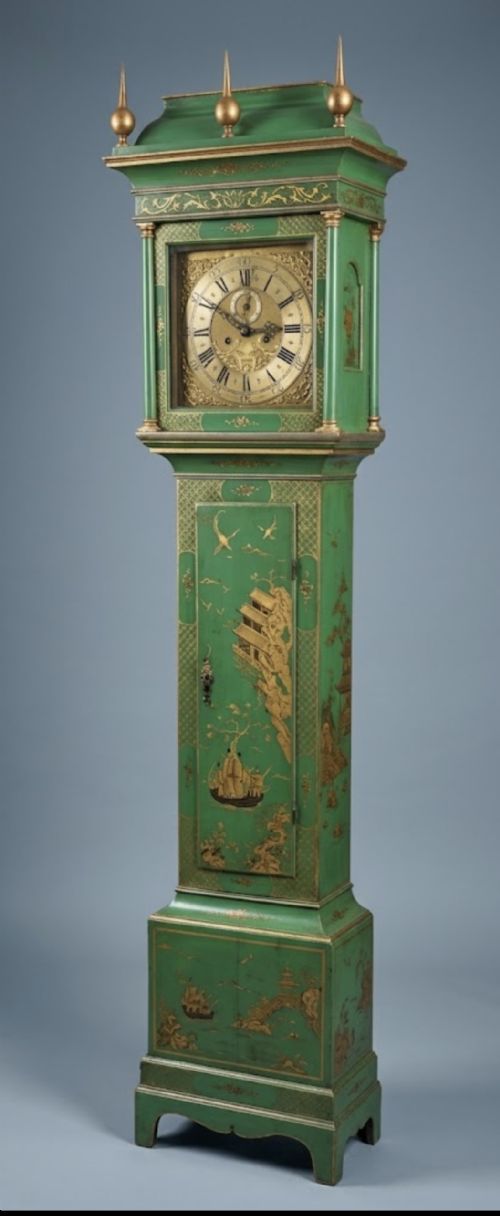
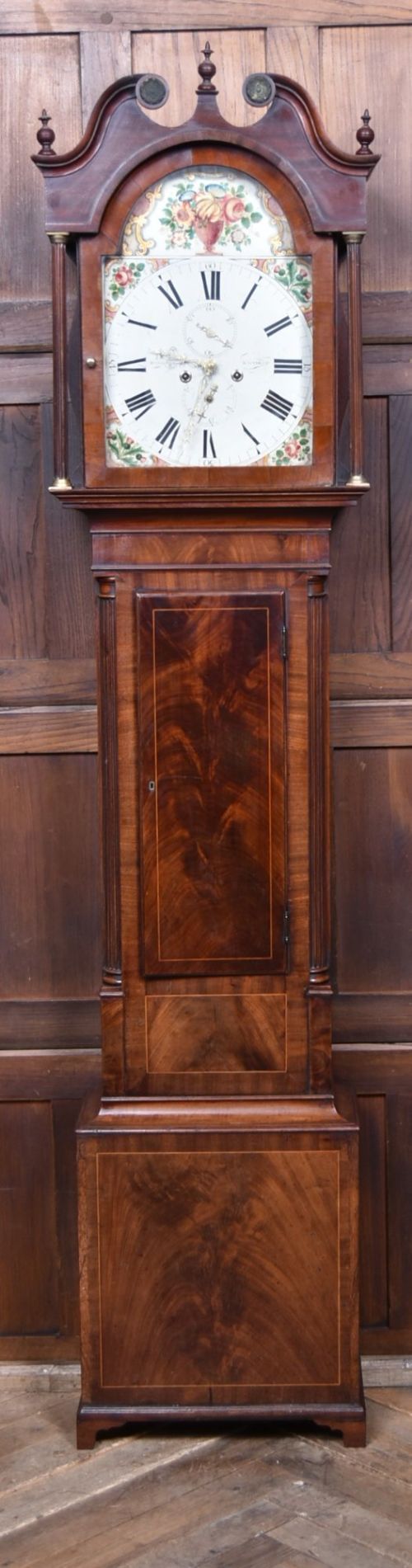
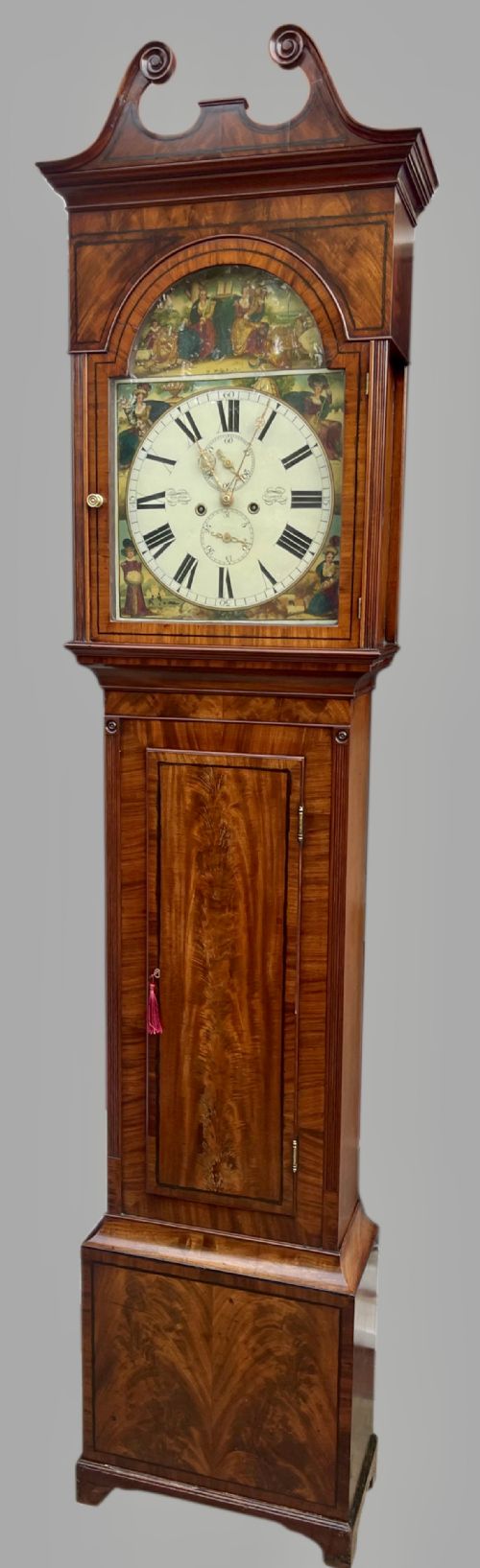
The evidence shows these architectural cases constructed from timbers like oak and mahogany, often paired with decorative surfaces including green lacquering, blue lacquer, and flame mahogany veneers. Dials feature painted iron surfaces, sometimes incorporating intricate moonphase mechanisms and subsidiary dials.
Regional diversity emerges clearly across England, Scotland, and Wales, with provincial makers signing works from towns such as Montrose, Peebles, and Alton. These tall clocks served as the primary domestic timekeeper in historic homes, combining joinery with mechanical brass movements.
How They Were Made
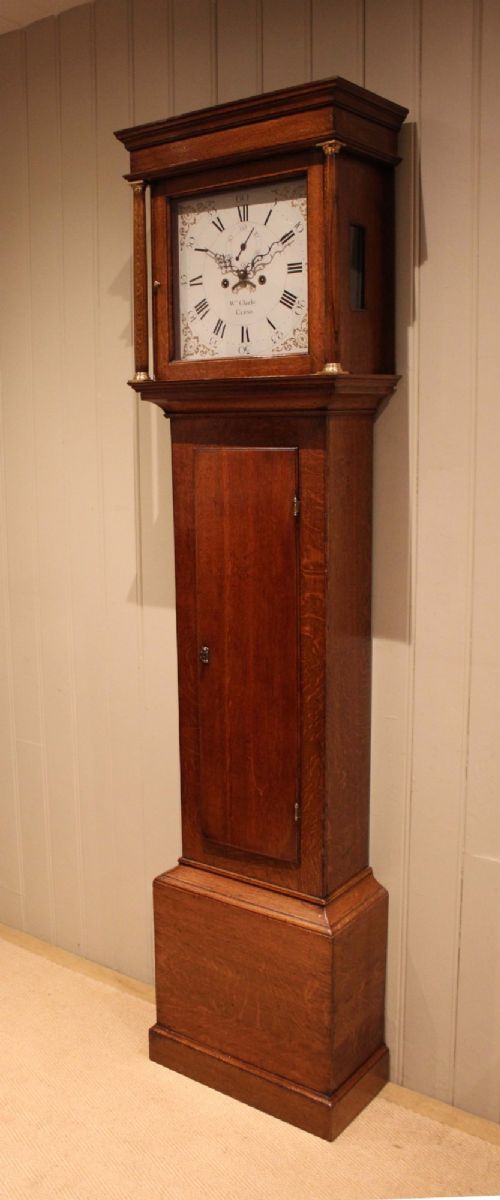
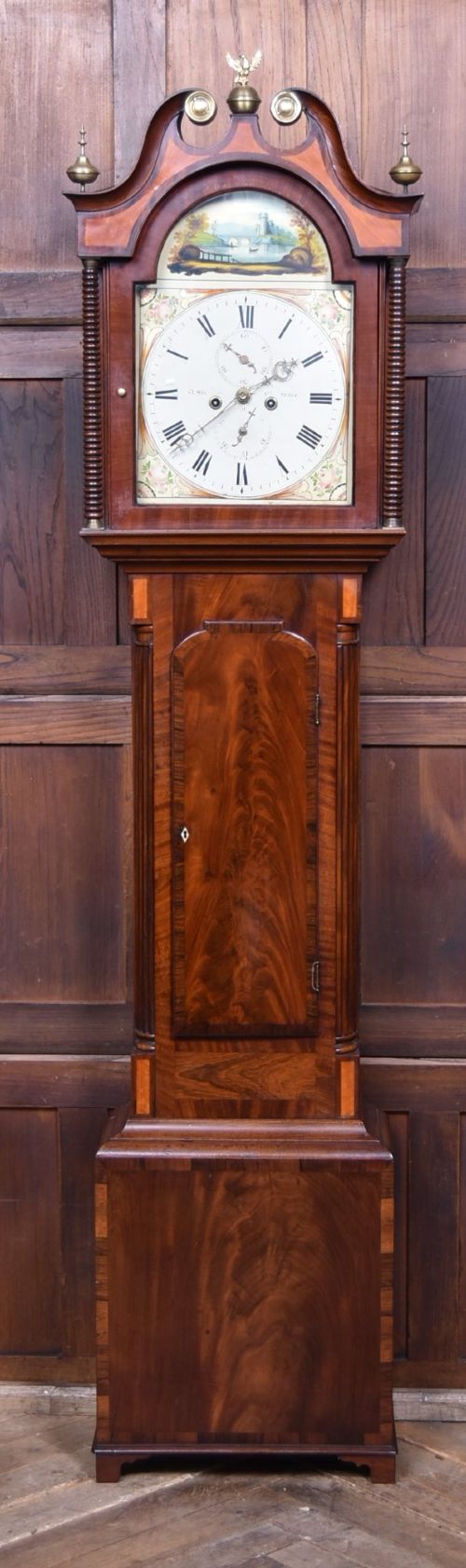
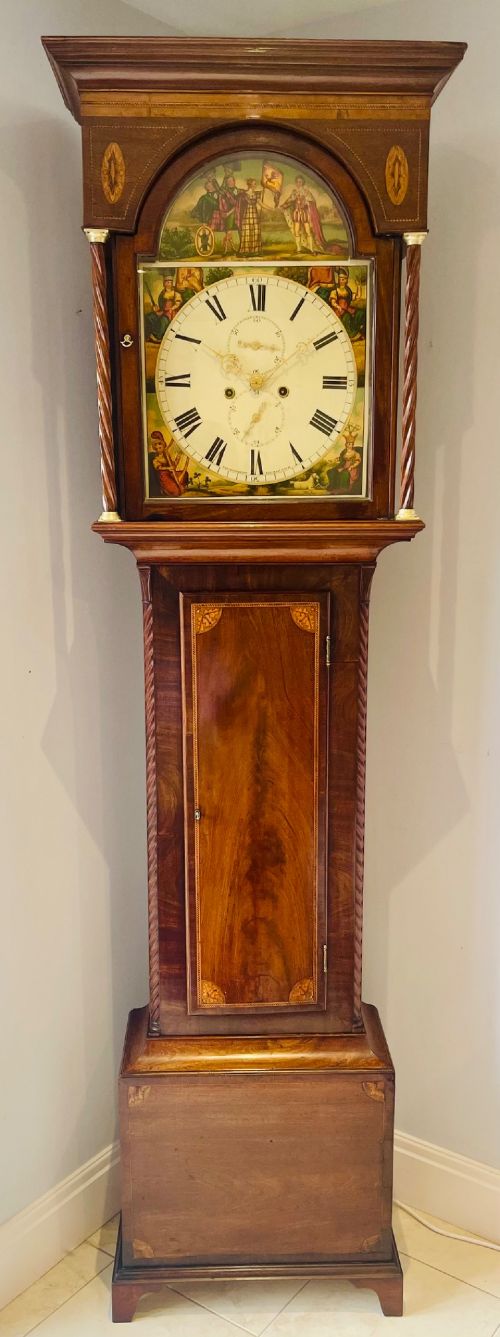
Cabinetmakers built the tall wooden cases using native and imported timbers, frequently selecting oak for provincial Georgian pieces and figured mahogany for later Regency and Victorian examples. Carpenters added details such as inlaid stringing, architectural hoods with brass finials, and glazed dial doors to protect the face.
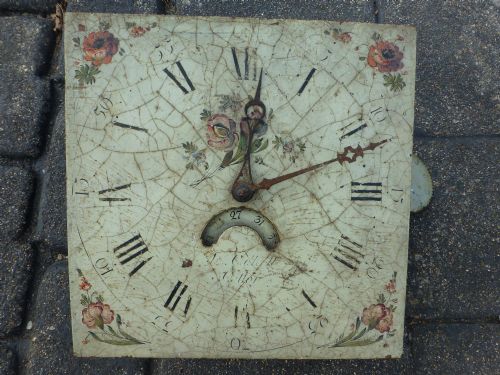
Horologists fitted mechanical brass movements into the trunk, driving them with weights suspended on cords or chains, and sometimes utilising gong tubes or bell striking systems. The visible dial typically consists of painted iron, decorated by hand with floral corners, gilt figures, and regional landscape scenes.
Several Scottish longcase clocks feature painted horses on their dials, trotting faithfully alongside the passing hours.
What Varies In Quality
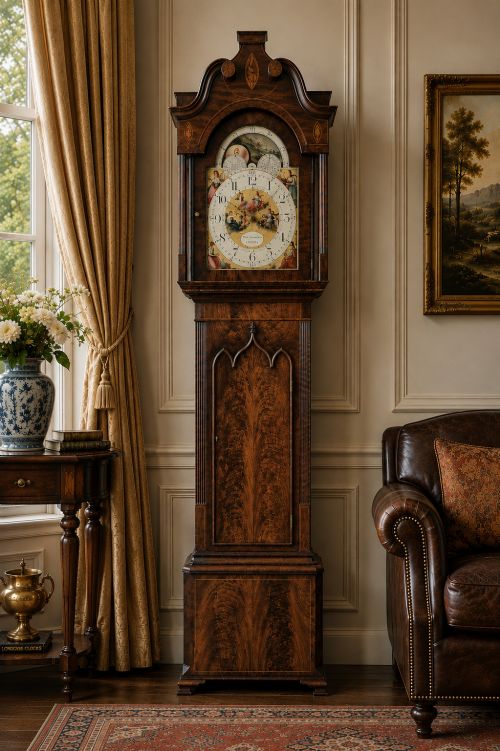
The standard of a painted grandfather clock depends upon the crispness of the case cabinetwork and the artistic execution on the dial face. Finer examples display carefully selected flame mahogany veneers, complex marquetry inlay, and sophisticated moonphase mechanisms signed by recognised regional clockmakers.
Proportion and dial preservation dictate distinction within the range, where crisp lettering, unblemished painted iron faces, and well-proportioned trunk hoods separate standard production from superior workshop output.
John Fielder of Alton·Hendrie Ogg·D. Straiton·Samuel Kellett of Bredbury·Parkinson Bros·William McEwan·Edward Shepley·Thomas Webbe·Charles Dowsett·John Denbigh·Will Lassell·Anthony Binks·John Hancock
The Painted Grandfather Clock Glossary
- Longcase clock
- A tall, weight-driven pendulum clock enclosed in a vertical wooden case designed to rest directly on the floor. These pieces are frequently referred to colloquially as grandfather clocks.
- Moonphase
- A specialised dial mechanism that tracks the lunar cycle through a rotating painted disk showing the phases of the moon. This complication often appears beneath the arch of high-grade 18th and 19th-century dials.
- Grandmother clock
- A smaller, more slender version of the traditional longcase clock, typically produced during the Regency and Victorian eras. They offer similar mechanical complexity in a reduced height.
- Chinoiserie
- A decorative style employing imitated Chinese artistic motifs, seen on lacquered clock cases decorated with painted figures and landscapes. This technique was particularly popular during the Georgian period.
- Drum head
- A circular clock head design resembling a drum, integrated into the top of certain Victorian longcase clock trunks.
Painted Grandfather Clock: Frequently Asked Questions
How do I wind an eight day longcase clock?
Inserting the winding key into the small holes on the dial face allows you to draw the weights back to the top of the trunk. Care must be taken not to overwind the movement.
Most mechanical examples require winding every week to maintain accurate timekeeping and keep the striking train functioning correctly.
What is the difference between oak and mahogany cases?
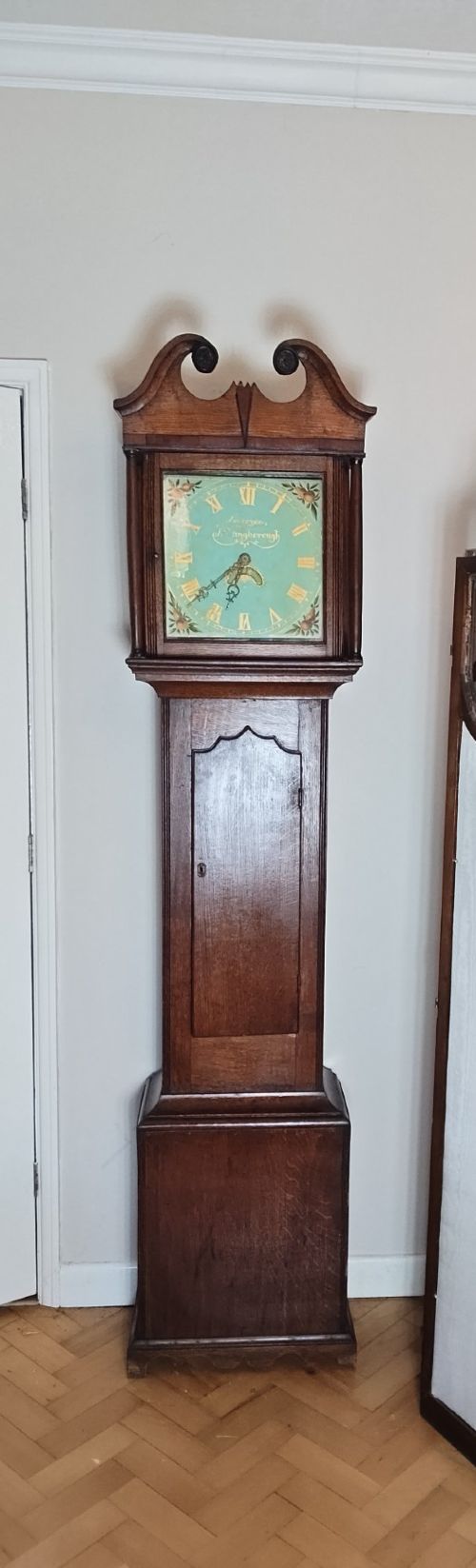
Oak cases typically appear on earlier provincial Georgian clocks, displaying visible grain patterns and sturdy, utilitarian construction. Mahogany variants often feature richer reddish-brown tones and finer polished surfaces.
Cabinetmakers utilised mahogany for higher-status Regency and Victorian pieces, frequently enhancing the exterior with flame veneers and decorative inlay.
Where were regional longcase clocks made?
Clockmakers operated workshops across England, Scotland, and Wales, signing dials with their home towns from Manchester and Birmingham to Scottish burghs like Montrose and Peebles.
Local cabinetmakers built the wooden cases to house movements sourced from trade suppliers or manufactured in regional workshops.
How do I care for a painted iron dial?
Painted iron dials require a stable indoor environment away from direct sunlight and damp conditions to prevent flaking of the historic pigment. Cleaning should remain strictly minimal to preserve the original hand-painted gilt figures and floral spandrels.
Professional horological conservators should handle any necessary dial stabilization or movement servicing.