

Painted Fruit Ceramic
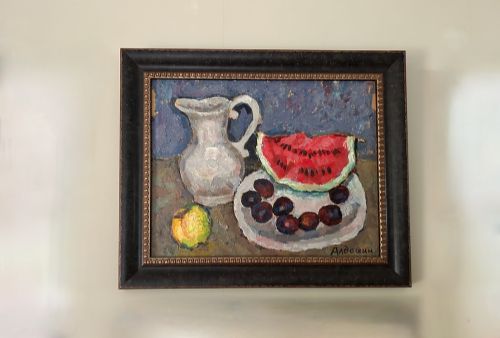
These painted fruit ceramic pieces bring vibrant hand-painted harvests to porcelain bowls, plates, and comports from past centuries.
Painted Fruit Ceramic
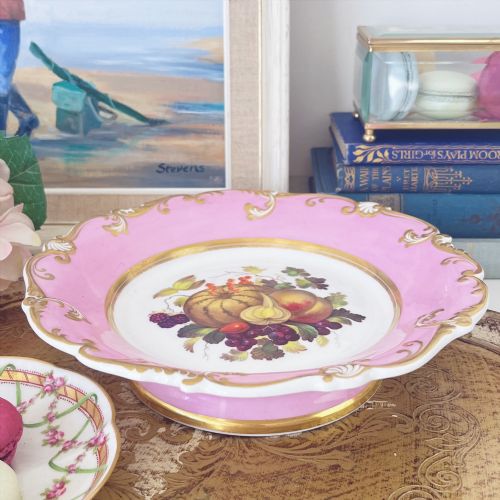
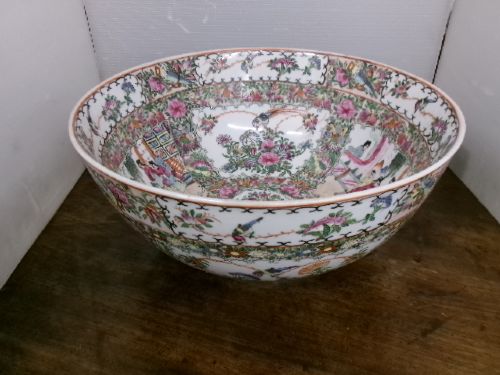
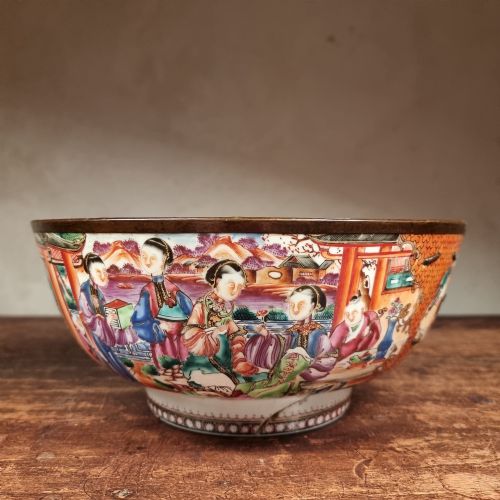
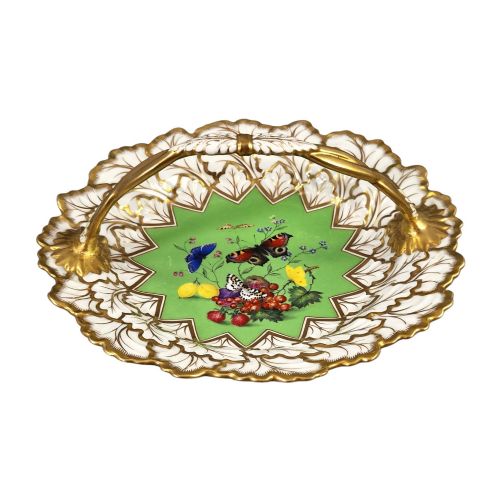
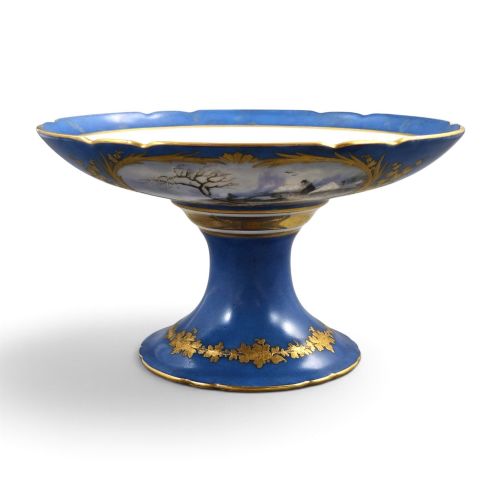
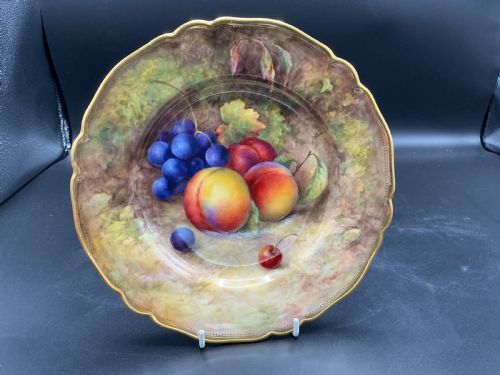
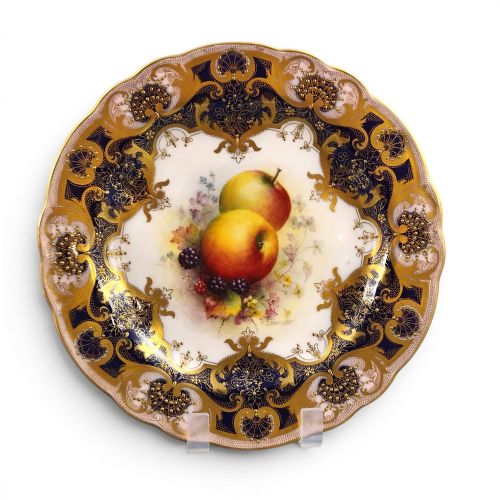
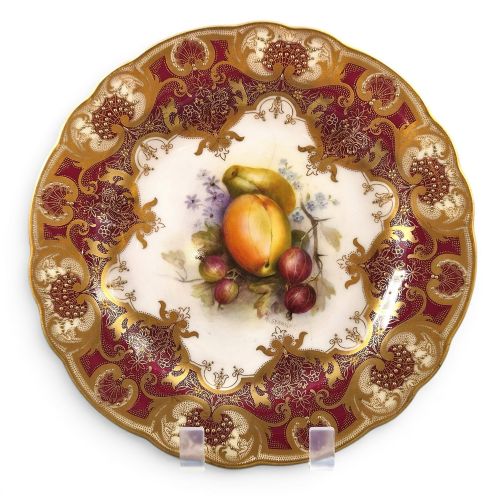
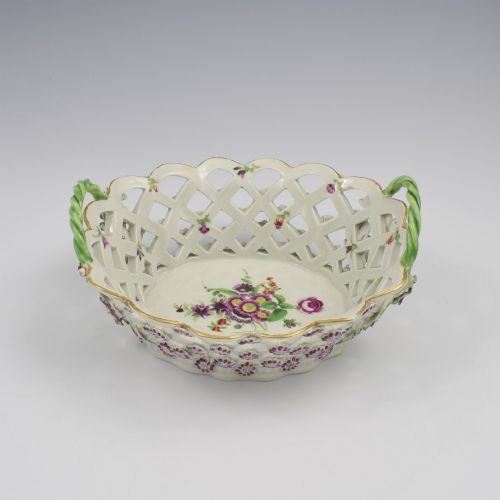
Painted fruit ceramic items encompass cabinet plates, decorative bowls, comports, and baskets originating from eighteenth, nineteenth, and twentieth-century British, European, and Asian workshops.
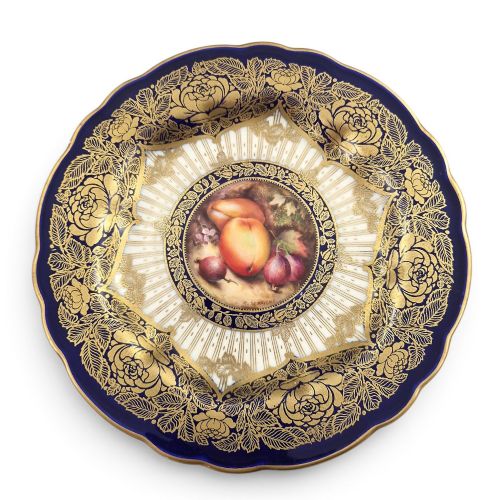
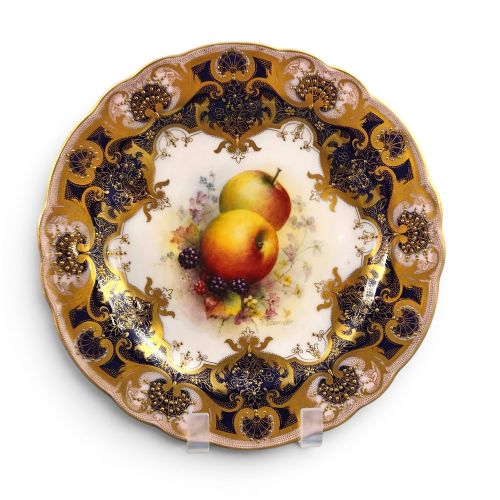
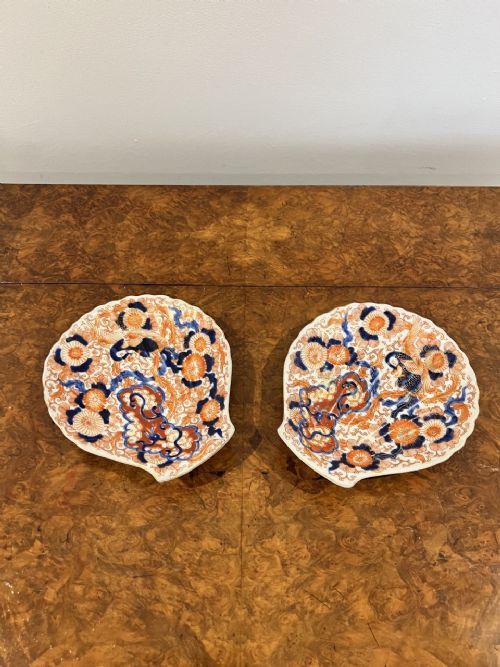
The selections frequently include Royal Worcester cabinet plates featuring detailed fruit studies, alongside Chinese export vessels and Japanese Imari porcelain decorated with botanical motifs.
Victorian earthenware and Georgian porcelain pieces appear across these listings, alongside Staffordshire copper lustre jugs decorated with fruit and traditional English comports.
Materials and Techniques
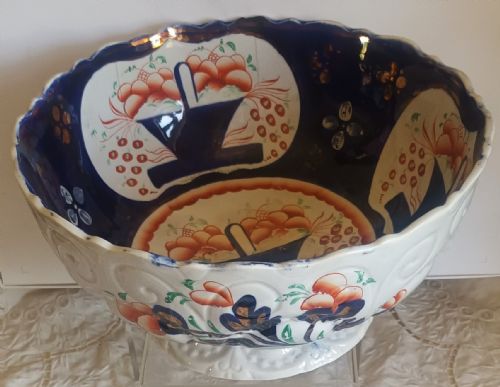
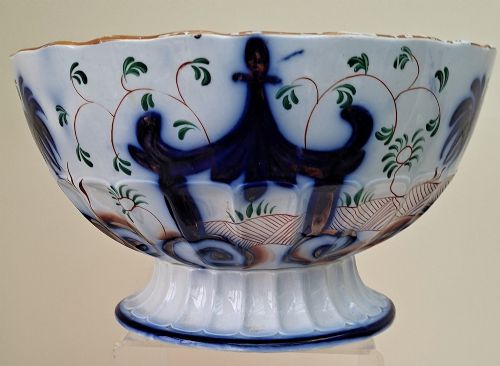
Items are shaped from porcelain, bone china, earthenware, and ironstone, then finished with hand-painted polychrome decoration depicting natural subjects.
Gilding, gold leaf, and enamel accents frequently highlight the rims and borders of porcelain bowls, tazzas, and cabinet plates.
Potters and painters utilised cobalt underglaze, enamel pigments, and applied gilding to achieve durable, decorative surfaces on ceramic bodies.
Listings feature porcelain and earthenware pieces spanning from the 18th century to the 1960s, including works from British, European, and Asian makers.
Quality and Execution
The standard of a painted fruit ceramic piece rests in the precision and naturalism of the brushwork applied to the fruit and foliage.
Named artist signatures, particularly those associated with established porcelain manufactories, distinguish individual cabinet plates and comports.
The crispness of the porcelain moulding, the application of gold leaf, and the depth of the enamel ground define the better examples.
Royal Worcester·H and R Daniel·Flight Barr and Barr·Royal Doulton
The Painted Fruit Ceramic Glossary
- Cabinet plate
- A decorative ceramic plate intended for display in a cabinet rather than for dining. These often feature hand-painted fruit or botanical studies.
- Comport
- A raised vessel or dish used for serving fruit or sweets on a dining table. They frequently stand on a central foot or pedestal.
- Imari
- A style of Japanese porcelain decorated in underglaze blue, iron red, and gold. It was widely exported to Europe during the Edo and Meiji periods.
- Ironstone
- A type of heavy earthenware patented in England during the nineteenth century. It is known for its durability and resistance to chipping.
Painted Fruit Ceramic: Frequently Asked Questions
What are painted fruit ceramic pieces?
These are porcelain and earthenware items, such as plates, bowls, and comports, decorated with hand-painted representations of fruit. They span periods from the eighteenth century through to the twentieth century.
Many examples originate from British porcelain works like Royal Worcester, while others come from Chinese and Japanese export traditions.
How were these ceramic items used?
Cabinet plates and decorative dishes were typically displayed in reception rooms to showcase wealth and artistic taste. Comports and pedestals served fruit during formal dining.
Items like potpourri vases held dried scented materials to fragrance domestic interiors.
How do I care for antique porcelain?
Wash these pieces by hand using warm water and a mild detergent, avoiding soaking or abrasive sponges. Protect the gilded edges and hand-painted enamel surfaces from harsh chemicals.
Display them securely away from direct sunlight and areas subject to sudden temperature changes.
How can I tell the period of a piece?
Examine the ceramic body, glaze characteristics, and any maker marks stamped or painted on the base. Stylistic details like Victorian floral borders or Regency shapes offer clues to the date of manufacture.
Artist signatures and specific factory ciphers help narrow down the exact decade.