





Painted French Stool
A painted french stool brings quiet elegance and versatile seating to a room, offering both decorative charm and practical function.
Painted French Stool
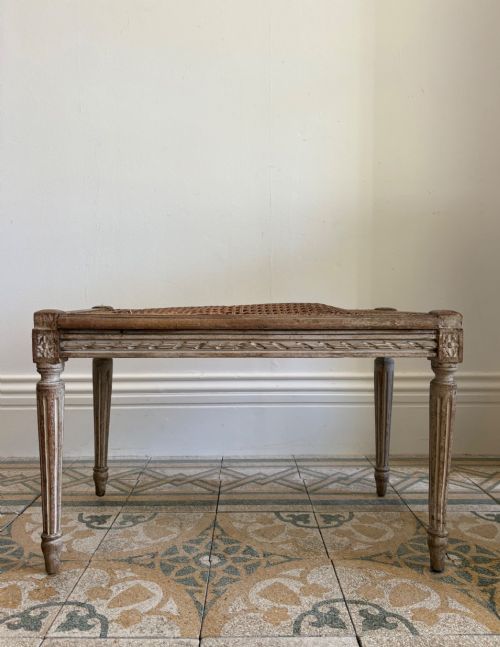
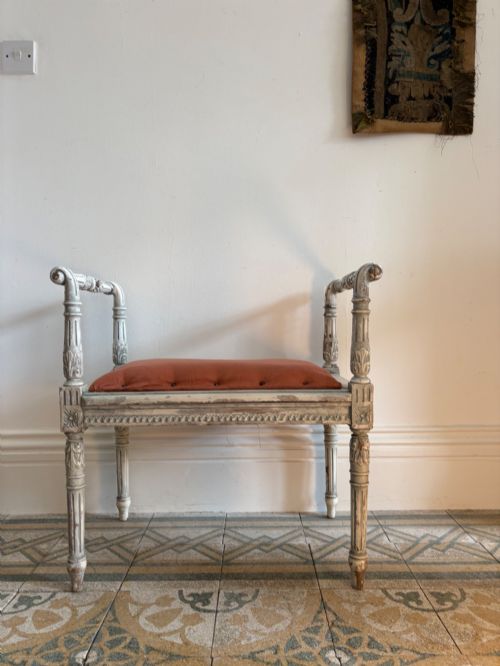
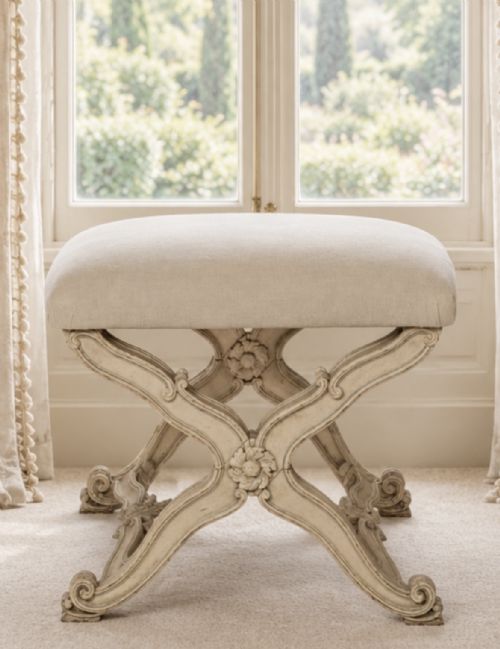
A painted french stool spans several forms, including footstools, window seats, long benches, and rustic milking stools. These pieces arrive from various periods such as the nineteenth century, nineteen hundred, and nineteen thirty.
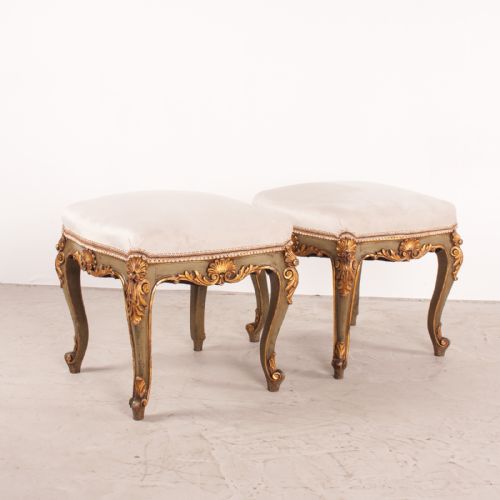
The aesthetic draws heavily on regional and classical traditions, featuring styles like Louis XV, French Provincial, Gustavian Neoclassical, and Continental Rococo. Buyers frequently encounter smaller decorative designs alongside larger upholstered duet seats and piano stools.
How they were made
Construction relies primarily on wood such as beech and pine, often shaped through hand carving or scratch-built country carpentry. Frames are finished with paint, gilt, and parcel-gilt details to create distinct decorative surfaces.
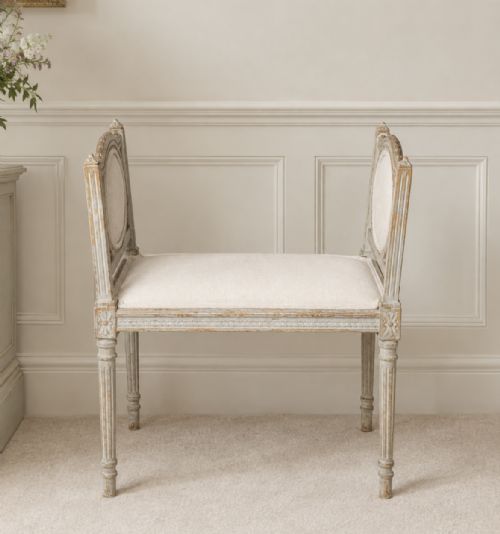
Upholstery incorporates materials like silk, fabric, linen, and cane, occasionally secured with brass elements or adjustable screw mechanisms. Original paint layers remain intact on numerous examples from the nineteenth and early twentieth centuries.
Painted French Stool Retail Price Guide 2026
Typical asking prices for painted french stool among the pieces listed under this phrase on Sellingantiques today, from the lower quarter to the upper quarter. They describe what is for sale here now, not the wider market.
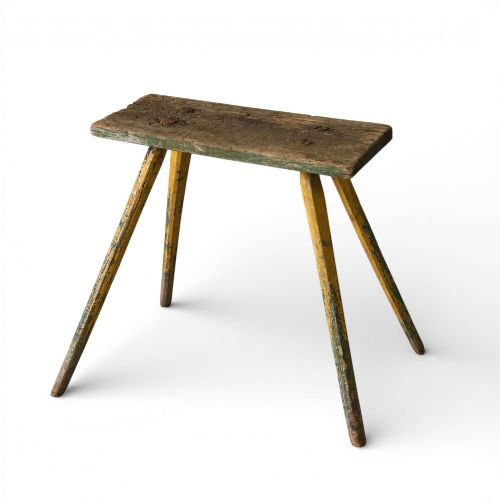
Even a humble milking stool managed to get dressed up in French paint.
What varies in quality
Quality differentiates through the refinement of the carved wood details and the authenticity of the surface paint. Pieces featuring hand-carved ornamentation and well-preserved original paint finishes occupy the upper tier of craftsmanship.
The integrity of the structural frame and the execution of period upholstery styles also dictate overall distinction. Subtleties in proportion and stylistic adherence, from Louis XV curves to Gustavian lines, separate standard items from superior examples.
The Painted French Stool Glossary
- Gustavian Neoclassical
- A Swedish aesthetic characterised by restrained classical motifs and pale painted finishes. It reflects lighter proportions inspired by French court styles.
- Parcel-gilt
- A decorative technique where specific carved details or highlights are partially covered in gold leaf. This contrasts against the primary painted wood surface.
- Duet stool
- An elongated seating form designed for two people, frequently used as a window seat or piano bench. These often feature upholstered tops supported by painted frames.
- Milking stool
- A simple, functional rustic seat typically constructed with three legs and a small wooden top. Country versions often retain their original utilitarian paint.
- Régence style
- A transitional French design period bridging classicism and rococo, marked by flowing curves and restrained symmetry. Carved woodwork in this style displays energetic yet balanced forms.
Painted French Stool: Frequently Asked Questions
Where do people use a painted french stool?
These pieces fit naturally at the foot of a bed, beside a dressing table, or beneath a window as a low seat. Their compact proportions also allow them to function as impromptu side tables or footrests in a living room.
Longer benches and duet stools suit placement in hallways or beneath living room windows. Smaller rustic or milking variants add textural contrast when tucked into corners or used sparingly in functional spaces.
How do I identify the period of a painted french stool?
Dating relies on observing the interplay of structural forms, carving styles, and surface finishes across the piece. Nineteenth-century examples often lean towards specific revival movements, while items from nineteen hundred or nineteen thirty reflect enduring provincial traditions.
Material choices like beech frames, cane inserts, and the application of original paint or parcel-gilt layers provide further chronological clues. Examining the carpentry methods, from hand-carved details to scratch-built construction, helps distinguish older items from later interpretations.
What is the difference between a window seat and a footstool?
Window seats are generally built longer and higher, designed specifically for seating beneath low window frames or at the end of a bed. They often incorporate upholstered cushions and decorative carved frames suited for prominent display.
Footstools are smaller and lower, created primarily to support feet while relaxing in an armchair. While both categories may feature painted wood and fabric upholstery, their scale and intended physical use remain distinct.
How should I care for original paint on wood?
Preserving historic painted surfaces requires gentle dusting with a soft, dry cloth to prevent accumulation of dirt. Avoid chemical cleaners, moisture, and abrasive materials that can strip or damage fragile nineteenth-century finishes.
Keeping the piece away from direct sunlight and sudden temperature shifts protects both the wooden frame and the surrounding fabric or linen upholstery. Regular, minimal maintenance ensures the original character of the painted surface remains stable over time.