





Distressed Cream Dressing Stool
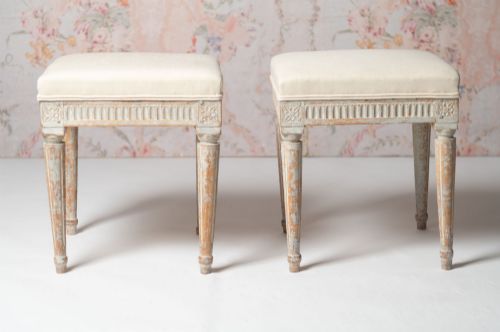
A distressed cream dressing stool brings continental grace to a bedroom, offering low seating finished with aged painted surfaces and soft textile tops.
Distressed Cream Dressing Stool
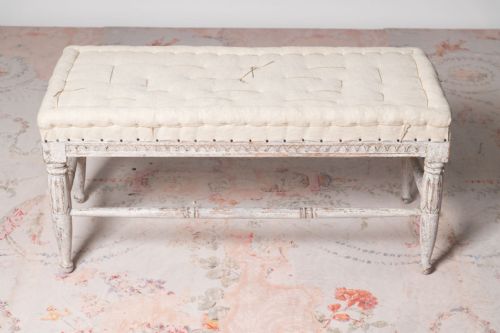
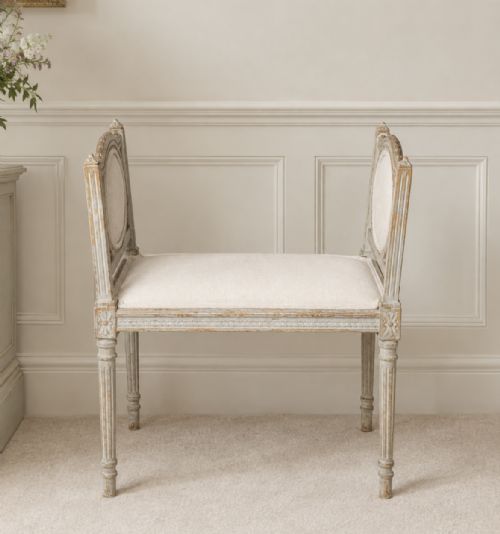
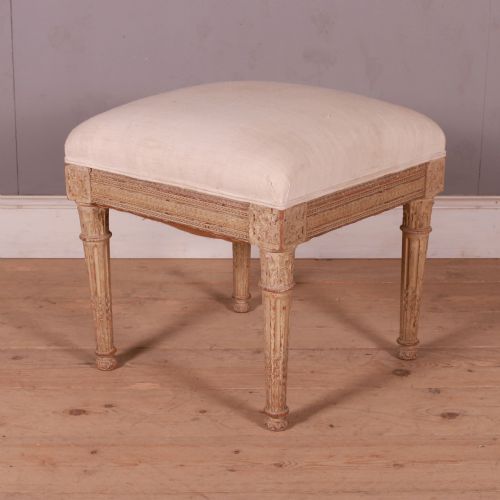
When you search for a distressed cream dressing stool, you find low antique seating pieces originating from European traditions like Swedish Gustavian, French Provincial, and Italian Neoclassical workshops. These pieces appear in forms ranging from single stools and footstools to longer benches, often shaped with traditional joinery.
The versions most commonly met on this page date from the nineteenth century, alongside examples from eighteen-eighty, eighteen-ninety, nineteen hundred, and nineteen thirty. They combine wooden frames with upholstered tops covered in linen, cotton, or needlework fabrics.
Buyers choose these items for bedrooms and dressing rooms to provide practical seating that carries the character of older hand-painted finishes. Their proportions suit placement beneath dressing tables or at the foot of a bed.
Materials and construction
The frames are constructed from wood, with many pieces featuring carved wood details shaped by hand. Craftsmen applied layers of paint over the wooden structure, which ages to create the distressed cream appearance seen today.
Upholstery involves traditional textile coverings such as linen and cotton, secured over padding to form the seat. Some variants incorporate detailed needlework on the fabric surface alongside the painted wooden framework.
Distressed Cream Dressing Stool Retail Price Guide 2026
Typical asking prices for distressed cream dressing stool among the pieces listed under this phrase on Sellingantiques today, from the lower quarter to the upper quarter. They describe what is for sale here now, not the wider market.
Several listings arrive in matched pairs, proving that even eighteenth-century royalty needed a spare seat while powdering their wigs.
Assessing quality
Quality rests in the crispness of the hand carving on the wooden frame and the structural integrity of the joints. Finer examples display balanced proportions and decorative moulding that reflect careful regional craftsmanship.
The character of the aged paint surface also distinguishes the pieces, where natural wear accumulates uniformly rather than appearing uniform or mechanical. The selection of traditional textiles for the upholstery further elevates the finish of the seating.
The Distressed Cream Dressing Stool Glossary
- Gustavian
- A Swedish neoclassical design style characterised by restrained classical detailing and light-coloured painted finishes. It developed during the reign of King Gustav III.
- French Provincial
- A style originating from regional French cabinetmakers who adapted urban Parisian furniture designs into simpler, sturdier forms. These pieces often feature gentle curves and painted woodwork.
- Needlework
- Stitched textile ornamentation created using yarn or thread worked through a fabric ground. It appears on historic seat covers to provide decorative patterns.
- Carved wood
- Timber shaped manually using cutting tools to produce relief ornamentation, mouldings, or structural details. Skilled artisans executed these embellishments before painting.
Distressed Cream Dressing Stool: Frequently Asked Questions
Where do these stools fit best?
These low seats are traditionally placed in bedrooms, dressing areas, or hallways where compact furniture is required. Their proportions make them useful companions to dressing tables.
They also serve as occasional seating in living spaces or as decorative accent pieces positioned against a wall.
How do I care for the painted finish?
The aged paint surfaces require gentle dusting with a soft, dry cloth to prevent dirt accumulation. Avoid harsh chemical cleaners that can strip or soften the historic layers of paint.
Keeping the wood away from direct heat sources and excessive moisture protects both the frame and the underlying timber structure.
What fabrics cover the seats?
Upholstery materials on these pieces include natural textiles such as linen and cotton, along with decorative needlework panels. These fabrics were chosen historically for durability and comfort.
Many surviving pieces retain traditional padding methods beneath their outer textile layers.
How are different periods identified?
Period attribution relies on construction methods, decorative styles, and characteristic paint treatments recorded across the nineteenth and early twentieth centuries. Regional traits, such as Swedish Gustavian carving, provide strong indicators of origin.
Comparing the joinery and framing techniques helps place an item within its manufacturing era.